Tags
Payson, Salem, spanish fork, utah, utah county, Woodland Hills
Woodland Hills is a city in Utah County, The population was 1,344 at the 2010 census.
As of the 2000 census, Woodland Hills had the highest median income in the state of Utah.


01 Tuesday Jul 2014
Posted in Uncategorized
Tags
Payson, Salem, spanish fork, utah, utah county, Woodland Hills
Woodland Hills is a city in Utah County, The population was 1,344 at the 2010 census.
As of the 2000 census, Woodland Hills had the highest median income in the state of Utah.
01 Tuesday Jul 2014
Posted in Uncategorized
Tags

Hoytsville isbetween Coalville and Wanship. It was first known as East Plymouth, then Unionville, because the people united here in time of Indian troubles. In 1875 the name was changed to Hoytsville honoring Samuel P. Hoyt.

The LDS chapel in Hoytsville is the site of Historical Marker #37 of the Daughters of Utah Pioneers, which was erected on August 27, 1938. The plaque reads:
This monument is near the site of the old fort, 300 ft. So. west of here. It was on old emigrant trail. Route also used by Overland Stage and part of Johnston’s Army going east in 1861, to participate in the civil war. The fort was built during the black hawk war in 1866, on advice of Pres. Brigham Young to Bishop Winters. 25 families moved their log cabins there. Centrally located it provided protection for families, livestock and grist mill. The mill was the first in this county. Built in 1862 by Samuel P. Hoyt.
30 Monday Jun 2014
Posted in Uncategorized
Tags
historic, Mines, Payson, Salem, utah, utah county, Woodland Hills


Jay M. Haymond
Utah History Encyclopedia
The so-called Dream Mine is located east of Salem in Utah County. The mine founder, John H. Koyle, was born August 14, 1864 at Spanish Fork, Utah County. He married Emily Arvilla Holt 9 December 1884. They had four son and three daughters. At about age twenty-two, Koyle experienced a dream about lost livestock and other domestic matters. Gradually he became known as a visionary man. He grew to dream about a wide variety of subjects, including world affairs. Many of his predictions came true and earned him a following of faithful admirers.
His membership in the Mormon Church led him to serve a mission in 1888 to 1891 in the Southern States Mission. His dreams continued and he was known as a missionary with prophetic abilities. Following his missionary service, Koyle returned home to his wife and family to resume farming.
In August 1894 he experienced a dream in which he was visited by a figure from another world. The visitor carried him to a high mountain east of Koyle’s house and into the mountain, showing him the various strata and explaining the meaning of the minerals. The visitor showed Koyle an ancient “Nephite” mine with large rooms of mined-out ore bodies. The rooms contained treasure and artifacts of an extinct civilization. Koyle was instructed that he was to open a mine and extract gold for the welfare of “his” people. Specific instructions were given for the mine development leading to rich ore bodies. The riches would be found and released to him and his followers during a time of world crisis. The wealth would be spread to others through Koyle and the people organized around the mine. In this way the name “Relief Mine” was attached to the project. The heavenly messenger made it known that the wealth would not be available for “self gratification.” The dream was repeated for a total of three times. Koyle talked of his dream to friends and others for support. In 1909 the Koyle Mining Company was formed with 114,000 shares of stock issued at $1.00 per share.
Koyle’s dreams continued. He predicted the First World War and the economic crash of October, 1929. He foresaw “horseless carriages” bigger than railroad cars going down the road at great speeds. He especially received instruction on how to develop the mine. Plans included air shafts, escape ways and drainage tunnels. Instructions came to build a processing mill and storage bins for grain. By 1910, Koyle was appointed bishop of the Leland Ward in Spanish fork. The mining activities closely coupled with his church work attracted attention from the Mormon Church leaders. Apostle James E. Talmage, a geologist by training, came to look at the Dream Mine claims and could find no evidence that precious metals would ever be found in the strata being explored. The Mormon Church spoke out against the Koyle mine and associated activities and released John H. Koyle from the bishopric. However, Koyle’s ongoing success as a seer and visionary continued to attract supporters and money, including some members of the Mormon Church leadership. Koyle was getting a mixed message from the Church. For a time, Koyle moved some members of his family to Idaho to pursue farming and while there Koyle was appointed to another bishopric as a councilor, but released when the Mormon leadership learned of the appointment. He continued to attract opposition from the Church for the rest of his life. He negotiated a repudiation of his claims, in 1947 and then reversed himself almost immediately and was excommunicated from the Church 18 April 1948. John H. Koyle died 17 May 1949 in Payson.
The mine continued in fits and starts under the leadership of Quayle Dixon for another twenty-three years. In 1961, a new company, The Relief Mine Company, succeeded the Koyle Mining Company and continued to do the minimum $100 per claim annual assessment work. Little more can be said about the often promised Koyle Dream Mine.
See: Norman C. Pierce, The Dream Mine Story, Salt Lake City, 1972.
30 Monday Jun 2014
Posted in Uncategorized
Tags




30 Monday Jun 2014
Posted in Uncategorized
Tags

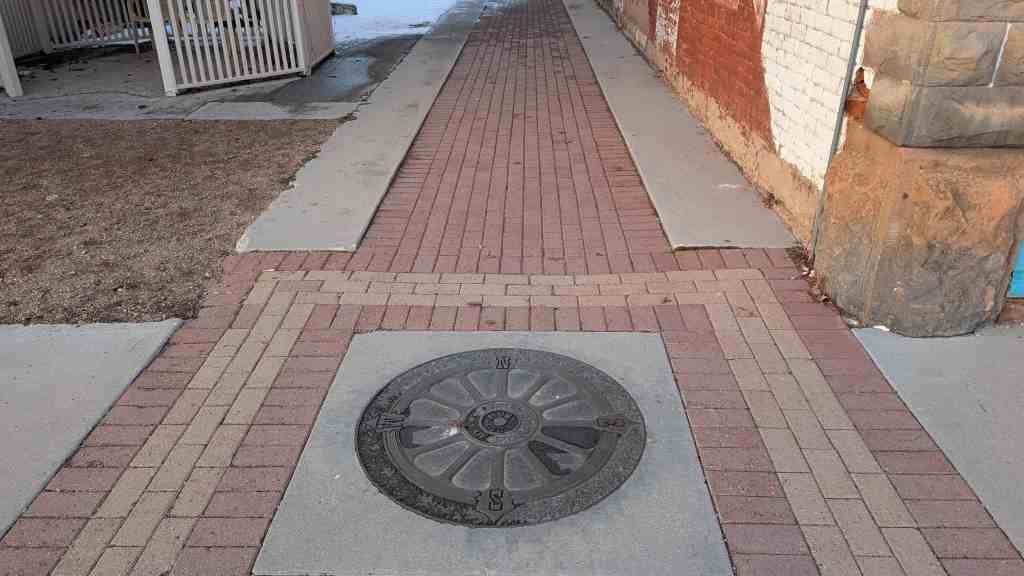
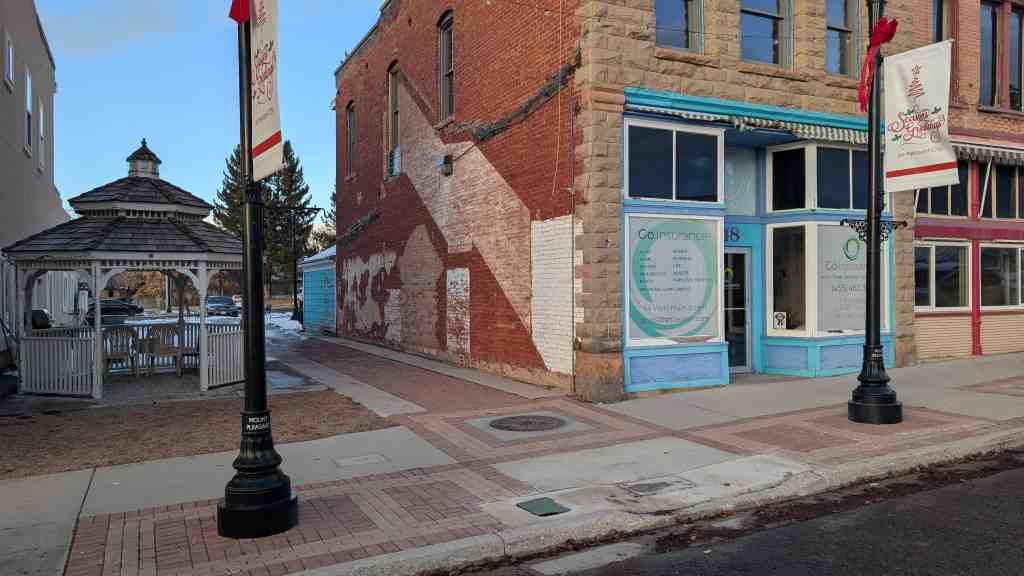
There are several places claiming to be the center of Utah, the math gets a little weird when the shape is weird. I’ll collect my photos of the center points of Utah and post them here.



30 Monday Jun 2014
Posted in Uncategorized
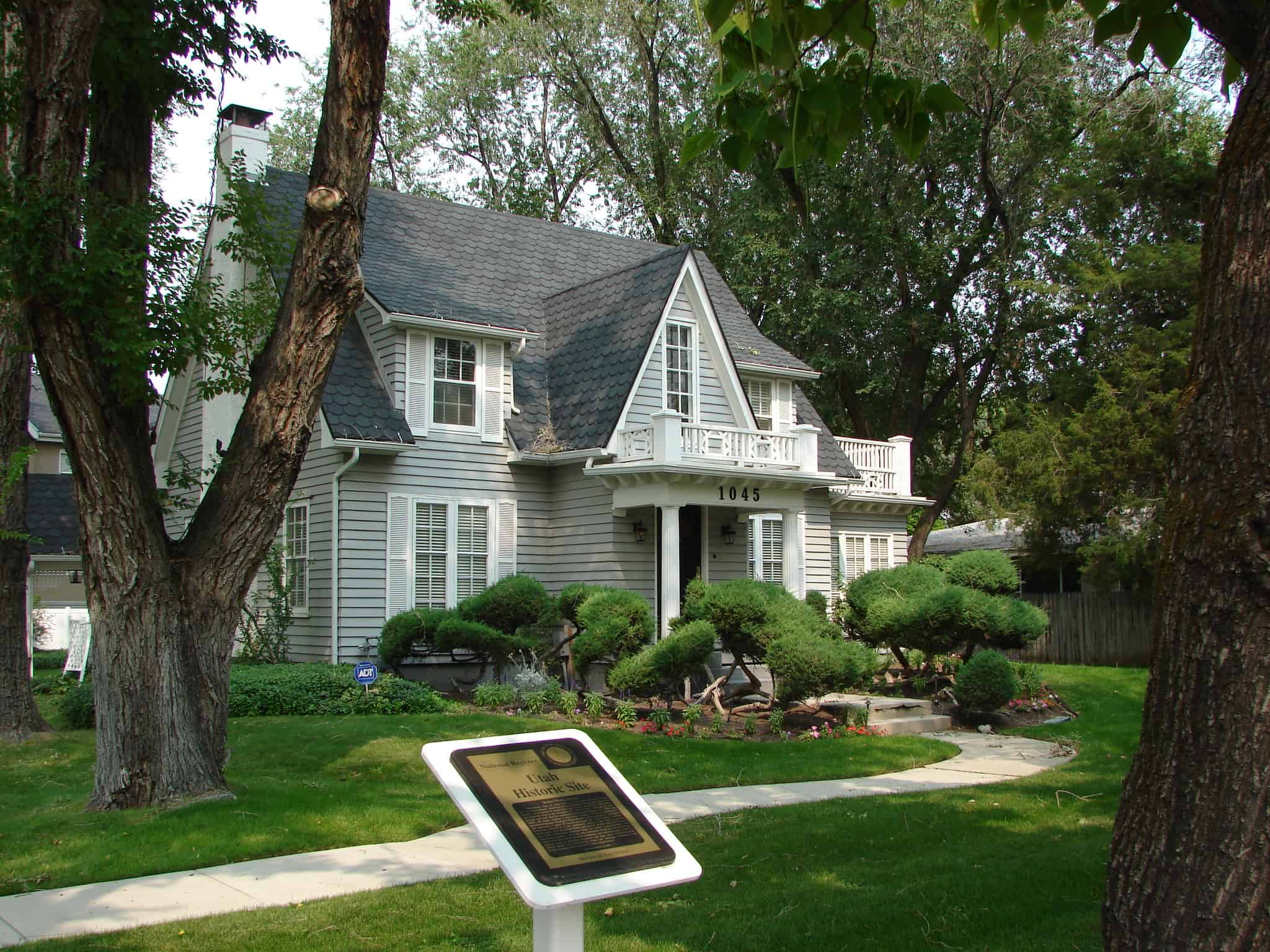
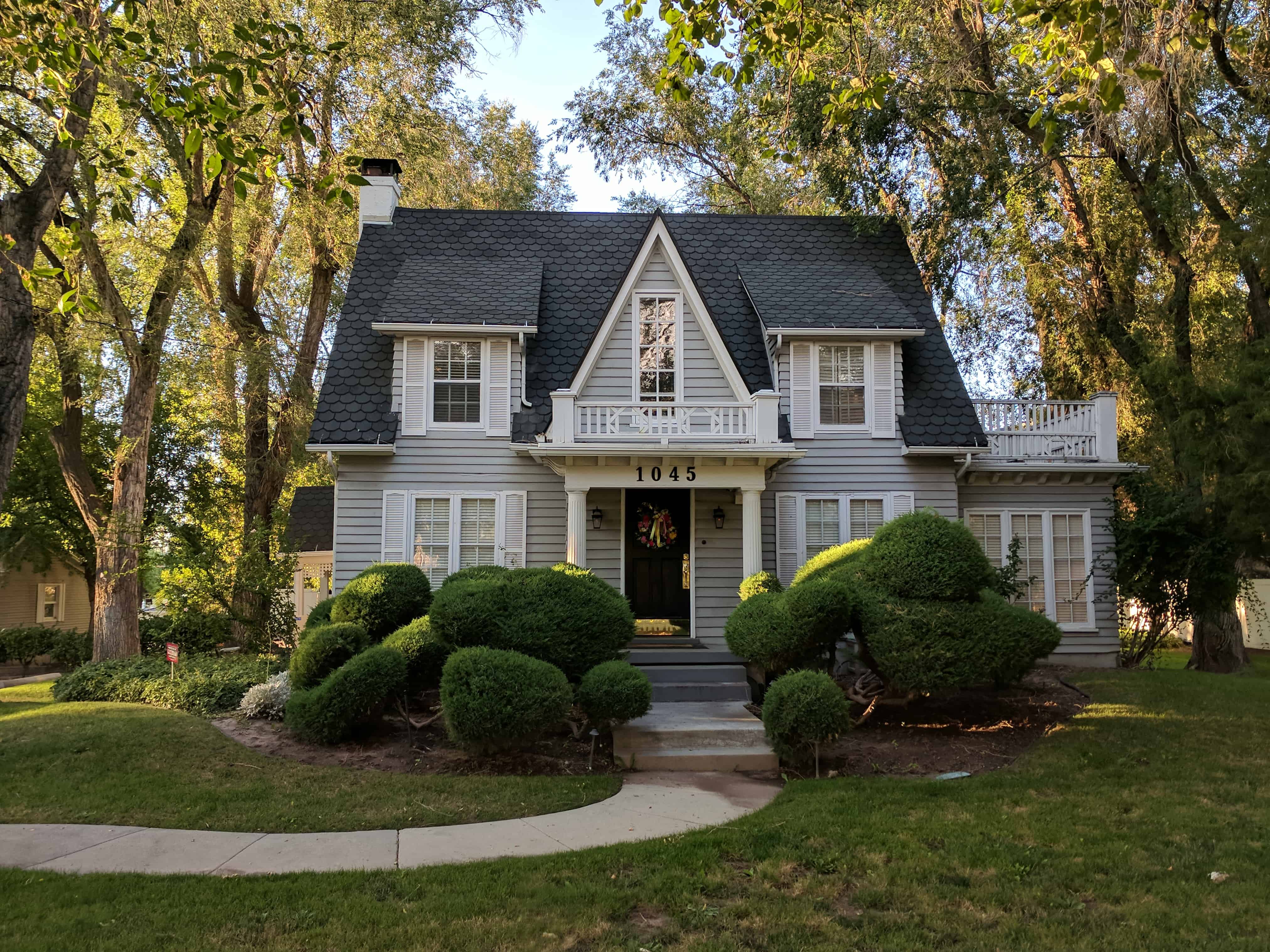
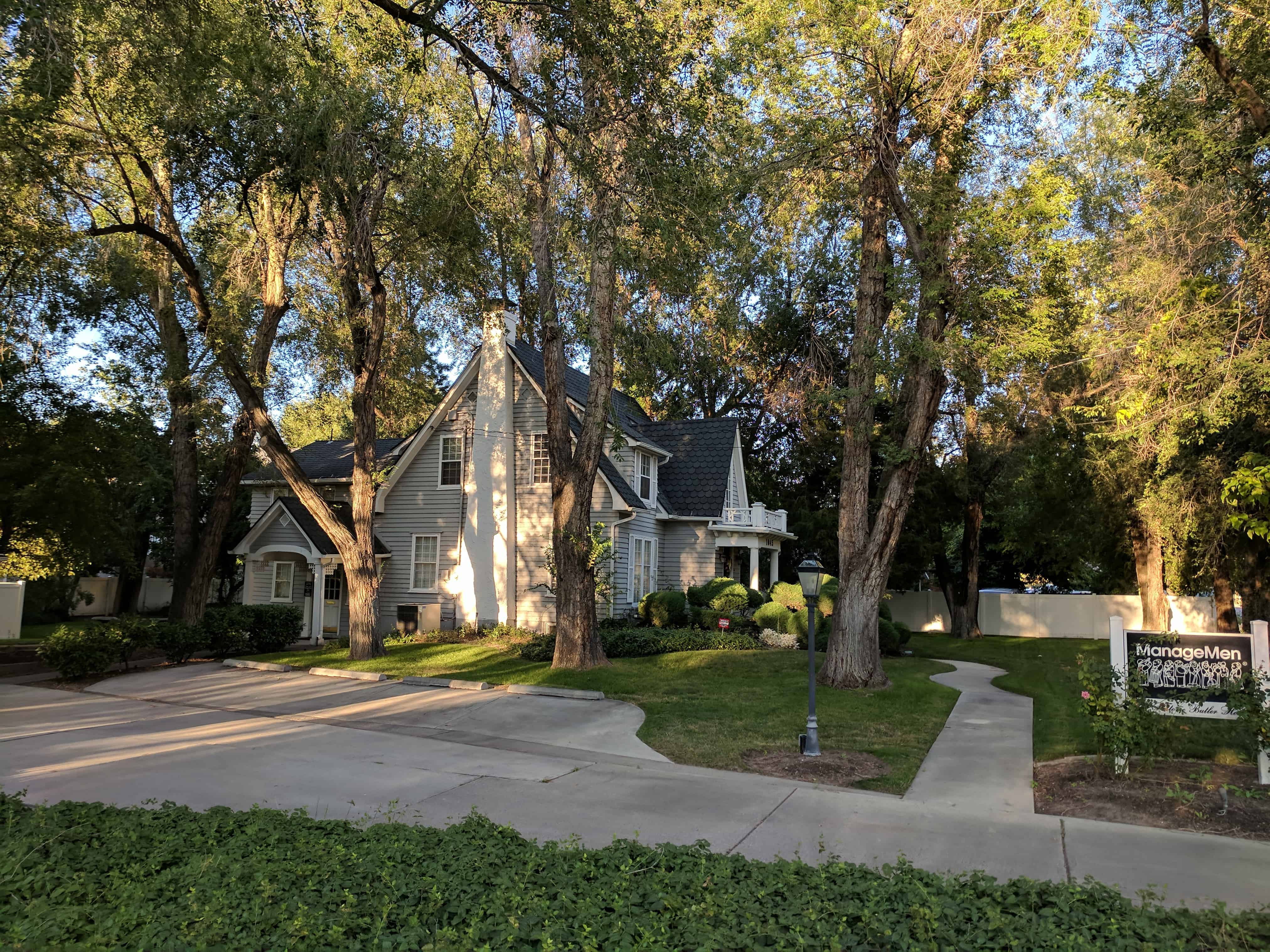
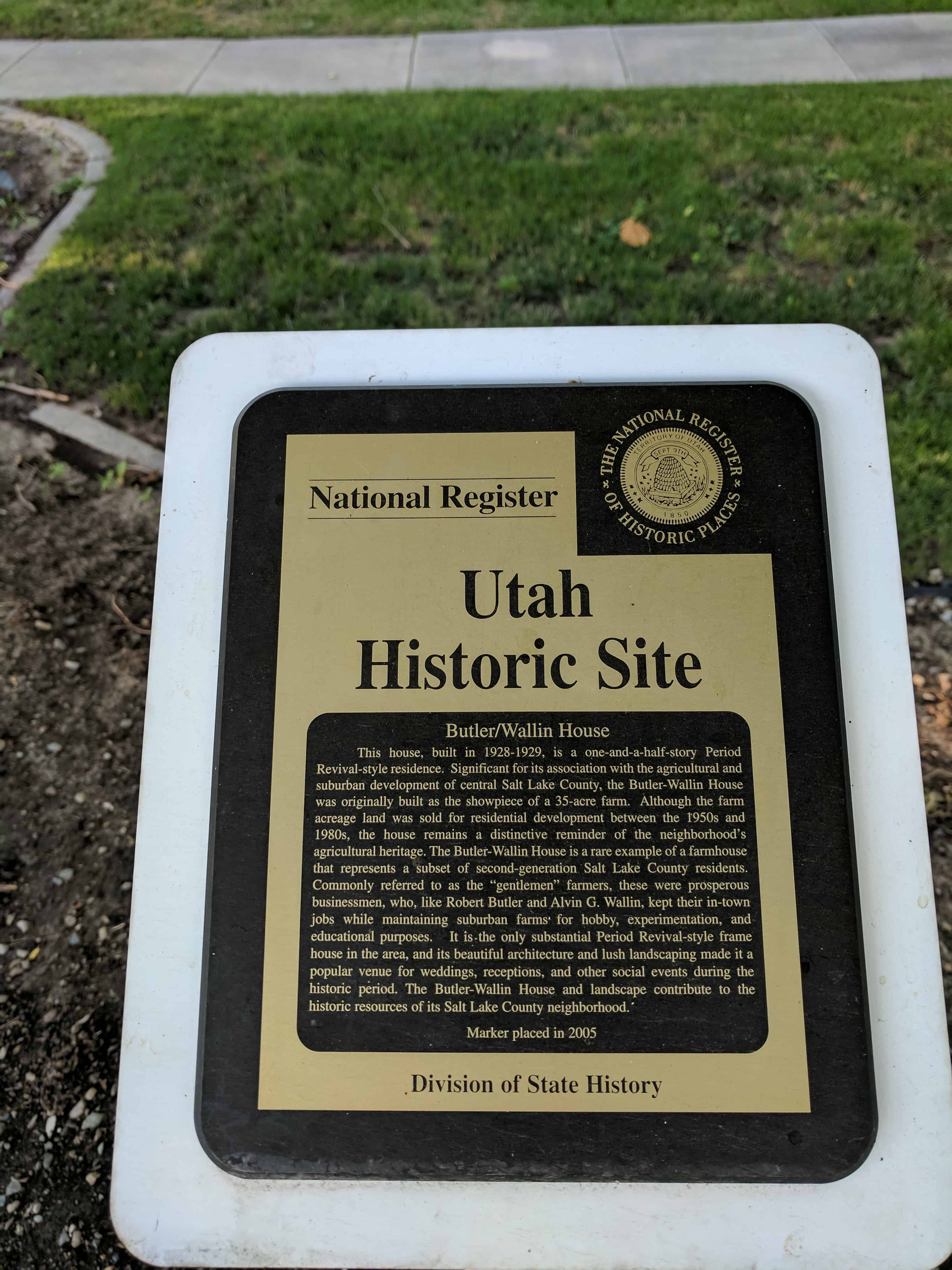
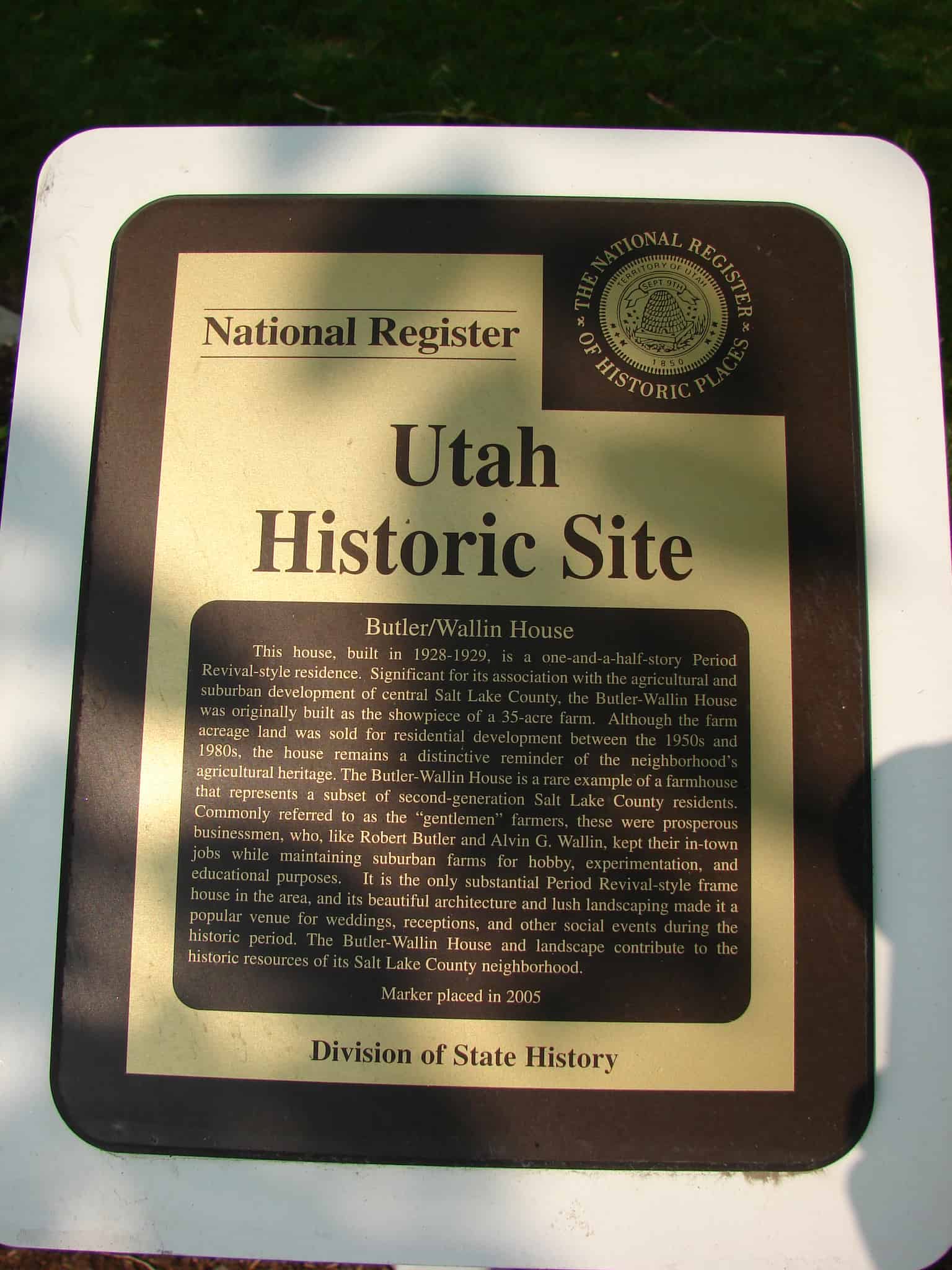
This house, built in 1928-1929, in a one-and-a-half story Period revival style residence. Significant for its association with the agricultural and suburban development of central Salt Lake County, the Butler-Wallin House was originally built as the showpiece of a 35-acre farm. Although the farm acreage land was sold for residential development between the 1950’s and 1980’s, the house remains a distinctive reminder of the neighborhood’s agricultural heritage. The Butler-Wallin House in a rare example of a farmhouse that represents a subset of second-generation Salt Lake County residents.
Commonly referred to as the “gentlemen” farmers, these were prosperous businessmen, who, like Robert Butler and Alvin G. Wallin, kept their in-town jobs while maintaining suburban farms for hobby, experimentation, and educational purposes. It is the only substantial Period Revival-style frame house in the area, and its beautiful architecture and lush landscaping made it a popular venue for weddings, receptions, and other social events during the historic period. The Butler-Wallin House and landscape contribute to the historic resources of its Salt Lake County neighborhood.
1045 East 4500 South in Salt Lake City, Utah

30 Monday Jun 2014
Posted in Uncategorized

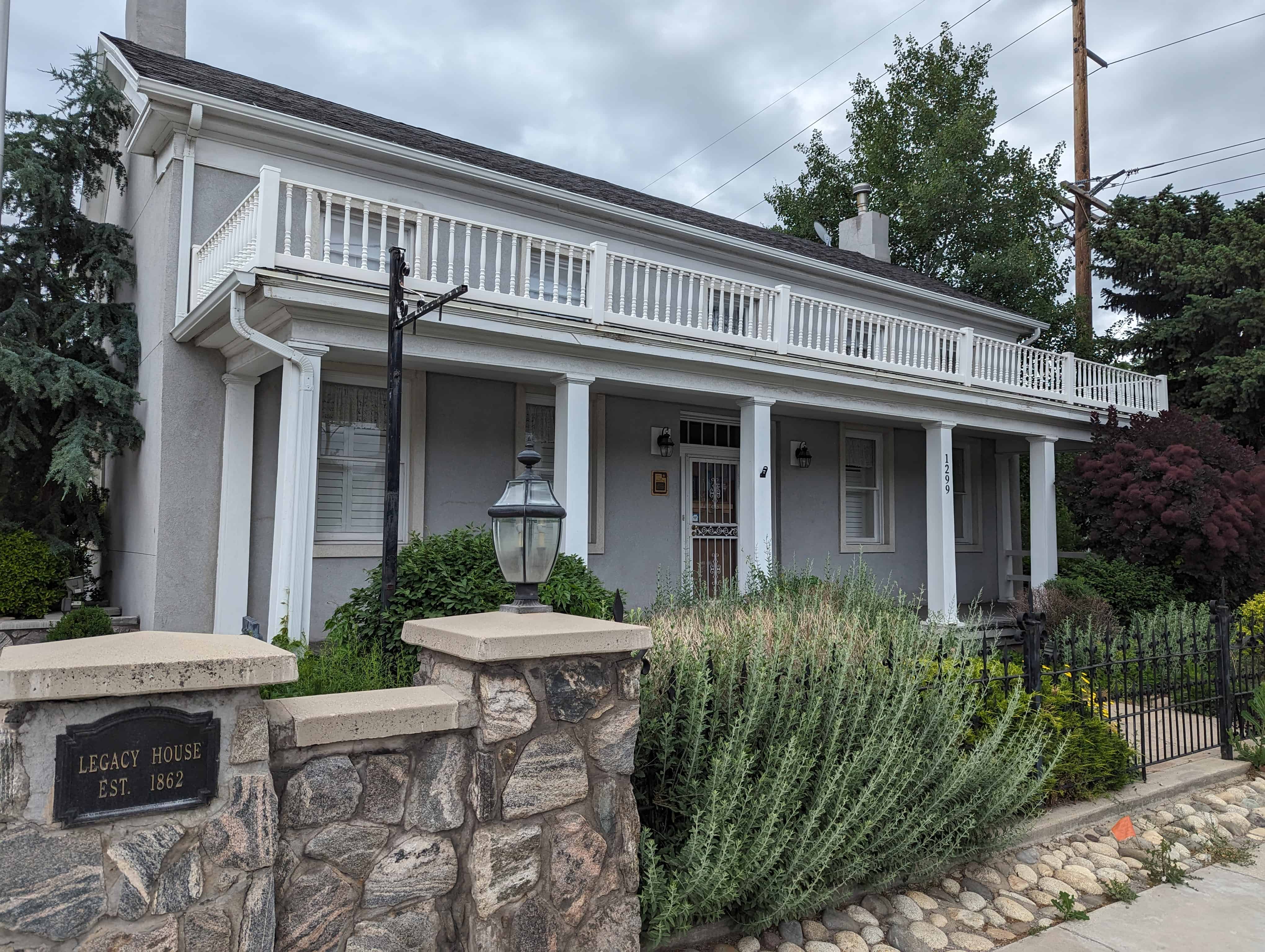
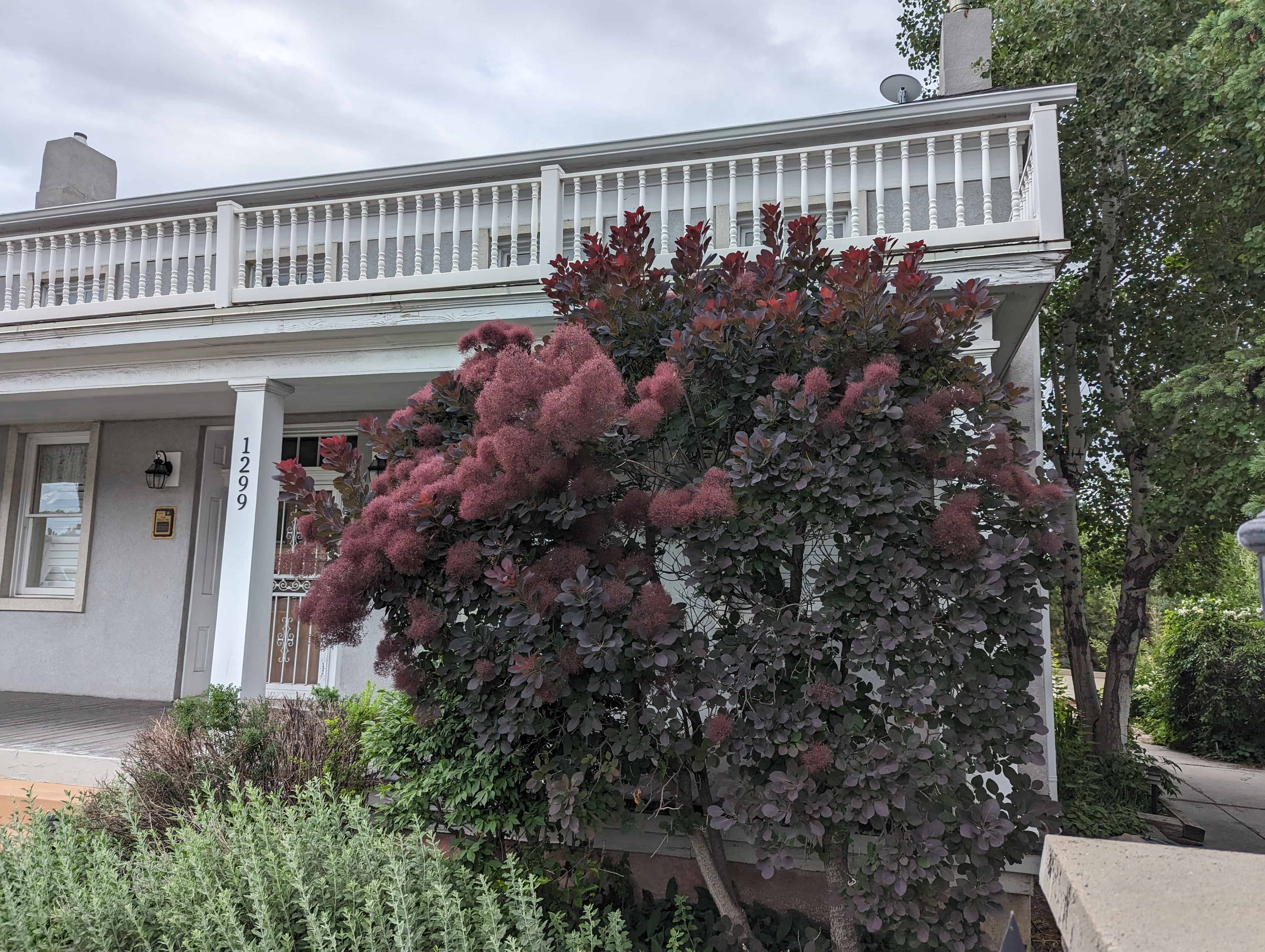
Edward Pugh Home
16th Street Legacy House
Construction began December 1862. Built of stucco adobe by Edward Pugh, an 1853 Pioneer to Utah. Patterned after Brigham Young’s Beehive House.
Located at 1299 East 4500 South in Millcreek, Utah – this home was added to the National Register of Historic Places (#78002680) on August 31, 1978.
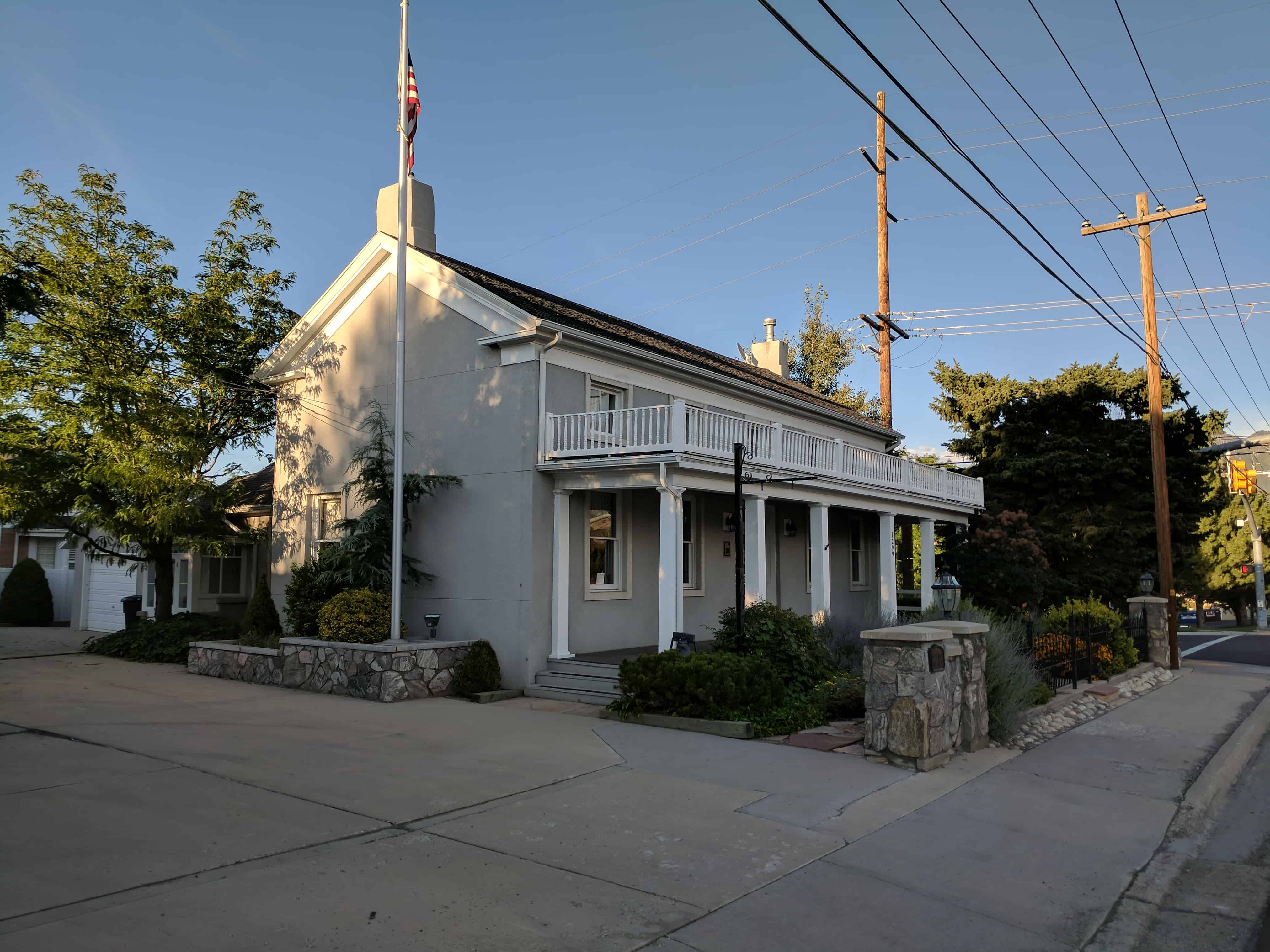


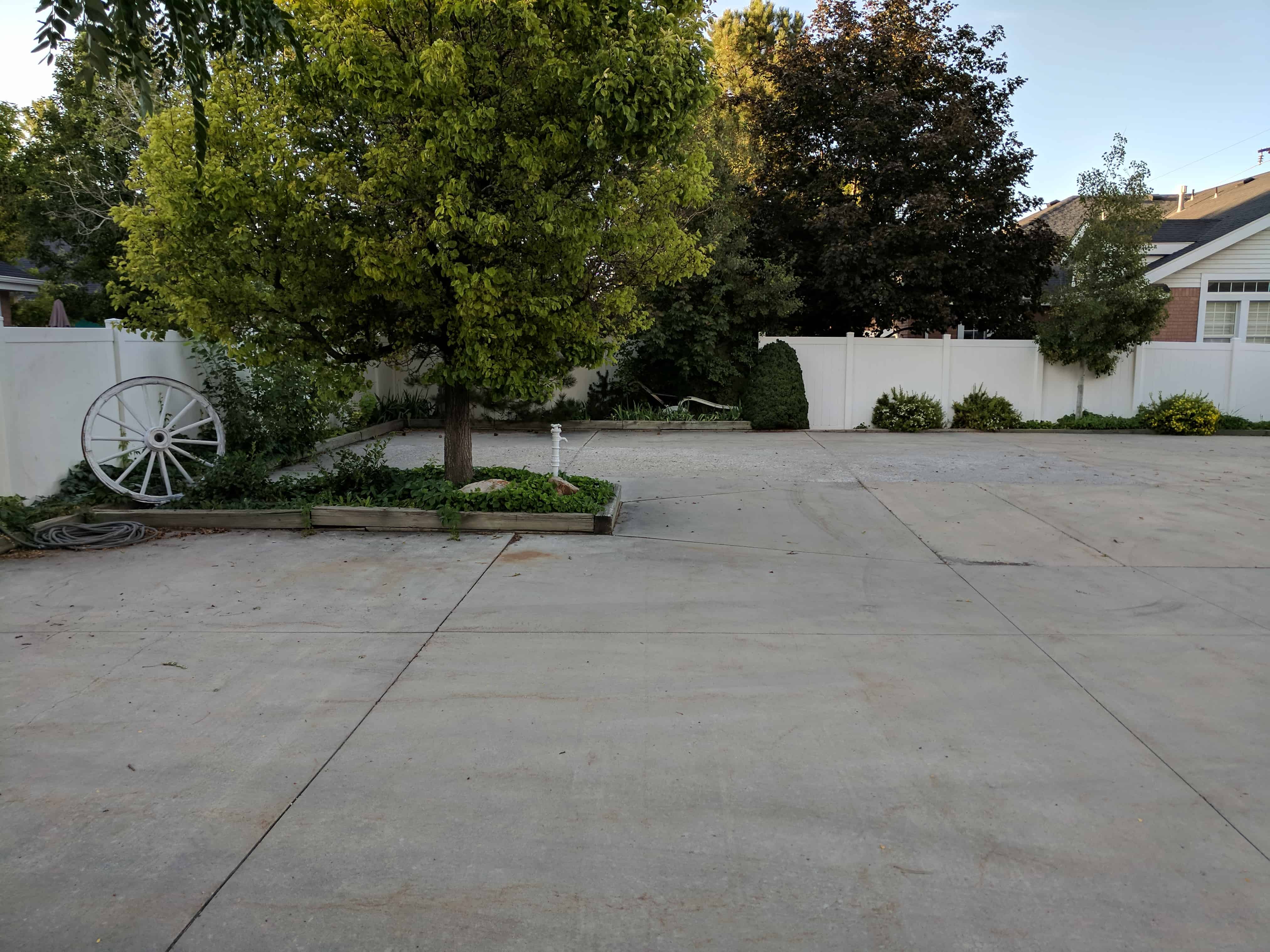
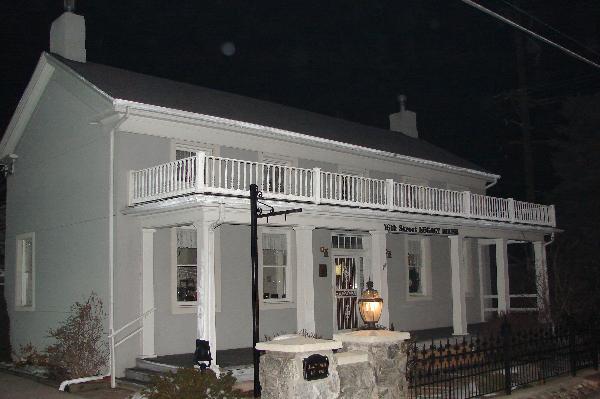

The Edward Pugh House is significant as one of the earliest remaining pioneer houses constructed in the Salt Lake Valley. Architecturally, the house is patterned after Brigham Young’s Beehive House, completed in 1854. Like the Beehive House, the Edward Pugh House is also constructed of stuccoed adobe. The lives of Edward Pugh and his two wives, Mary and Elizabeth, which are inseparably associated with the house, offers an interesting and informative glance into some of the social problems as Mormonism developed on the American frontier.
Edward Pugh was born in Stratford, Herefordshire, England, August 28, 1824. He learned from his father, Edward Pugh, Sr., farming and masonry, two trades that served him well after he arrived in Utah in 1853.
In June 1842, Edward and his older sister, Mary, joined the Mormon church much to the disappointment of their parents who instructed them not to return home until they gave up this new religion. However, the conversion of Edward and Mary was unshakable and they both worked for one year to raise money to sail to the United States in 1843. Edward followed a year later and joined the main body of the Mormons in Illinois.
Following the exodus from Illinois, Edward Pugh was sent to Kanesville, Iowa where on July 24, 1847, he married Mary Ann Rock Williams Pugh. According to family sources the marriage was one of convenience and had been consumated at the suggestion of Brigham Young. Mary Ann was a widow with three children and one on the way. She was twelve years older than Edward but was also from near Edward’s home in Herefordshire, England.
Edward remained in Iowa until 1853 when they journeyed to Utah in the Henry Ettleman Company, arriving on October 1, 1853. Edward was directed to south Salt Lake Valley where his sister Mary and her husband had already settled. He acquired a rectangular plot of ground for a farm which stretched west from present day 13th East Street to 17th East Street and south from 4000 South Street to 4700 South Street. A log cabin was constructed adjacent to the present house near the southwest corner of the property at 13th East St. and 4500 South St.
On April 19, 1861, Edward left for England where he served as a missionary until April 23, 1862 when he began the return journey to Utah. While returning to Utah, he visited Chicago and purchased a threshing machine and a span of black mares which were used to pull the machine to Utah. The machine was reported to be the first threshing machine brought to Utah and Edward was kept busy threshing wheat for fanners in Salt Lake, Utah and Tooele valleys. In December 1852, construction on the present house was begun and completed in 1863. The new house was evidence not only of Edward Pugh’s skill as a mason, but also the degree of prosperity he had achieved through his dairy farm and threshing activities.
Another sign of Edward Pugh’s success in Utah was his decision to take a second wife. On May 5, 1866, he married seventeen year old Elizabeth Kelley, who he had first met four years earlier as he journeyed with the Kelley family from England back to Utah.
An apartment was prepared for Elizabeth in the log cabin located to the rear of the stuccoed adobe house occupied by Mary. The triangle relationship soon led to conflict as Mary resented the beautiful, young Elizabeth, thirty-seven years her junior. The strong-willed Elizabeth resented the apparent attempts at domination by the older first wife; and Edward, disappointed that his relationship with Mary had produced no children of his own and which if it had, according to Mormon Theology, would be the eternal offspring of Mary and her first husband, was concerned with the fulfillment of a promise by John Smith, brother of the prophet Joseph Smith, that Edward’s descendants would number into the thousands.”
Edward and Elizabeth’s first child, a boy, which they named Edward Kelley Pugh, was born April 18, 1868. In the fall of 1868, Edward Pugh was called to help establish settlements in the southern part of the state. Preparations were made and in November 1870, Edward and Elizabeth with their two children, began the journey to the newly founded settlement of Kanab, 300 miles south of Salt Lake City. Mary, who was near fifty-eight, chose to remain at the Salt Lake home where she died in 1895.
Edward Pugh played an important role in the history of Kanab. As a mason, he helped construct many of the buildings in the community and as an experienced farmer, he was important in the economic development of the region including Kanab’s United Order. Edward died in Kanab on September 14, 1900. The ten children born to Edward and Elizabeth and his descendants are now numbering close to the thousands promised by John Smith in 1844.
In May, 1872, a year and a half after Edward Pugh moved to Kanab, Enoch Pugh, the son born shortly after the marriage of Edward and Mary in Kanesville, Iowa, married Harriet Hughes and moved into the 1862 house where he continued to operate the farm and take care of his mother.
Enoch had worked closely with his father since childhood and following the death of Mary in 1895, acquired full title to the dairy. He died May 20, 1920 at which time his two sons, Bryon and Willard took over the operation of the farm. Willard lived in the house and cared for his mother, Harriet, until her death in 1935. Five years later, in 1940, Willard married Merle Irene Jackson Pugh, the present owner of the house. Willard Pugh died in 1965.





27 Friday Jun 2014
Posted in Uncategorized
Along the Jordan River Parkway Trail in Salt Lake I found this peace labyrinth. It’s pretty cool, I actually found it in 2008 and put a geocache there for others to find and see it as well. I went back now to take some pictures for the blog and to submit it to be a portal in the game Ingress.
More photos of the same labyrinth can be seen here: Jordan River Peace Labyrinth

The information on the plaque is faded. But I heard it was placed to celebrate the rich diversity between the cultures that live along the Jordan River.

There are benches all around it and many colorful mosaics and other creative art at the site.

The Jordan River Peace Labyrinth is a pretty cool place to visit. If you want to go it is just north of 1700 South. Here’s a map:


https://i0.wp.com/jacobbarlow.com/wp-content/uploads/2014/06/2014-06-26-19-46-41.jpg
26 Thursday Jun 2014
Posted in Uncategorized
Tags

This monument and replica pioneer dugout honors the founders of Manti City and Sanpete County

Sesquicentennial 1849 – 1999
This monument and replica pioneer dugout honor the founders of Manti City and Sanpete County.
At the invitation of Wakara, Chief of the Ute Indian Nation, the Prophet Brigham Young sent Isaac Morley with 224 pioneers to make the Sanpitch Valley (now Sanpete) their home. They arrived in late November 1849. Within days, cold north winds and three feet of snow drove them to this area, where most of the fifty families dug into the hillside for protection. They survived in dugouts that first winter, although half of their cattle perished from cold and starvation. This dugout symbolizes their humility, faith, obedience and willingness to sacrifice all for the building up of the kingdom of God.
Spring brought warmer weather and with it countless rattlesnakes from the ledges above. The serpents found their way into wagon boxes, cupboards and beds. Pioneer journal entries record that the settlers killed hundreds of snakes, yet miraculously not a single person was bitten.
From their meager beginnings in humble dugouts, to modern communities and the beautiful temple on the hill, these obedient saints worked to establish “Zion” in this part of the Rocky Mountains. Inspired by their fervent testimonies of the restored Gospel of Jesus Christ, these industrious pioneers made “the desert rejoice and blossom as the rose” (Isaiah 35:1).

This historic marker and replica dugout are located at 401 North 300 East in Manti, Utah
26 Thursday Jun 2014
Posted in Uncategorized
Tags

Bauer is a small mining community five miles southwest of Tooele, west of and adjacent to U-36. It was first settled in 1855 and named for B. F. Bauer, a local mine operator. It had an earlier name of Buhl.(*)

http://www.ghosttowns.com/states/ut/bauer.html


