July 26, 1847, two days after the Mormon pioneers entered this valley Brigham Young and party climbed to this point and with the aid of field glasses made a careful survey of the mountains, canyons and streams. In the group were Heber C. Kimball, Wilford Woodruff, George A. Smith, Ezra T. Benson, Willard Richards, Albert Carrington and William Clayton.
Wilford Woodruff, first to ascend the peak, suggested it as a fitting place to “set up an ensign” (Isaiah 11:12). It was then named Ensign Peak. Subsequently the Stars and Stripes were raised here.
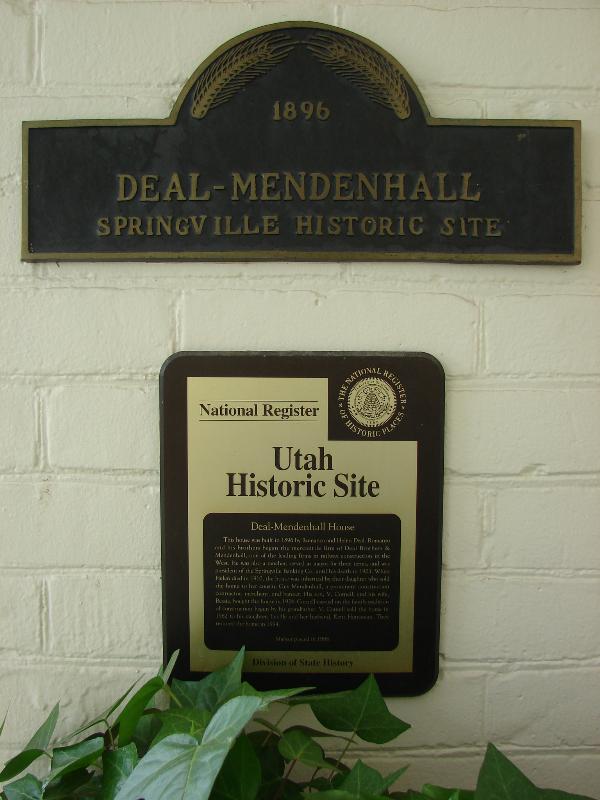
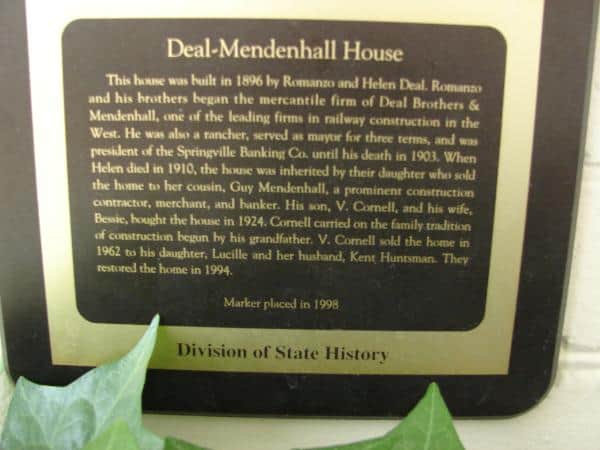
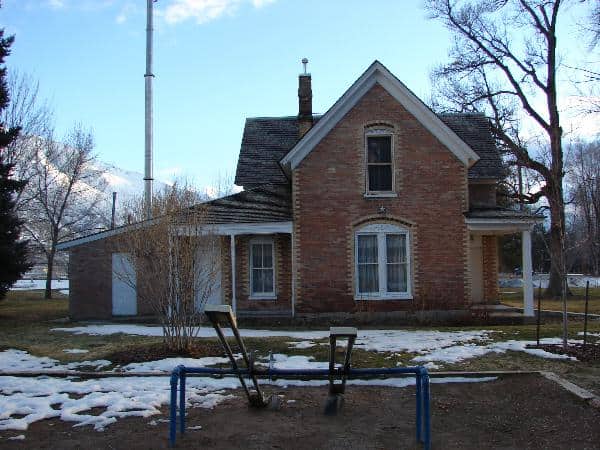
This Springville house was built in 1896 by Romanzo and Helen Deal. Romanzo and his brothers began the mercantile firm of Deal Brothers & Mendenhall, one of the leading firms in railway construction in the West. He was also a rancher, served as mayor for three terms, and was president of the Springville Banking Co. until his death in 1903.
When Helen died in 1910, the house was inherited by their daughter who sold the home to her cousin, Guy Mendenhall, a prominent construction contractor, merchant, and banker. His son, V. Cornell, and his wife, Bessie, bought the house in 1924. Cornell carried on the family tradition of construction begun by his grandfather. V. Cornell sold the home in 1962 to his daughter, Lucille and her husband, Kent Huntsman. They restored the home in 1994.
On July 29, 1776, Fathers Dominguez and Escalante with their party of 10 left Santa Fe, New Mexico, to find a new route to Monterey, California. After nearly 1000 miles they and their two native guides reached the mouth of Spanish Fork Canyon on Sept. 23, 1776. They climbed a hill and caught sight of the lake and spreading valley rimmed by Yuta Timpanogotzis Indian villages. They named it the Valley And Lake Of Our Lady Of Mercy Of The Timpanogotzis. They stayed in the valley four days meeting with the Indians and teaching them about Christianity and their salvation.
The hill the Padres climbed to see the valley was dedicated as Dominguez Hill 200 years later in 1976. A 37 Ft. high cross was erected on that hill and dedicated In 1981. The hill and cross can be seen by looking in a S-SW direction or by using the viewer. The cross is on private property and is not accessible.
There is a historic Marker and some pipes set to look through and see the cross set up in 1981.
Just north of 7200 South street, on the west side of State Street, stood Travelers’ Rest, or Traders’ Rest, the first pony express station out of Salt Lake City. This station was probably used only for a short time, and no evidence of its existence can be found at the site. The location is marked by a granite marker placed by the Pony Express Trail Association.
Richard F. Fike and John W. Headley locate this first station site west of Salt Lake City nine miles south of the Salt Lake House. The station once stood on State Street in an area referred to as Lovendahl’s Corner. Some sources generally identify this first relay station as Trader’s Rest or Traveler’s Rest. The 1861 mail contract identified Trader’s Rest Station, where Absalom Smith managed station operations. After the Pony Express era, someone added wood siding and a false front to the adobe building to convert it into a business establishment. The building was also used as a garage prior to its destruction sometime before 1979.
Randolph lies in the shadow of the Crawford Mountains against the western foothills of the Upper Bear River between two creeks, Big Creek on the south and Little Creek on the north. In answer to a call from the general authorities of The Church of Jesus Christ of Latter-day Saints, Randolph H. Stewart and others arrived in the Bear River Valley March, 1870. One week later, Apostle Charles C. Rich and Company came. They surveyed the town and named it Randolph, in honor of the first Bishop, Randolph H. Stewart. Many others soon followed and by the spring of 1871 Randolph was a thriving town, having established a post office, store, blacksmith shop and sawmill. These early settlers were men and women with courage and fortitude ready to brave the severe climate and hardships. Progression has continued with the coming of electricity, the water system, modern communications and transportation. From the one-room schoolhouse, education continues with the latest technology and modern facilities. The cattle and sheep industries have sustained many families throughout the years. The stately tabernacle, dedicated July 26, 1914, depicts the faith of the early settlers. This devotion is evident today as men and women serve missions throughout the world. As the need to defend our freedom has arisen. many have responded to the call of our country … some having made the supreme sacrifice.
We salute those who have contributed to the development of this community. They are men and women of foresight and dedication … all desiring to establish an abundant life for now as well as for future generations!
“The last rail is laid. The spike is driven. The Pacific Railroad is completed.” Here at Promontory, Utah at 12:47 p.m. on May 10, 1869 the driving of a golden spike completed the first transcontinental railroad climax of a dramatic railroad-building race between the Union Pacific building from the east and the Central Pacific building from the west. This event symbolized attainment of a long sought goal – a direct transportation route to the Pacific Ocean and the China trade and it achieved the great political objective of binding together by iron bonds the extremities of continental United States. A rail link from ocean to ocean.”
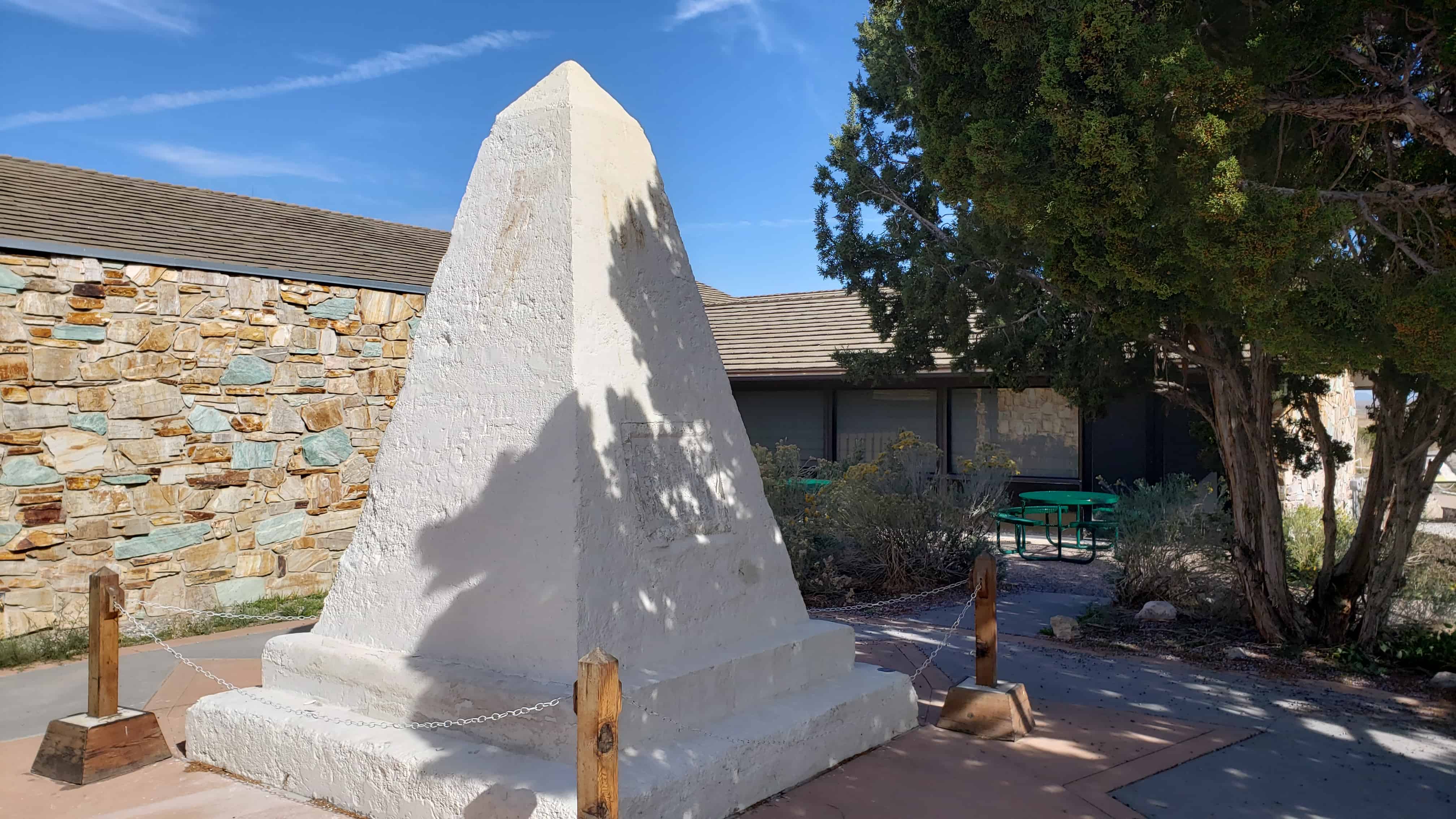
In 1954, the National Park Service assumed ownership of the aging monument, which had been damaged by years of weathering and vandalism. The interior had also been severely damaged by ground water that had wicked up into the monument through its buried base. Early restoration attempts unintentionally contributed to the damage by using materials that did now allow for evaporation of water trapped inside the monument. Based on state of the art technology, the National Park Service began a new repair process in 2001.
Removing the concrete monument from the ground to prevent further moisture absorption and allowing it to dry.
Transferring the monument to its present location.
Replacing old stucco, paint, and patches with a new breathable masonry coating.
Protecting the monument through regularly scheduled maintenance.
Significance of the Monument
In 1916, the Southern Pacific Railroad (formerly the Central Pacific Railroad) placed the monument near the site where the nation’s first transcontinental railroad was completed. For decades, it stood there, a lonely reminder of the driving of the last spike on May 10, 1869 at Promontory Summit, Utah Territory. Today, the handsomely restored monument remains an icon of westward expansion, the settlement of northern Utah and commemorates an historic event that transformed America.
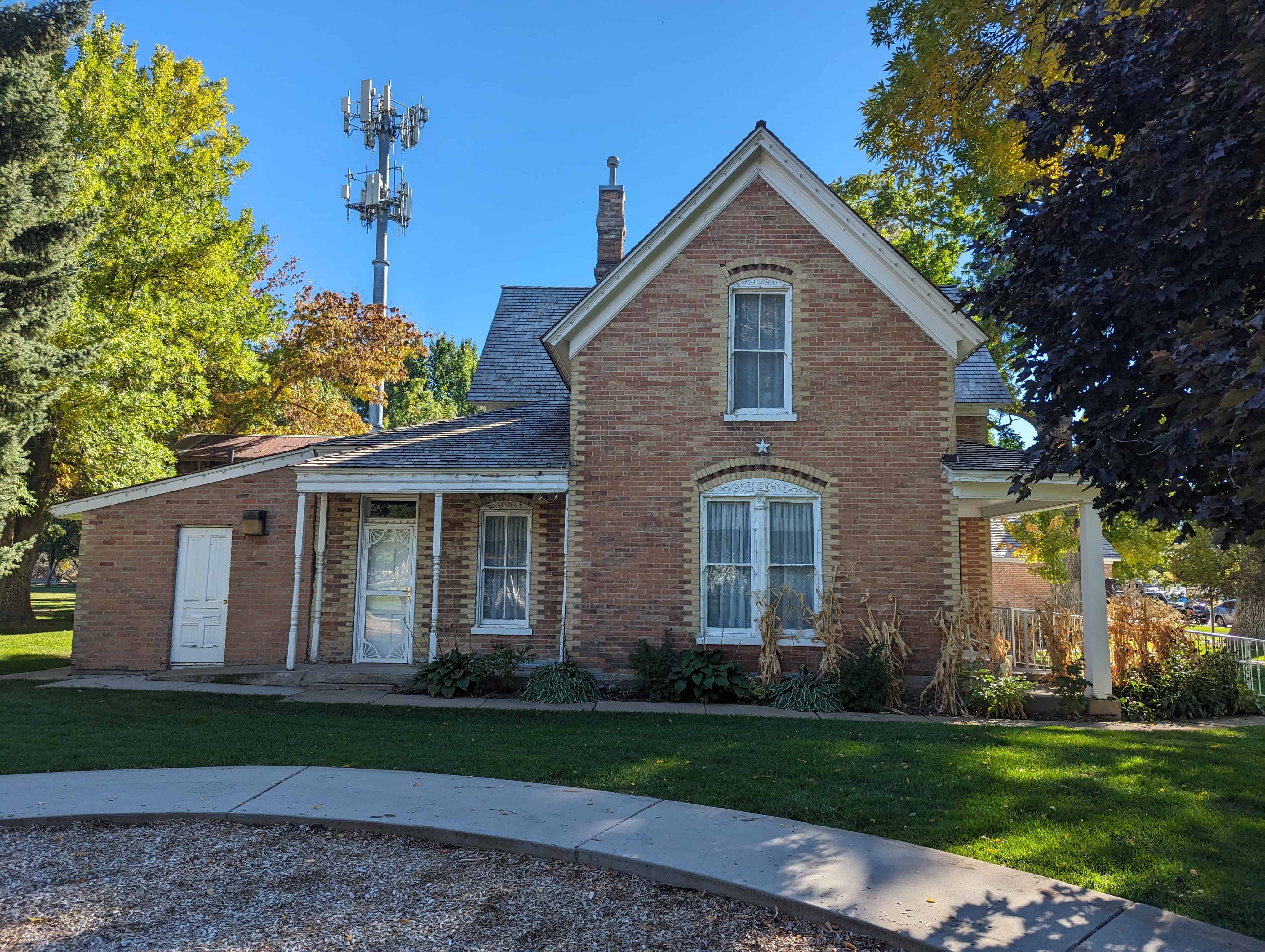
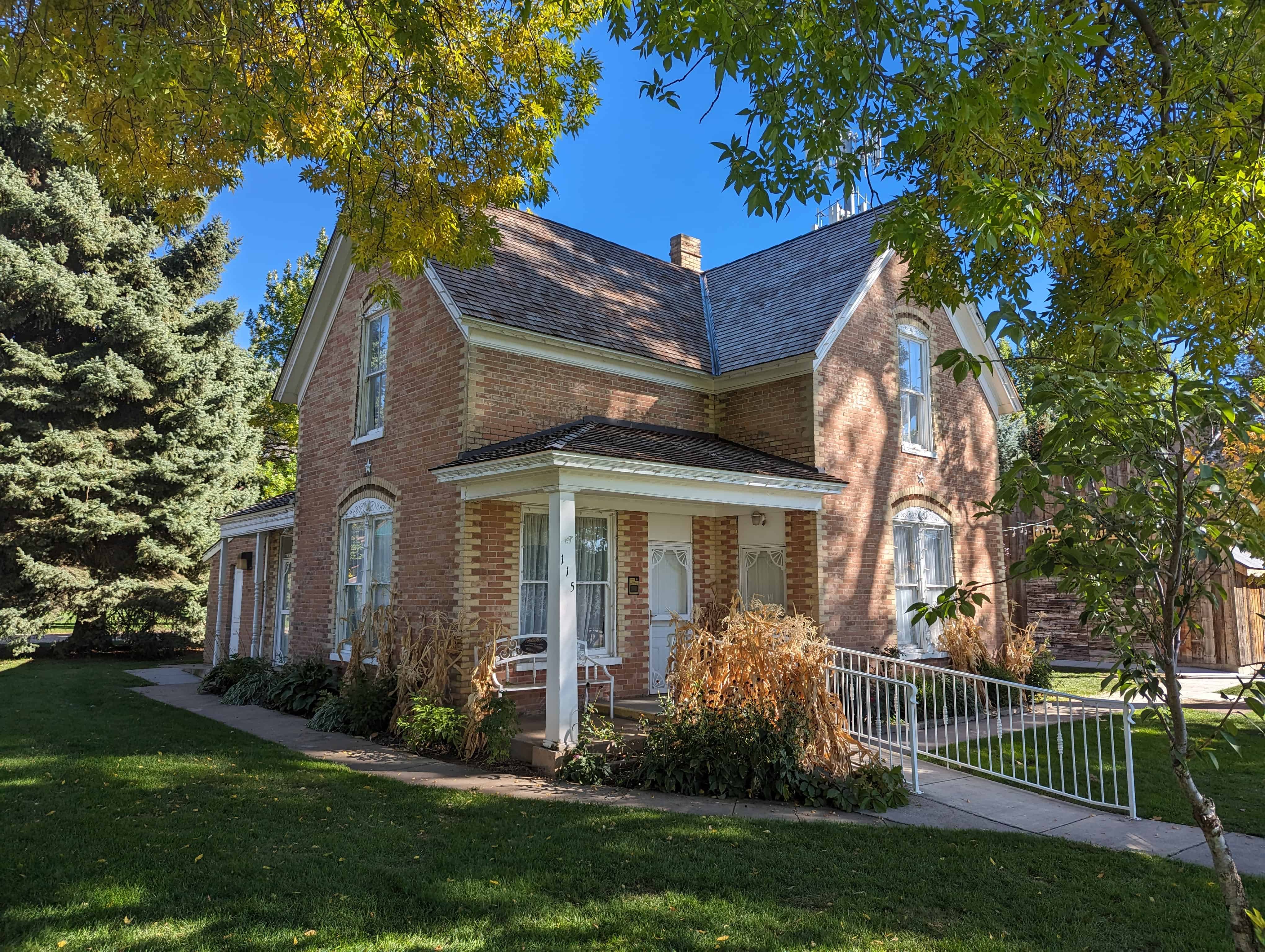
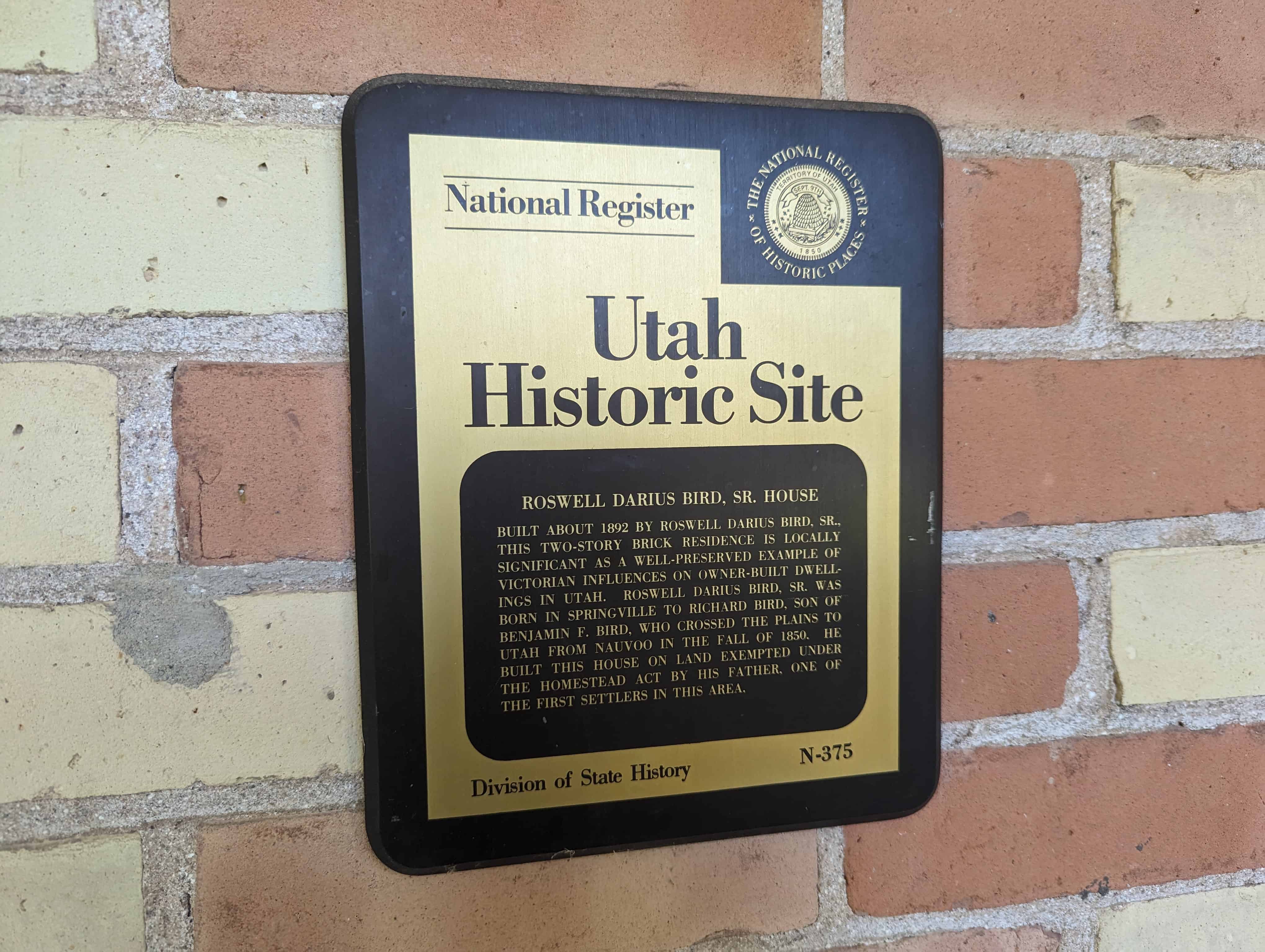
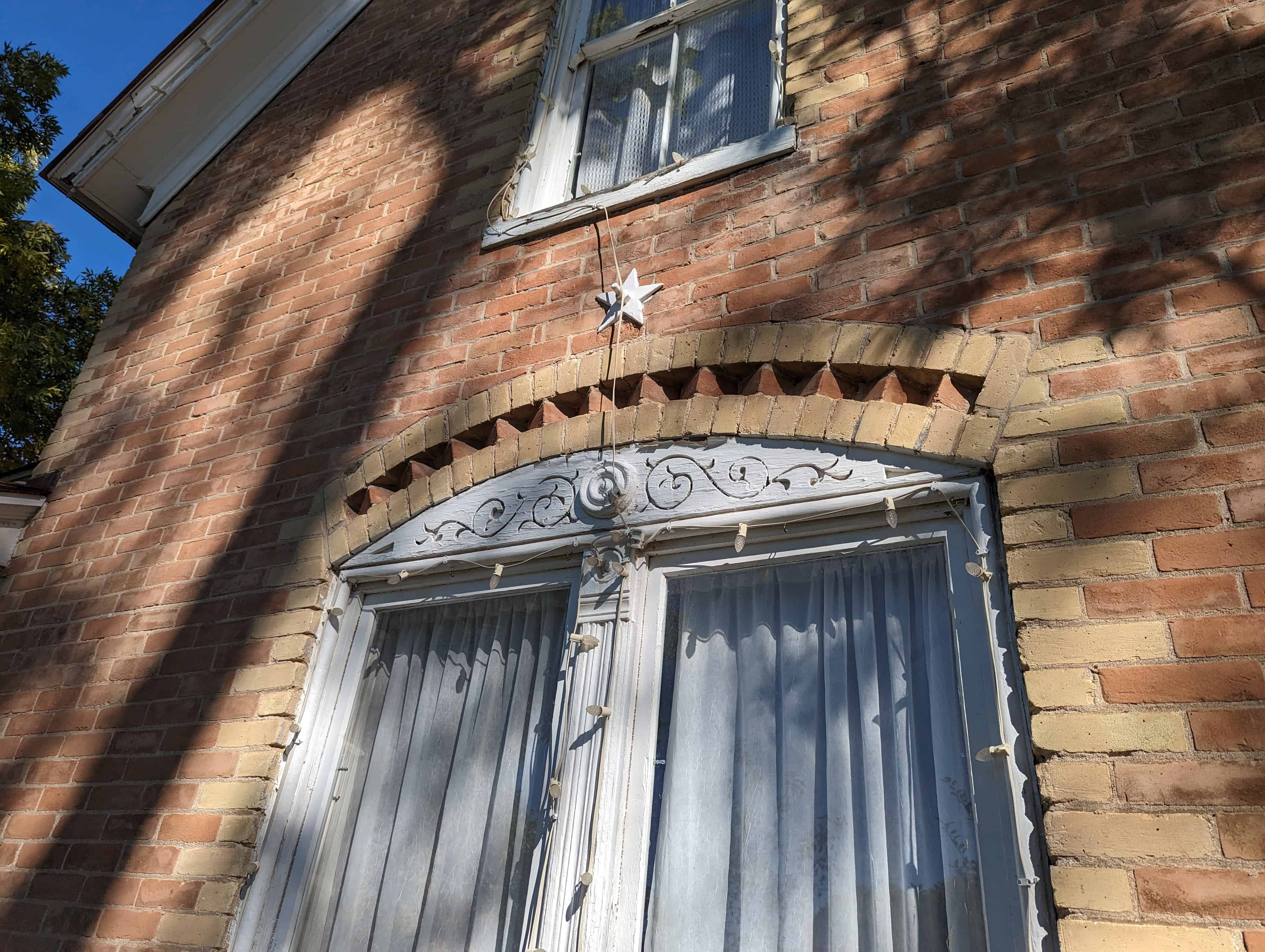
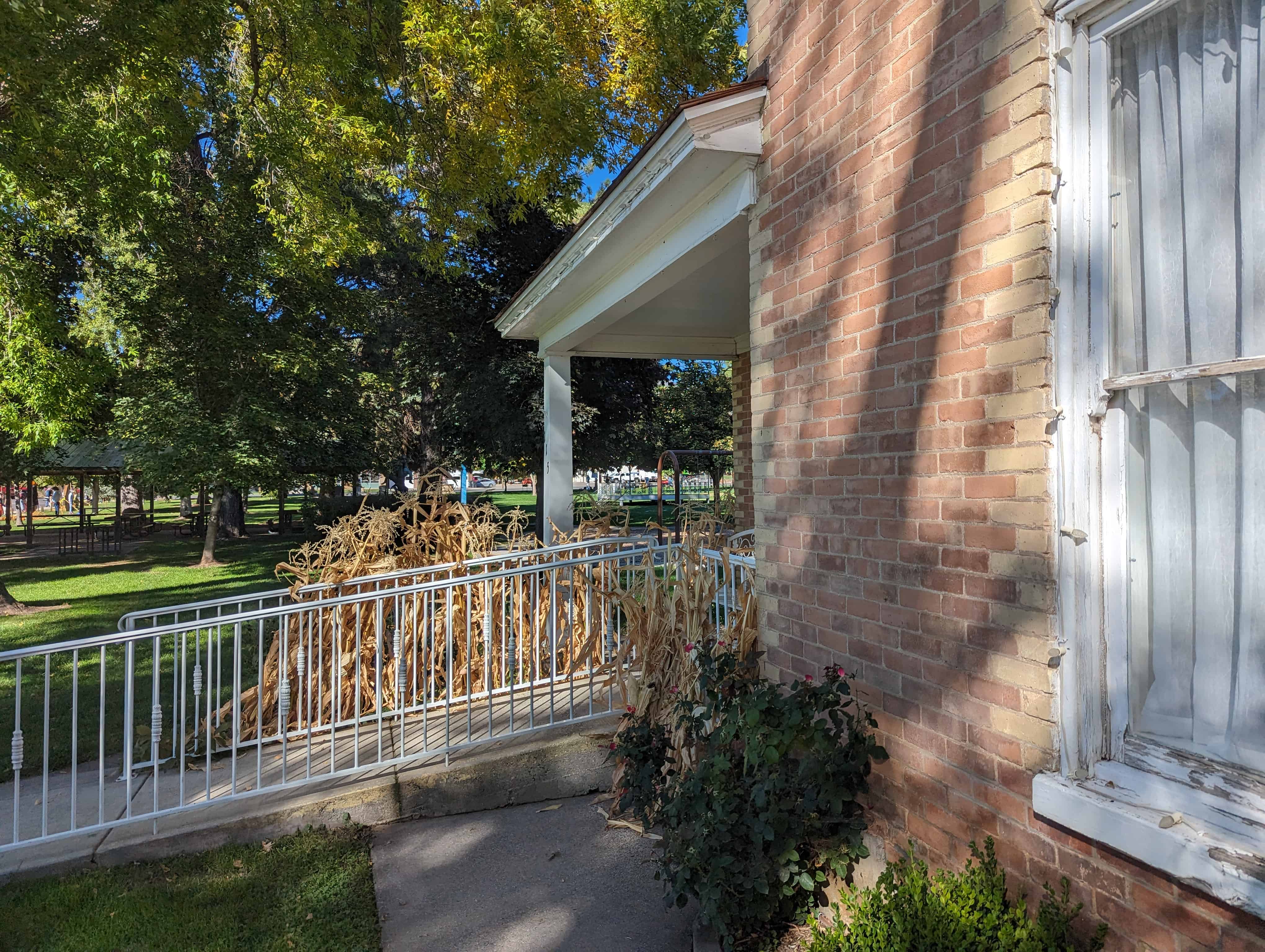
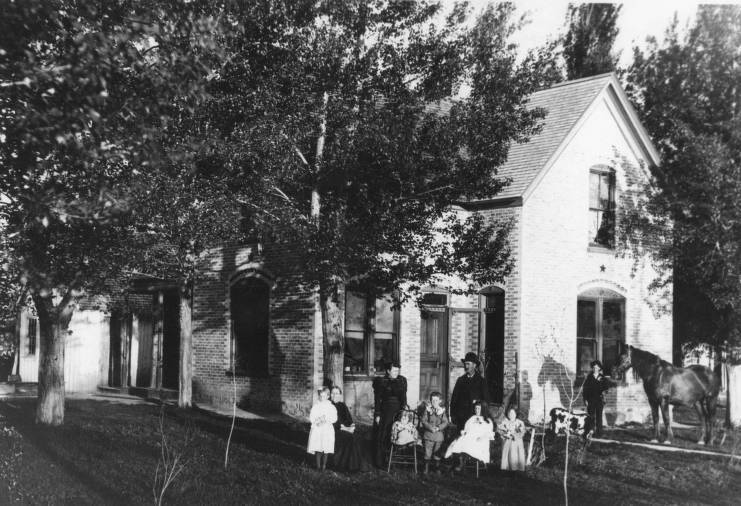
Built about 1892 by Roswell Darius Bird, Sr., this two-story brick residence is locally significant as a well-preserved example of Victorian influences on owner-built dwellings in Utah. Roswell Darius Bird, Sr. was born in Springville to Richard Bird, son of Benjamin F. Bird, who crossed the plains to Utah from Nauvoo in the fall of 1850. He built this house on land exempted under the Homestead Act by his father, one of the first settlers in the area.
Roswell, on returning to Springville, found his childhood sweetheart, Evaline Steel. They were married on October 6, 1880 in Salt Lake City at the home of Daniel H. Wells. Their first home was in Springville.
Roswell spent most of the next two years away from home working on the railroad. While he was away his father, Richard, went to “Union Bench” and took up land. He gave each of his son’s 10 acres. Roswell got the ground where the Mapleton Park is. They finally owned 100 acres. The ballpark is some of it. He owned 10 acres where the Beck’s home is also.
Roswell sold his home in Springville and came to Mapleton. They were among some of the first settlers in Mapleton. They built a two-room log house, called the “frame home” and later called the “summer kitchen” as they used it to cook in the summer.
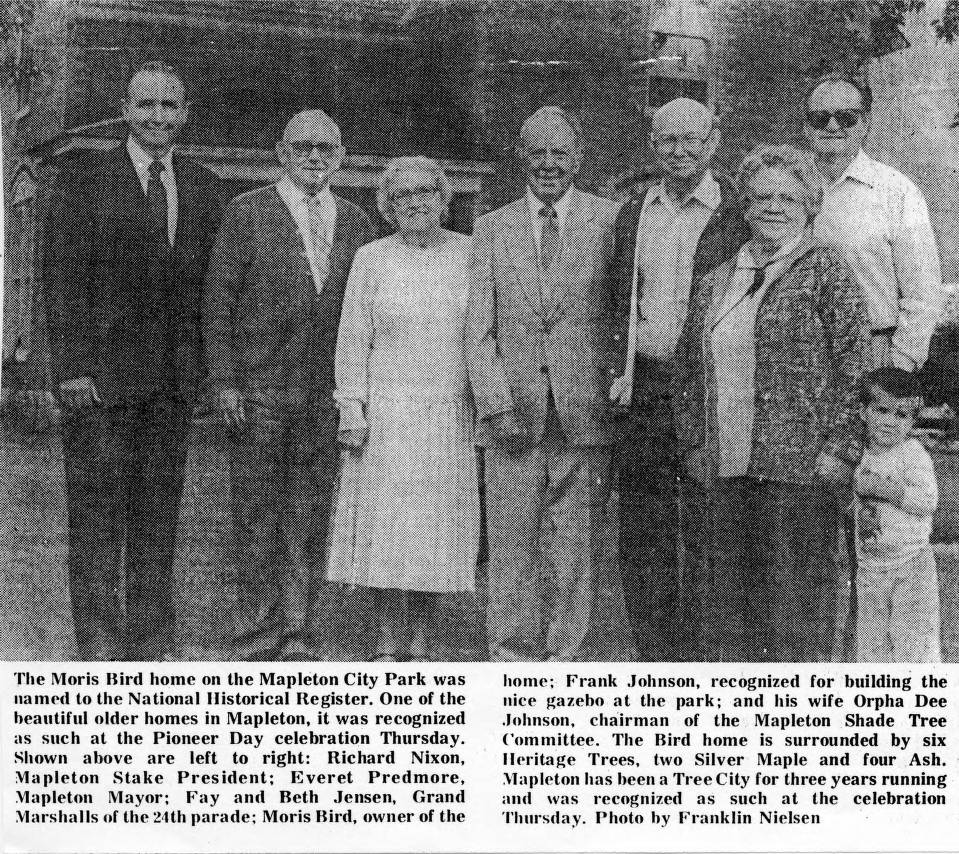
Having been blessed with seven lovely children, the two-room house was replaced with a seven-room brick home at 65 South Center, in 1892. It is now on the Utah Historical Homes Register. It is constructed of red sand brick with white brick trim around the windows, door and at the corners. There are two steel beams that run through to hold it together. The trees surrounding the home are Silver Maple and White Ash. They were planted at the time the house was built. They are now designated as Heritage Trees.
In 1903 Roswell was called on a mission to the Central States. This call was gladly accepted, although it worked quite a hardship on the family. After he was there eleven months, his four-year-old daughter died with scarlet fever. Four other members of his family were seriously ill with the same disease. Roswell returned home with an honorable release. President Smith said his place was at home.
Evaline made all her own carpets, pillows, and feather beds. It was the girls’ task each night after school to sew a ball of carpet rags. By spring they would have enough for one room. One of the rooms still has the same wallpaper from when the house was built.
Duck picking was one of the tasks they did about every six weeks. A tub was placed in the middle of the room. Each one gathered around and picked all the feathers off. If the duck wasn’t held just so it often flapped its wings, sending feathers every which way. Soap was also made at home. It was the only soap they had for clothes, hair, hands and bath.
One of the yearly events that were outstanding was the traveling theater troupe, which for one week put on the latest and most popular plays. These troupes always stayed at the Birds.
A town hall was very badly needed so Roswell gave the ground on the park for a new town hall.
After the death of Roswell, Evaline moved to Provo to be near her three unmarried daughters. They had jobs in Provo. After the girls were married, she moved back to Mapleton. Roswell, Jr. lived in the two north rooms and Evaline had the two south rooms. A bath was added in the middle, which they both used, and the porch on the front was added.
After Evaline died, Floyd, son of Roswell, Jr., lived in the house. When Floyd died, Floyd’s son, Dwayne, lived in it, and then his son, Ronald, lived in it for a while. It is now owned by Morris Bird, a son of Roswell, Fr. Morris has added another bath and a kitchen, and arches between some of the rooms were made. Morris has also fixed a furnace in it. The north side is fixed so a library can be made for the town. This home is currently the Mapleton Historic Museum that under renovation.
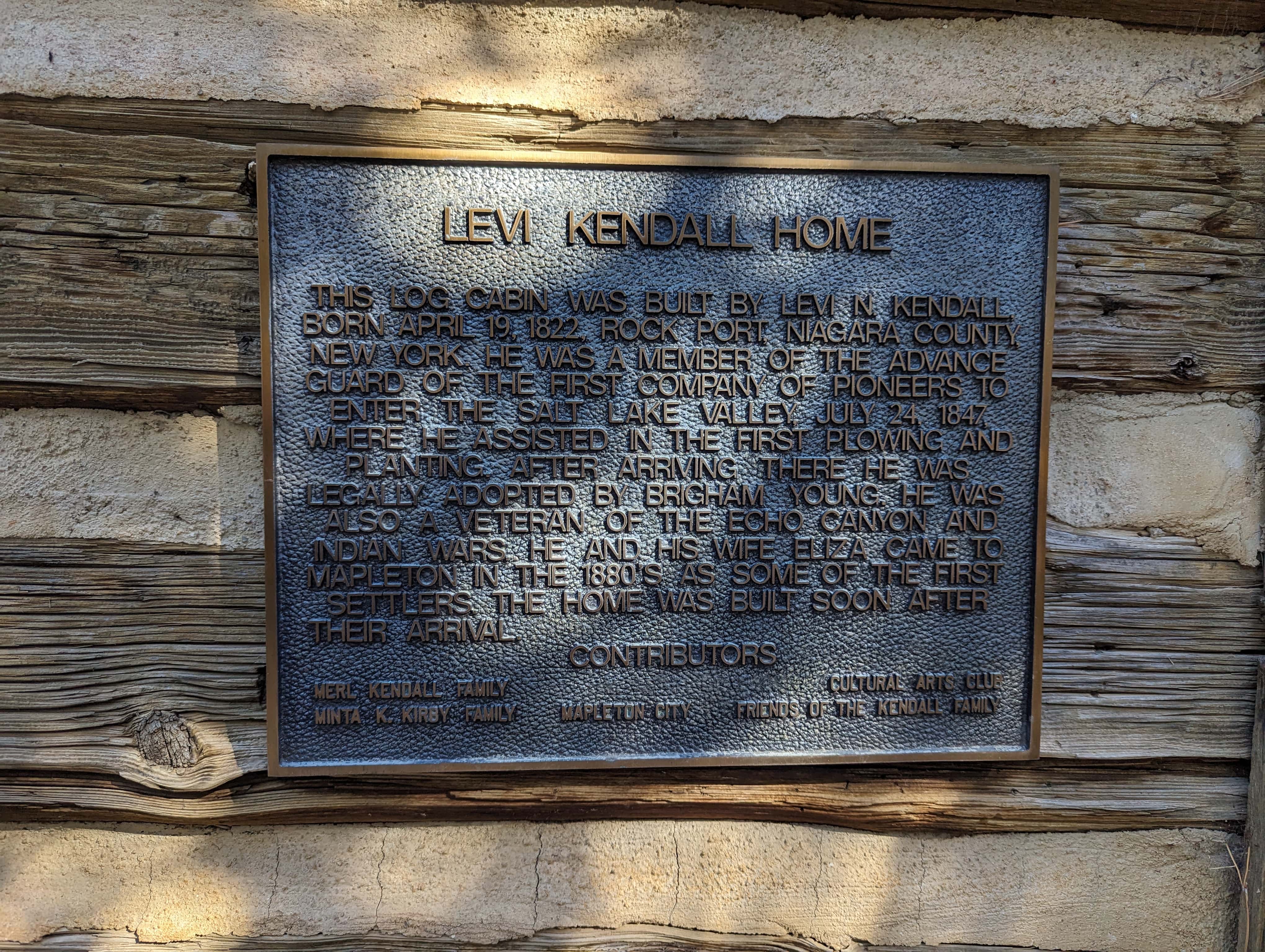
This log cabin was built by Levi N. Kendall, born April 19, 1822, Rock Port, Niagara County, New York. He was a member of the Advance Guard of the first company of pioneers to enter the Salt Lake Valley, July 24, 1847, where he assisted in the first plowing and planting. After arriving there he was legally adopted by Brigham Young. He was also a veteran of the Echo Canyon and Indian Wars. He and his wife Eliza came to Mapleton in the 1880’s as some of the first settlers. The home was built soon after their arrival.
Levi Kendall was a member of the advance guard of the First Company of Pioneers to enter the Salt Lake Valley, July 24, 1847. He assisted in the first plowing and planting after he arrived there. Levi was legally adopted by Brigham Young and was a veteran of the Echo Canyon and Indian Wars.
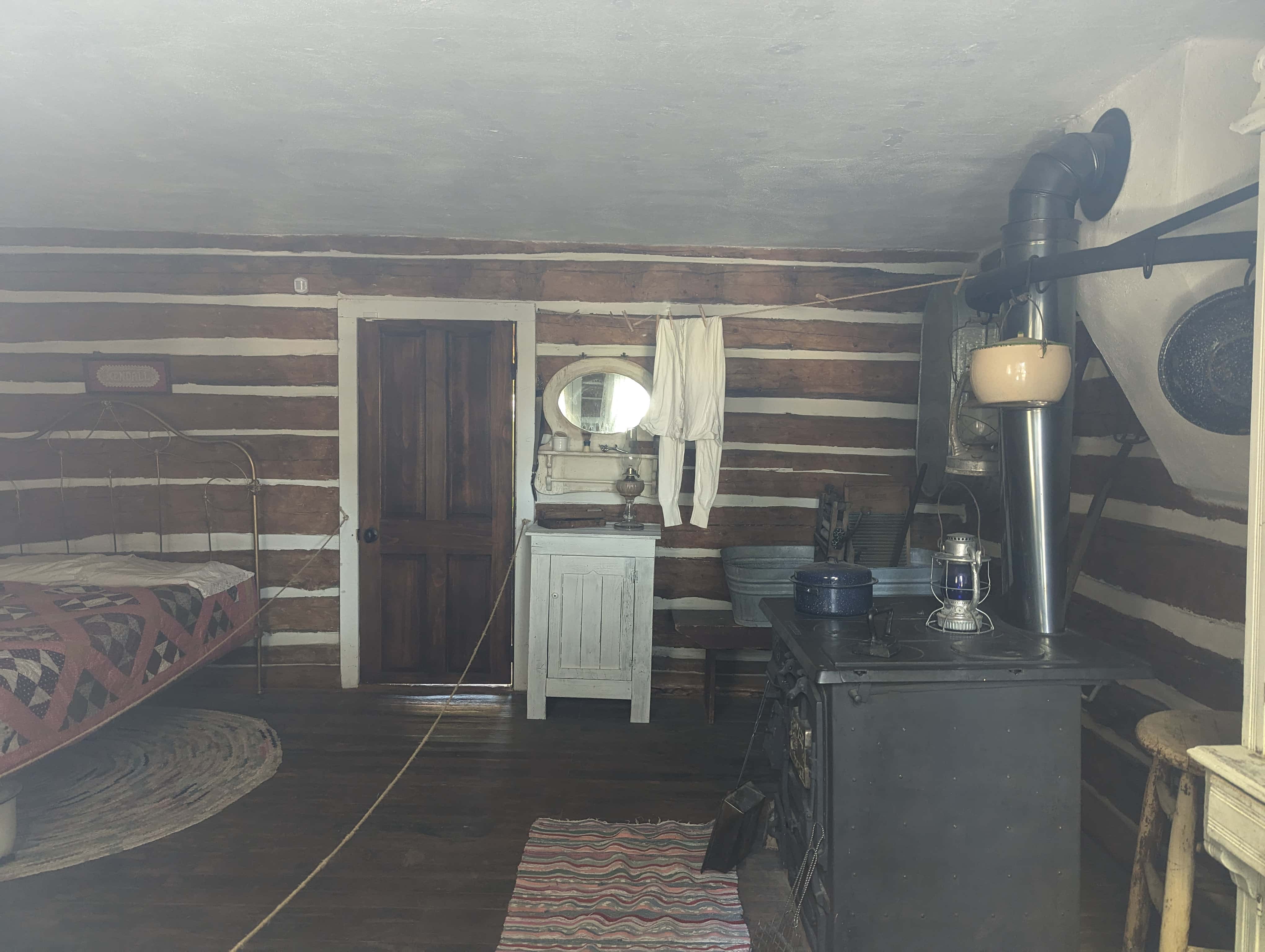
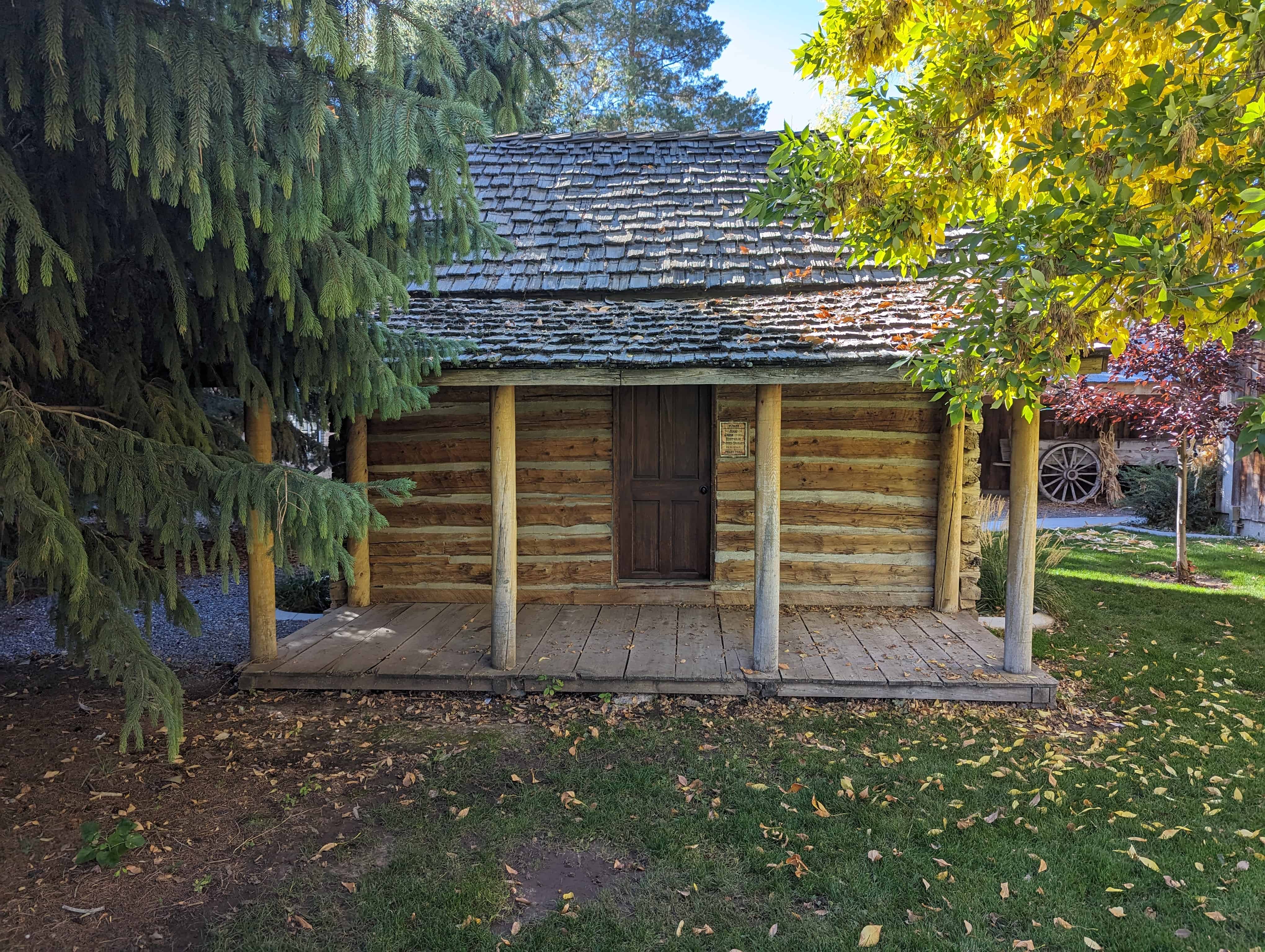
He and his wife, Eliza, came to Mapleton in the 1880’s, as some of the first settlers. The home was built soon after their arrival to Mapleton, which was then called Union Bench. Morris Bird bought the log house and had it moved over by the Roswell Bird home, as it reminded him of the log cabin that was on the Bird property. He built a cement foundation for it to be put on. This cabin was built originally at 560 West 1600 North in Mapleton. Morris lived in the cabin during the summers.
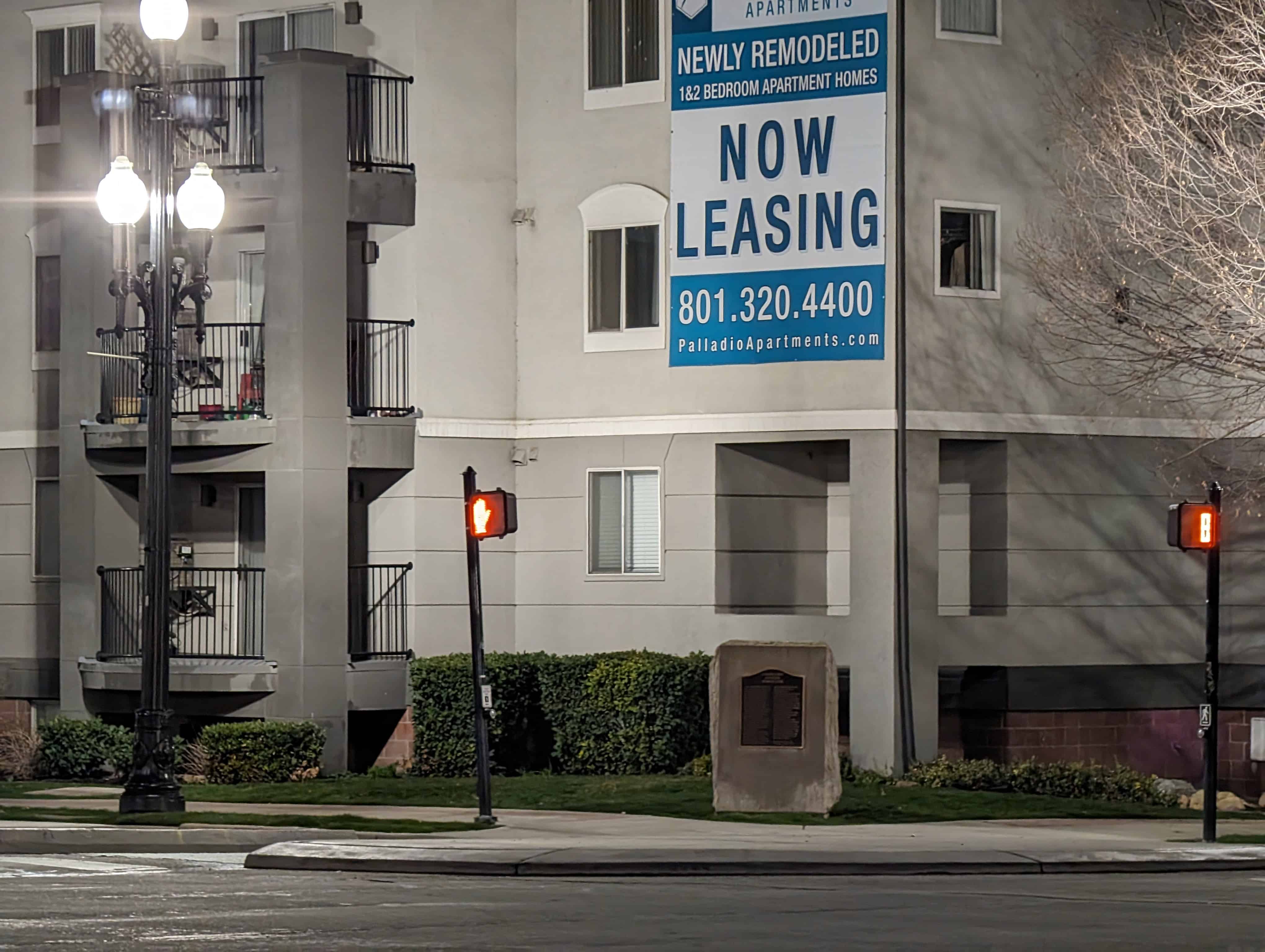
Utah’s first pioneer burial site marker, on the south-west corner of 3rd south and 2nd west.
This historic marker is located at 360 S 200 W in Salt Lake, on the SW corner of 200 W 300 S.
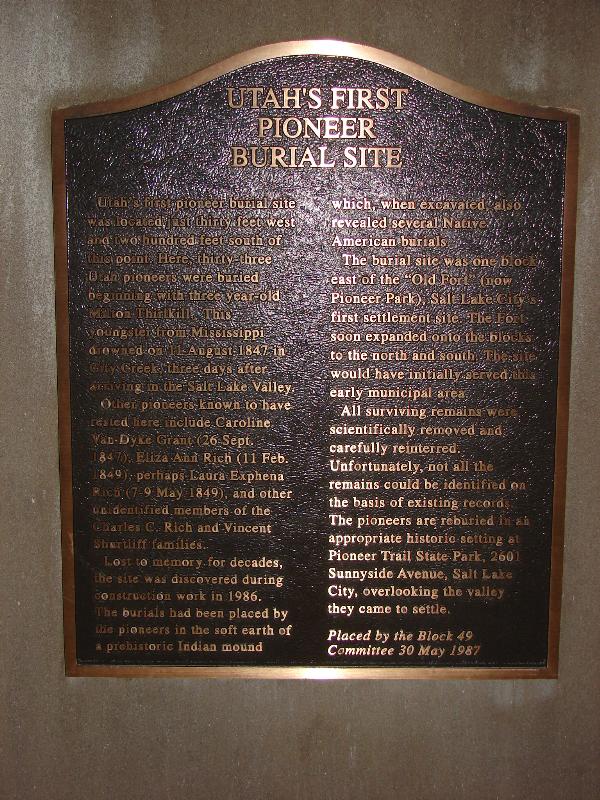
Utah’s first pioneer burial site was located just thirty feet west and two hundred feet south of this point.
Here, thirty-three Utah pioneers were buried beginning with three year-old Milton Thirlkill. This youngster from Mississippi drowned on 11 August 1847 in City Creek, three days after arriving in the Salt Lake Valley.
Other pioneers known to have rested here include Caroline Van Dyke Grant (26 Sept. 1847), Eliza Ann Rich (11 Feb. 1849), perhaps Laura Exphena Rich (7-9 May 1849), and other unidentified members of the Charles C. Rich and Vincent Shurtliff families.
Lost to memory for decades, the site was discovered during construction work in 1986. The burials had been placed by the pioneers in the soft earth of a prehistoric Indian mound which, when excavated, also revealed several Native American burials.
The burial site was one block east of the “Old Fort” (now Pioneer Park), Salt Lake City’s first settlement site. The Fort soon expanded onto the blocks to the north and south. The site would have initially served this early municipal area. All surviving remains were scientifically removed and carefully reinterred. Unfortunately, not all the remains could be identified on the basis of existing records. The pioneers are reburied in an appropriate historic setting at Pioneer Trail State Park, 2601 Sunnyside Avenue, Salt Lake City, overlooking the valley they came to settle.