• About JacobBarlow.com
  • Cemeteries in Utah
  • D.U.P. Markers
  • Doors
  • Exploring Utah Email List
  • Geocaching
  • Historic Marker Map
  • Links
  • Movie/TV Show Filming Locations
  • Oldest in Utah
  • Other Travels
  • Photos Then and Now
  • S.U.P. Markers
  • U.P.T.L.A. Markers
  • Utah Cities and Places.
  • Utah Homes for Sale
  • Utah Treasure Hunt

JacobBarlow.com

~ Exploring with Jacob Barlow

JacobBarlow.com

Monthly Archives: November 2016

Rose Park, Utah

27 Sunday Nov 2016

Posted by Jacob Barlow in Uncategorized

≈ 18 Comments

Tags

Rose Park, Salt Lake City, Salt Lake County, utah

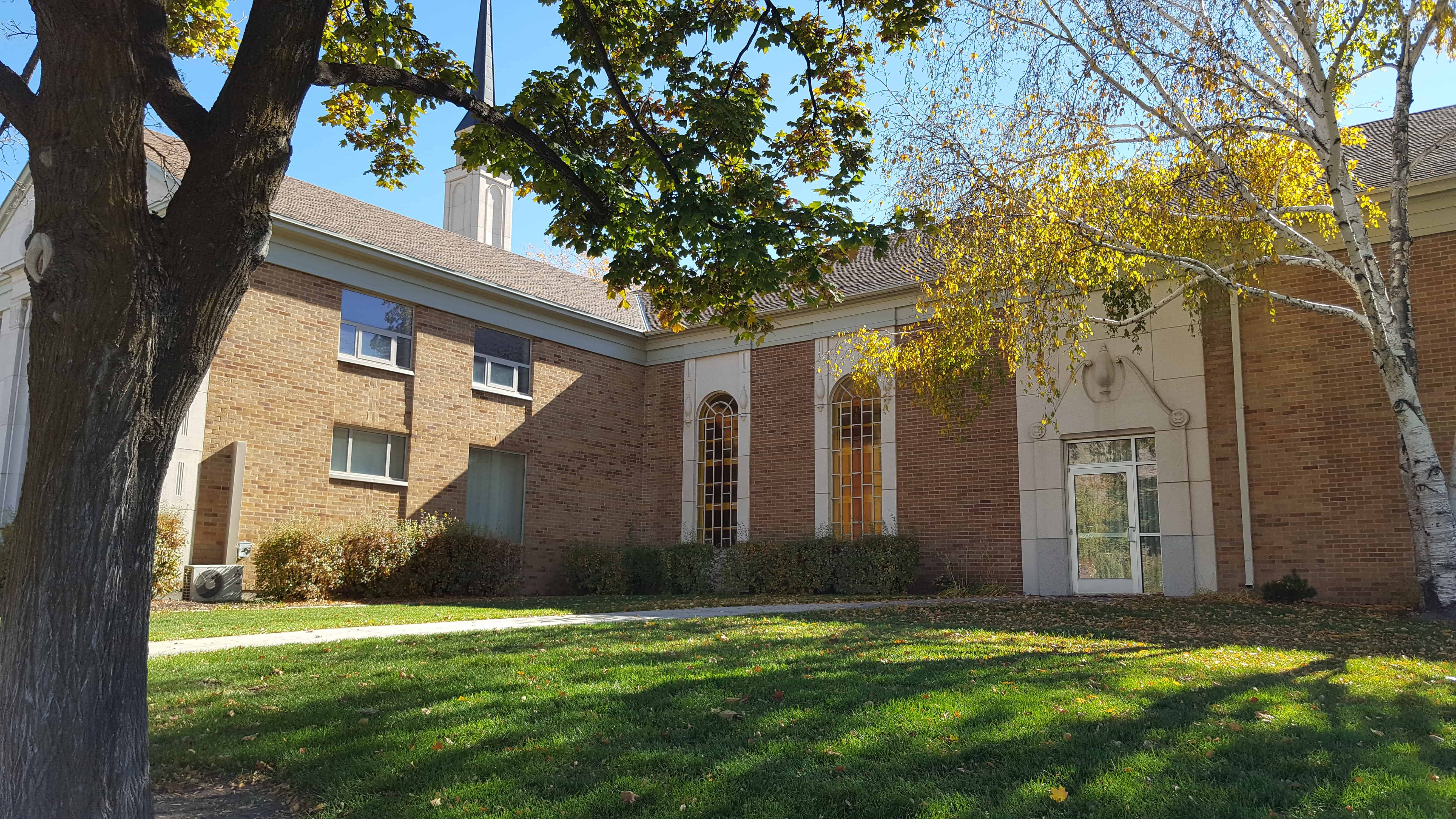
2016-10-23-17-00-36

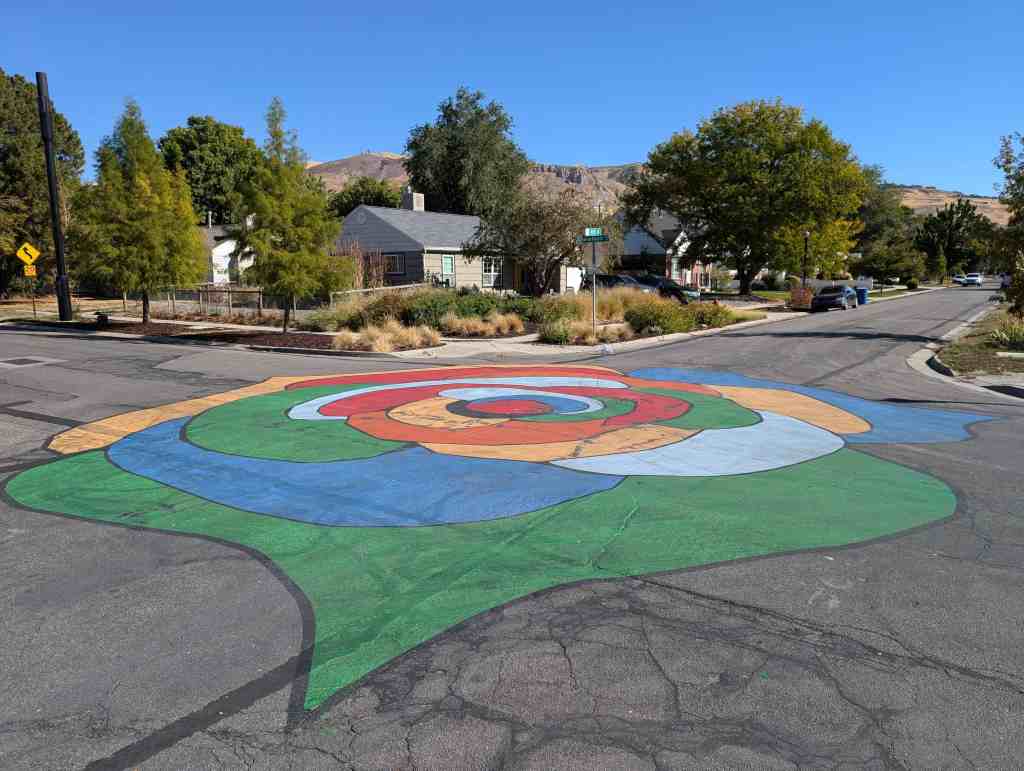
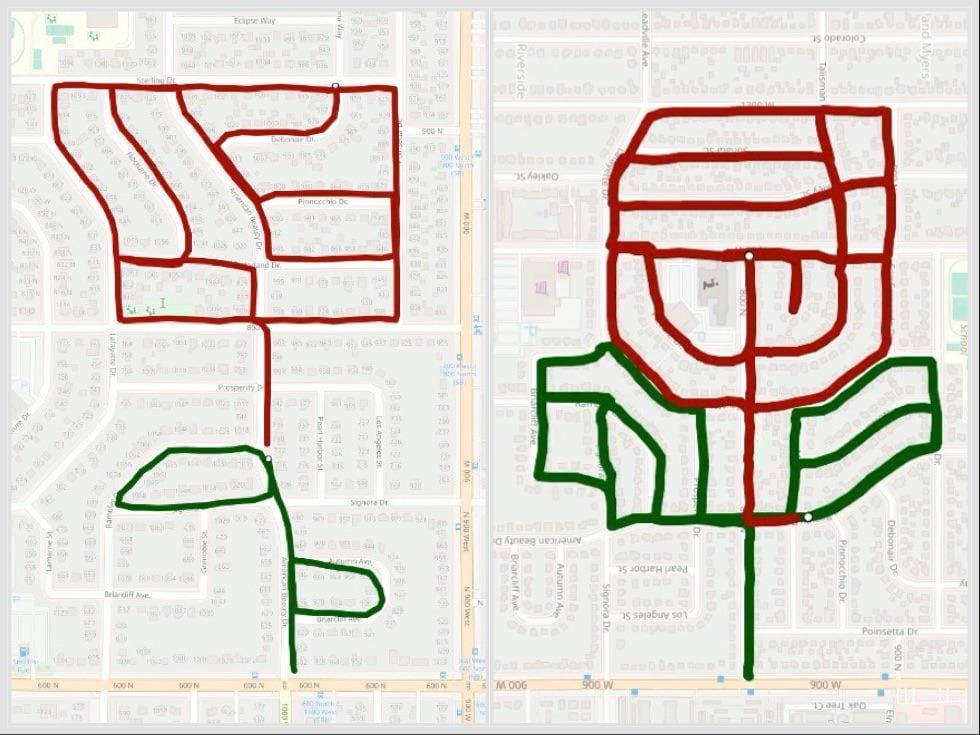
The Rose Park Neighborhood is a post-World War II development whose name comes from the area’s original developer, Alan E. Brockbank. Brockbank designed the streets layout to look like a rose when viewed from the air, with American Beauty Drive acting as a long rose stem.*
Rose Park: A Historical Overview (by Preservation Utah)
The Rose Park neighborhood began development in 1947, marking a significant chapter in Salt Lake City’s urban history. Four independent contractors- Edward Holmes, Howard Layton, Stayner Richards, and Alan E. Brockbank- orchestrated the original development, resulting in one of the city’s largest concentrations of affordable postwar housing. Characterized by small, simple brick and frame houses, Rose Park’s homes were designed to qualify for Federal Housing Administration loans, particularly benefiting returning veterans. This neighborhood is a testament to intentional community planning efforts that shaped suburban living in the postwar era.

The 1947 development plan was ambitious, laying out a ten-year vision that included high-density senior living, duplex rental units, a shopping center, churches, schools, and parks. Additionally, the planners embraced the newly proposed 1-15 freeway system, integrating it into the neighborhood’s layout.

Departing from Salt Lake City’s traditional grid, Rose Park’s streets were famously replatted into curvilinear roads. These roads were designed to evoke the shape of the neighborhood’s namesake flower, breaking up the monotony of the simple housing designs. Each street was named after a popular rose variety of the era, adding to the neighborhood’s unique charm.

Landscape architecture was a fundamental part of Rose Park’s initial development. Each street was assigned a tree variety to create a canopy, which has largely survived and now represents one of the densest tree covers on Salt Lake City’s westside. This thoughtful design has made Rose Park not just a place to live but a vibrant, cohesive community.

Places documented in Rose Park – sorted by address:

1000 North

  • 1105 W 1000 N – Rose Park Elementary
  • 1021 W 1000 N
  • 1017 W 1000 N
  • 1009 W 1000 N
  • 1003 W 1000 N
  • 999 W 1000 N
  • 991 W 1000 N
  • 985 W 1000 N
  • 979 W 1000 N

800 North

  • 1100 W 800 N
  • 1050 W 800 N – Joseph F. Steenblik Park
  • 1026 W 800 N – Harold and Margaret Tomlinson Home
  • 1025 W 800 N
  • 958 W 800 N
  • 946 W 800 N
  • 937 W 800 N

600 North

  • 1156 W 600 N
  • 1114 W 600 N
  • 1108 W 600 N
  • 1104 W 600 N

1200 West

  • 715 N 1200 W
  • 704 N 1200 W
  • 676 N 1200 W
  • 666-670 N 1200 W
  • 660 N 1200 W
  • 655 N 1200 W

Lafayette Drive

  • 1208 W Lafayette Dr
  • 1178 W Lafayette Dr
  • 1173 W Lafayette Dr
  • 1172 W Lafayette Dr
  • 1165 W Lafayette Dr
  • 1164 W Lafayette Dr
  • 1158 W Lafayette Dr
  • 1155 W Lafayette Dr
  • 1150 W Lafayette Dr
  • 1149 W Lafayette Dr
  • 1148 W Lafayette Dr
  • 1144 W Lafayette Dr
  • 1143 W Lafayette Dr
  • 927 W Lafayette Dr
  • 915 W Lafayette Dr
  • 914 W Lafayette Dr
  • 909 W Lafayette Dr
  • 908 W Lafayette Dr
  • 880 W Lafayette Dr
  • 876 W Lafayette Dr
  • 875 W Lafayette Dr
  • 872 W Lafayette Dr
  • 857 W Lafayette Dr
  • 854 W Lafayette Dr
  • 848 W Lafayette Dr
  • 843 W Lafayette Dr
  • 839 W Lafayette Dr
  • 835 W Lafayette Dr
  • 831 W Lafayette Dr
  • 823 W Lafayette Dr
  • 815 W Lafayette Dr
  • 812 W Lafayette Dr
  • 810 W Lafayette Dr
  • 764 W Lafayette Dr
  • 763 W Lafayette Dr
  • 758 W Lafayette Dr
  • 757 W Lafayette Dr
  • 754 W Lafayette Dr
  • 751 W Lafayette Dr
  • 743 W Lafayette Dr
  • 740 W Lafayette Dr
  • 739 W Lafayette Dr
  • 736 W Lafayette Dr
  • 730 W Lafayette Dr
  • 729 W Lafayette Dr
  • 725 W Lafayette Dr
  • 724 W Lafayette Dr
  • 717 W Lafayette Dr
  • 716 W Lafayette Dr
  • 711 W Lafayette Dr
  • 710 W Lafayette Dr
  • 706 W Lafayette Dr
  • 705 W Lafayette Dr
  • 702 W Lafayette Dr
  • 701 W Lafayette Dr
  • 691 W Lafayette Dr
  • 690 W Lafayette Dr
  • 689 W Lafayette Dr

Signora Drive

  • 1019 W Signora Dr
  • 1020 W Signora Dr
  • 1028 W Signora Dr
  • 1029 W Signora Dr
  • 1034 W Signora Dr
  • 1042 W Signora Dr – Victor and Faye Guercio Home
  • 1048 W Signora Dr
  • 1055 W Signora Dr
  • 1056 W Signora Dr
  • 1062 W Signora Dr
  • 1063 W Signora Dr
  • 1067 W Signora Dr
  • 1068 W Signora Dr
  • 1077 W Signora Dr

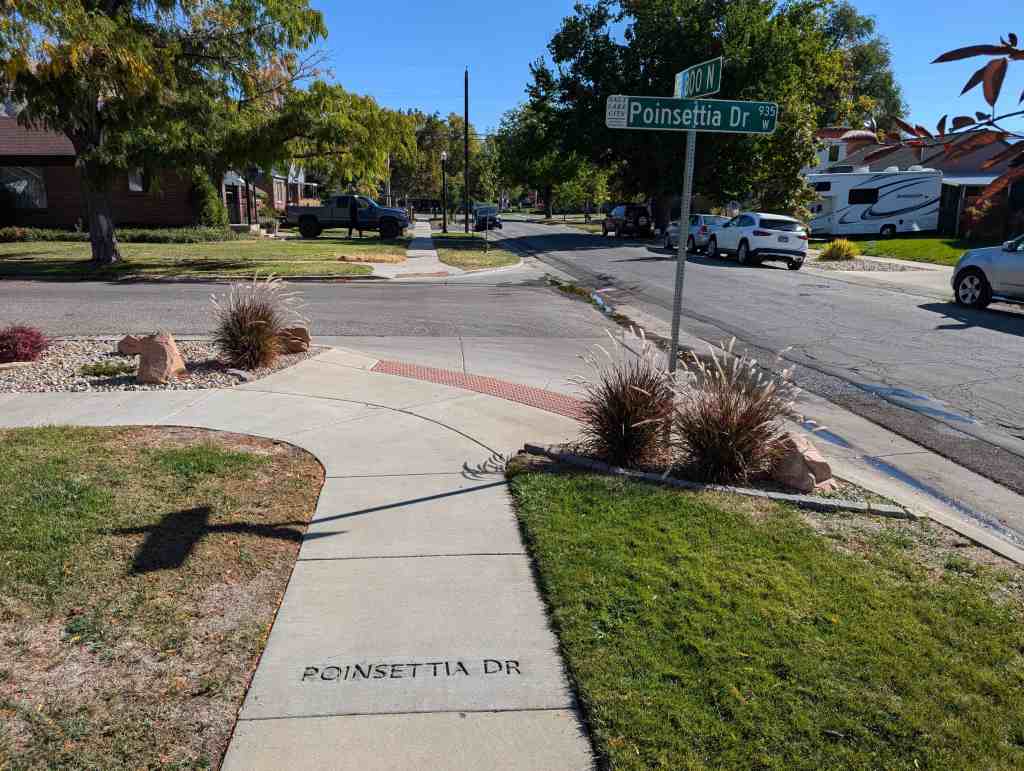
Poinsettia Drive

  • 890 N Pointsettia Dr
  • 889 N Pointsettia Dr

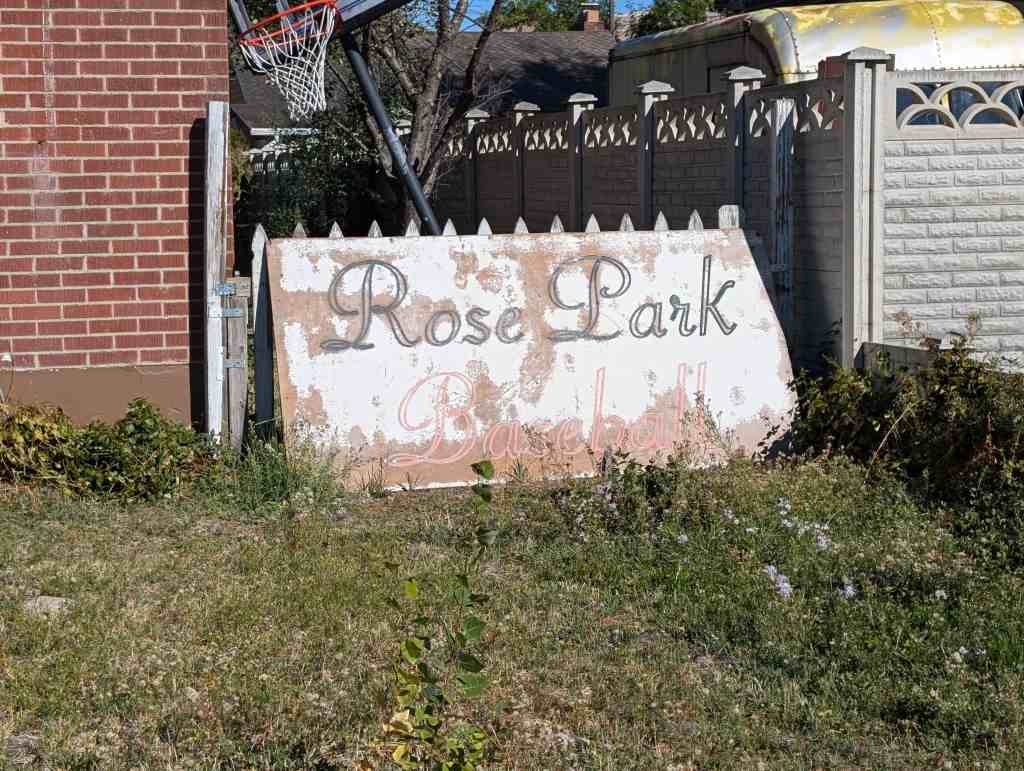
“Old Rose Park” was built in 1947-1950s and covered the area between current 600 North and 1000 North, North of 1000 North was called “New Rose Park” by those in “Old Rose Park” even though it was still part of Rose Park – not to be confused with an actual neighborhood named “New Rose Park” build in the 1950s west of the golf course and Redwood Road and roughly between 1100 North and 1500 North.

Older records can confuse because of Salt Lake City’s renaming of streets in the 1970s, 5th North became 600 North, for example.
Below are two options of the rose pattern by Bryant Heath:
Honor thy Father and Thy Mother

27 Sunday Nov 2016

Posted by Jacob Barlow in Uncategorized

≈ 1 Comment

Tags

Historic Markers, Salt Lake City, Salt Lake County, SUP, Temple Square, utah

2016-10-23-13-52-32

Honor thy Father and Thy Mother

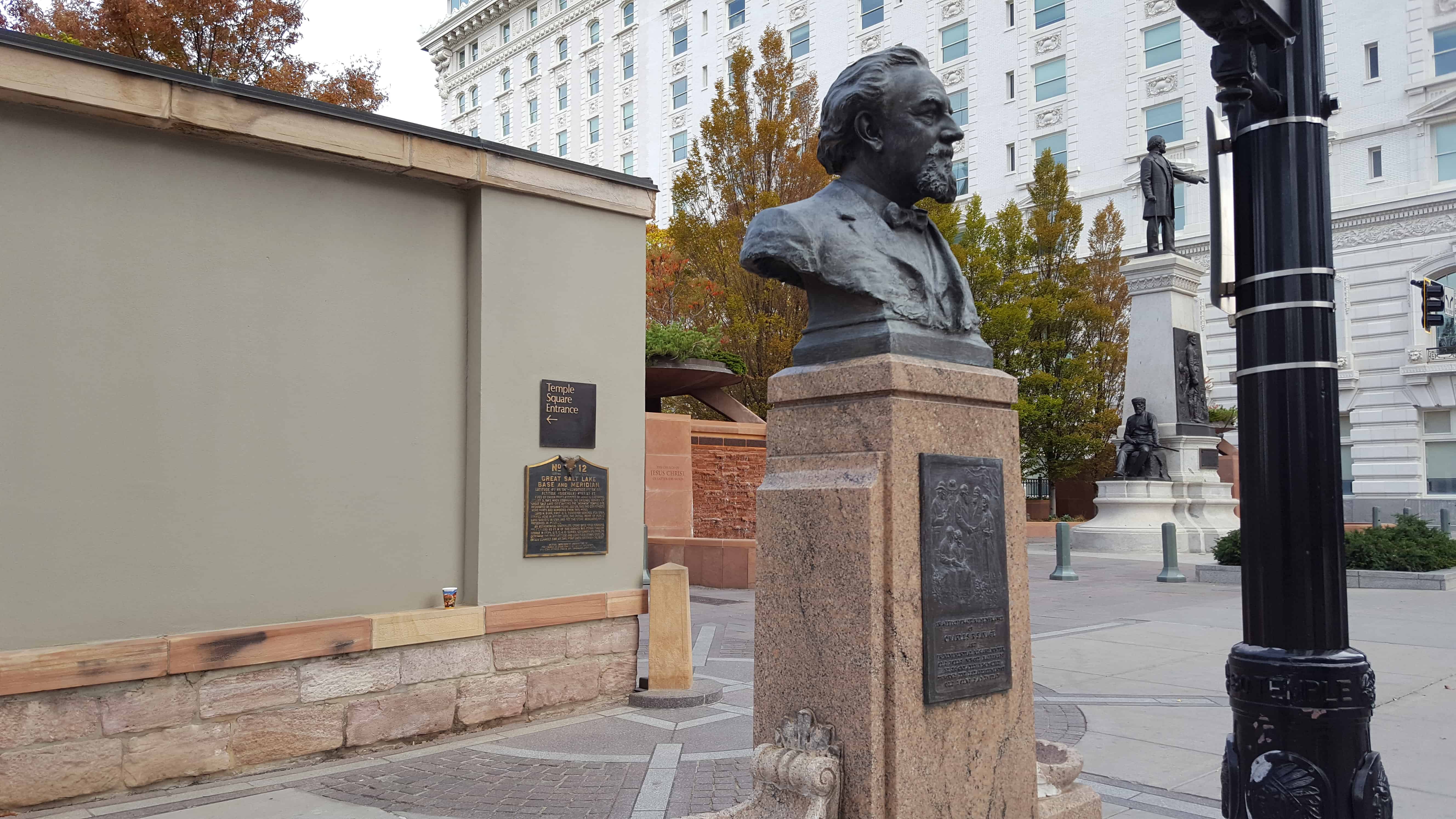
Old Folks Day was inaugurated in Salt Lake City in 1875, by Charles R. Savage, assisted by Edward Hunter, Presiding Bishop of the Church of Jesus Christ of Latter-day Saints, and George Goddard, since which time all persons seventy or more years of age have been honored at an annual celebration in nearly every community in Utah. Travel, refreshment and entertainment are free. (Gilbert Griswold So.)

See other historic markers in the series on this page for UPTLA/SUP Markers.

The Jail House

27 Sunday Nov 2016

Posted by Jacob Barlow in Uncategorized

≈ 1 Comment

Tags

Historic Buildings, jails, St. George, utah, Washington County

2013-04-06-19-24-49

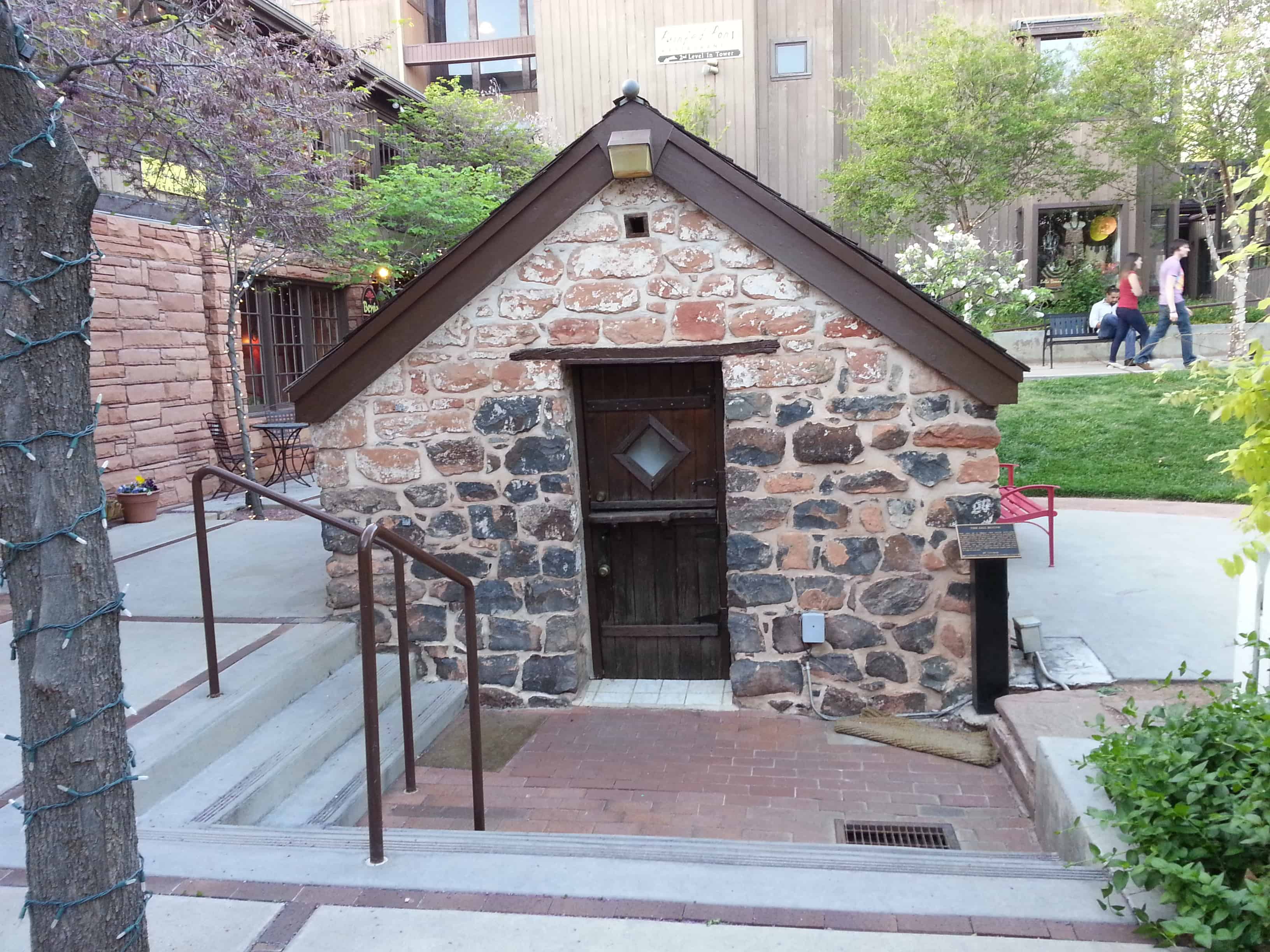
The Jail House

The jail is a small one room building constructed from black lava rock gathered in the nearby foothills.  The exact date of construction is not known, however, it is assumed to be built by Sheriff Hardy around 1880.  Though used as a granary after the new County Jail was built in the late 19th century, it was apparent that it at one time was a jail in that the original bars are still in the windows.

2013-04-06-19-25-42
2013-04-06-19-25-00

John & Annie Johnson House

27 Sunday Nov 2016

Posted by Jacob Barlow in Uncategorized

≈ 1 Comment

Tags

Historic Homes, NRHP, Salt Lake County, Sandy, utah

2014-09-05-18-28-17

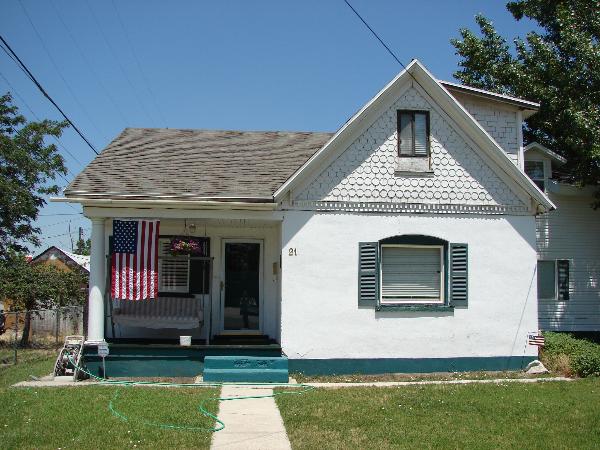
John & Annie Johnson House

The John and Annie Johnson house, Built c. 1888, is significant for its association with Sandy’s historical development, it is a one and one-half story cross wing house built of adobe brick and wood frame and covered with stucco.  The house retains many of its original Victorian Eclectic details.  Additions include a large dormer on the east side of the main gable and a large addition to the rear.

The property was first owned by William and Amoryllis Vincent, a prominent early Sandy couple who owned most of the property on Pioneer Avenue.  In February of 1894, John and Annie took out a mortgage of $2,200, and this transaction either represents construction of the house or, most likely, a remodeling of an existing building.  This house has had several subsequent owners.

The above text is from the plaque on the home, placed in 2000. The home is located at 21 East Pioneer Avenue in the historic sandy area of Sandy, Utah

Parks in Sandy

27 Sunday Nov 2016

Posted by Jacob Barlow in Uncategorized

≈ 2 Comments

Tags

Parks, Salt Lake County, Sandy, utah

A list of Sandy City’s parks
Alta Canyon Park9565 South 2000 East
Sandy, UT 84092
Amphitheater Park9400 South 1300 East
Sandy, UT 84094
Aspen Meadows Park2100 East 9800 South
Sandy, UT 84092
Bell Canyon Park11400 South 1700 East
Sandy, UT 84092
Bicentennial Park530 East 8680 South
Sandy, UT 84070
Big Bear Park (SL County Park)930 East Onyx Lane (9695 South)
White City, UT 84070
Buttercup Park10075 South 1550 East
Sandy, UT 84092
Creekside Park9400 South Basin Street
Sandy, UT 84070
Crescent Park230 East 11000 South
Sandy, UT 84070
Dewey Bluth Park170 East 9800 South
Sandy, UT 84070
Dog Park9980 South 300 East
Sandy, UT 84070
Eastridge Park12000 South 1000 East
Sandy, UT 84020
Falcon Park9200 South 1700 East
Sandy, UT 84093
Flat Iron Mesa Park1700 East 8600 South
Sandy, UT 84093
Grandpa’s Pond900 West Shields Lane – 10000 South
Sandy, UT 84095
Hidden Valley Park11700 South Wasatch Blvd.
Sandy, UT 84092
High Point Park7800 South 1000 East
Sandy, UT 84094
Lone Peak Park10140 South 700 East
Sandy, UT 84070
Main Street Park90 East 8720 South
Sandy, UT 84070
Promenade Wetlands10225 South Centennial Parkway
Sandy, UT 84070
Quail Hollow9180 S. 2910 E.
Sandy, UT 84092
Quarry Bend Park9020 South Quarry Bend Parkway
Sandy, UT 84094
Sandy Skate Park10140 South 700 East
Sandy, UT 84070
Scott Cowdell Park8920 South 150 East
Sandy, UT 84070
Storm Mountain Park11400 South 1000 East
Sandy, UT 84094
Union Park7800 South 700 East
Sandy, UT 84070
Wasatch Valley Tank Park2520 East 11700 South
Sandy, UT 84092
Wildflower Park9939 S Wildflower Road)
Sandy, CA 84092
Willow Creek Park8400 South 2000 East
Sandy, UT 84093

Church Takes Root in Sandy

27 Sunday Nov 2016

Posted by Jacob Barlow in Uncategorized

≈ 3 Comments

Tags

Historic Markers, Salt Lake County, Sandy, SUP, utah

2018-05-05 13.40.45

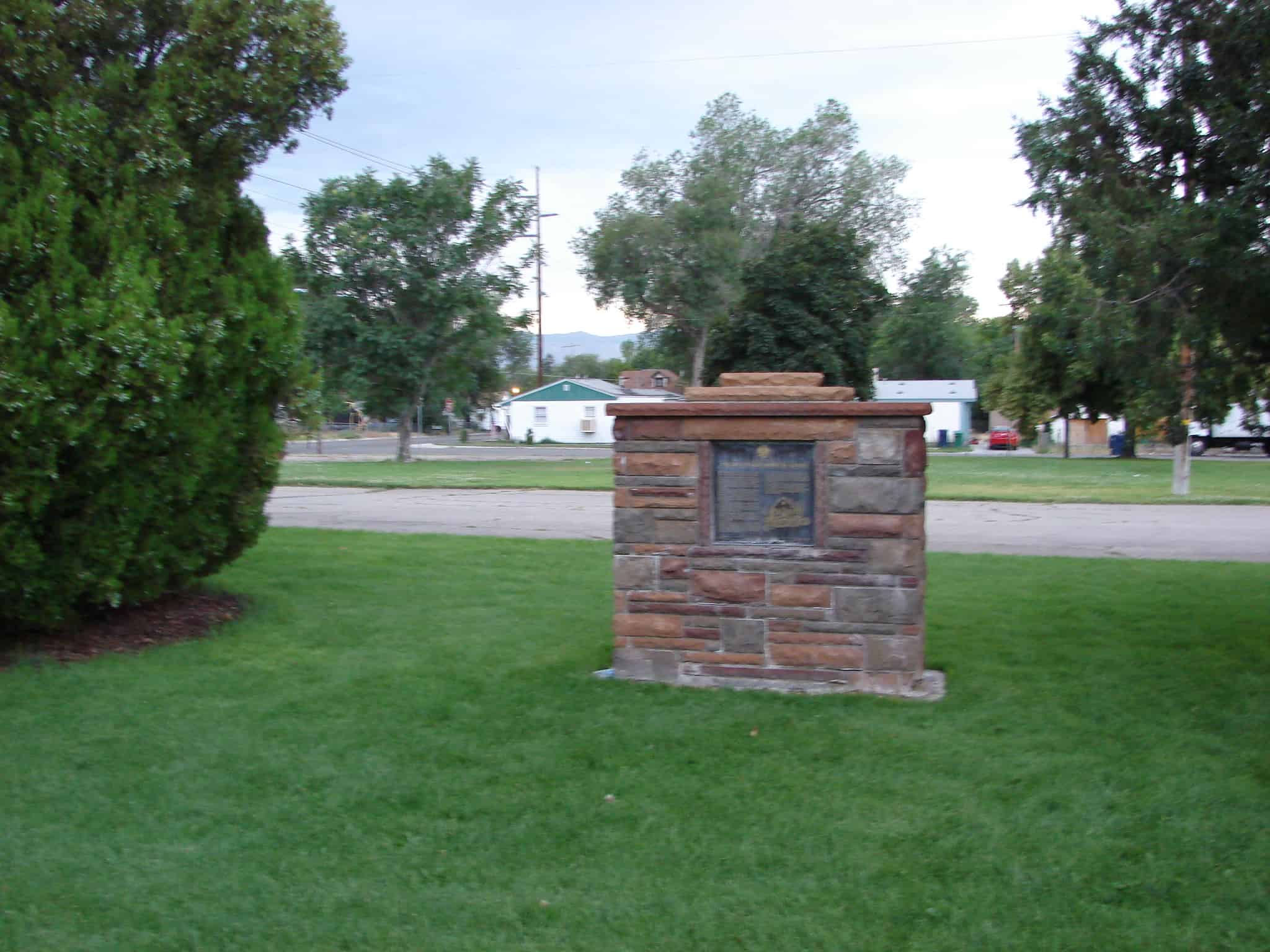
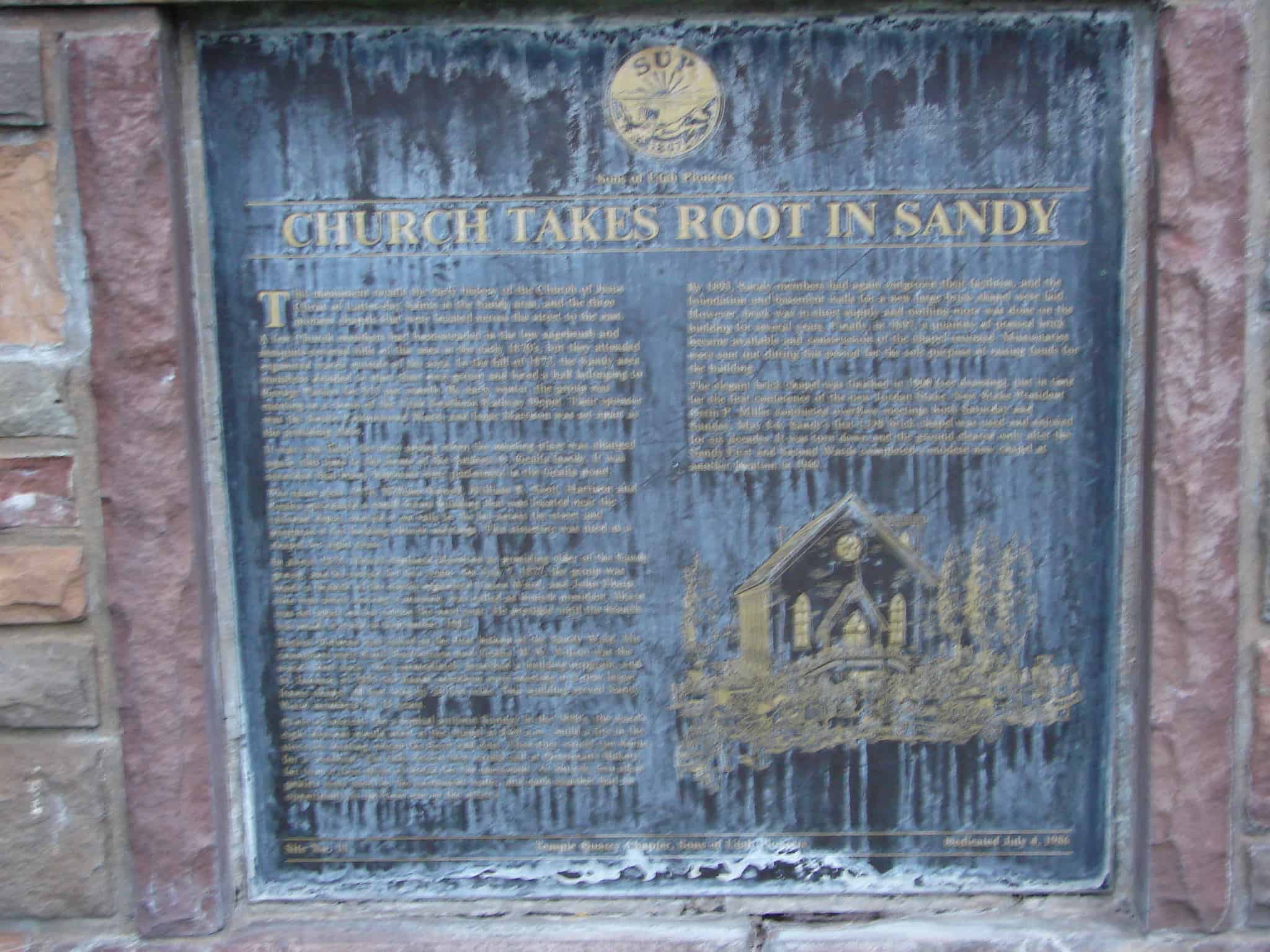
The text below is from Sons of Utah Pioneers historic marker #11, which has two plaques, Church Takes Root in Sandy and Early Sandy Schools. Located at 8780 South 280 East in the historic sandy area of Sandy, Utah

  • S.U.P. Historic Markers

Church Takes Root in Sandy

This monument recalls the early history of the Church of Jesus Christ of Latter-day Saints in the Sandy area, and the three pioneer chapels that were located across the street to the east.
A few Church members had homesteaded in the low sagebrush and mesquite-covered hills of this area in the early 1870’s, but they attended organized wards outside of the area. In the fall of 1873, the Sandy area members decided to start their own group and hired a hall belonging to George Parker for $15 per month. By early winter, the group was meeting in a room of the Utah Southern Railway Depot. Their sponsor was the South Cottonwood Ward, and Isaac Harrison was set apart as the presiding elder.

It was very likely the next spring when the meeting place was changed again, this time to the home of the Andrew O. Gealta family. It was recorded that many baptisms were performed in the Gealta pond.

The same year, 1874, William Newell, William R. Scott, Harrison and Gealta purchased a small frame building that was located near the railroad depot, moved it on rails to the lot across the street and prepared it for holding church meetings. This structure was used as a chapel for eight years.

In about 1875, Newell replaced Harrison as presiding elder of the Sandy group, and he served for two years. On July 7, 1877, the group was made a branch of the newly-organized Union Ward, and John Sharp, who was away serving a mission, was called as branch president. Sharp was set apart on his return the next year. He presided until the branch was made a ward in September, 1882.

Ezekial Holman was called as the birst bishop of the Sandy Ward. His counselors were Emil Hartvicksen and Gealta. W.W. Wilson was the ward’s first clerk. They immediately launched a building program, and by January of 1883 the Sandy members were meeting in a new larger frame chapel, 40 feet long by 26 feet wide. This building served Sandy Ward members for 18 years.

(Note of interest: On a typical autumn Sunday in the 1880’s, the ward’s eight deacons would meet at the chapel at 8:00 a.m., build a fire in the stove for heating, sweep the floor and dust. Then they would run home for a “washup.” On their return they would call at Osterman’s Bakery for two or four slices of bread for the sacrament. At church, two silver goblets were used for the sacrament water, and each member had an opportunity to sip from one or the other.)

By 1893, Sandy members had again outgrown their facilities, and the foundation and basement wall for a new large brick chapel were laid. However, brick was in short supply and nothing more was done on the building for several years. Finally, in 1897, a quantity of pressed brick became available and construction of the chapel resumed. Missionaries were sent out during this period for the sole purpose of raising funds for the building.

The elegant brick chapel was finished in 1900 (see drawing), just in time for the first conference of the new Jordan Stake. New Stake President Orrin P. Miller conducted overflow meetings both Saturday and Sunday, May 5-6. Sandy’s first LDS brick chapel was used and enjoyed for six decades. It was torn down and the ground cleared only after the Sandy First and Second Wards completed a modern new chapel at another location in 1960.

2018-05-05 13.40.45
2018-05-05 13.40.52
picture16jul07-034
picture16jul07-036

Las Vegas Strip

27 Sunday Nov 2016

Posted by Jacob Barlow in Uncategorized

≈ 11 Comments

Tags

Clark County, Las Vegas, Las Vegas Strip, Nevada

  • picture10jul07-129

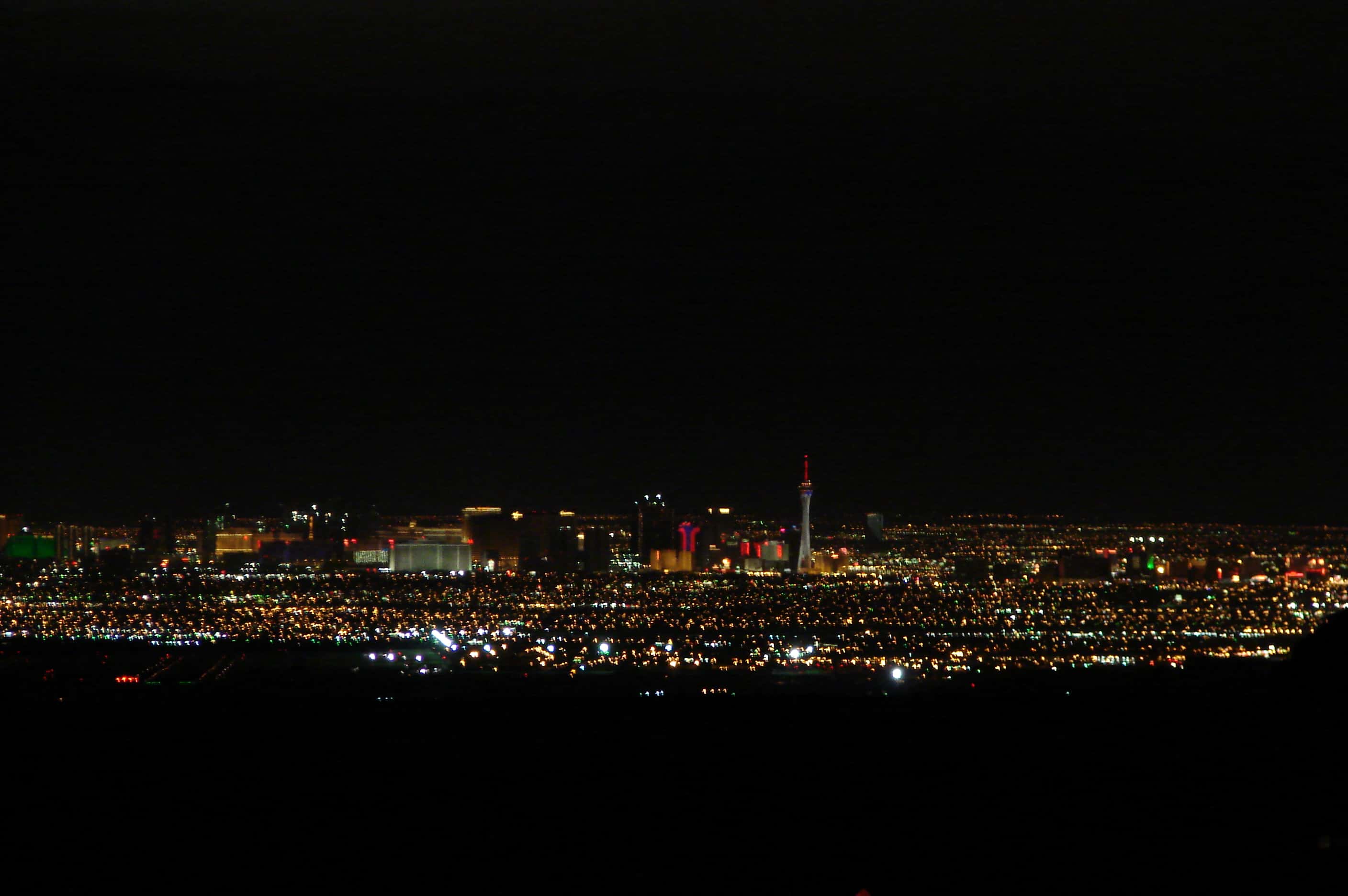
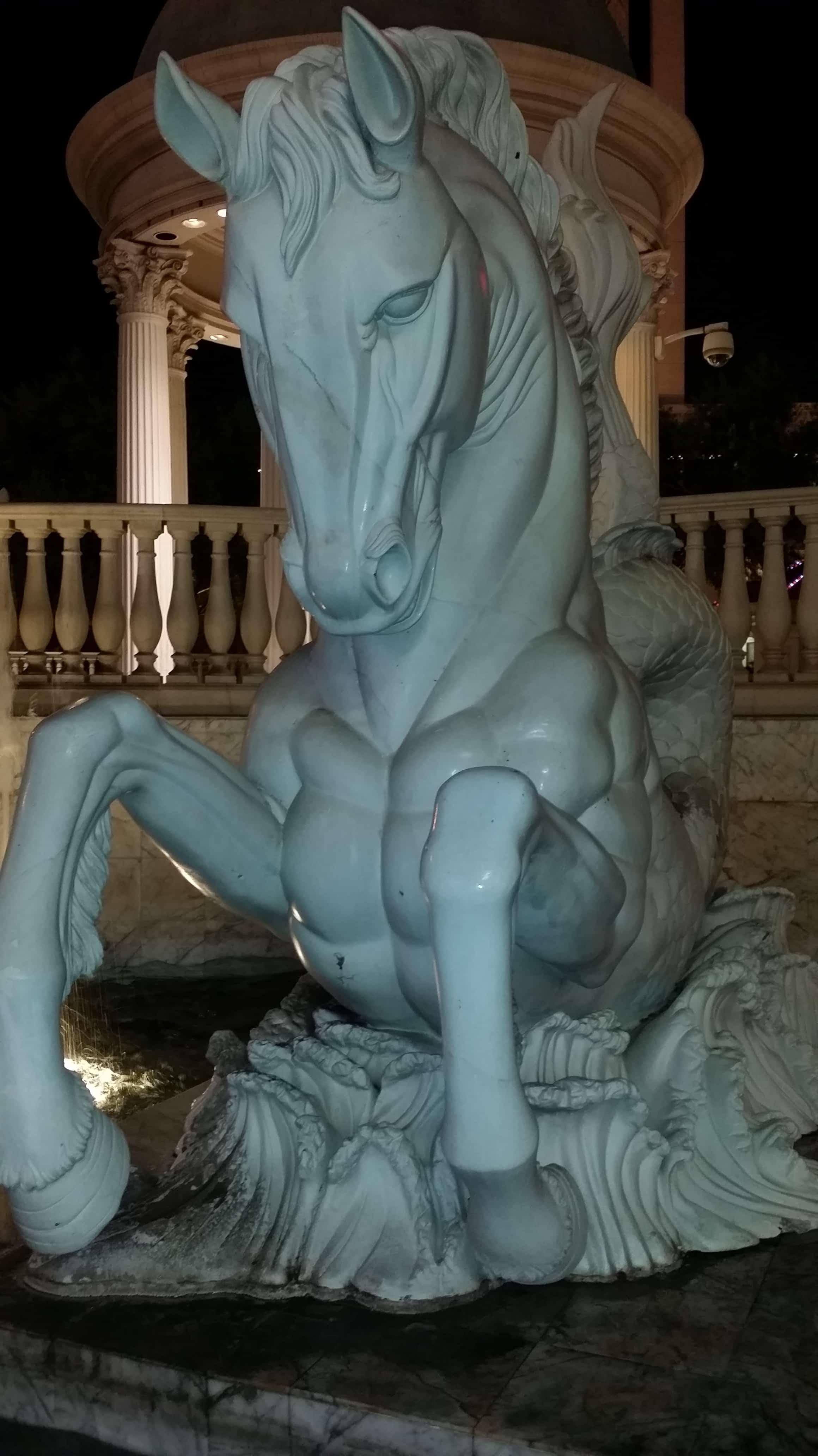
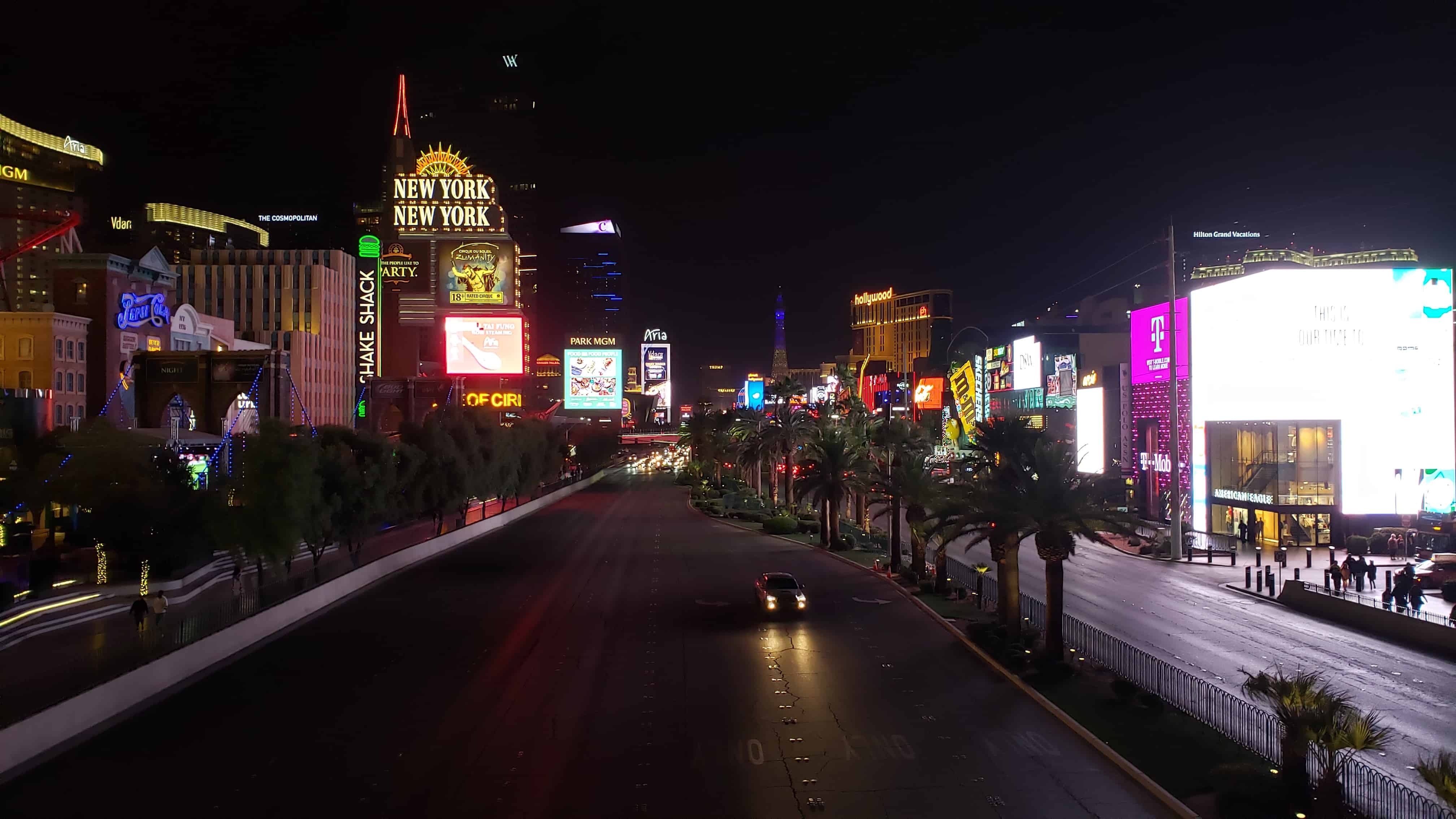
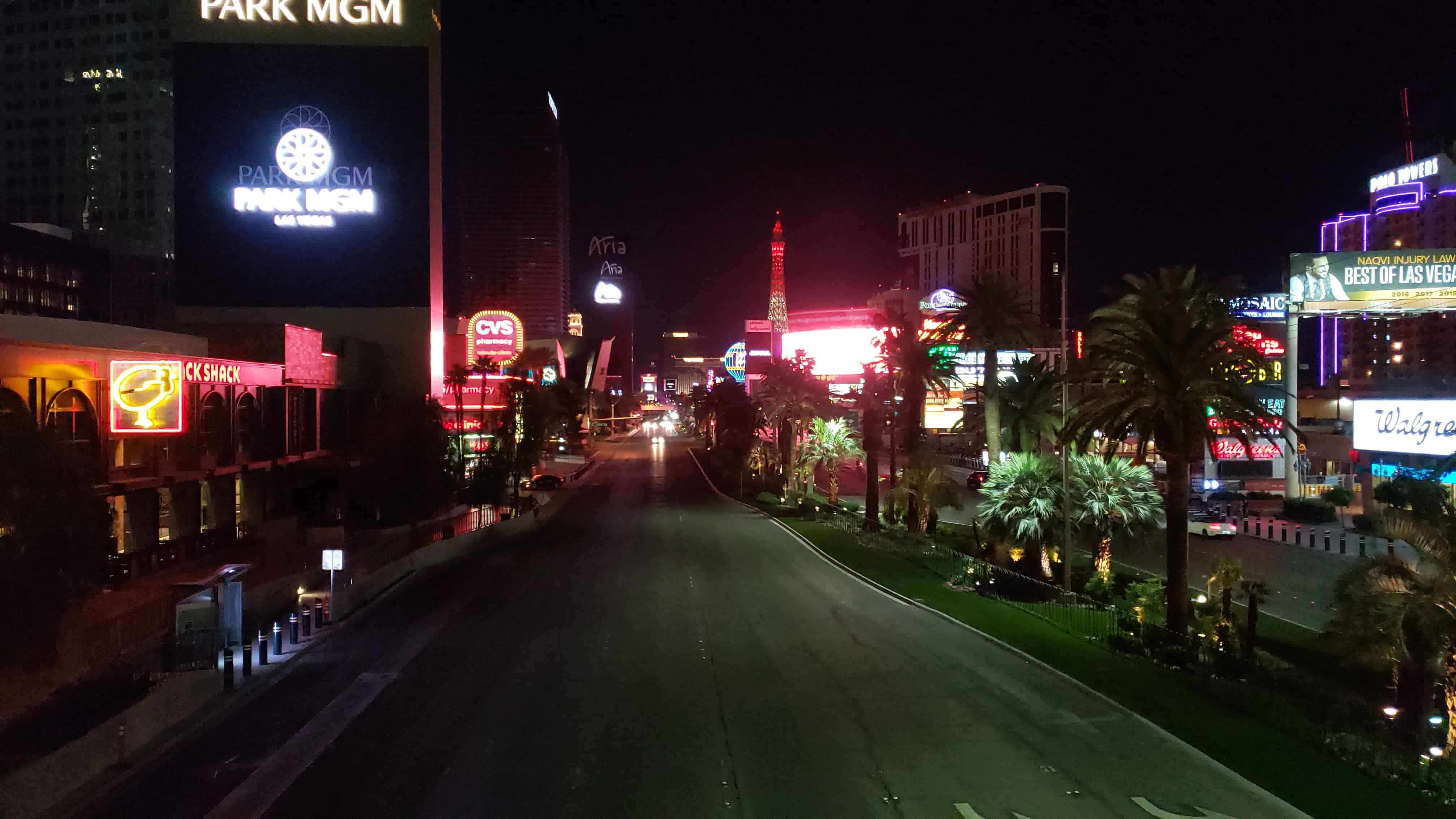
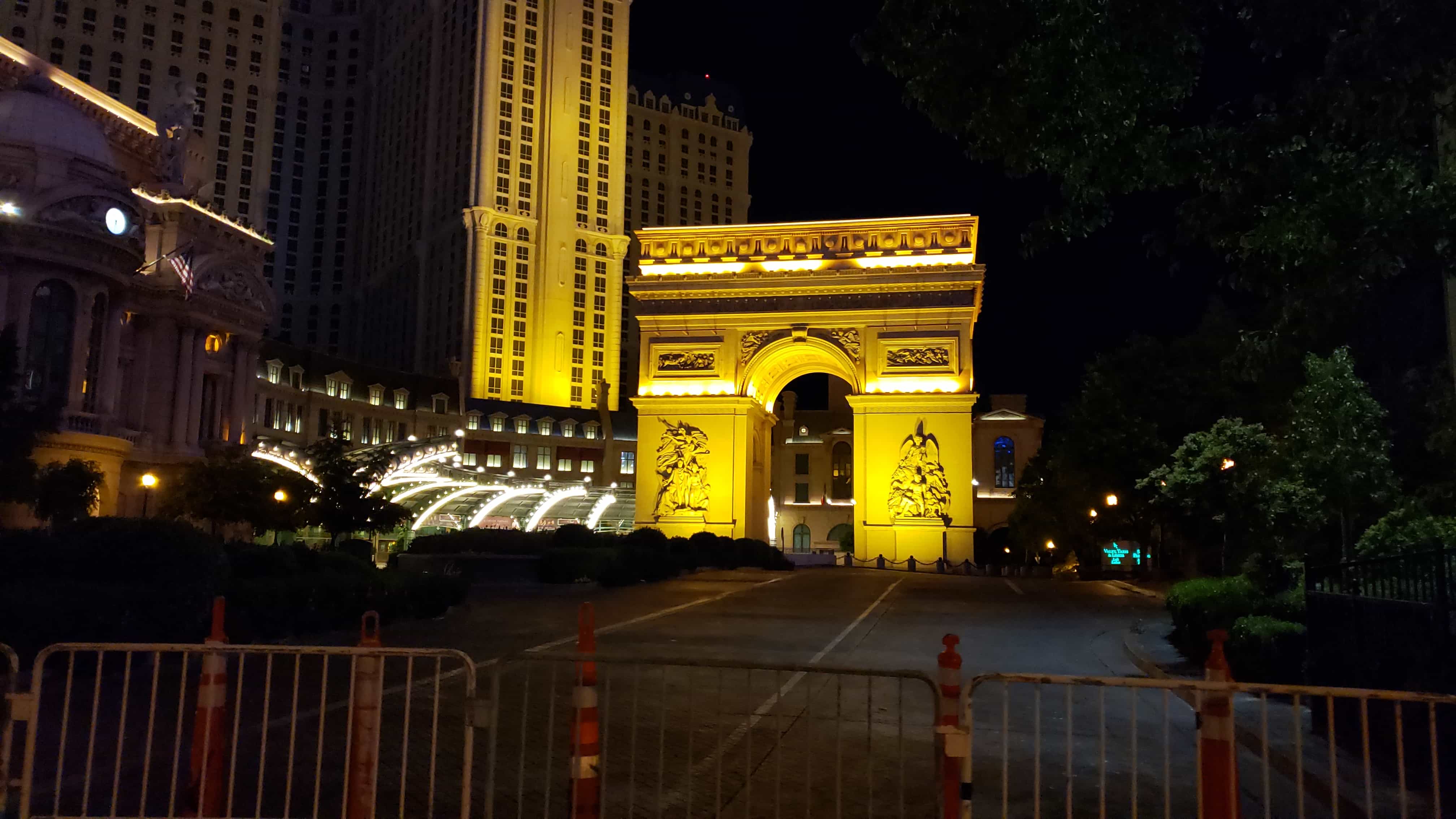
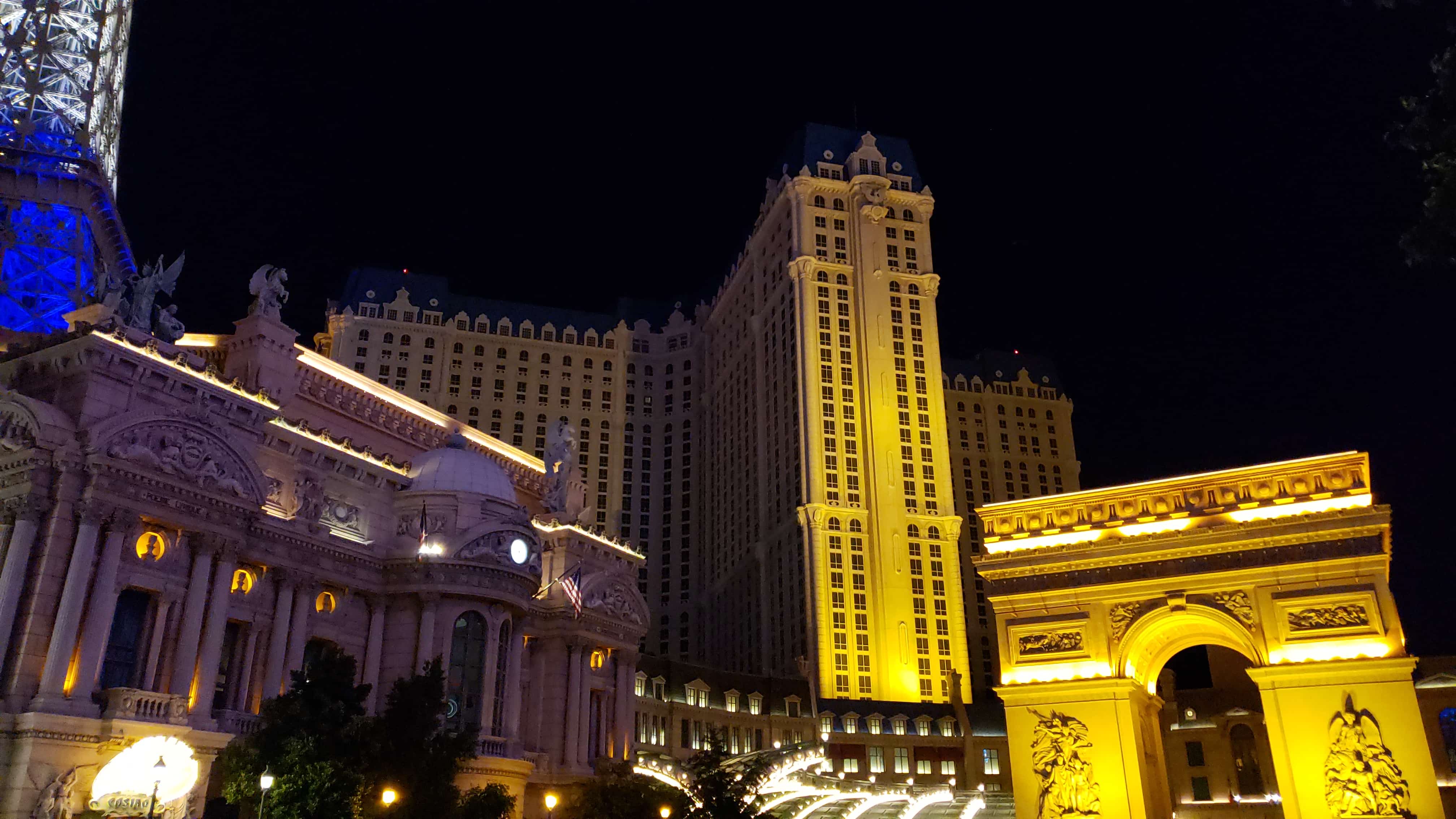
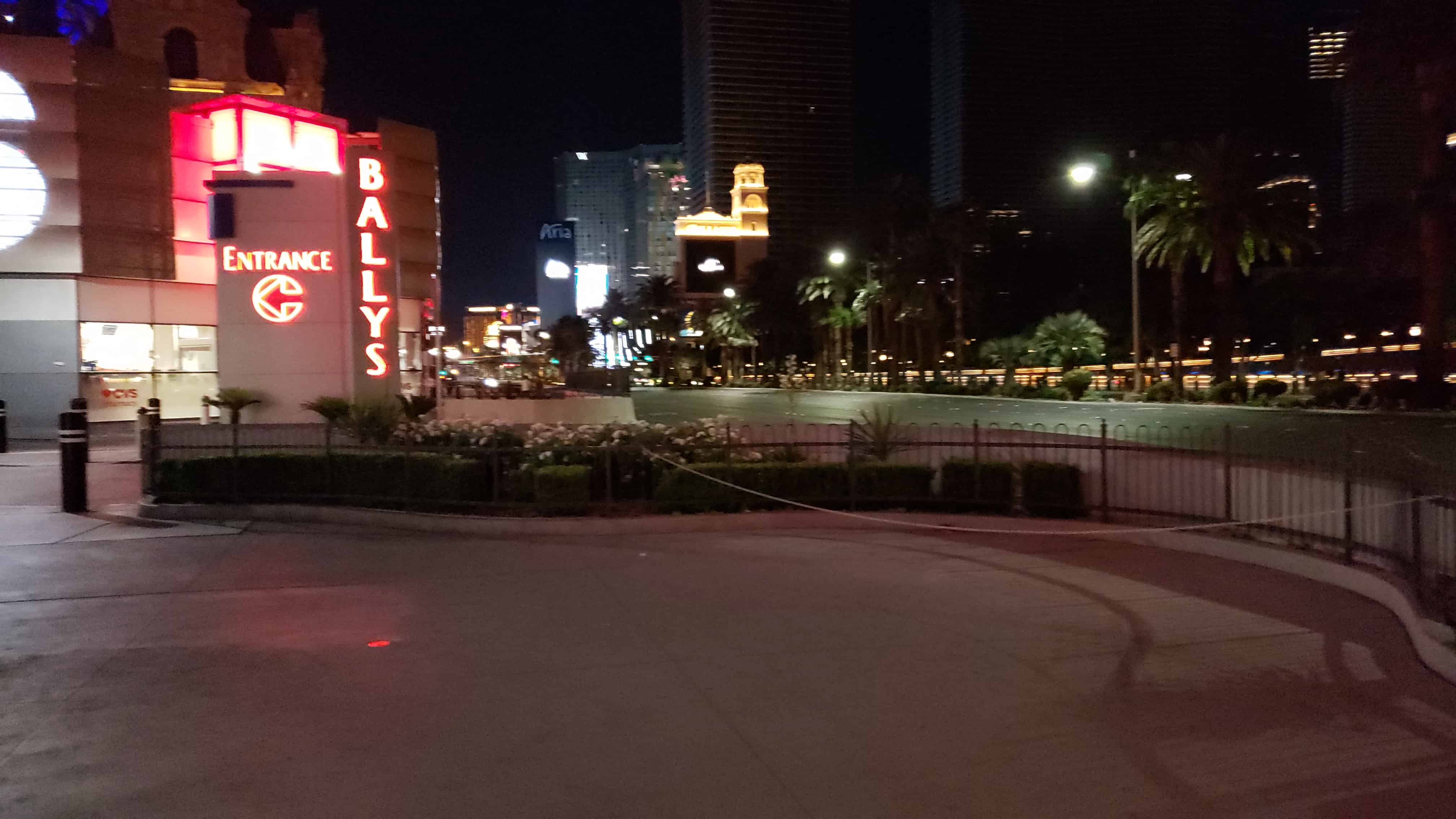
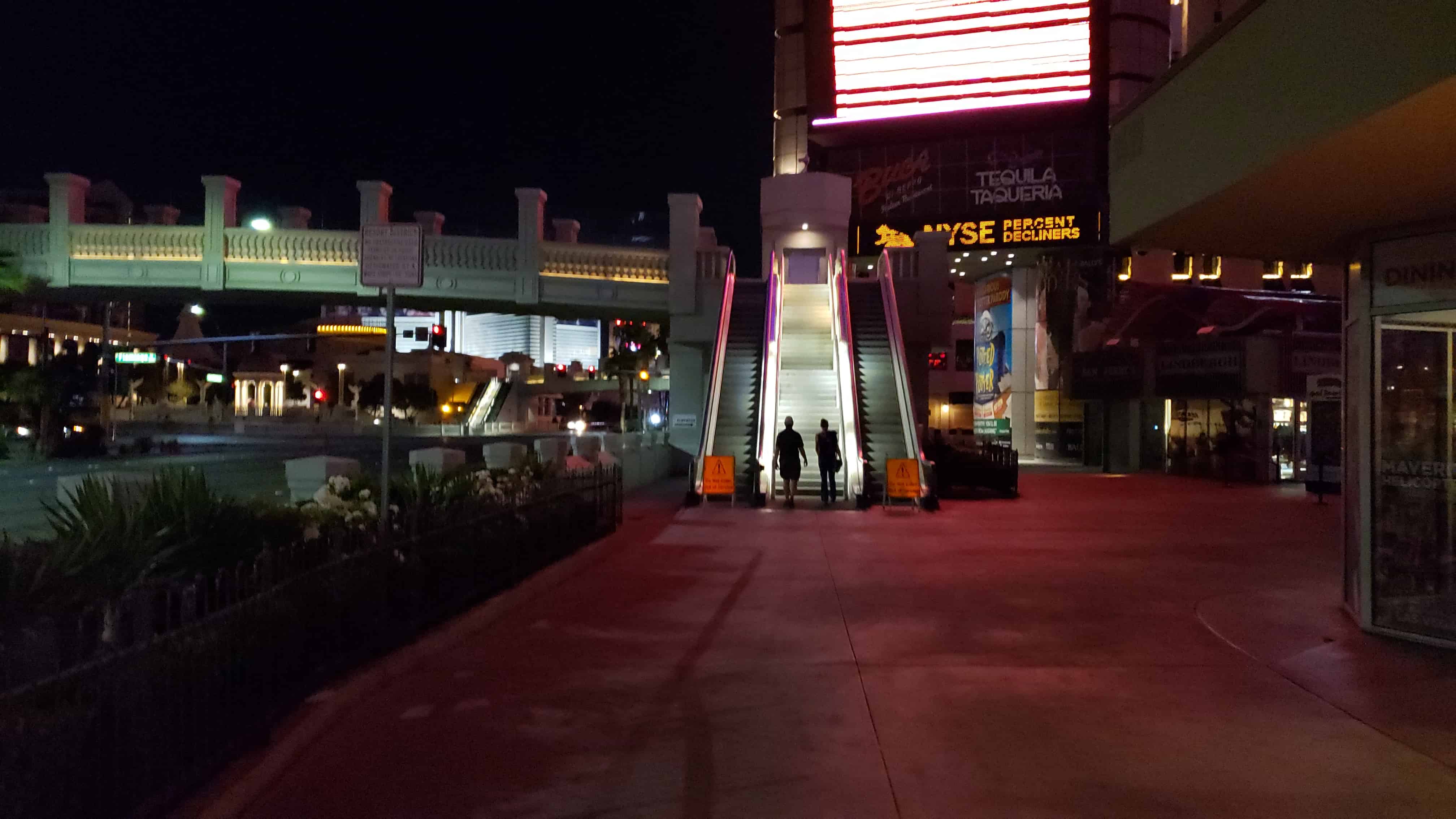
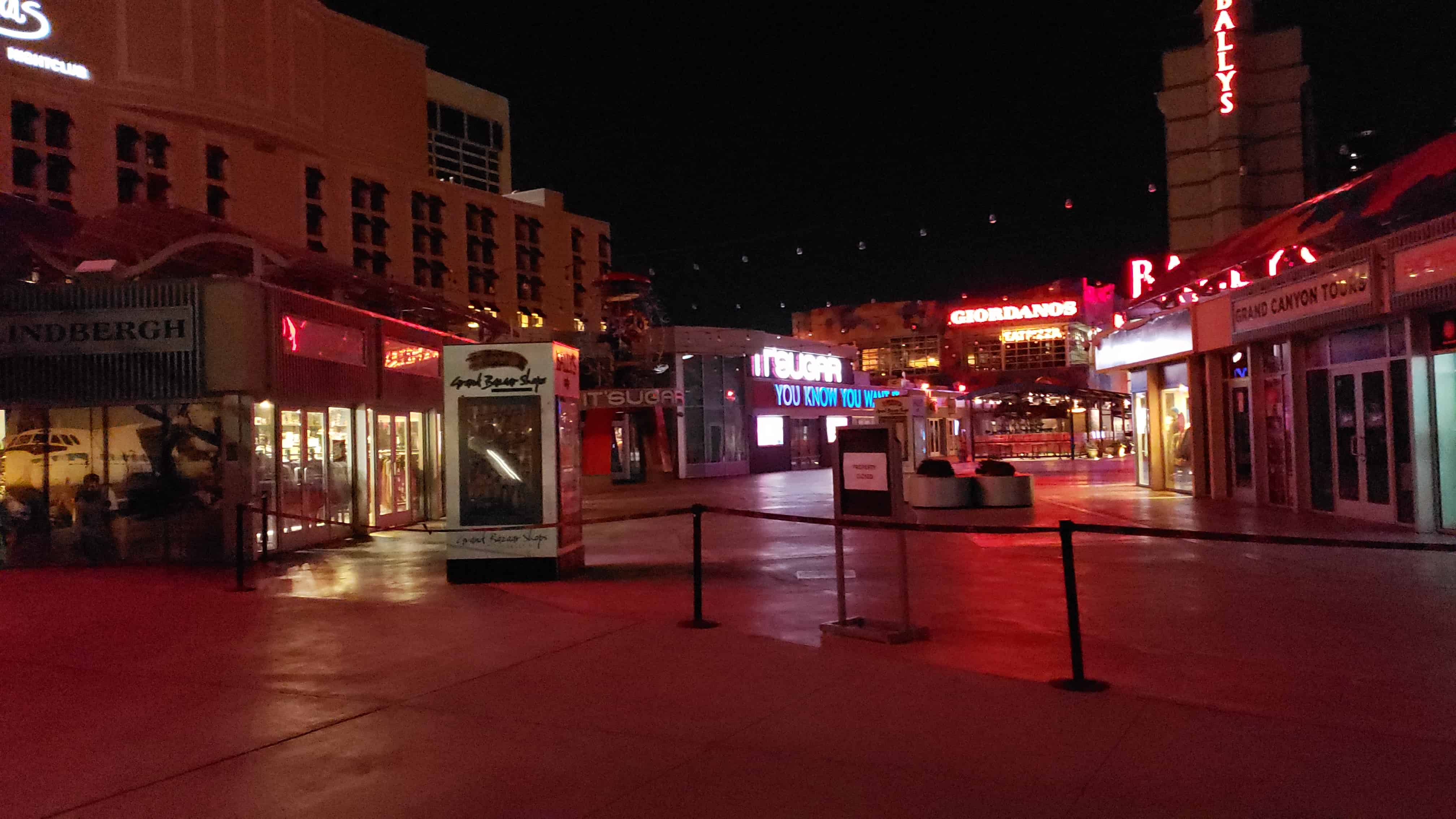
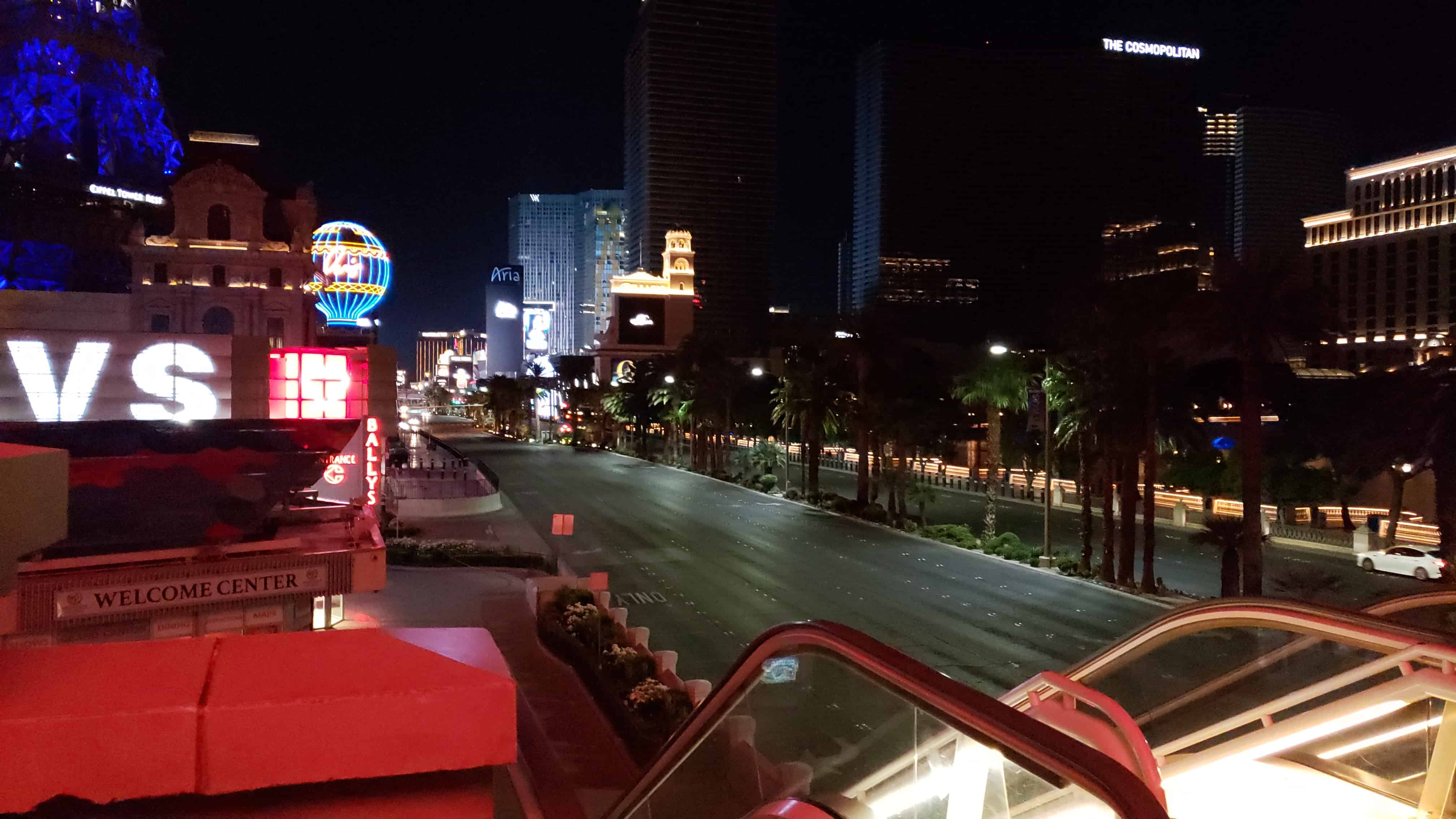
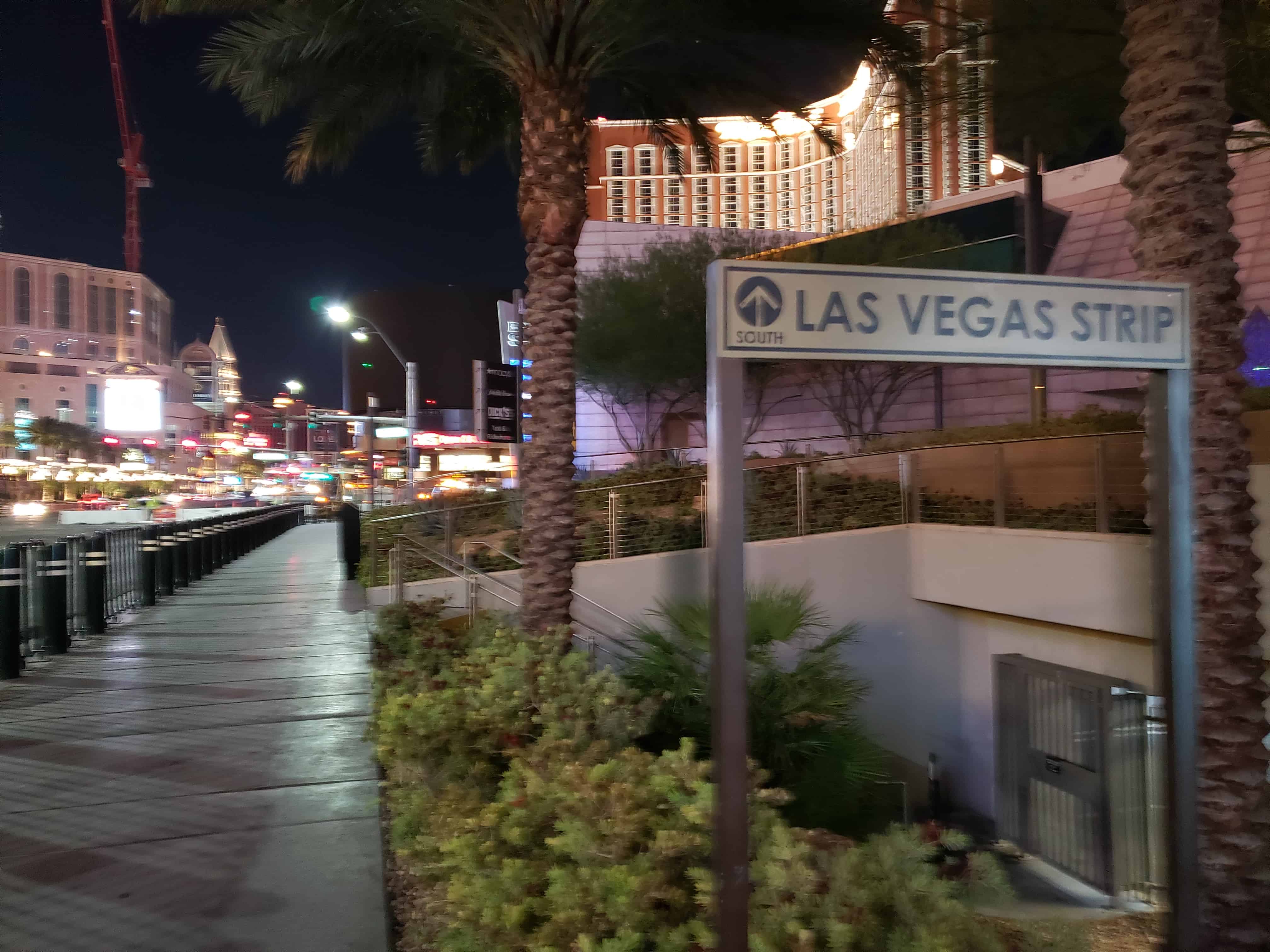
The Las Vegas Strip is a stretch of South Las Vegas Boulevard in Clark County, Nevada, known for its concentration of resort hotels and casinos. The Strip is approximately 4.2 miles in length, located immediately south of the Las Vegas city limits in the unincorporated towns of Paradise and Winchester. However, the Strip is often referred to as being in Las Vegas. Most of the Strip has been designated an All-American Road, and is considered a scenic route at night. Many of the largest hotel, casino, and resort properties in the world are located on the Las Vegas Strip. Fourteen of the world’s 25 largest hotels by room count are on the Strip, with a total of over 62,000 rooms.
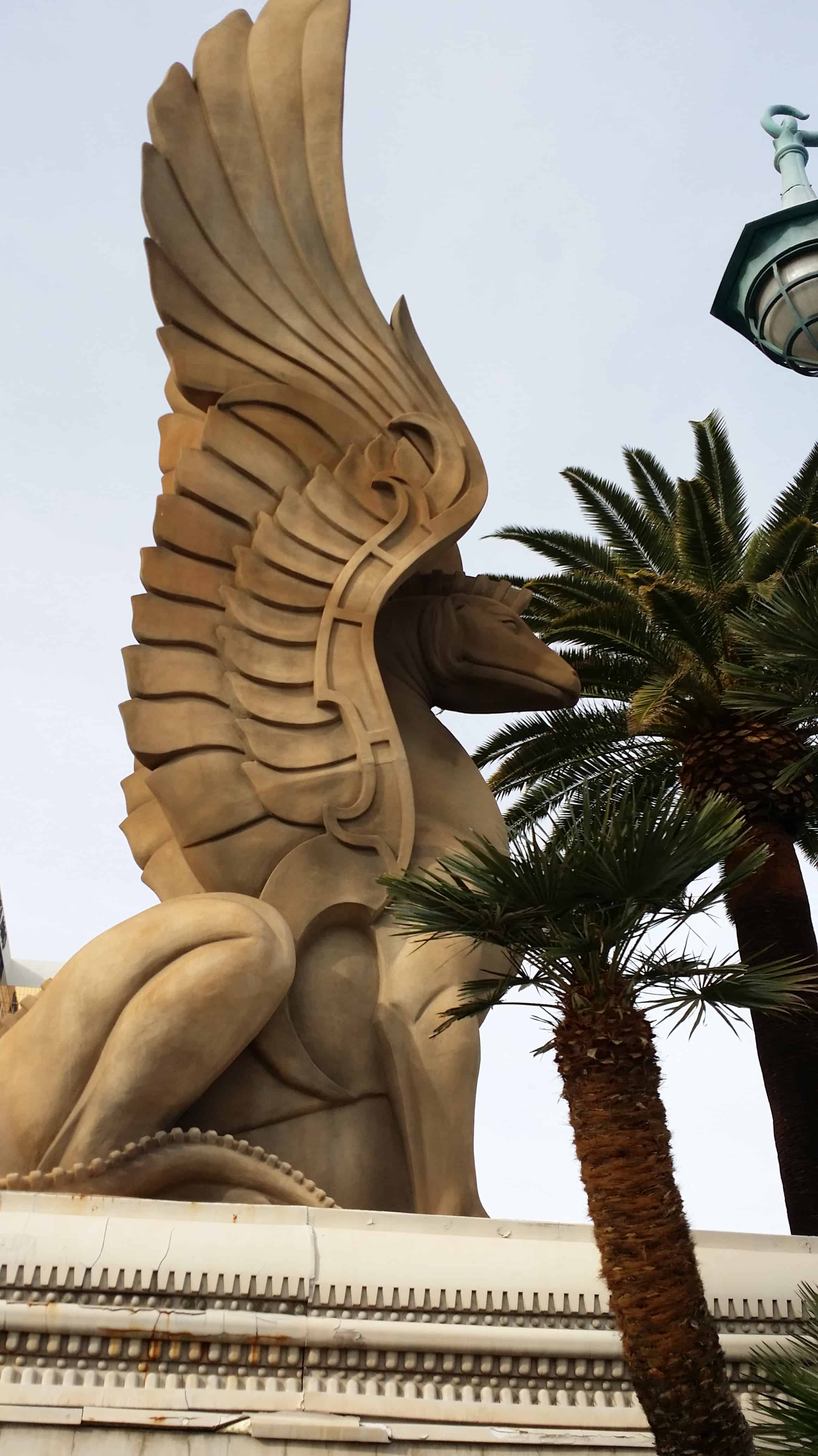
One of the most visible aspects of Las Vegas’ cityscape is its use of dramatic architecture and lights. The rapidly evolving skyline and constant modernization of hotels, casinos, restaurants, residential high-rises, and entertainment offerings on the Strip, have established it as one of the most popular destinations for tourists in the United States, and the world.

Some of the many places on the Las Vegas Strip:

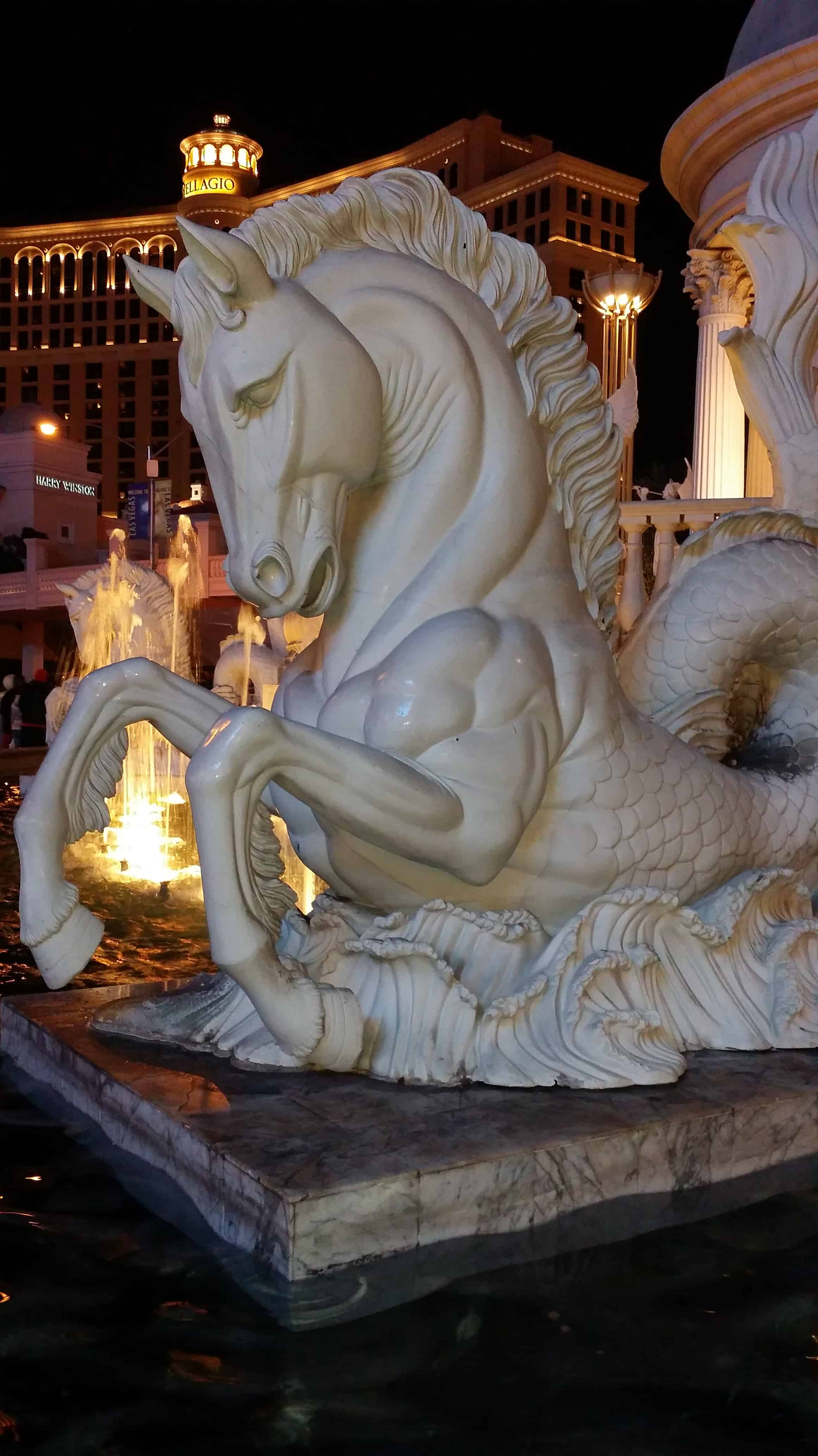
  • Bellagio
  • Circus Circus
  • Excalibur
  • Fremont Street
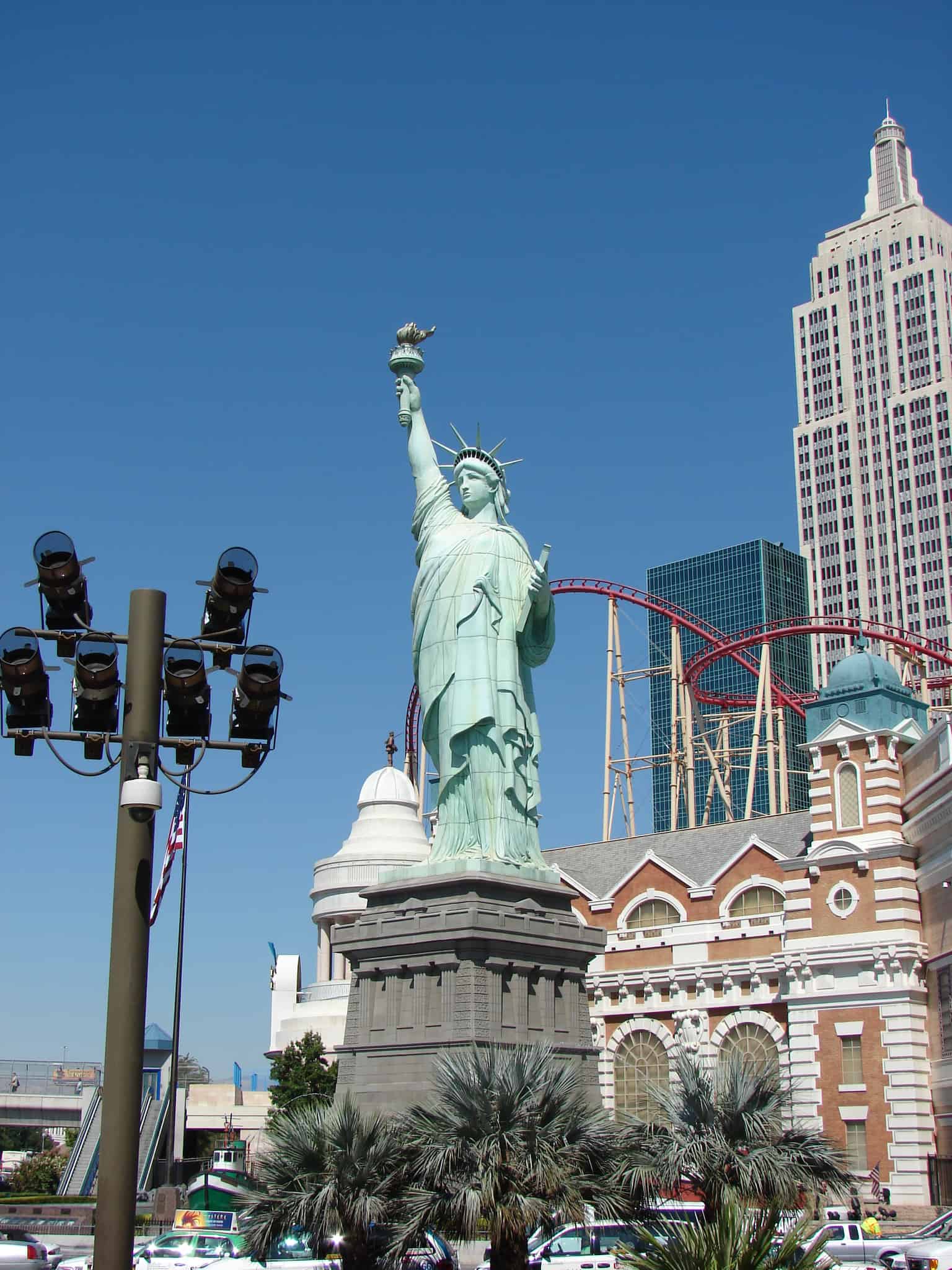
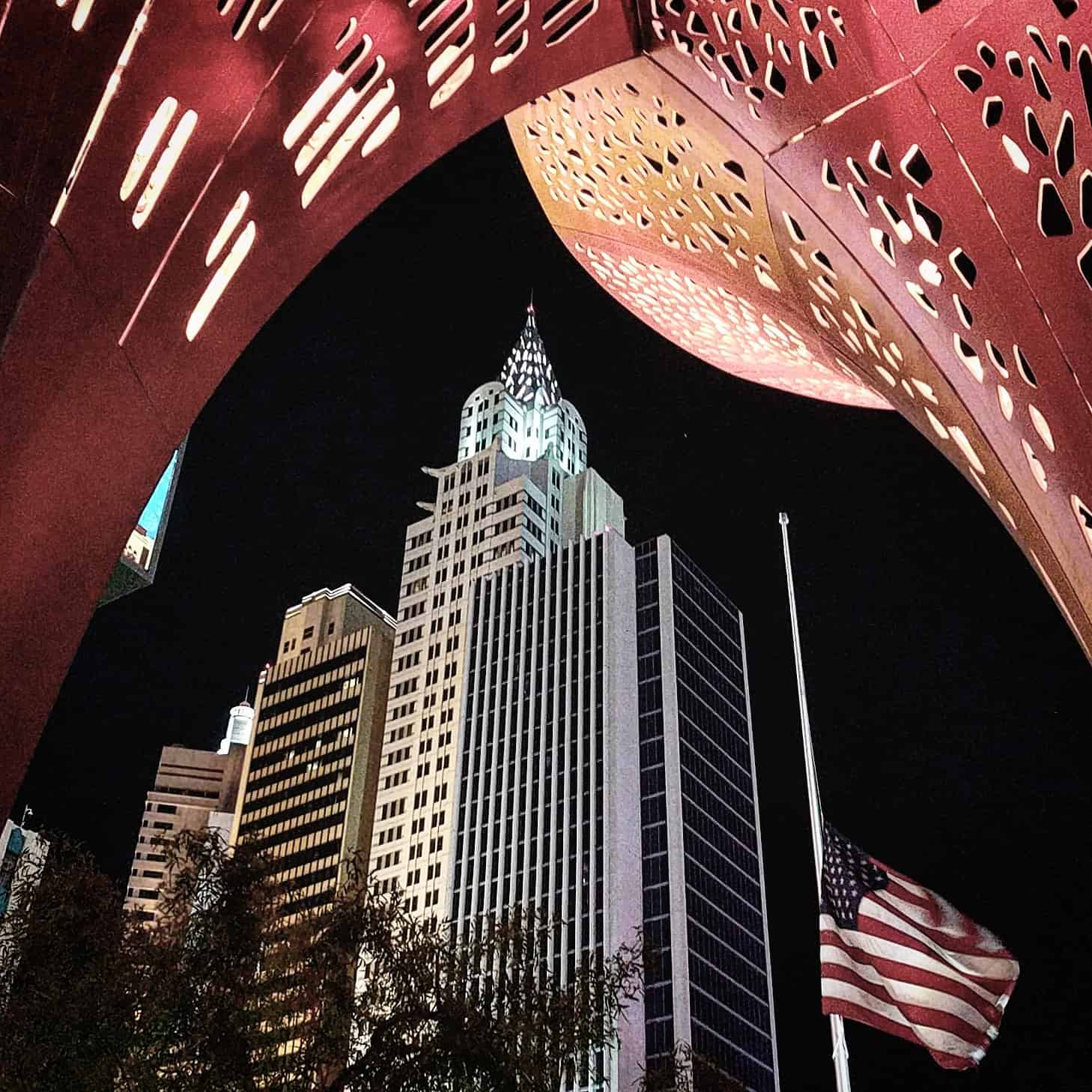
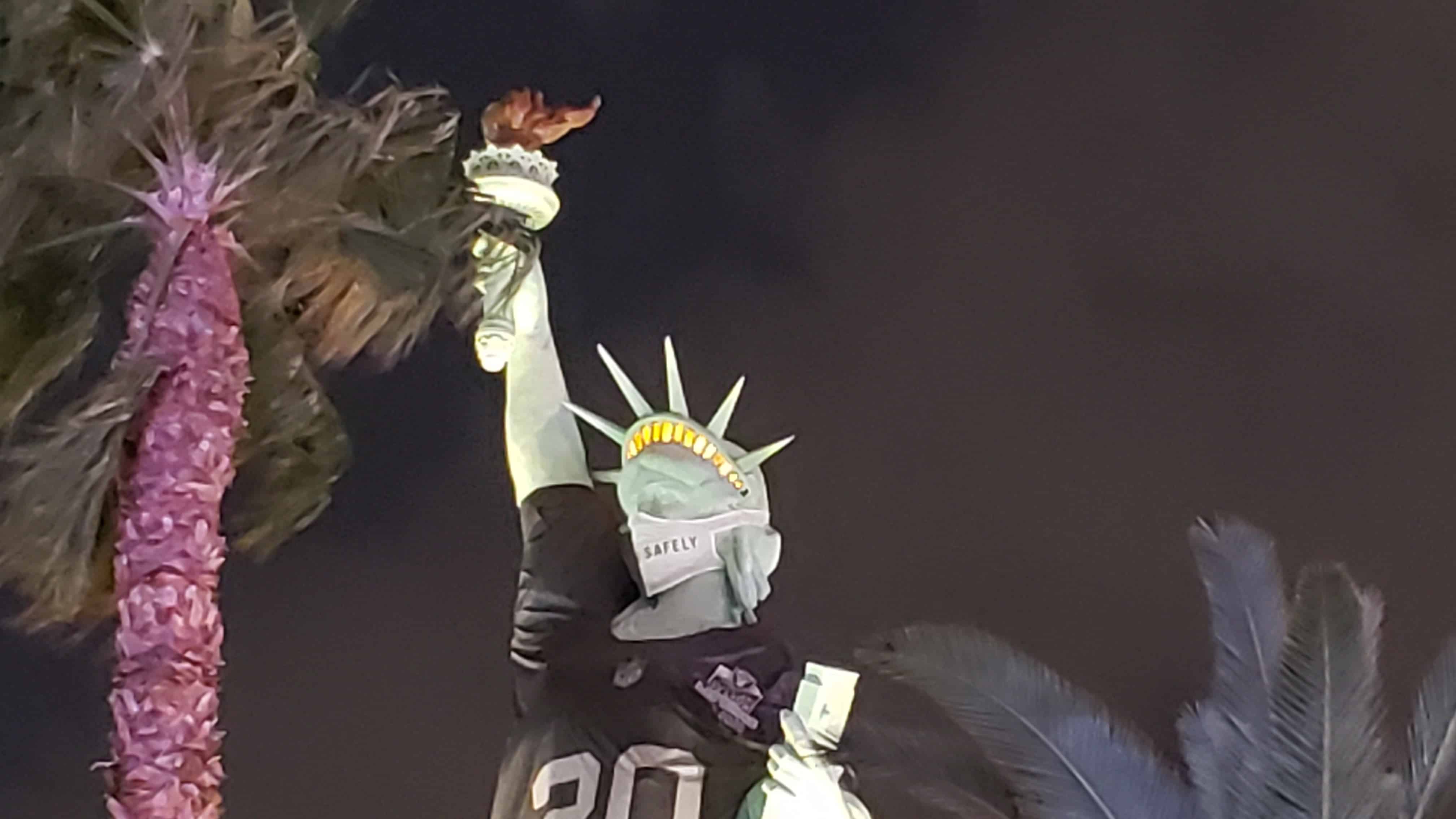
  • New York-New York
  • Paris
  • Planet Hollywood
  • Siegfried & Roy Monument
  • Treasure Island 
  • Tropicana
  • The Venetian
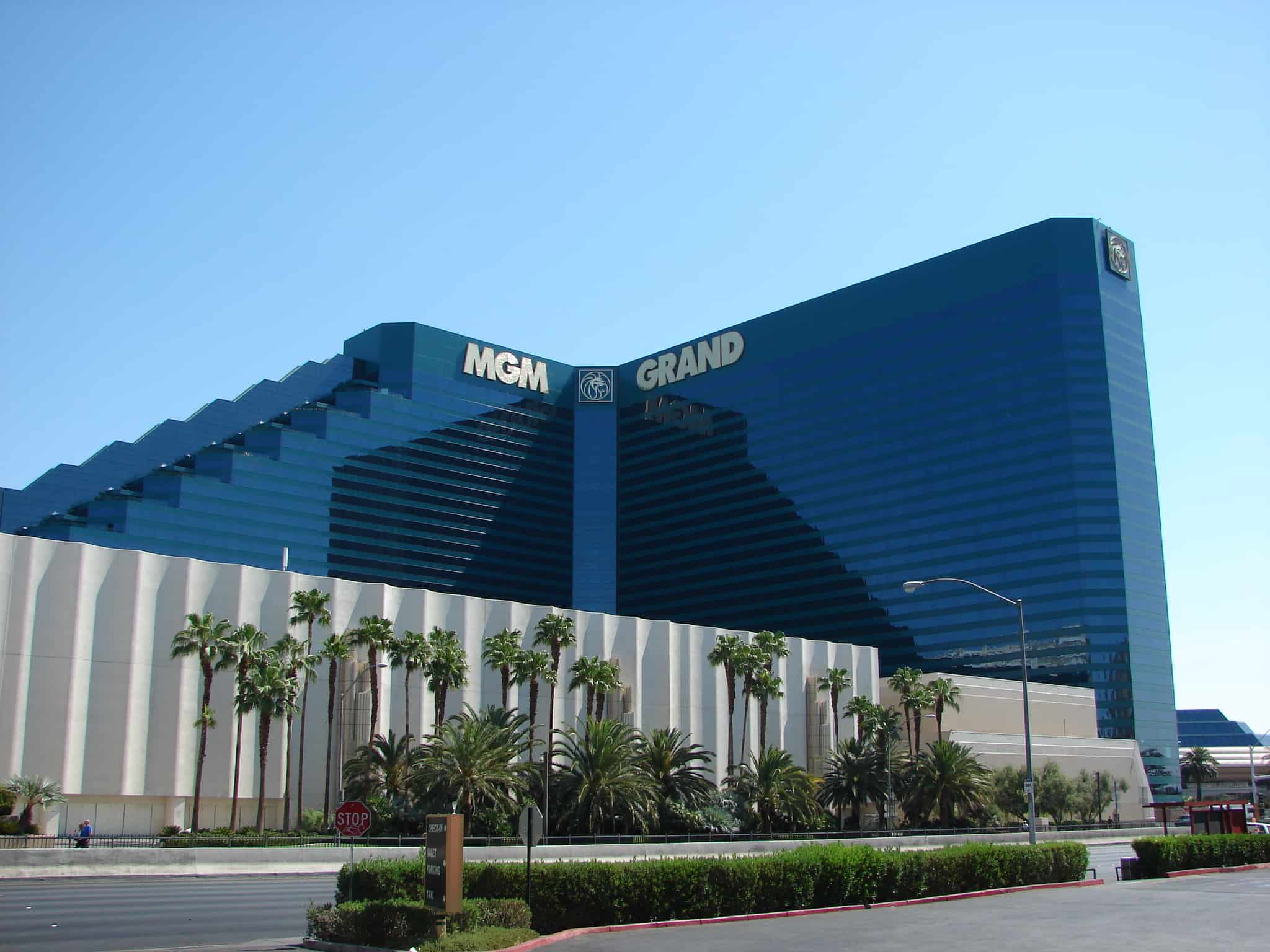
  • MGM Grand

  • IMG_20180218_222202_864
  • picture27nov08-008

The Little Church of the West

27 Sunday Nov 2016

Posted by Jacob Barlow in Uncategorized

≈ 1 Comment

Tags

Clark County, Historic Churches, Las Vegas, Nevada, NRHP

picture10jul07-123

Little Church of the West is a wedding chapel on the Las Vegas Strip in Las Vegas, Nevada that is listed on the United States National Register of Historic Places. Built of California redwood, it was intended to be a replica of a typical pioneer town church. It is the oldest building on the Strip.

The Little Church of the West opened its doors in 1942 on what would become The Strip. The chapel was originally built as part of the Hotel Last Frontier complex on the Las Vegas Strip. The chapel was moved from the north side of the hotel to the south side in 1954. In 1979, to make way for the Fashion Show Mall, the chapel was moved onto the grounds of the Hacienda. In 1996, when the Hacienda was closed and demolished, the chapel moved again to its current location on the east side of the strip south of the Mandalay Bay.
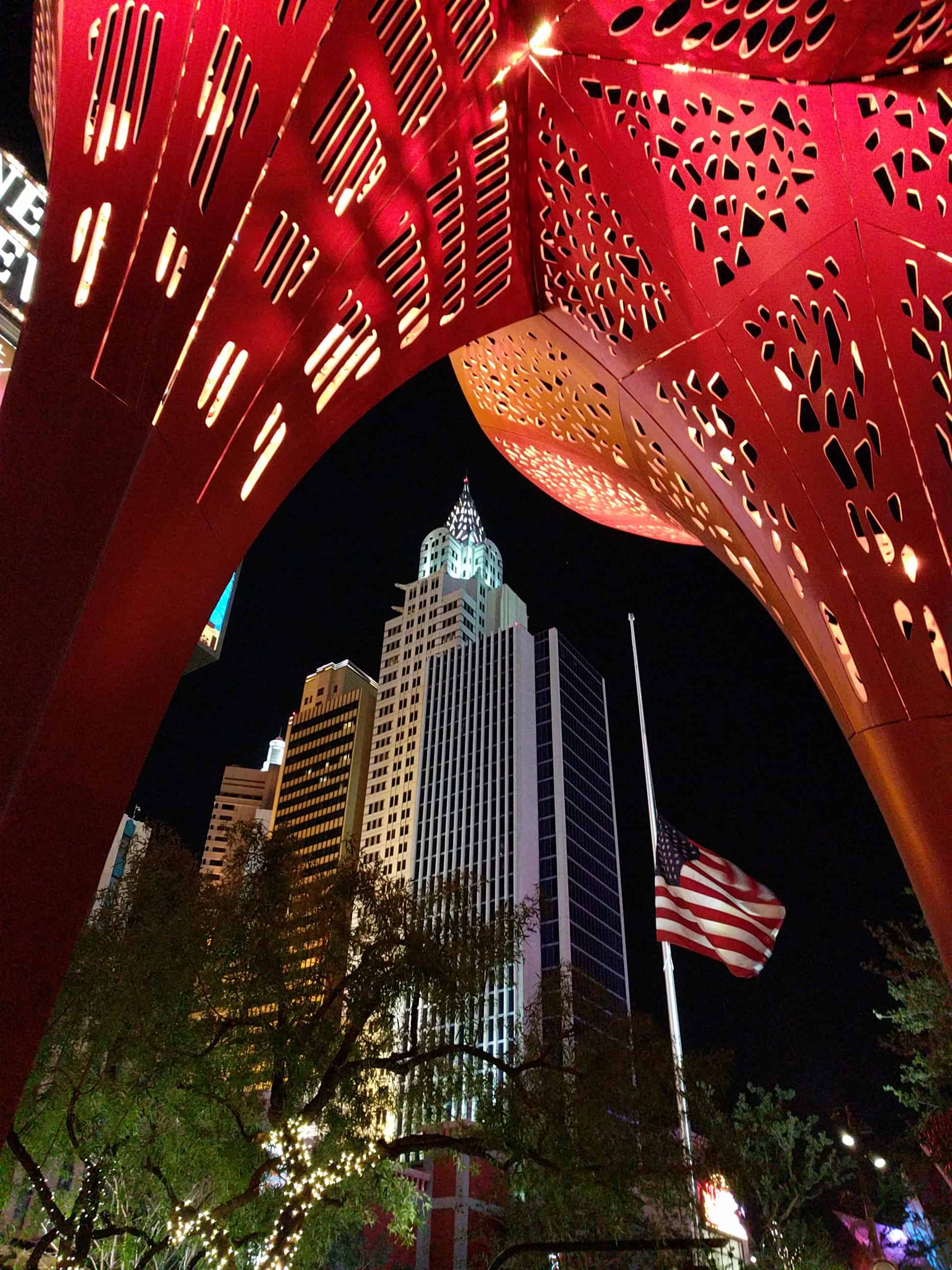
In 2012, the Little Church of the West celebrated its 70th anniversary and remains the oldest chapel on the Las Vegas Strip.

The Little Church of the West was listed on the National Register of Historic Places (#92001161) on September 14, 1992 and is located at 4617 Las Vegas Boulevard in Las Vegas, Nevada.

Jean, Nevada

27 Sunday Nov 2016

Posted by Jacob Barlow in Uncategorized

≈ 2 Comments

  • picture10jul07-020

Related posts:

  • The Arrowhead Trail Highway (historic marker)
  • Concrete Arrow
  • Giant Miner Sculpture
  • Jean, Nevada (historic marker)
  • Seven Magic Mountains
  • The Yellow Pine Mining Company Railroad (historic marker)
  • 1 Goodsprings Rd

Founded in 1904 as Goodsprings Junction, a station on the San Pedro, Los Angeles and Salt Lake Railroad, Jean received its current name in 1905 when the post office was opened. It was named in honor of Jean Fayle, the wife of George Fayle who had built a mercantile business and had the post office in his store.

Historic Springville 3rd and 9th Ward Chapel

27 Sunday Nov 2016

Posted by Jacob Barlow in Uncategorized

≈ 2 Comments

Tags

Historic Buildings, Historic Churches, Springville, utah, utah county

  • 2016-10-21-13-38-39

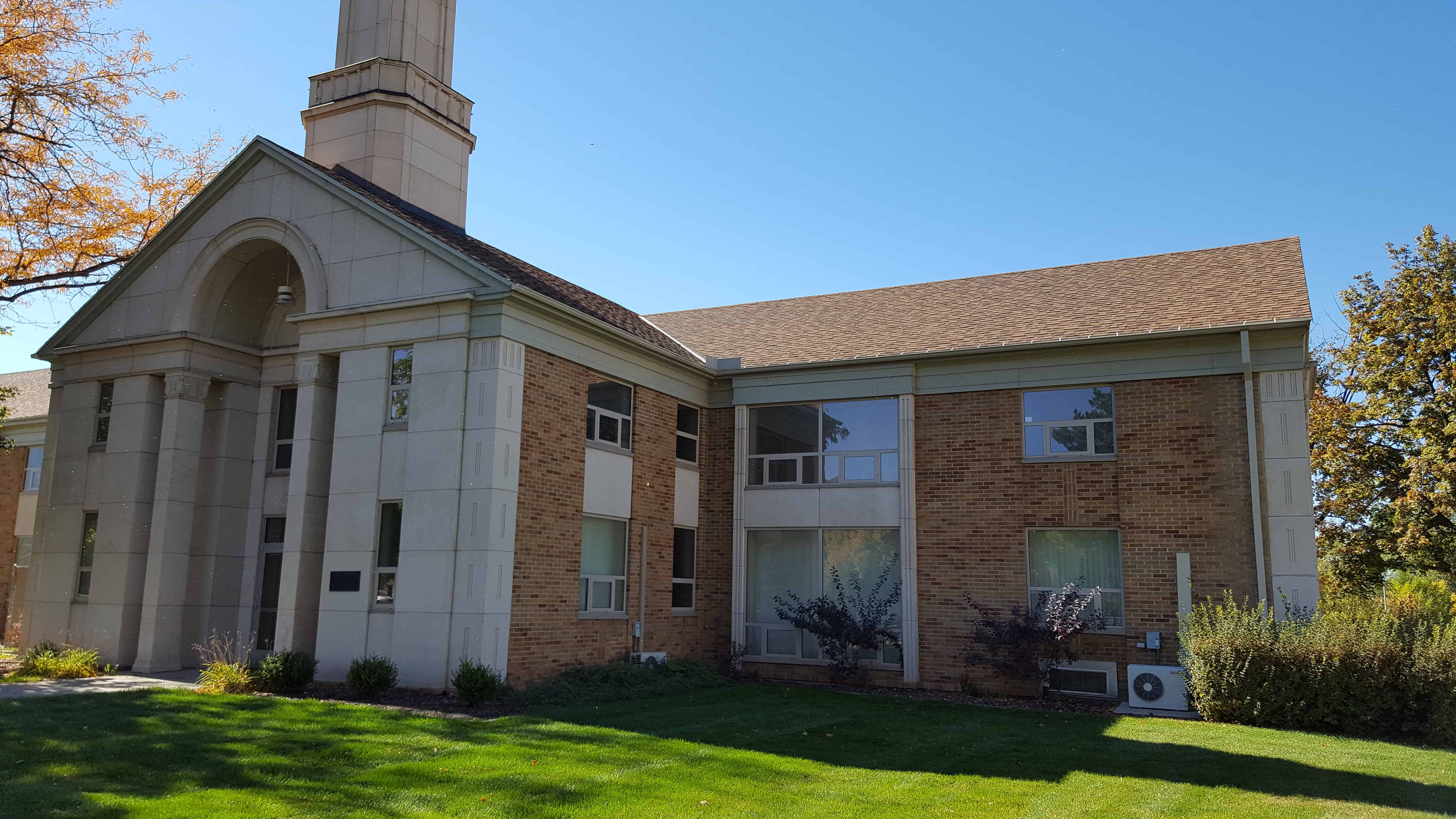
The 3rd and 9th Ward Chapel in Springville.

← Older posts
Newer posts →

Follow Jacob

Follow Jacob

Come wander with me on Youtube.

Blog Stats

  • 2,111,414 hits

Social and Other Links

BarlowLinks.com

Recent Posts

  • William Capener House
  • Justus Wellington Seeley II House
  • Huntington Roller Mill and Miller’s House
  • Johnson Ranch House
  • James W. and Mary K. Loofbourow House

Archives

Loading Comments...