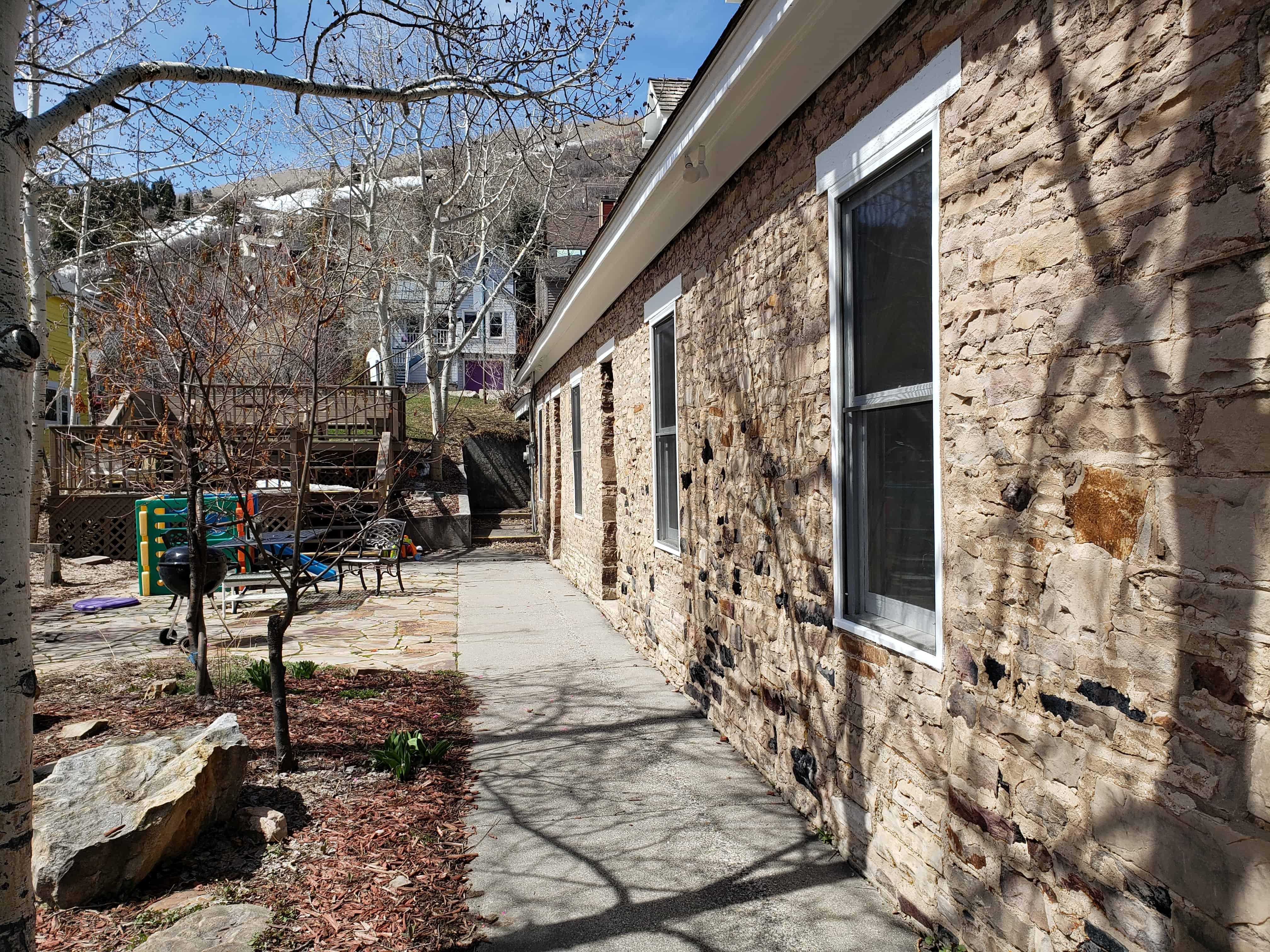
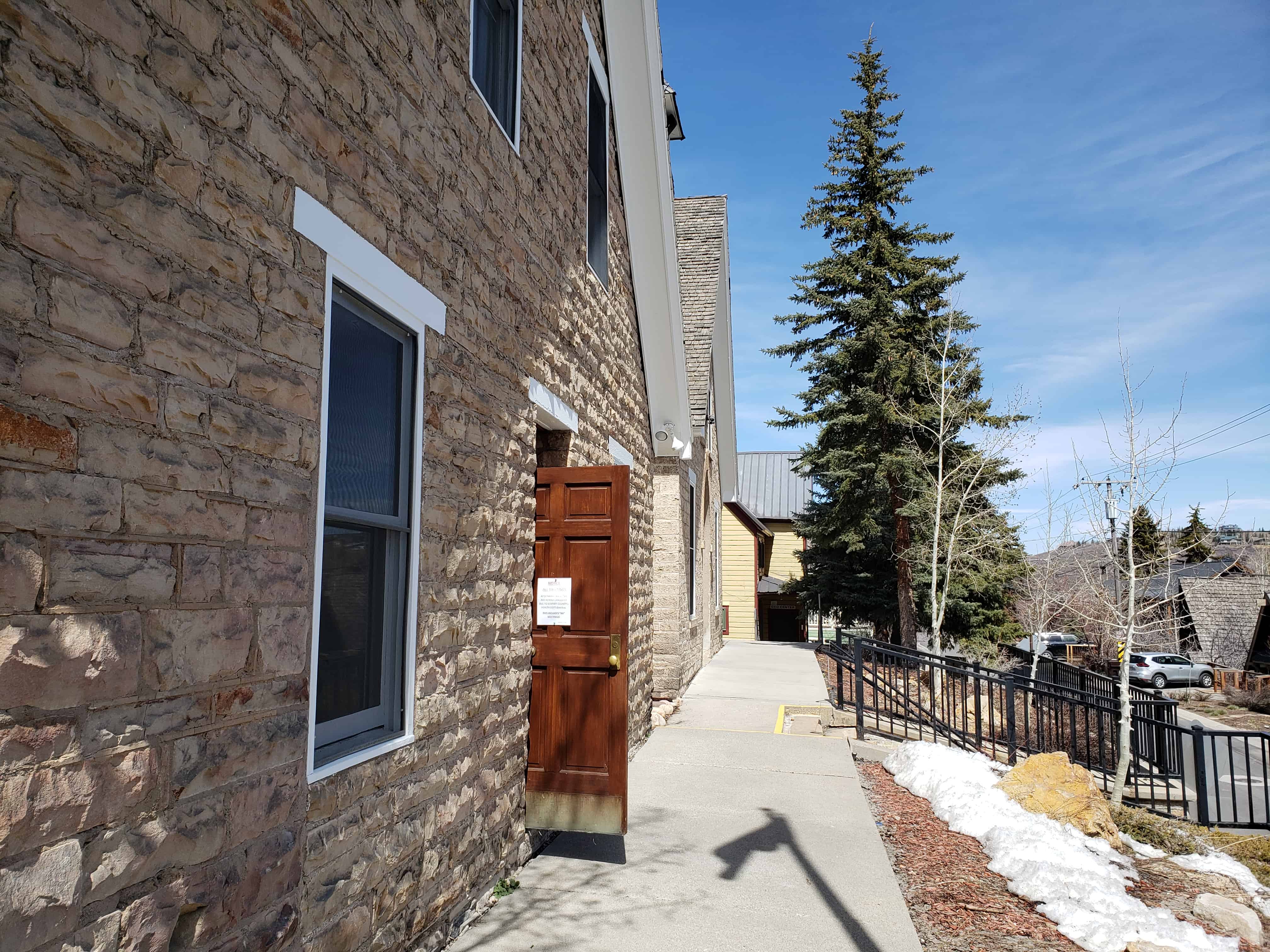
This gothic style brick church was constructed in 1899 by P. Anderson & Company for the First Congregational Church of Park City. Established in Park City in 1879. The Congregationalists joined with the Park City Methodist Church in 1919 under the direction of the Home Missions Council to form the Park City Community Church.
Park City Community Church
The original church on this site was built in the 1880’s by the Congregationalists, a sect which arrived in Park City while it was still a mining camp. Congregationalists were the first to establish regular Protestant services in Utah. By 1883 they were actively proselytizing among local miners and had acquired this property to build a church.
Fire raged through Park City in June of 1898, destroying the original structure. The Pastor immediately declared intention to rebuild, making use of walls left standing after the fire. Plans for the present edifice were complete by October of 1898. The design reflects a basic Gothic style much used in religious institution of that time. Construction was delayed, however, and not completed until 1899.
The church became the Park City Community Church in 1919 when several local Protestant denominations joined congregations in an ecumenical effort. Continuous operation of this church since it was built has provided Park City with important religious, social and educational facilities.
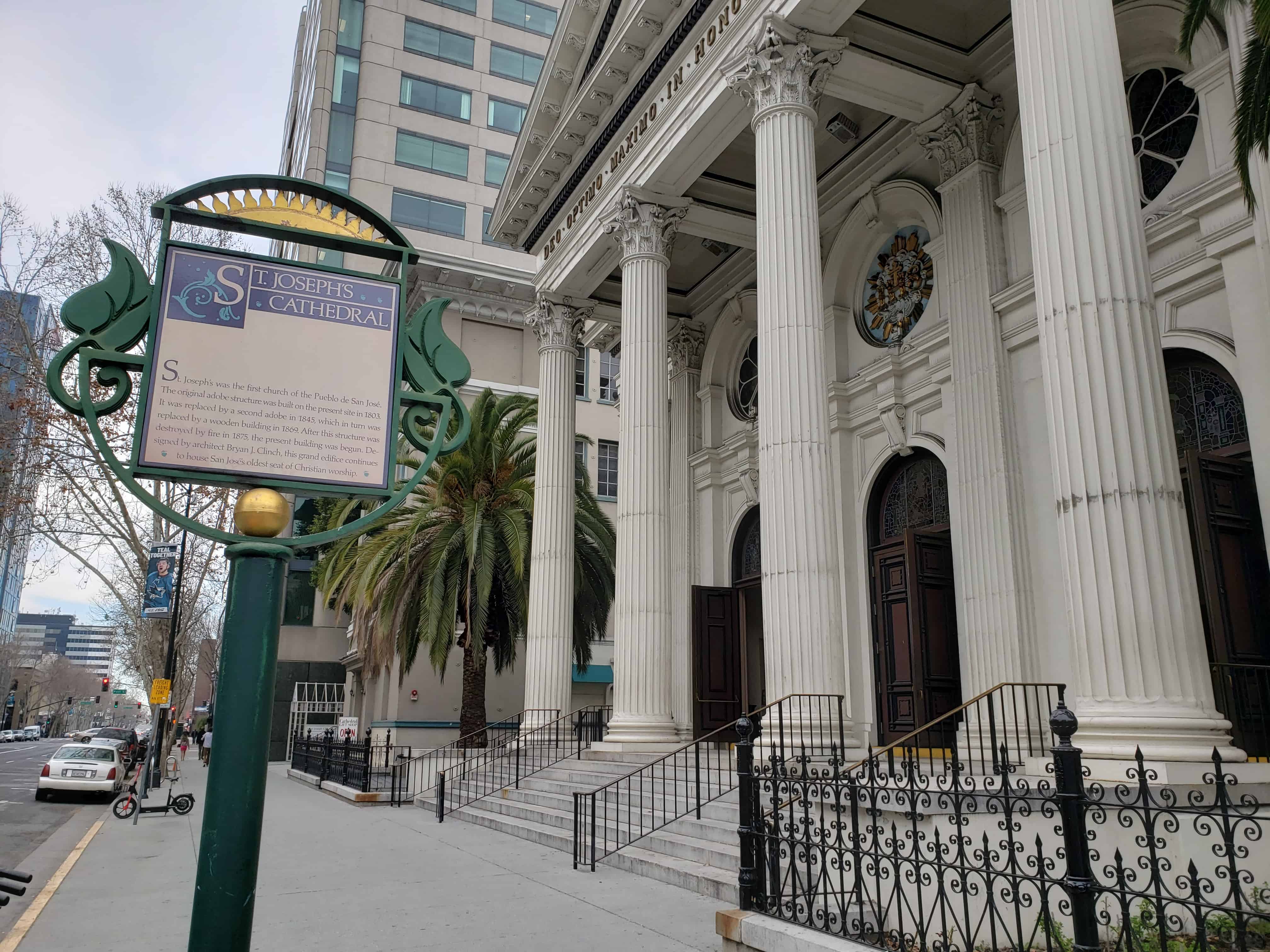
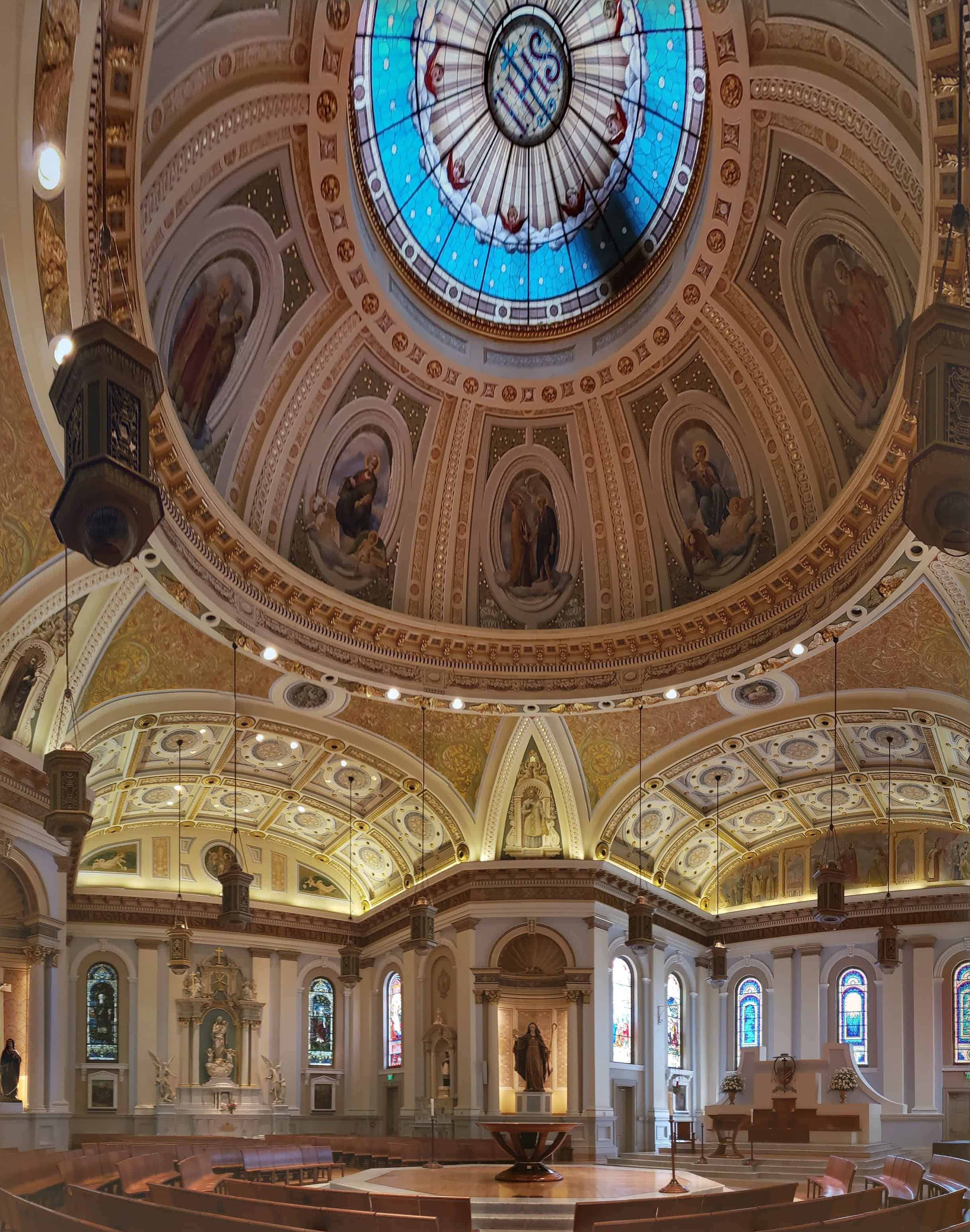
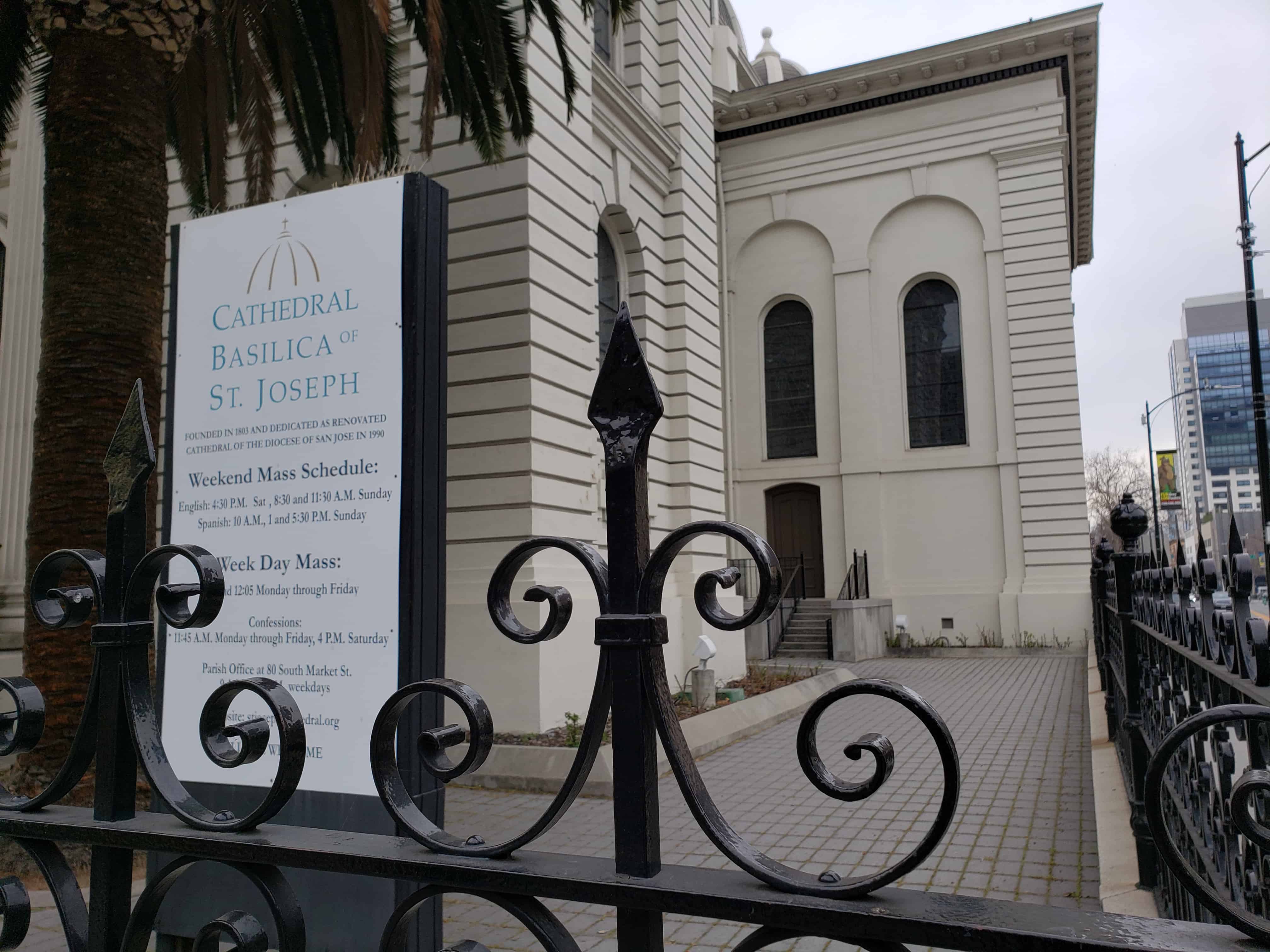
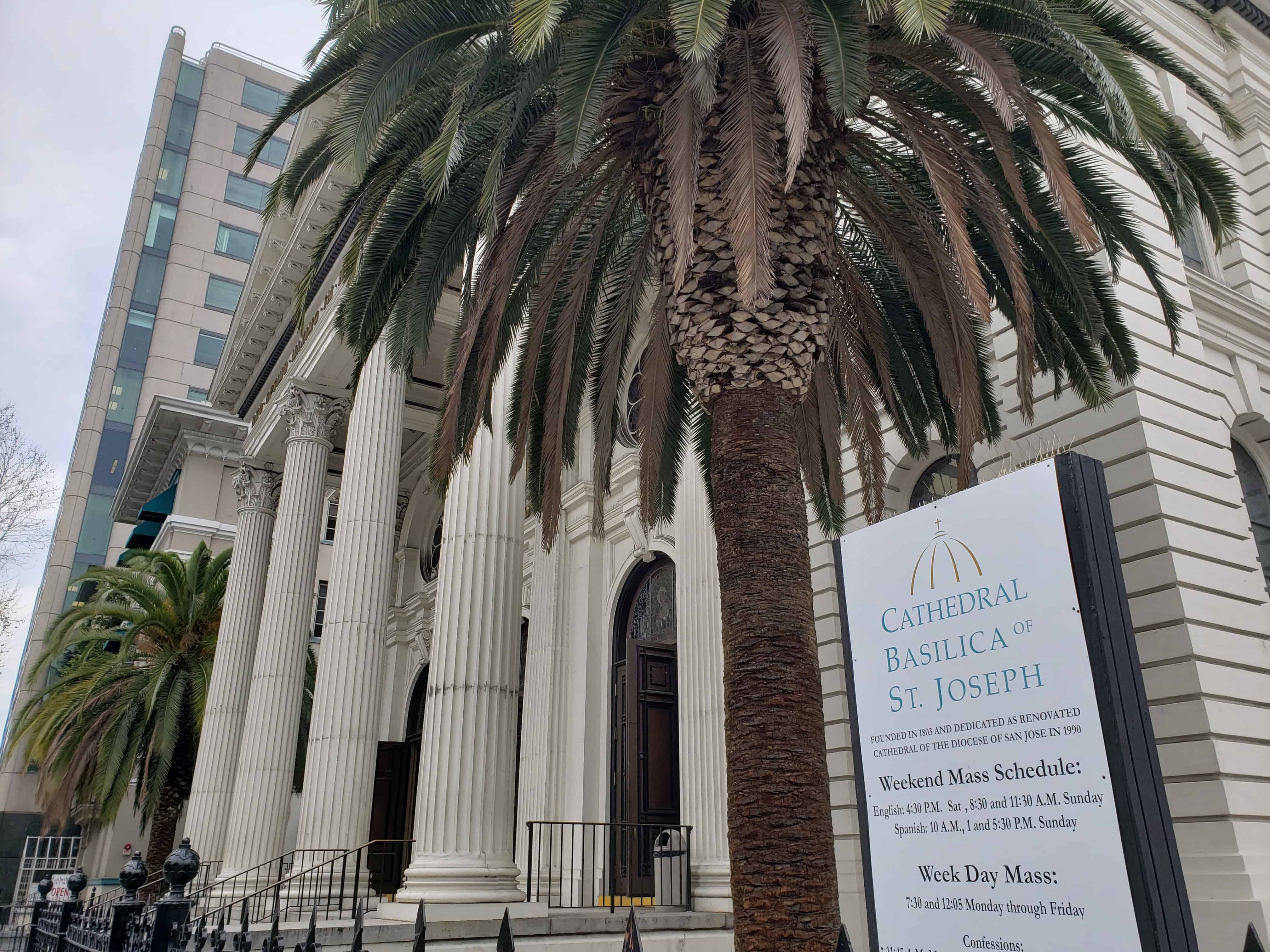
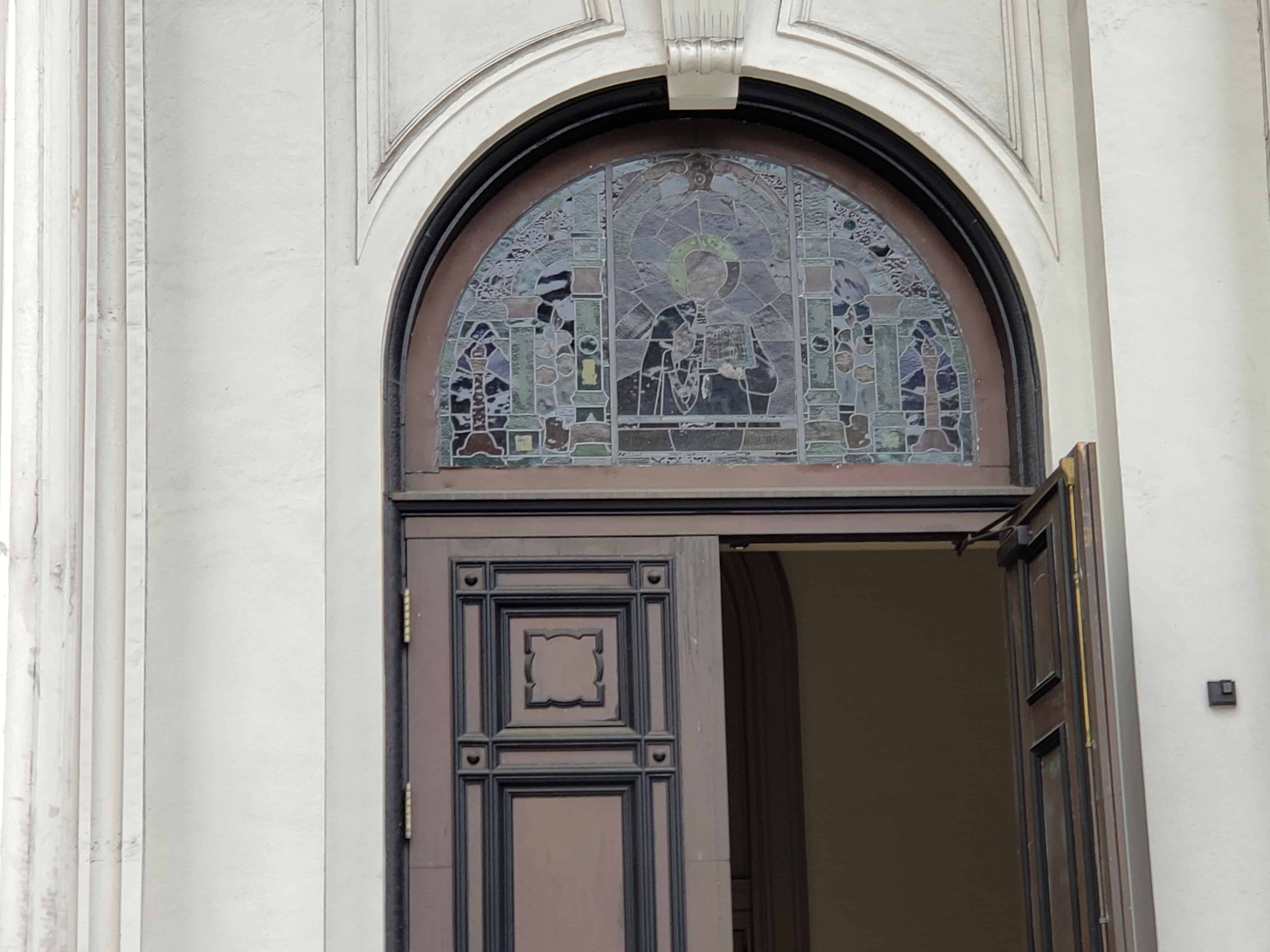
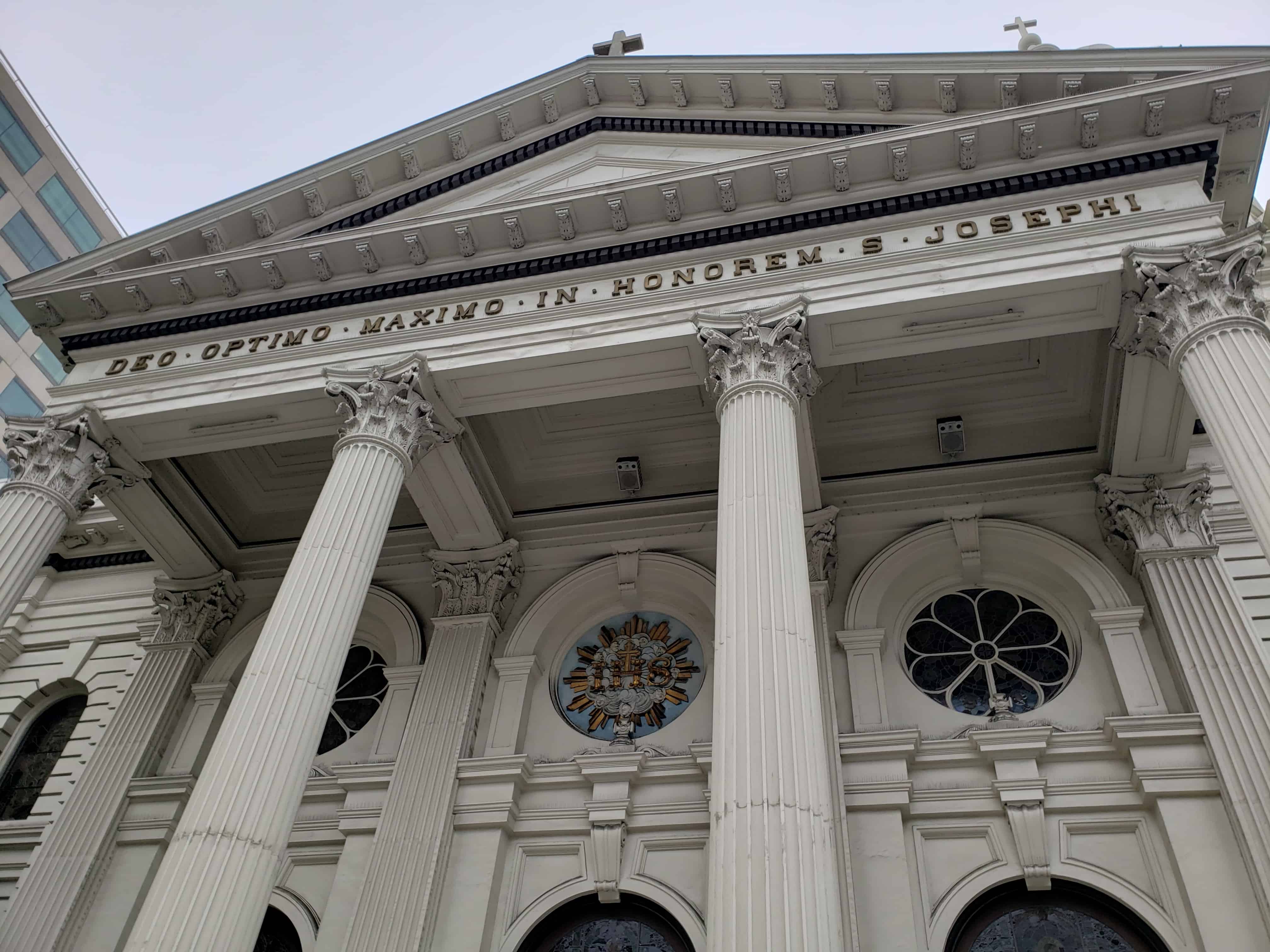
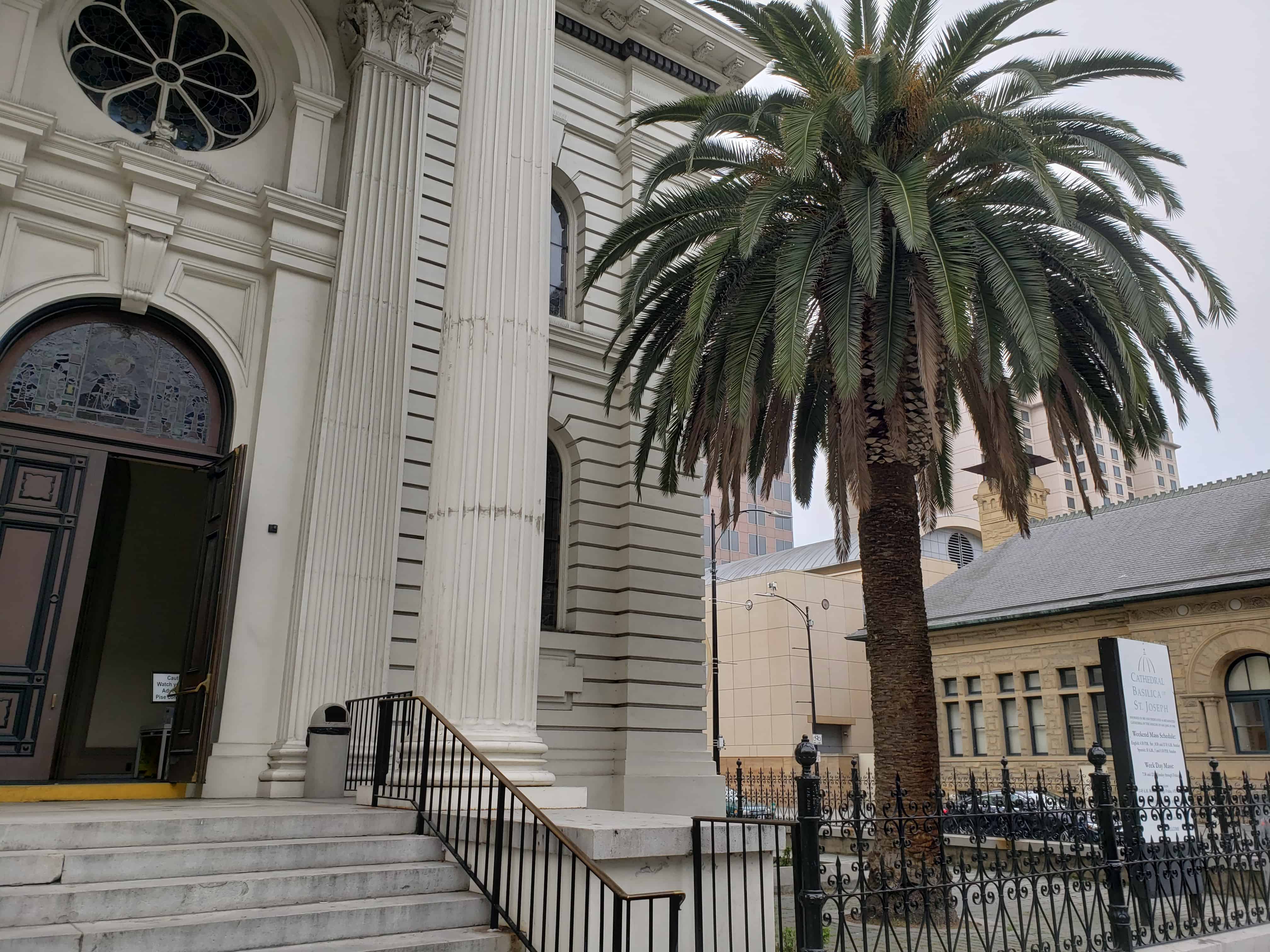
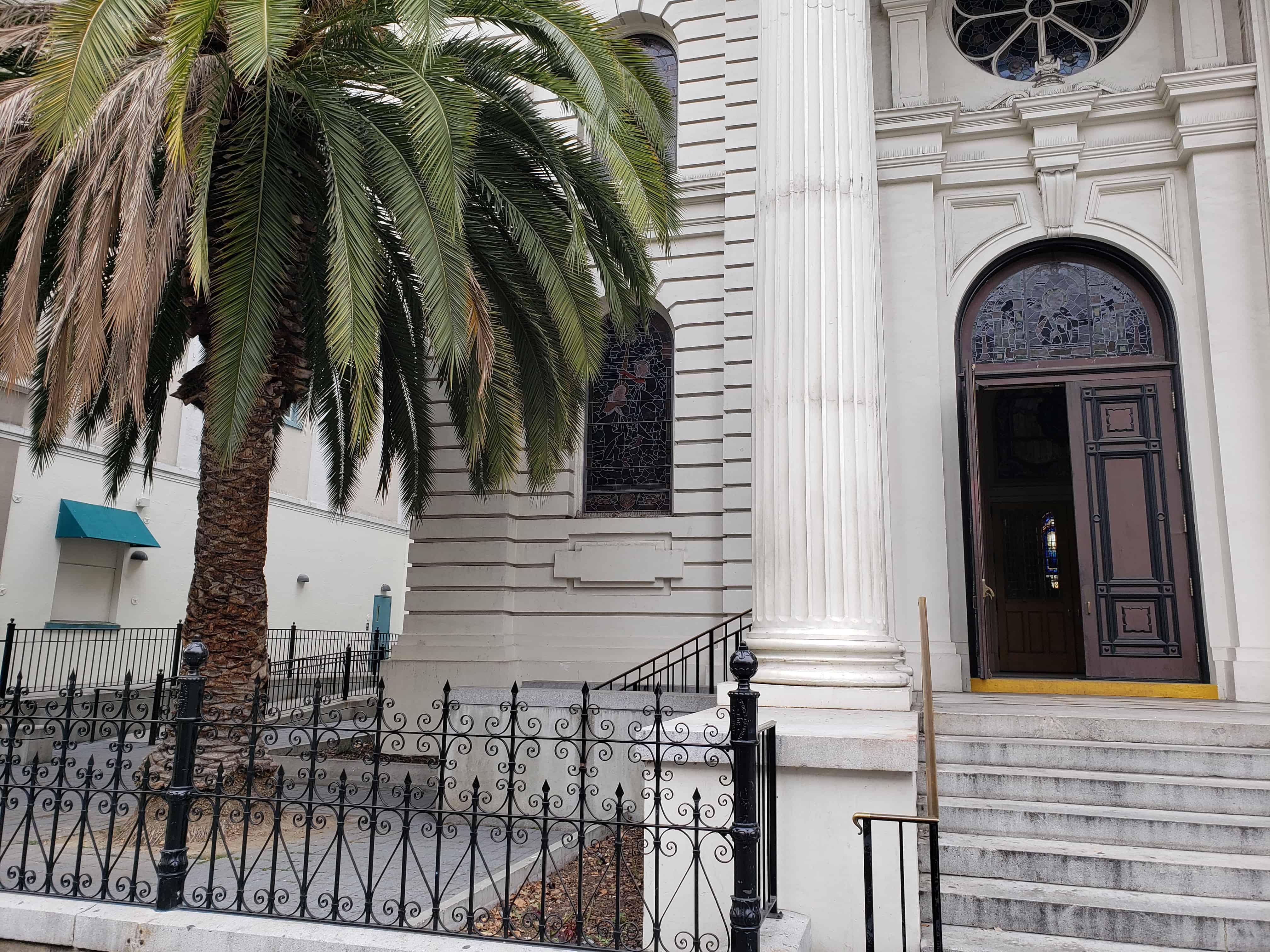
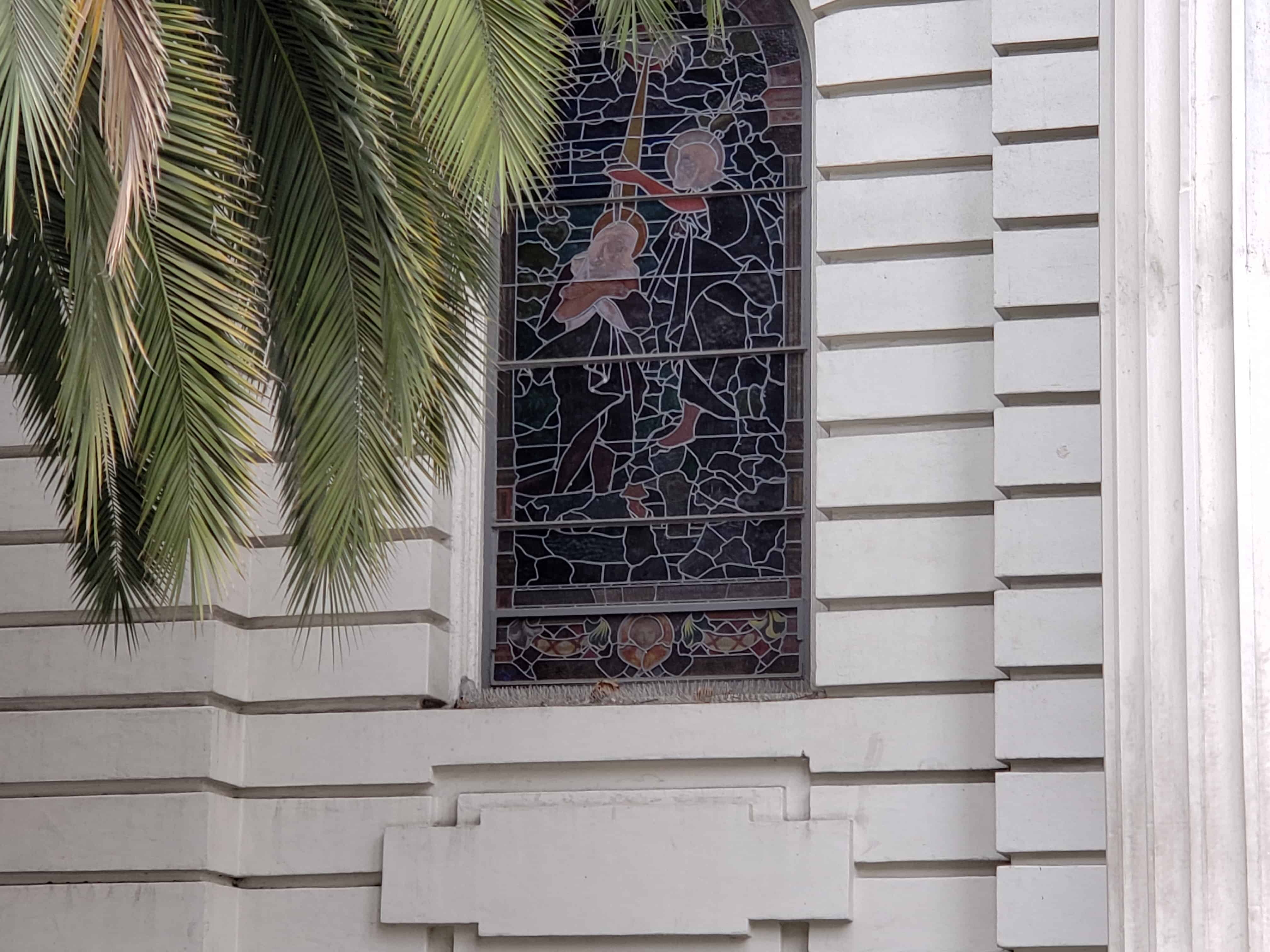
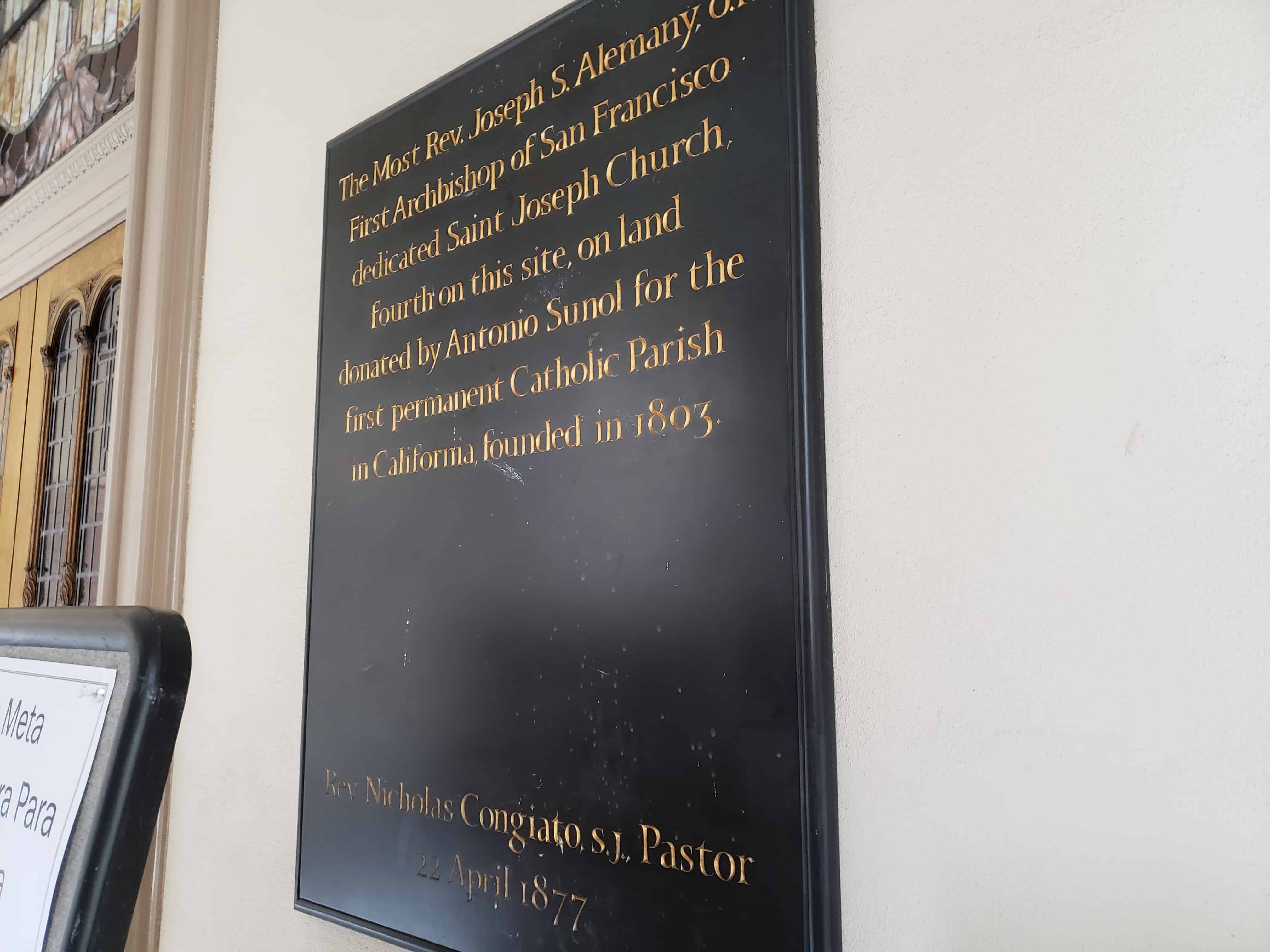
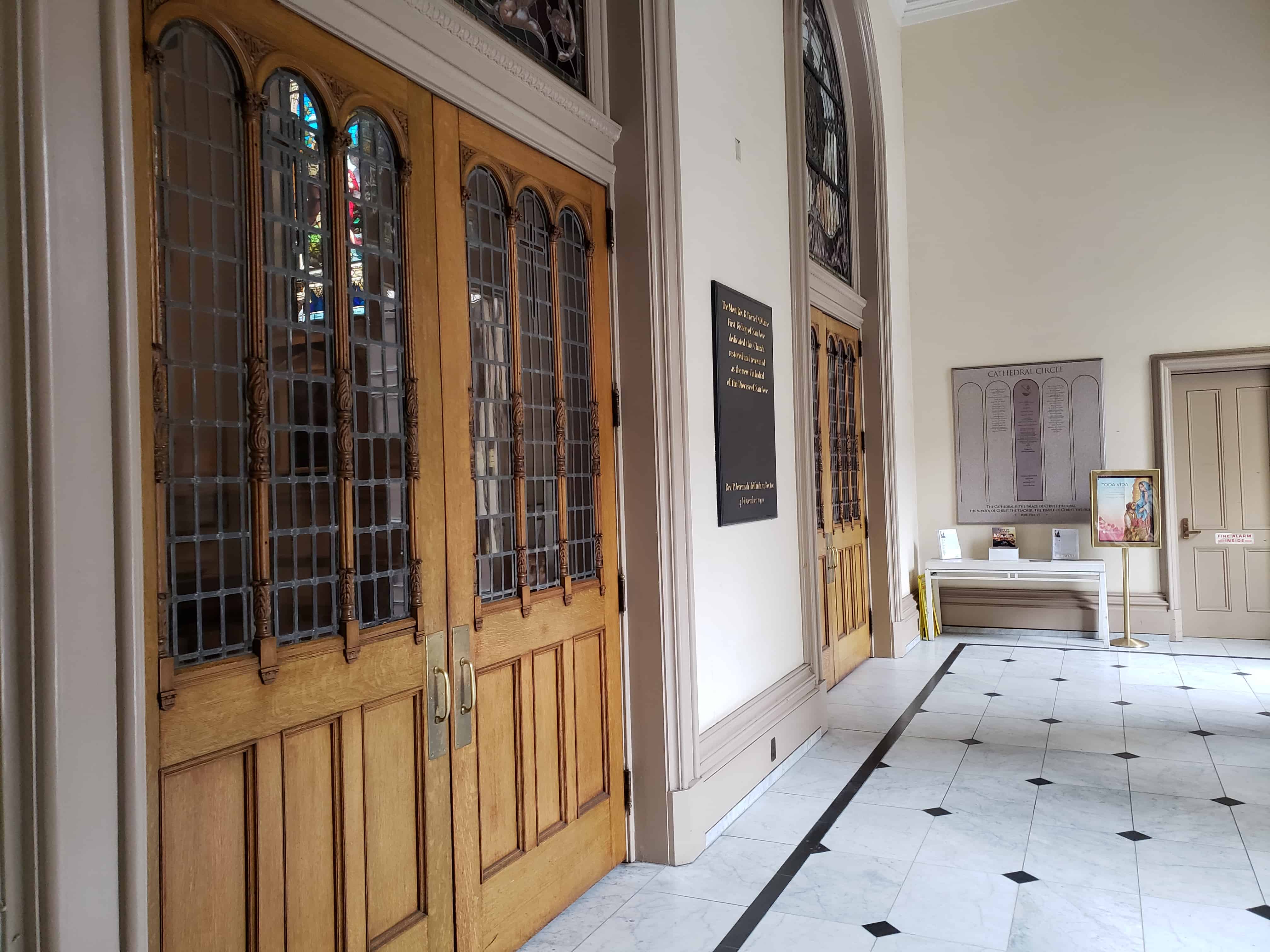
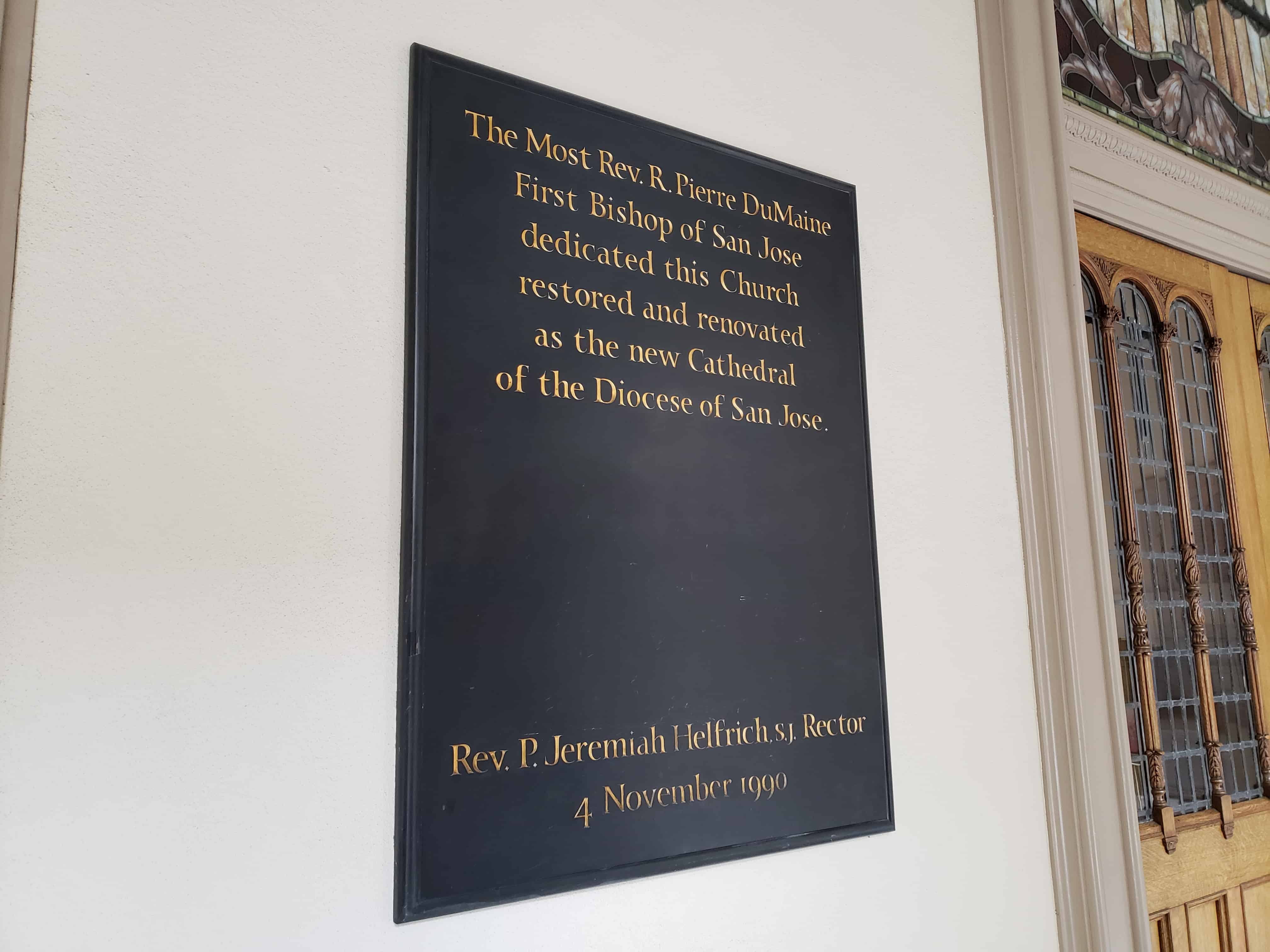
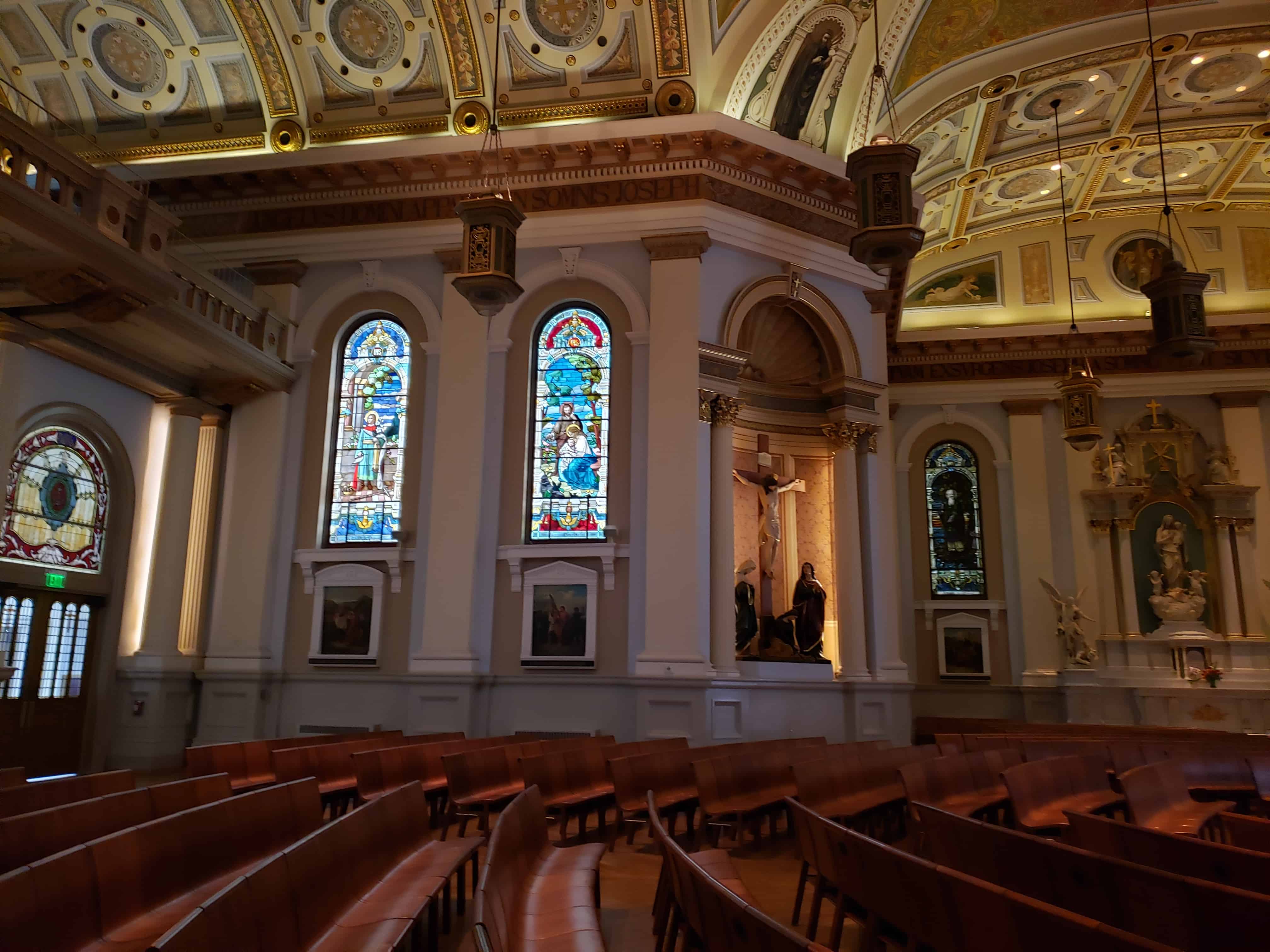
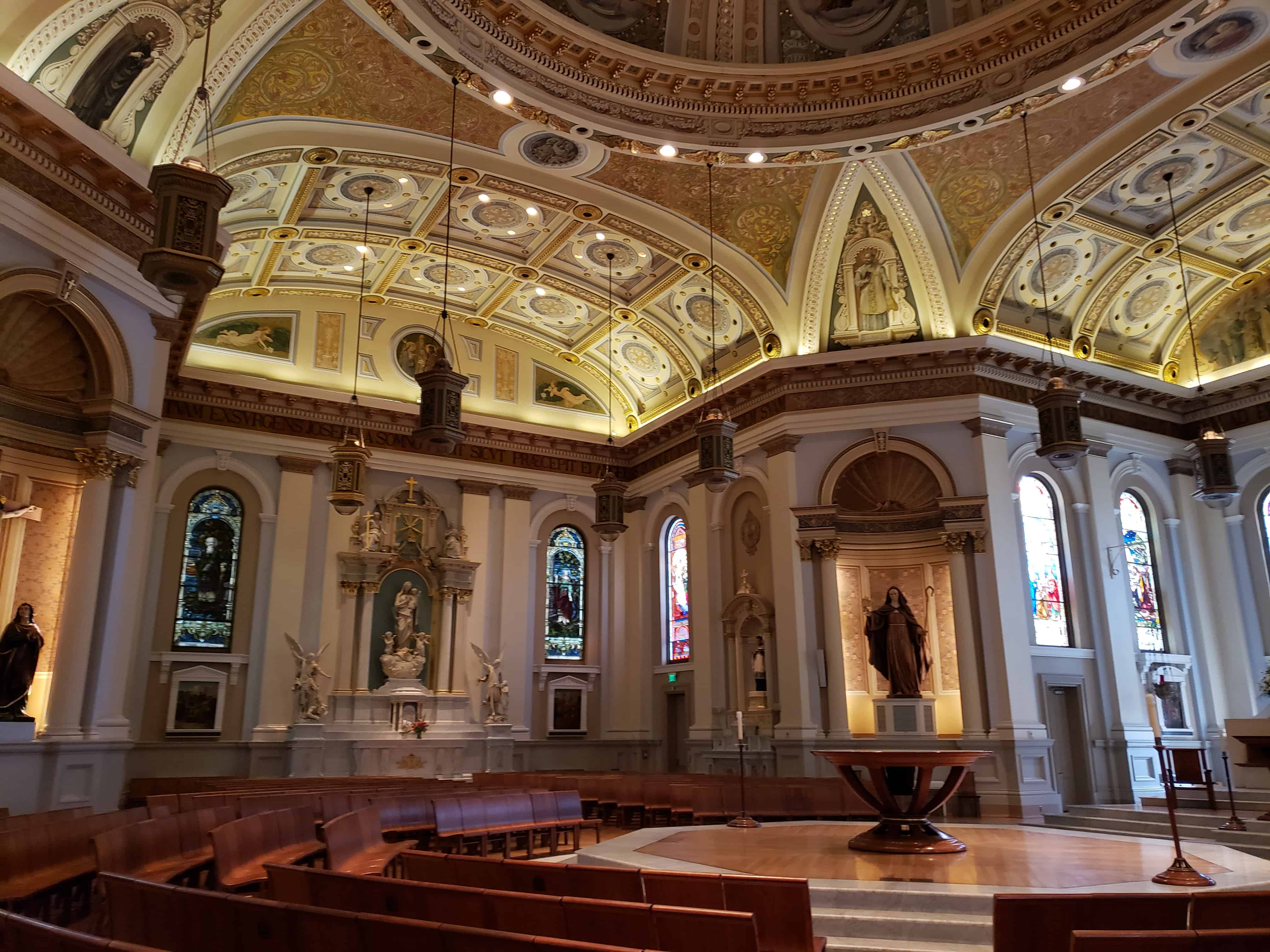
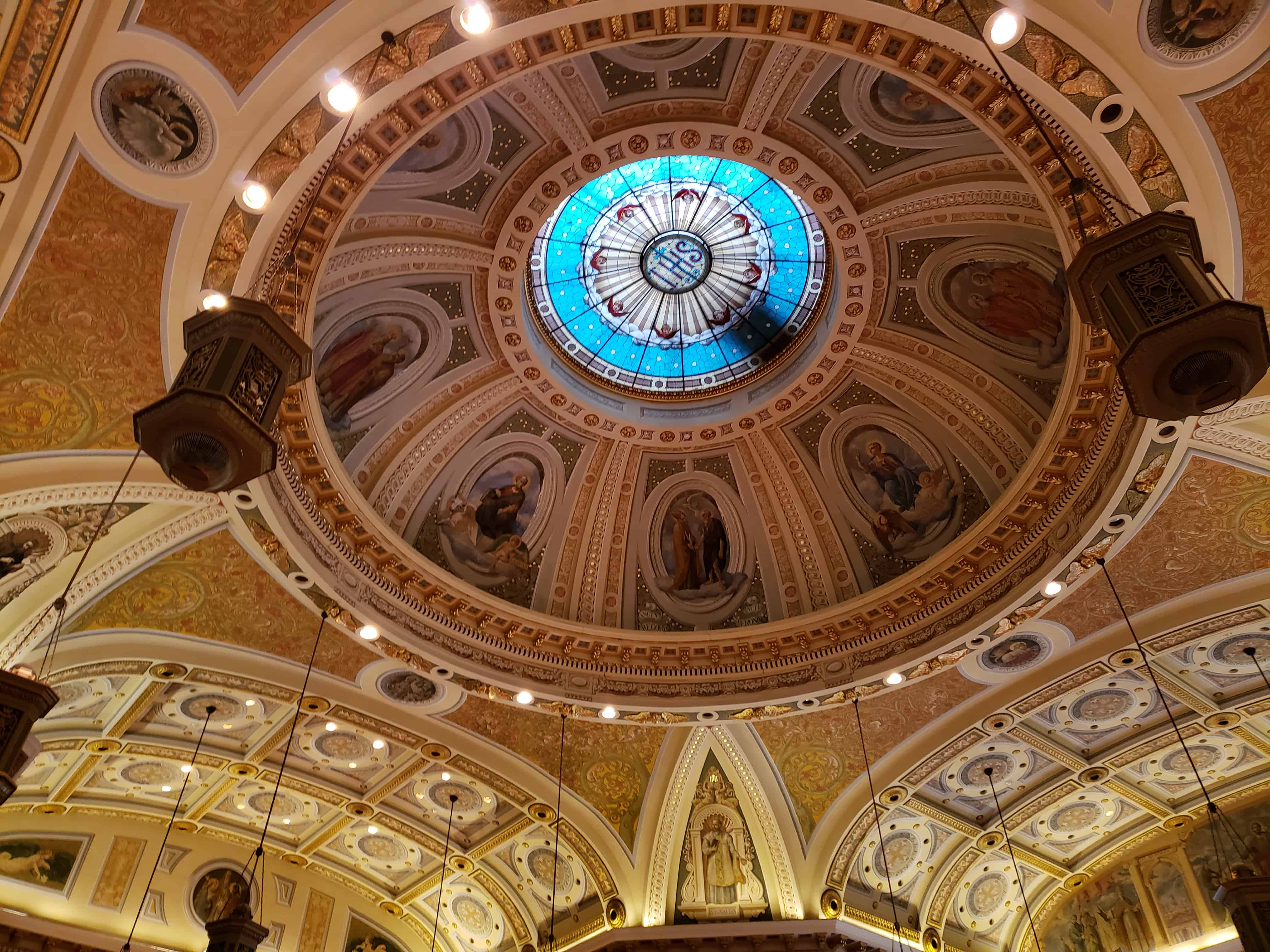
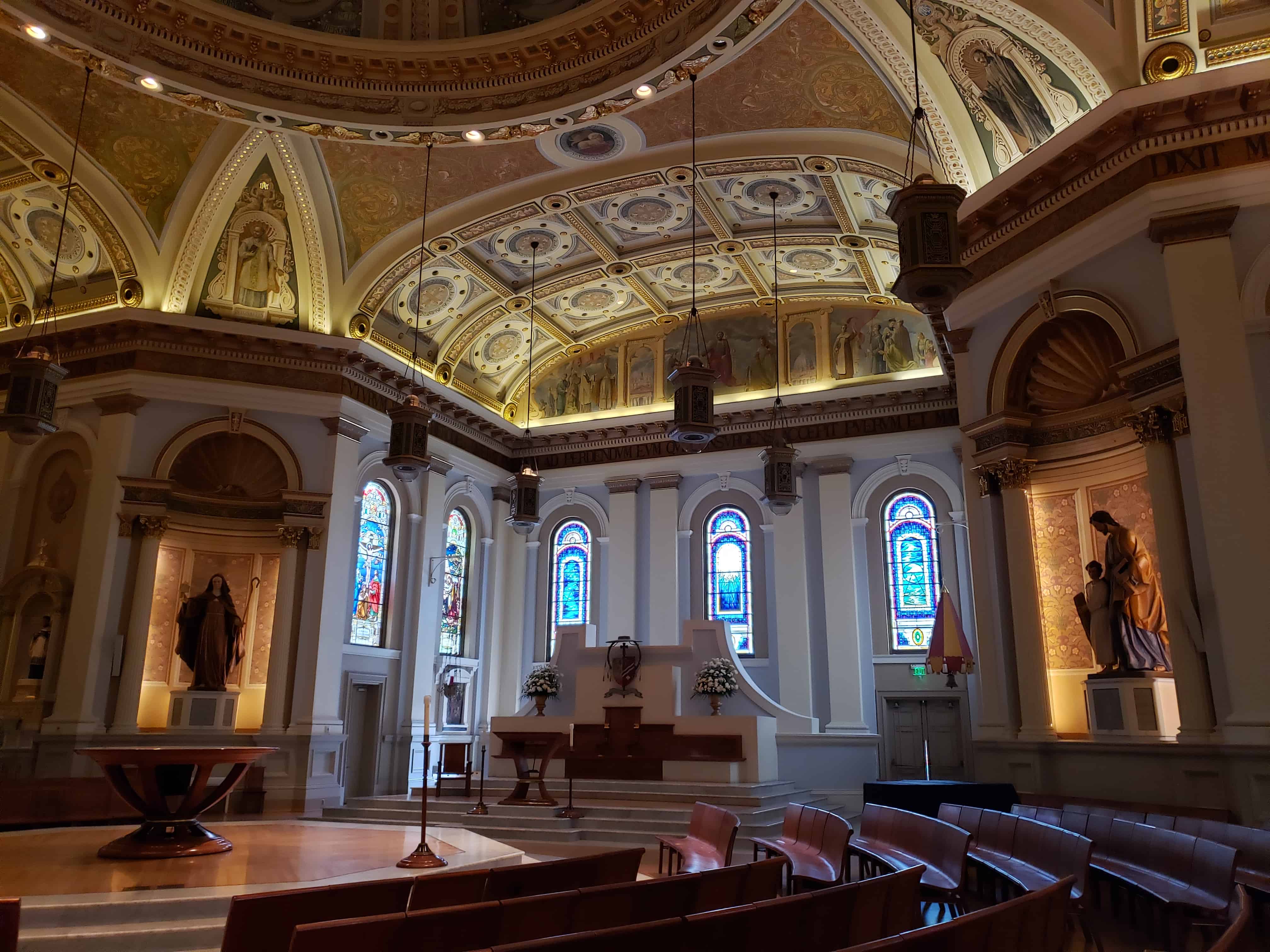
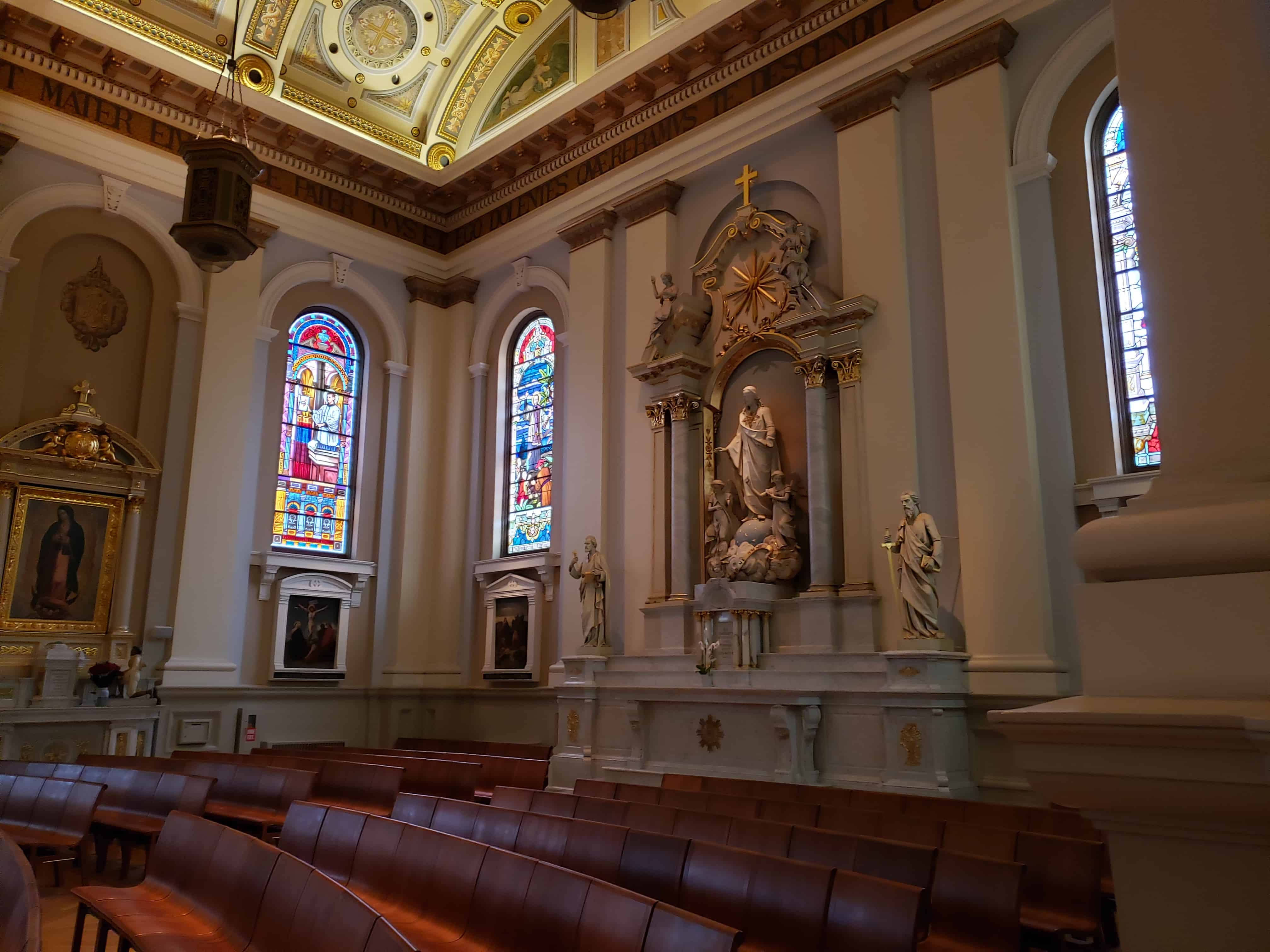
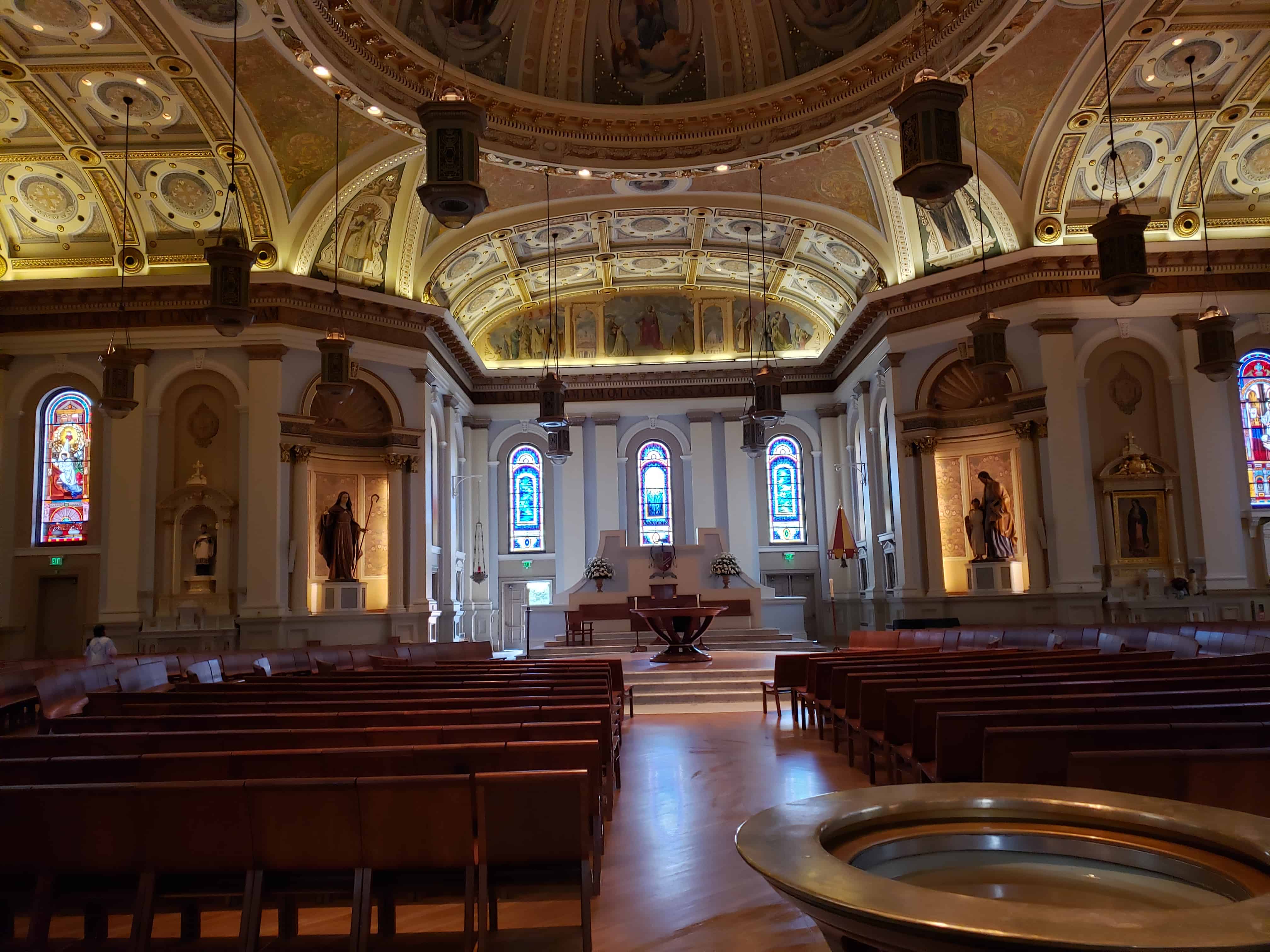
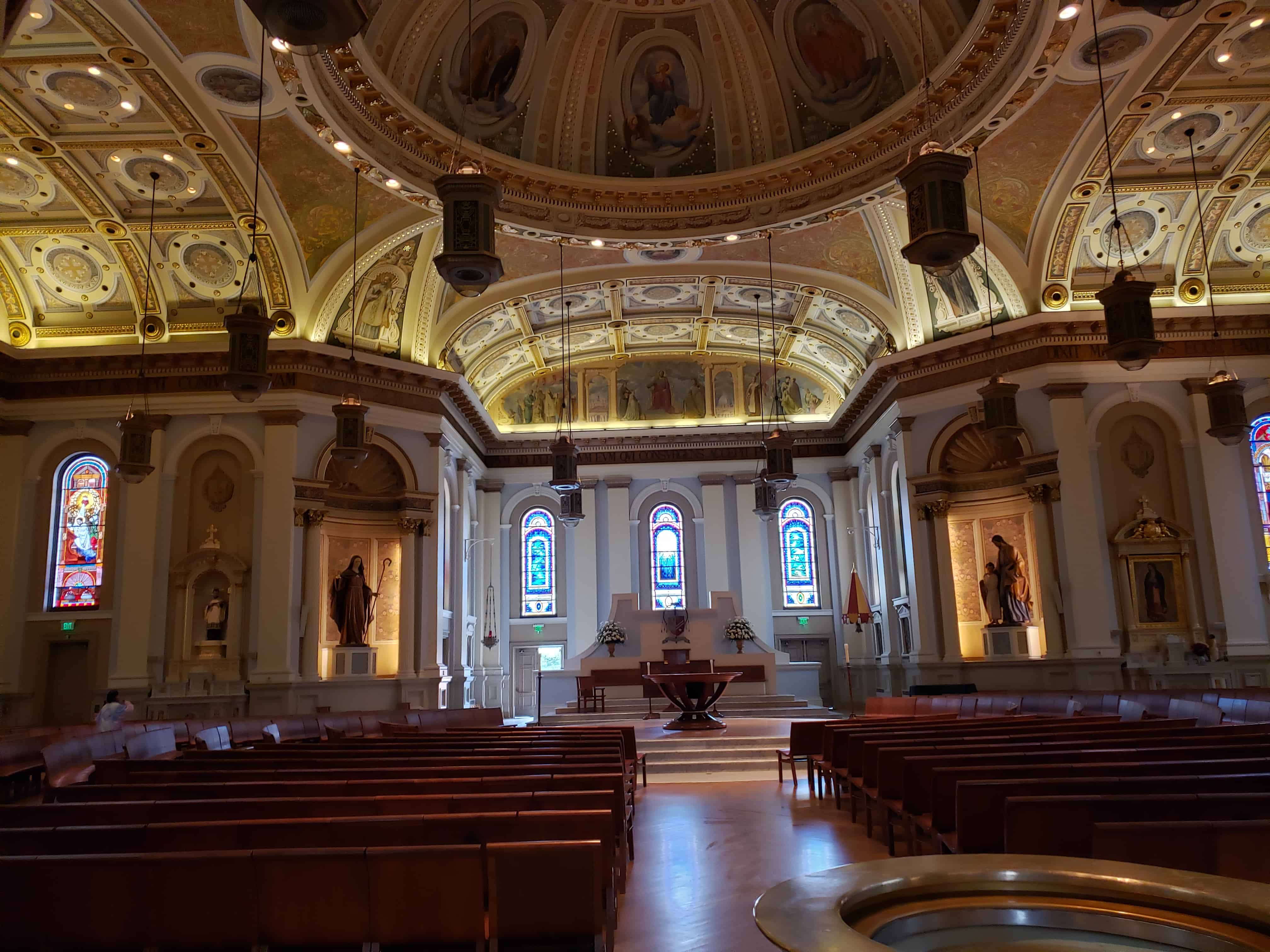
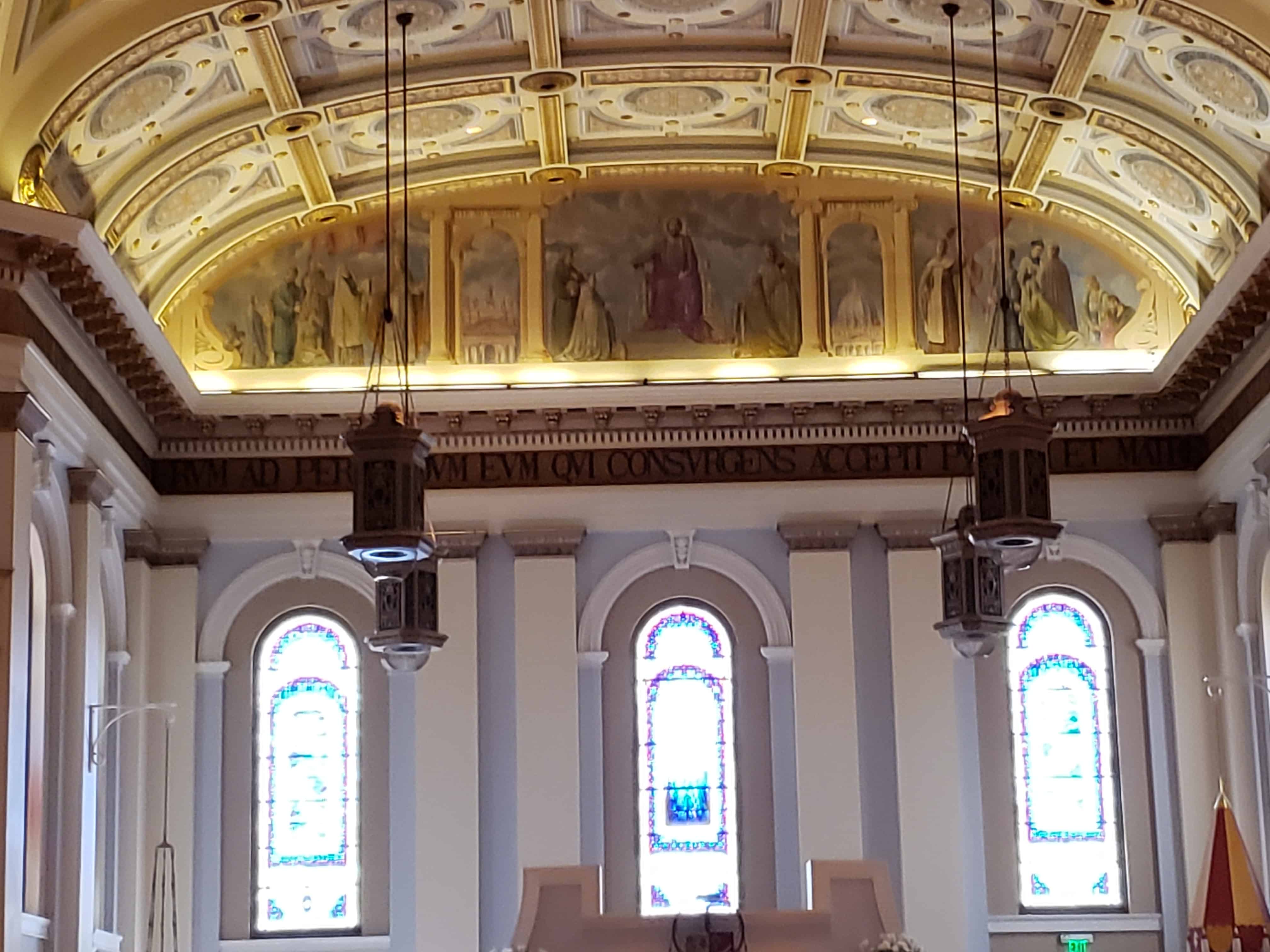
St. Joseph’s was the first church of the Pueblo de San Jose. The original adobe structure was built on the present site in 1803. It was replaced by a second adobe in 1845, which in turn was replaced by a wooden building in 1869. After this structure was destroyed by fire in 1875, the present building was begun. Designed by architect Bryan J. Clinch, this grand edifice continues to house San Jose’s oldest seat of Christian worship.
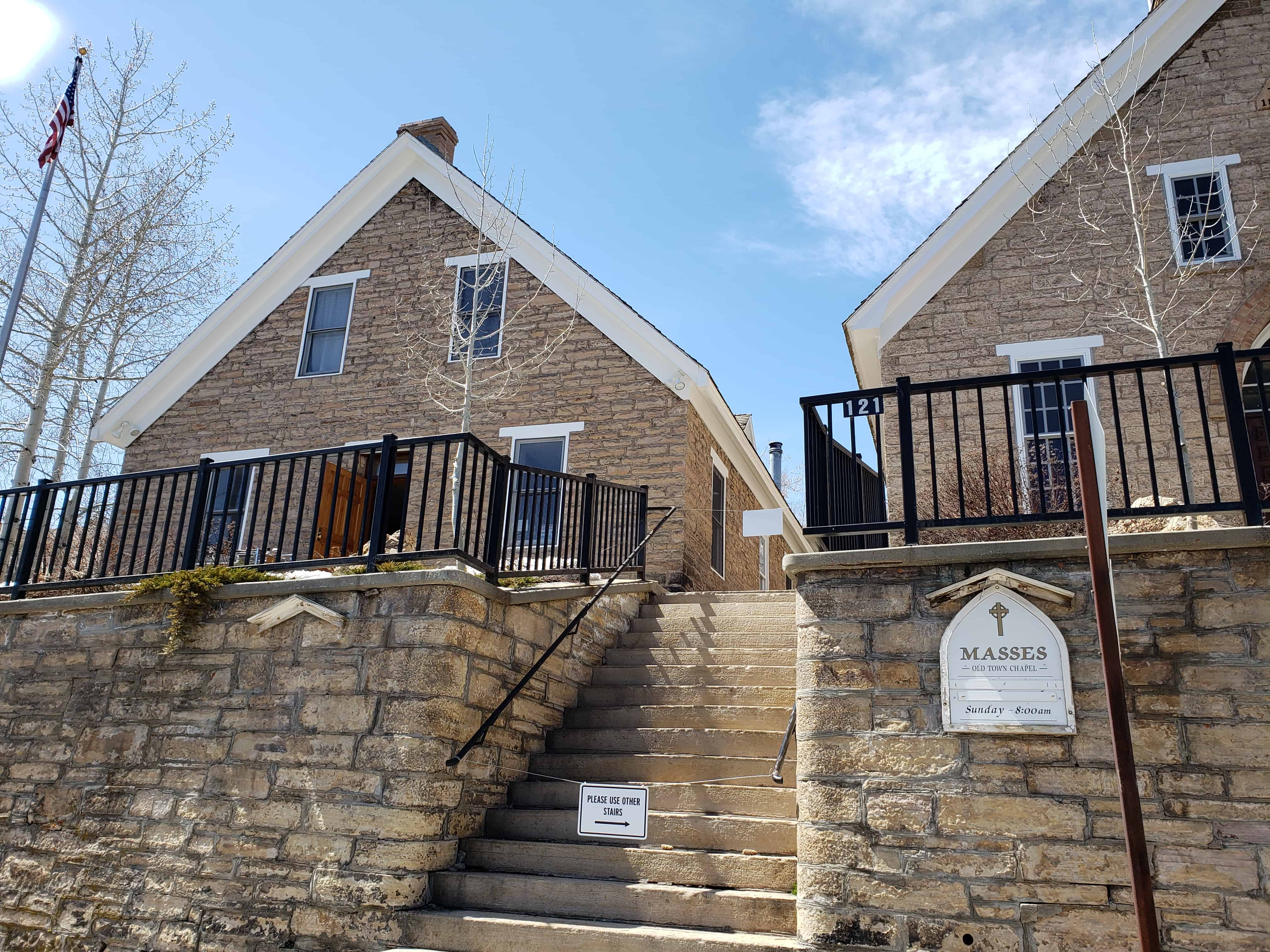
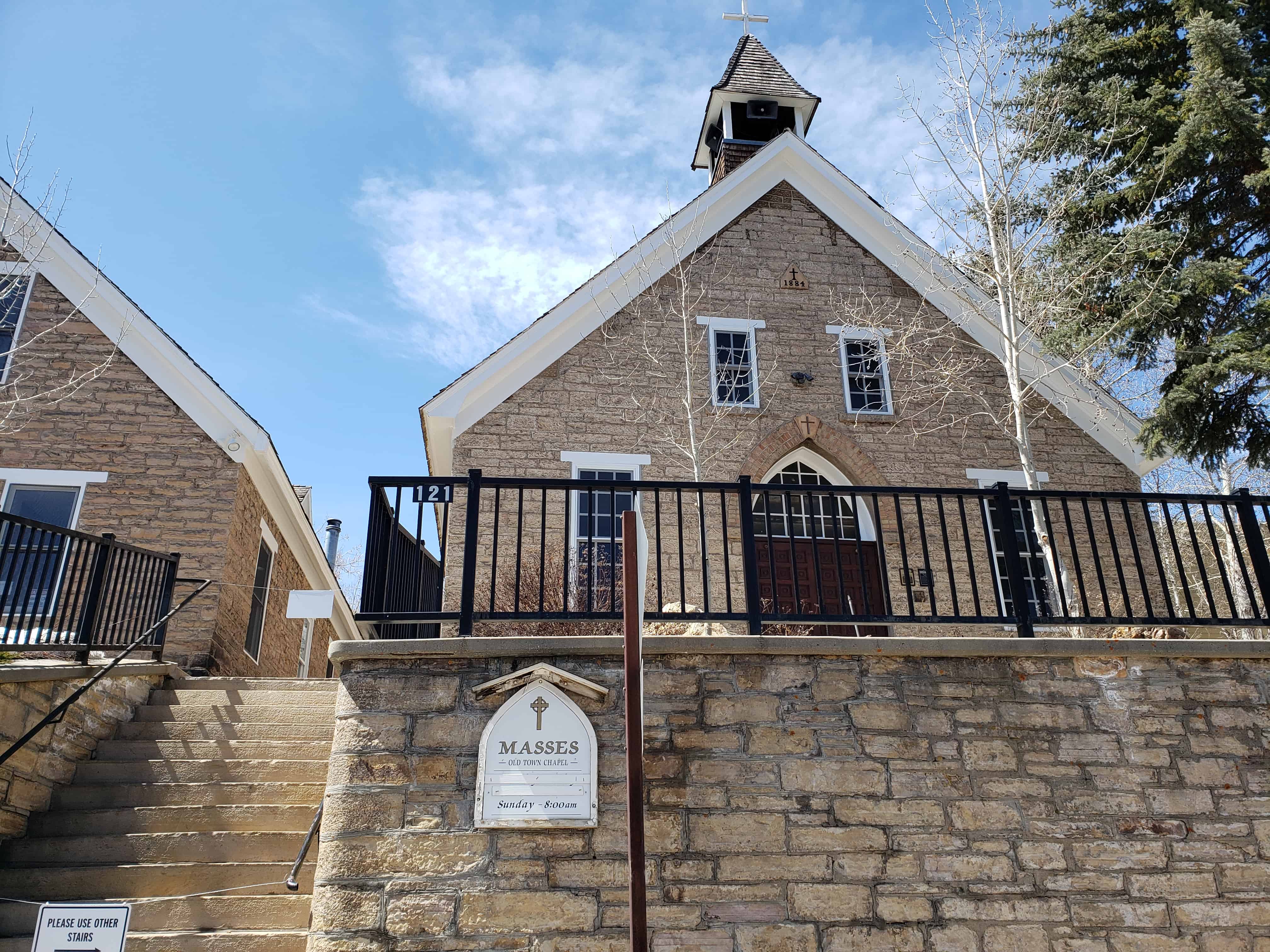
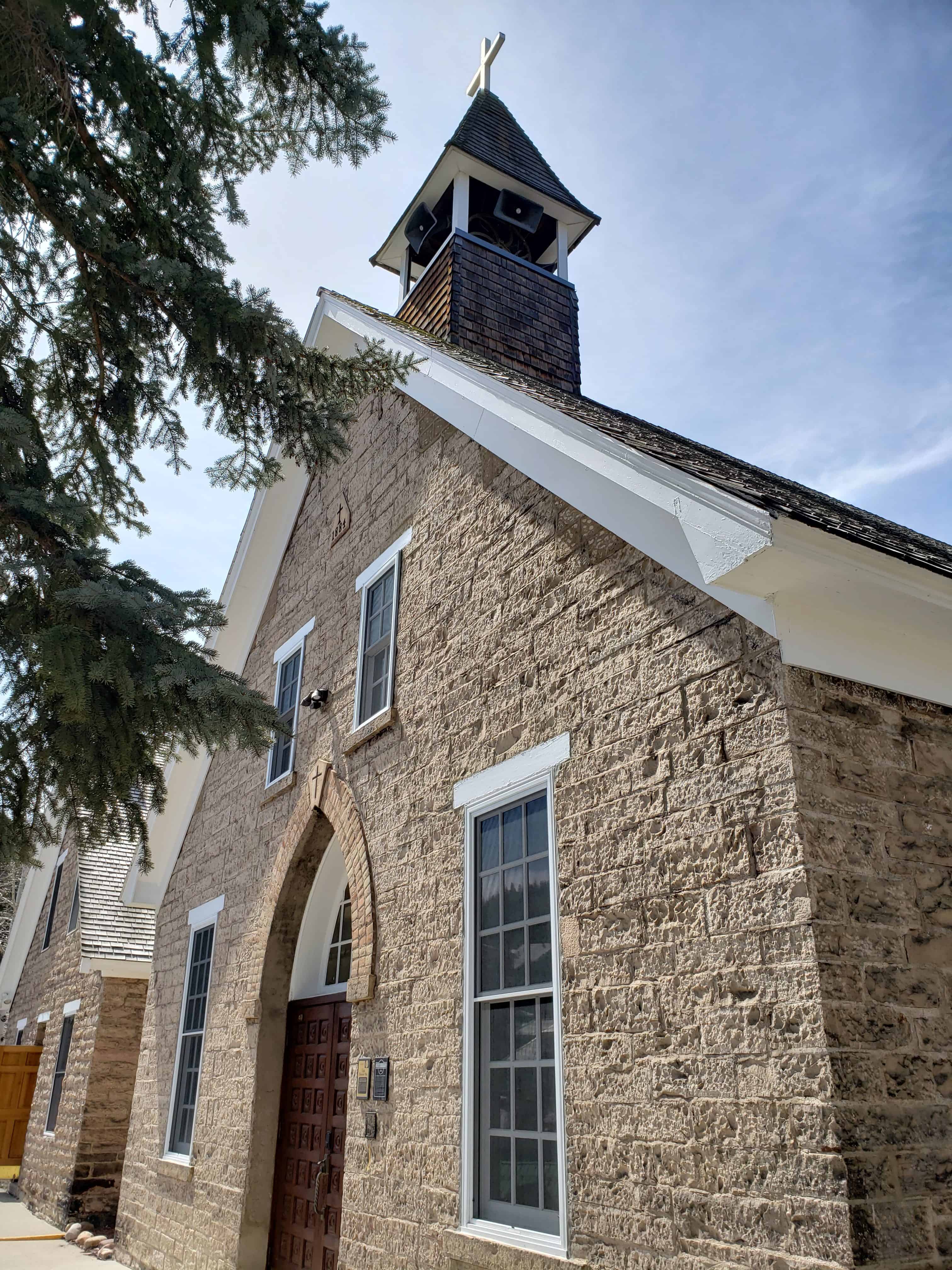
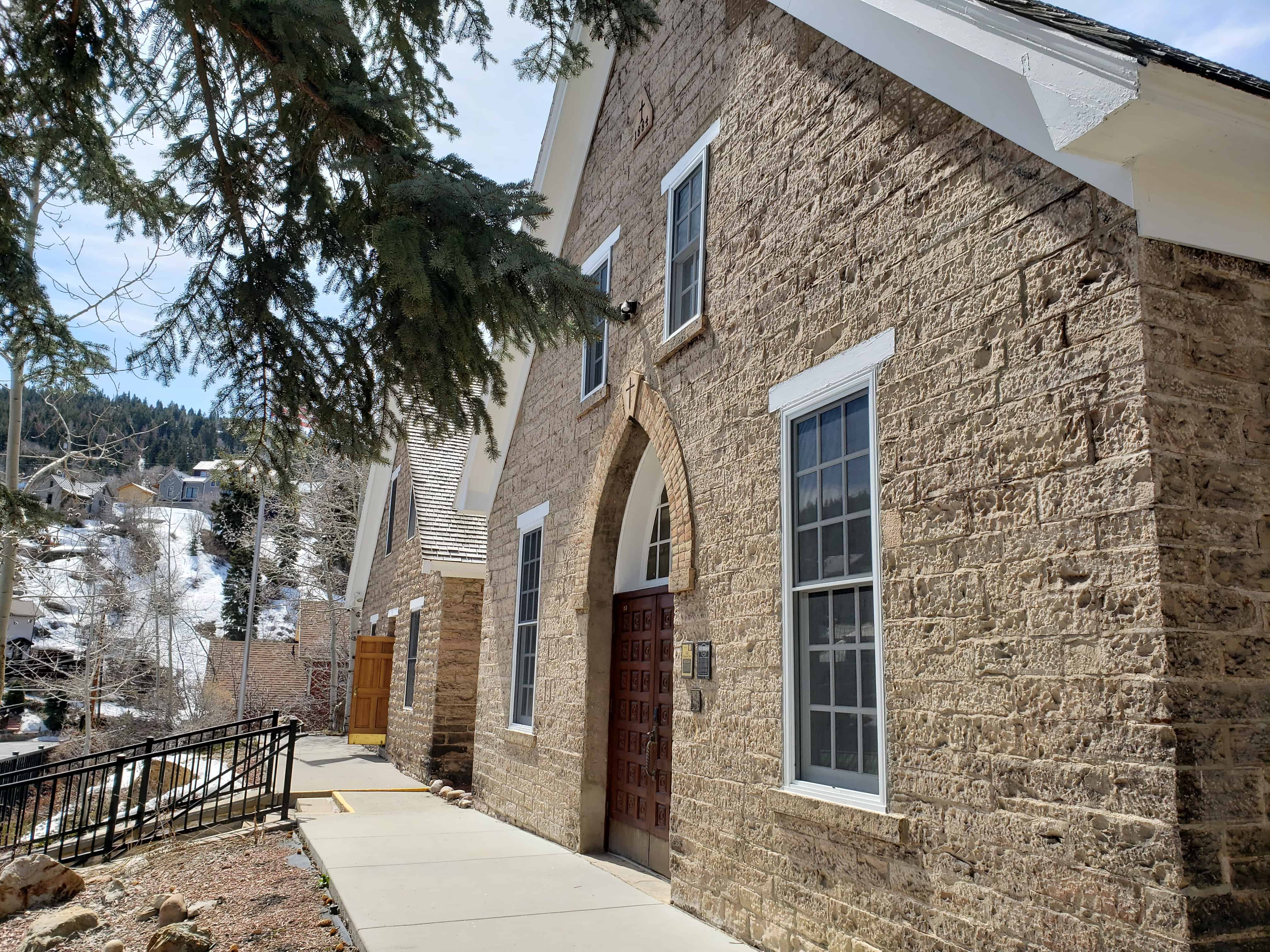
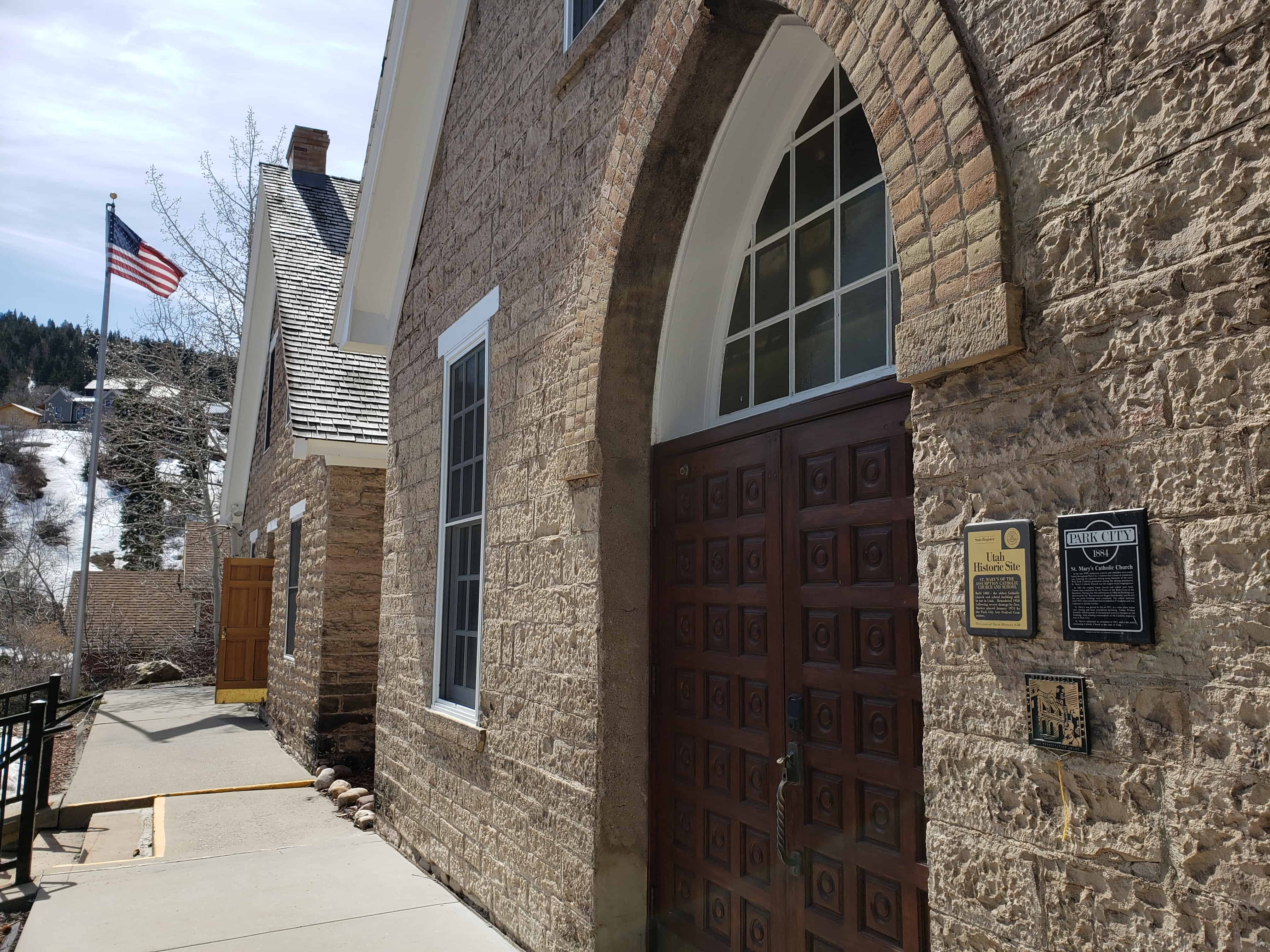
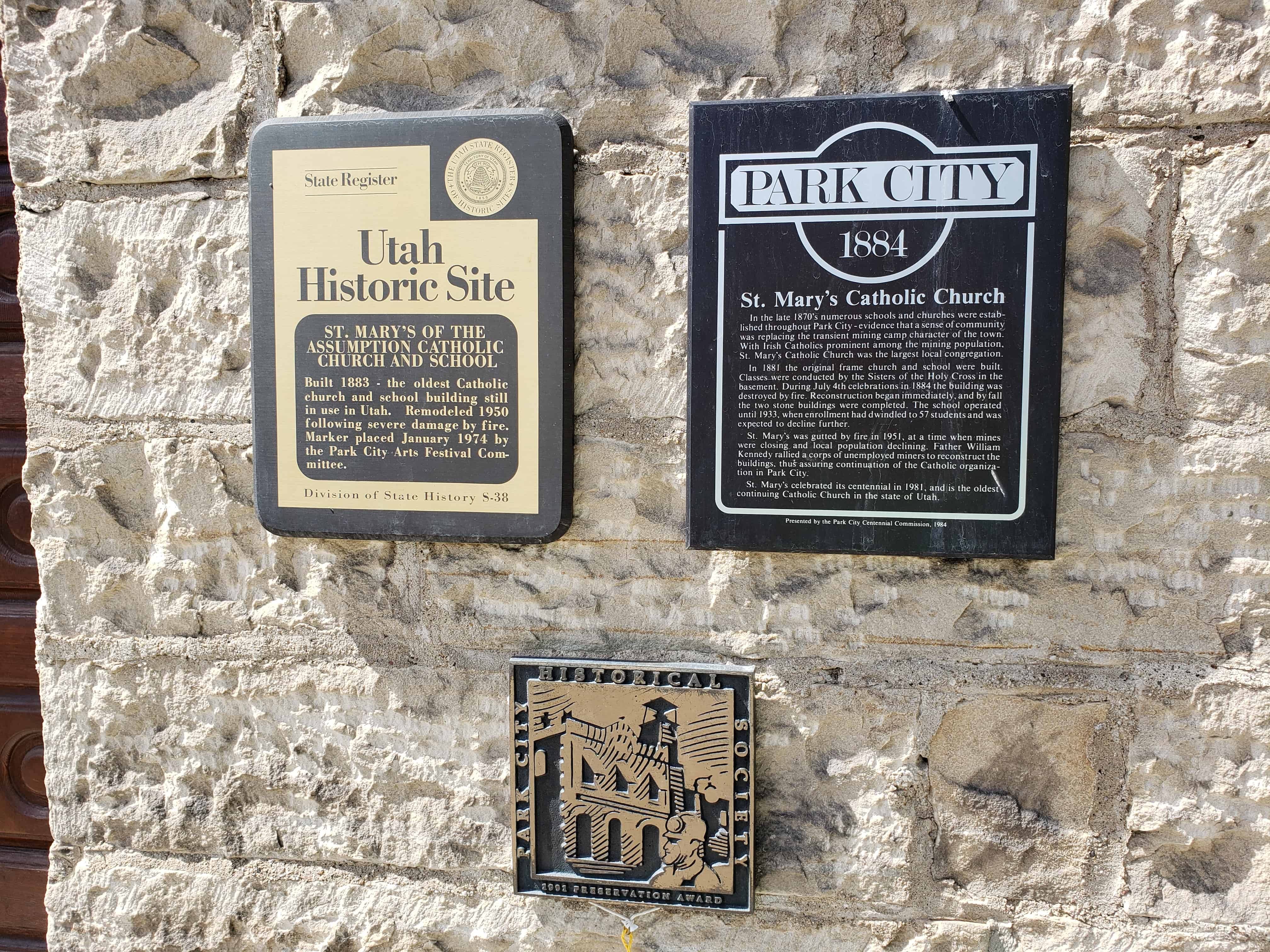
Built in 1883, this is the oldest Catholic church and school still in use in Utah. Remodeled in 1950 following severe damage by fire.
Located at 121 Park Avenue in Park City, Utah and added to the National Register of Historic Places (#79002512) on January 25, 1979.
St Mary’s Catholic Church
In the late 1870’s numerous schools and churches were established through Park City – evidence that a sense of community was replacing the transient mining camp character of the town. With Irish Catholics prominent among the mining population, St. Mary’s Catholic Church was the largest local congregation.
In 1881 the original frame church and school were built. Classes were conducted by the Sisters of the Holy Cross in the basement. During July 4th celebrations in 1884 the building was destroyed by fire. Reconstruction began immediately, and by fall the two stone buildings were completed. The school operated until 1933, when enrollment had dwindled to 57 students and was expected to decline further.
St. Mary’s was gutted by fire in 1951, at a time when mines were closing and local population declining. Father William Kennedy rallied a corps of unemployed miners to reconstruct the buildings, thus assuring continuation of the Catholic organization in Park City.
St Mary’s celebrated its centennial in 1981, and is the oldest Catholic Church in the state of Utah.
St. Mary’s is the oldest remaining Catholic Church in the state of Utah. The church and school, rebuilt in 1884 after a fire, represent both the successes of pioneer missionary efforts of the Catholic Church in Utah, as well as early educational endeavors in the mining town of Park City.
Catholic missionary work effectively began in the Utah area with the efforts of Father Lawrnece Scanlan. 1 In 1865 the Territory was placed under the jurisdiction of the Right Reverand Eugene O’ Cornell, Bishop of Marysville, California, with Father Edward Kelly appointed pastor. Kelly’s tenure was ephemeral since in October, 1866 Utah was transferred to the jurisdiction of the Rt. Reverand Joseph P. Machebeuf , Vicar Apostalic of Denver. After the appointment of several priests to the area, Scanlan came to Utah in 1873, and promptly began to establish missionary stations in a vast parish which included all of present-day Utah and a portion of Nevada.
Beginning in the late l860’s mining in Utah attracted numerous miners and entrepreneurs. Mining camps sprang up in many parts of Utah, and Irish Catholics were prominent among the mining population. Park City, Utah quickly attained the label of a “bonanza camp.” Located some thirty miles east of Salt Lake City, the camp, comprising mostly non-Mormons (Gentiles), was visited in 1873 by Scanlan, who made regular trips until 1878.
Mass was said in Simon’s Hall, the present site of the Claim jumper Hotel, and occasionally at Digman’s Hall. Father Denis Kiely aided Scanlan, and between the years of 1881 and 1881!-, Park City priests were Fathers Donohue, Tierney, and Blake.
These meeting places proved to be too small, therefore, in 1881 a frame church and school was erected upon a lot on the western slope of the canyon-Park City’s first church. Scanlan had asked the Sisters of the Holy Cross to open a school in Park City, and the request met with compliance. The necessity of both a church and school were viewed as important in fostering Catholicity. In 1882 Sisters Alexis, Martina, Aurea, and Joseph arrived in Park City from South Bend, Indiana, followed by Sister Elise, Superior. They taught school, which was attended by Catholic as well as Protestant children.
Amid the festivities of July 4, 1881, a fire destroyed the church and school. Reports circulated that the fire was the work of an arsonist, who had threatened to take revenge upon the townspeople. The fire began at about 8:00 p.m., near a door in the west end of the building. Firefighters experienced difficulty in laying a water line; thus, the structure was lost.
Park City’s Catholics quickly united and work commenced almost immediately on the erection of a new chiirch and school. By July 19, 1884 workers were in the process of construction, with reports stating that the two buildings were to be each 33 x 60 feet, with 10 foot walls, and iron roofs of a steep pitch. The two stone structures cost an estimated $10,000, and by fall school had begun.
St. Mary’s church still serves the Park City community. High scholarship was always equated with the elementary school, which maintained a regular curriculum as well as such classes as bookkeeping, and sewing and fancy needlework. The school’s excellence attracted both Catholic and non-Catholic students. In December, 1887, enrollment was listed at 145 students. Economic fluctuations caused student numbers to rise and fall, but in 1933 the school closed.
Park City’s St. Mary of the Assumption Church remains as the oldest intact, functioning Catholic Church in the state of Utah. The mining boom of the late nineteenth century accounted for much of the state’s early Catholic population. In addition, the missionary efforts of Lawrence Scanlan, later Salt Lake City’s first Bishop, are embodied in both the church and school. It is these structures which aid in the understanding of the link between mining and the “coming of the Gentiles” to Utah.
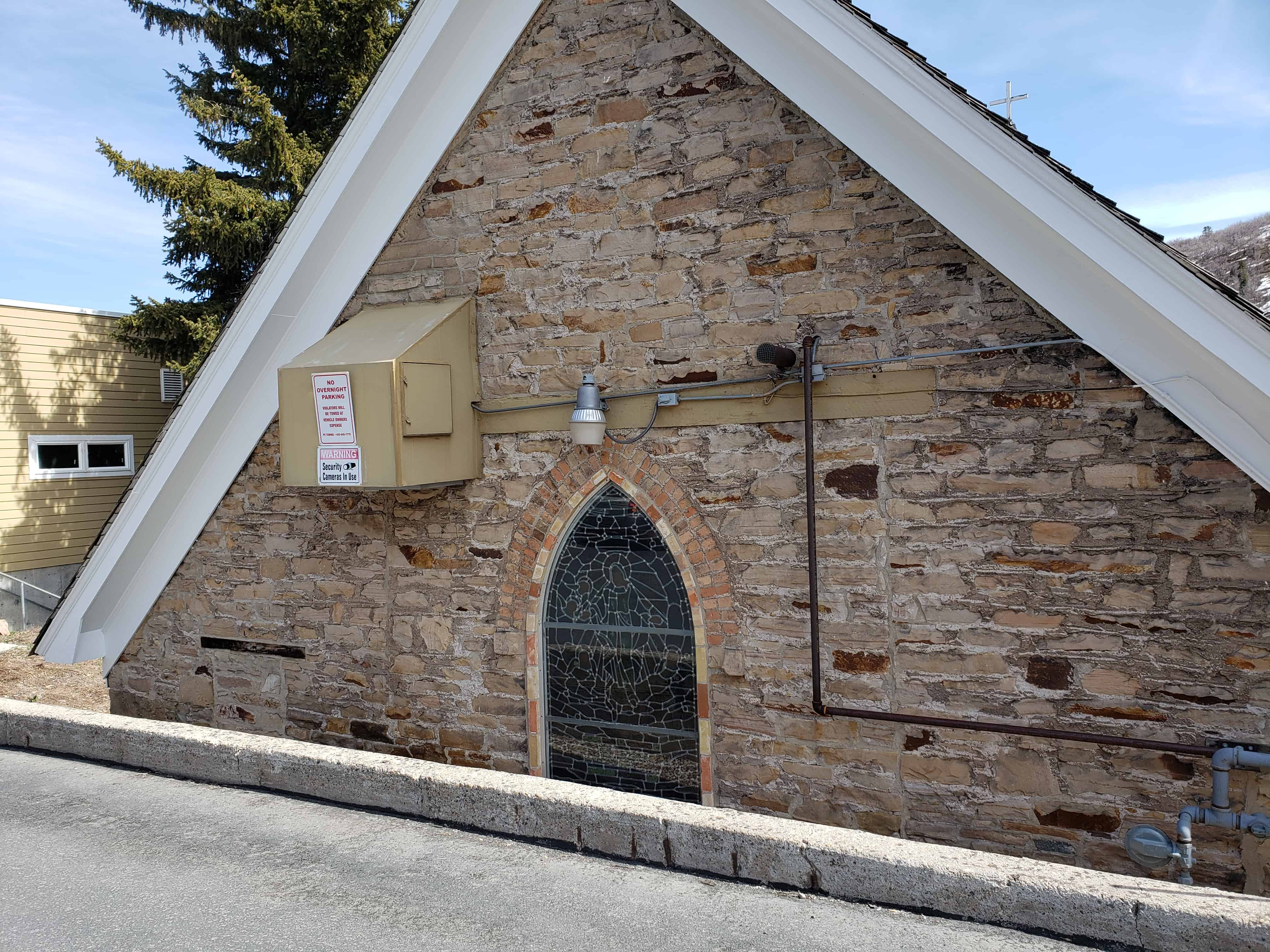
St. Mary of the Assumption School and Church are both rectangular, stone structures. The two-story school typifies the small annex school of pioneer Utah, while the church is one story with an attic, and also has window openings on the attic level of the facade. The buildings sit side by side and are connected at the rear. Both have limestone foundations, and are constructed of buff-colored limestone. Roofs are wood frame, steeply pitched, with wood cornices. At present, the school’s roof is covered with metal (originally tin), while the church roof is green asphalt shingles, which replaced a metal roof after a fire in 1950.
The school facade has one central entrance with a transom light. The windows through- out are two-over-two, double-hung wood frame; two windows flank the entrance door with two above on the second story level. In addition, two dormers exist on the south end, each with wood frame, two-over-two double hung windows.
A stone giothic arch, with a castle stone keystone adorning a cross, spans the central entrance of the church’s facade. On either side of the entry are? two nine-over-nine wood frame double-hung windows. Two window openings exist on the attic level, appearing as second story windows and symmetrical in appearance to those of the school. A stone marker, with a cross and engraved date of “1884”, is above the attic windows. A bell tower, topped with a cross, near the front of the roof, is much smaller and less ornate than the original.
The exterior of the buildings remains much the same; however, some door and window place- ments on the sides of the structures have changed throughout the years (evident in the Sanborn maps for 1889, 1900 and 1907).
A stone retaining wall that remains was added in front of the buildings between 1900 and 1907. Alterations and changes have occurred in the interiors. The building is still used as a church with the school occasionally used for missions and other events.
In the late 1870s Park City reputation for ore deposits spread nationwide, and its accessibility was guaranteed by the arrival of the rails. Episcopalian ministers began to include the town of their missionary circuit. By the late 1880s a small but stable Episcopalian congregation was established in Park City. A church was built two blocks south of this site in 1890 but was destroyed in the disastrous fire of 1898.
At the turn of the century the Episcopalian congregation was flourishing. In 1901 a volunteer labor force was used to construct this one story, frame, rectangular chapel in a simplified Gothic style.
Reflecting the fluctuations in Park City’s population and fortunes, the church was inactive and deconsecrated from 1947 to 1960. Services resumed in 1964, but the building was dilapidated from abandonment and disuse. Interest in restoration began in 1978. Exterior elements have been carefully retained, while the interior has been modernized to serve the needs of its now thriving membership.
This is the old Salt Lake 31st Ward Chapel built in 1904. It was sold around 1986 at the same time the old LeGrand ward on McClelland Street was torn down and replaced with the current chapel.
The Old Meeting House is a well known meetinghouse turned reception center in the Millcreek area of Salt Lake City, Utah. It is to be demolished for townhomes soon so I wanted to document it to be able to look back on.
4120 Highland Dr, Salt Lake City, UT 84124
Historically it was known as the Winder Ward, the first part was built in 1905 and the expansion was finished in 1933.
I saw some interesting facts posted online by Natalie Brown, the manager of the event center the building currently funtions as.
In 1904 William Wallace Casper donated an acre of his land to the L.D.S. Winder Ward for their new chapel. As was the case then, the members were responsible to build and pay for their buildings. Although unfinished they held their first meeting on December 3 1905. Finally finished, on the 1st of July 1906, the First Presidency of the L.D.S. Church was in attendance and congratulated the the people on the completion of their chapel. The custom then, as now, was to defer dedication of the building until it was paid for. That day came on September 1, 1914.
The building was closed for 3 months the winter of 1918 due to an outbreak of Influenza.
There is a canal just west of the parking lot called the “church canal” it was originally built to carry stone from Little Cottonwood Canyon to the site of the Salt Lake Temple.
An addition of north and south wings, a theatre built in the basement and a face lift on the outside all took place between 1924 and 1931.
In June of 1939 the chapel ceiling collapsed, destroying chandeliers and damaging benches but they remodeled and the building was rededicated in December of 1939 by L.D.S. Church President Heber J. Grant.
In 1940 a pipe organ was installed.
In 1942 the orchard land to the south was donated for more parking.
In 1958 the theatre was turned into a multi-purpose room.
In 1976 they held the last and final meeting before it was sold. In 1978 Sandra Gardner, looking for a venue to hold her daughters wedding reception, met the owner and discovered he was looking for someone to run it. She decided to give it a try. Sandra and her husband eventually bought the business and later the building.
This late Gothic Revival style building, which features a Norman tower and Tudor window and door bays, was listed in the National Register of historic Places in 1978 as part of the Wasatch Academy Historic District. Duncan J. McMillan, educator and minister of the Presbyterian Church, founded the Wasatch Academy the following month.
The Church and the Academy made important contributions in helping develop a “free school” system, the precursor of Utah’s present public school system. This one-story brick building with cast-stone trim was built in 1922 and dedicated in 1925.
The nomination form for listing Wasatch Academy on the National Historic Register includes this as one of the 21 contributing sites and says:
First Presbyterian Church, 1922. One-story brick and cast-stone trim building of the Late Gothic Revival Style. L-shaped plan; building features a Norman tower and Tudor window and door bays.
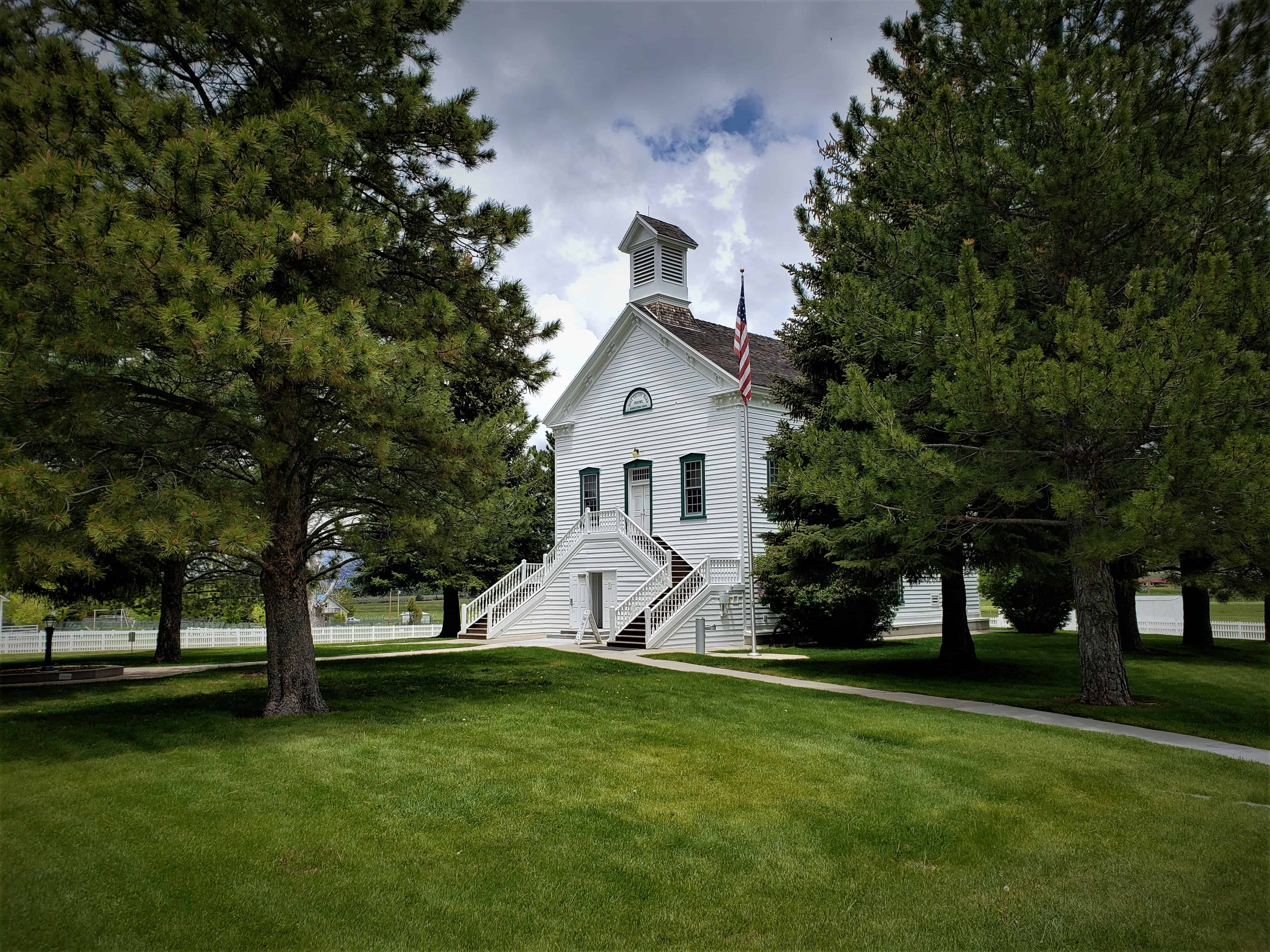
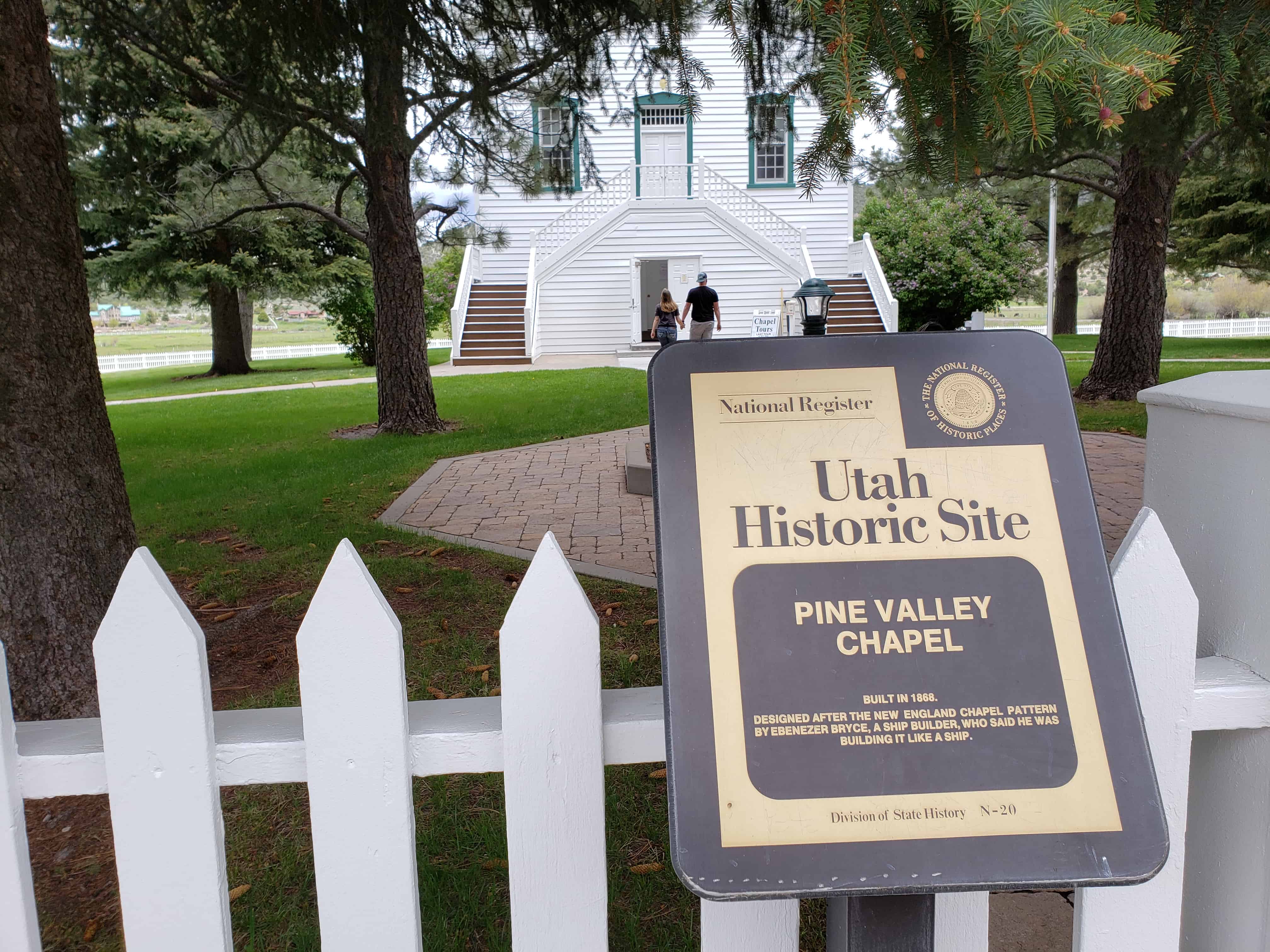
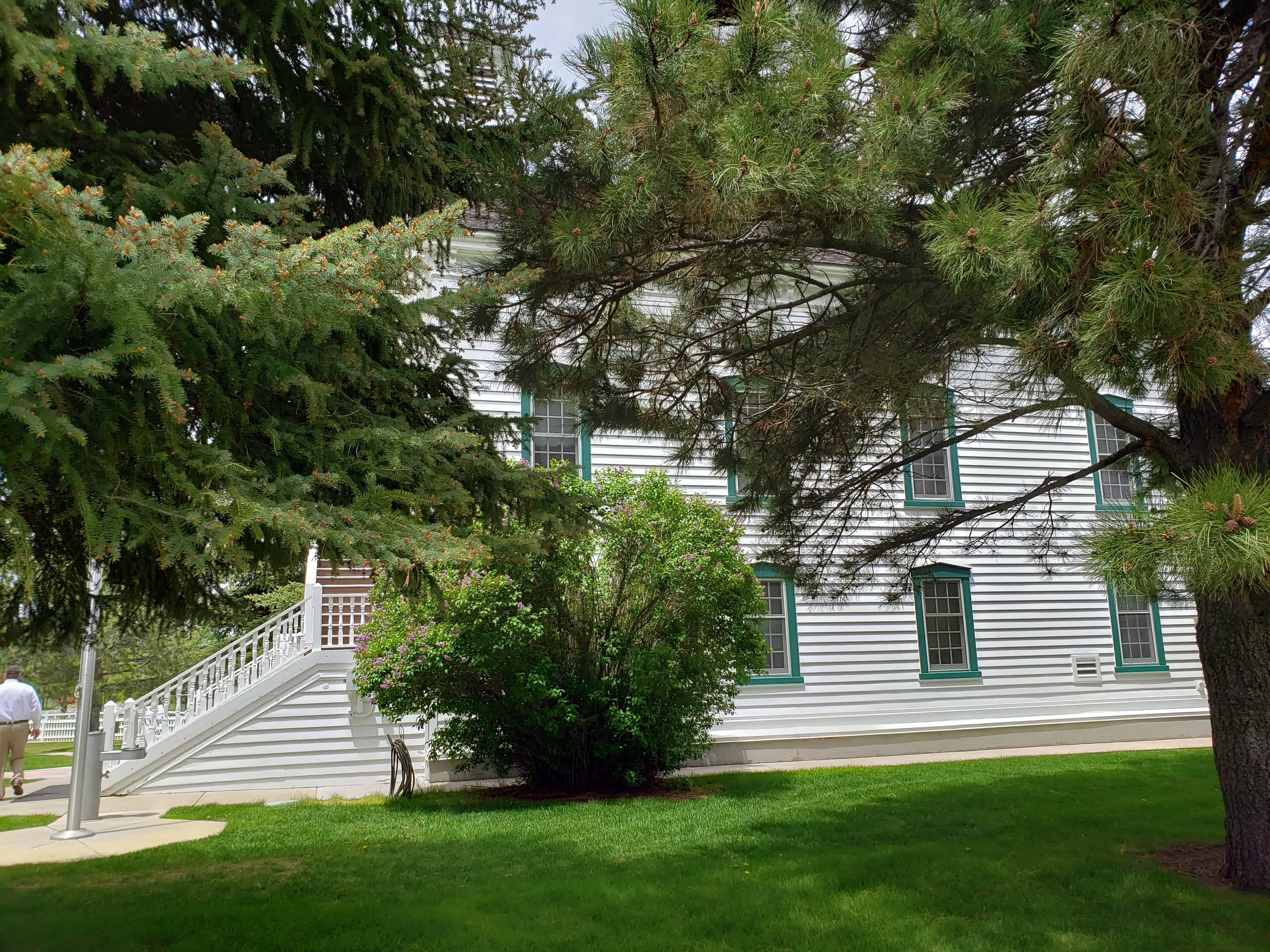
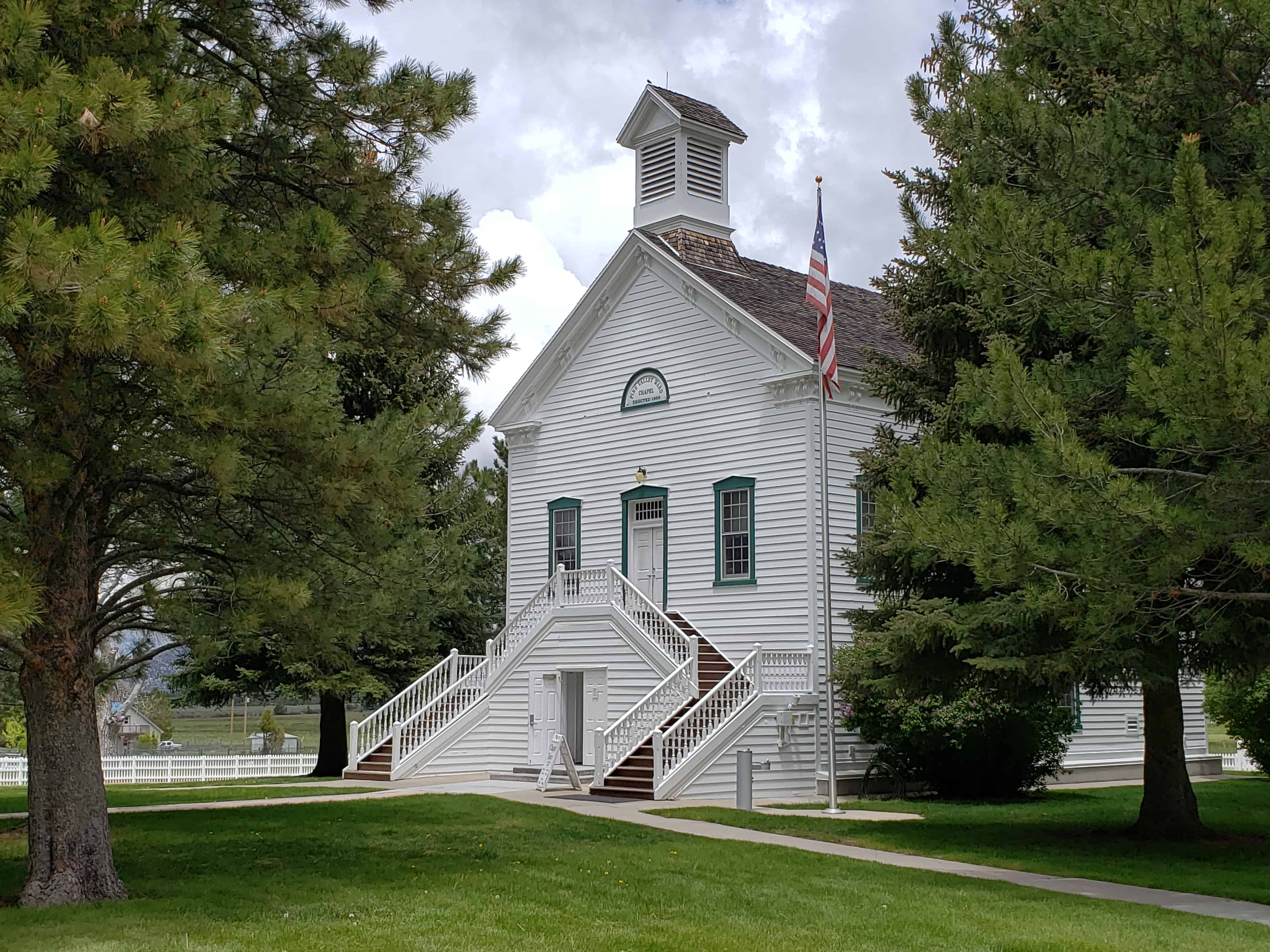
The historic Pine Valley Chapel in Pine Valley, Utah is the oldest continuously used chapel in The Church of Jesus Christ of Latter-day Saints and is a gorgeous building. Ebenezer Bryce had the job of building it and is said to have said that he didn’t know how to build a church, but he knew how to build a ship so he build it as an upside-down ship.
They have about 125 members in the branch with about 60 visitors every week who come to experience church in such a classic old building and 400-600 visitors on Memorial Day weekend’s Sunday so they hold services outside on the lawn. Tours are free and open.
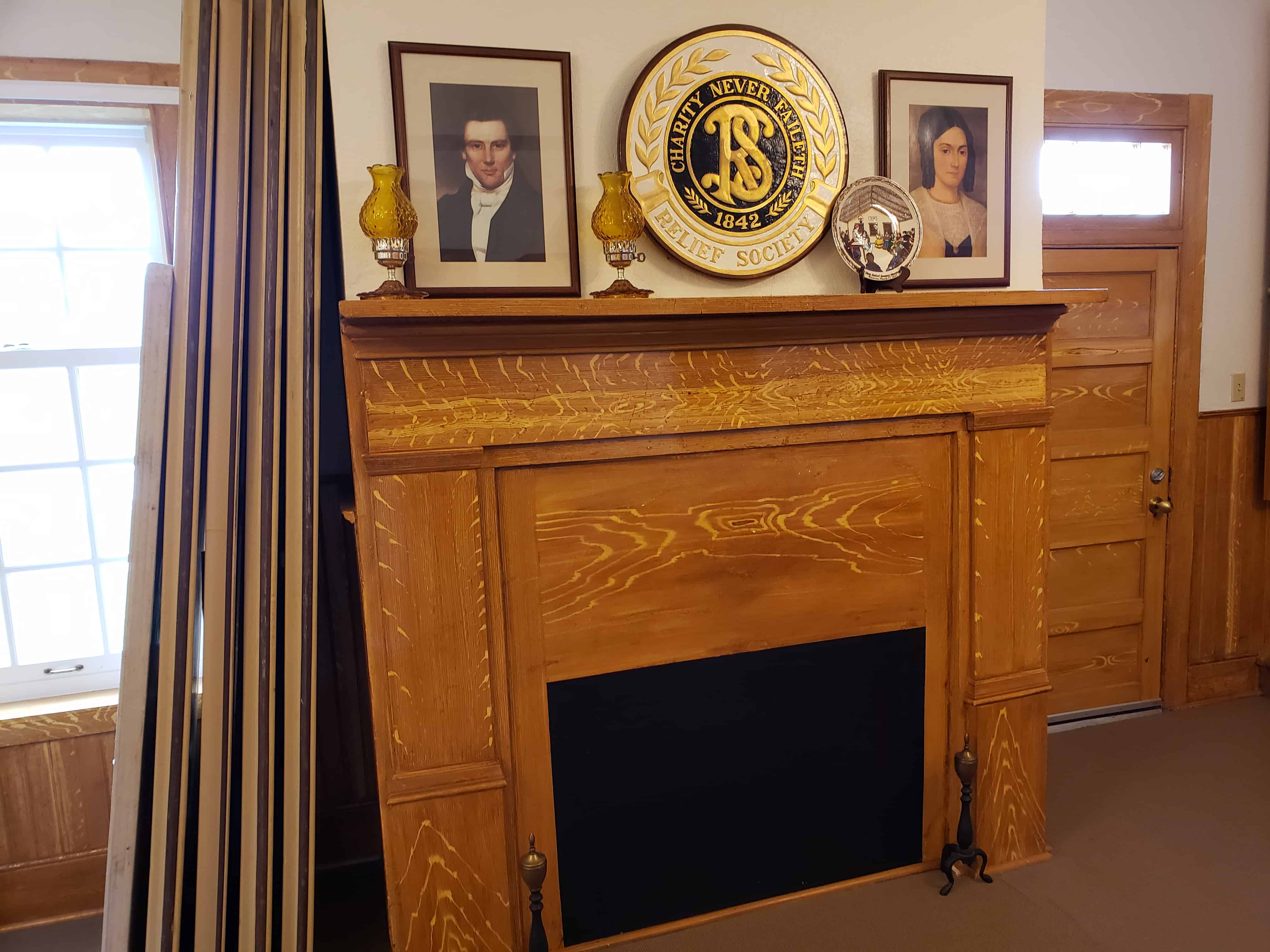
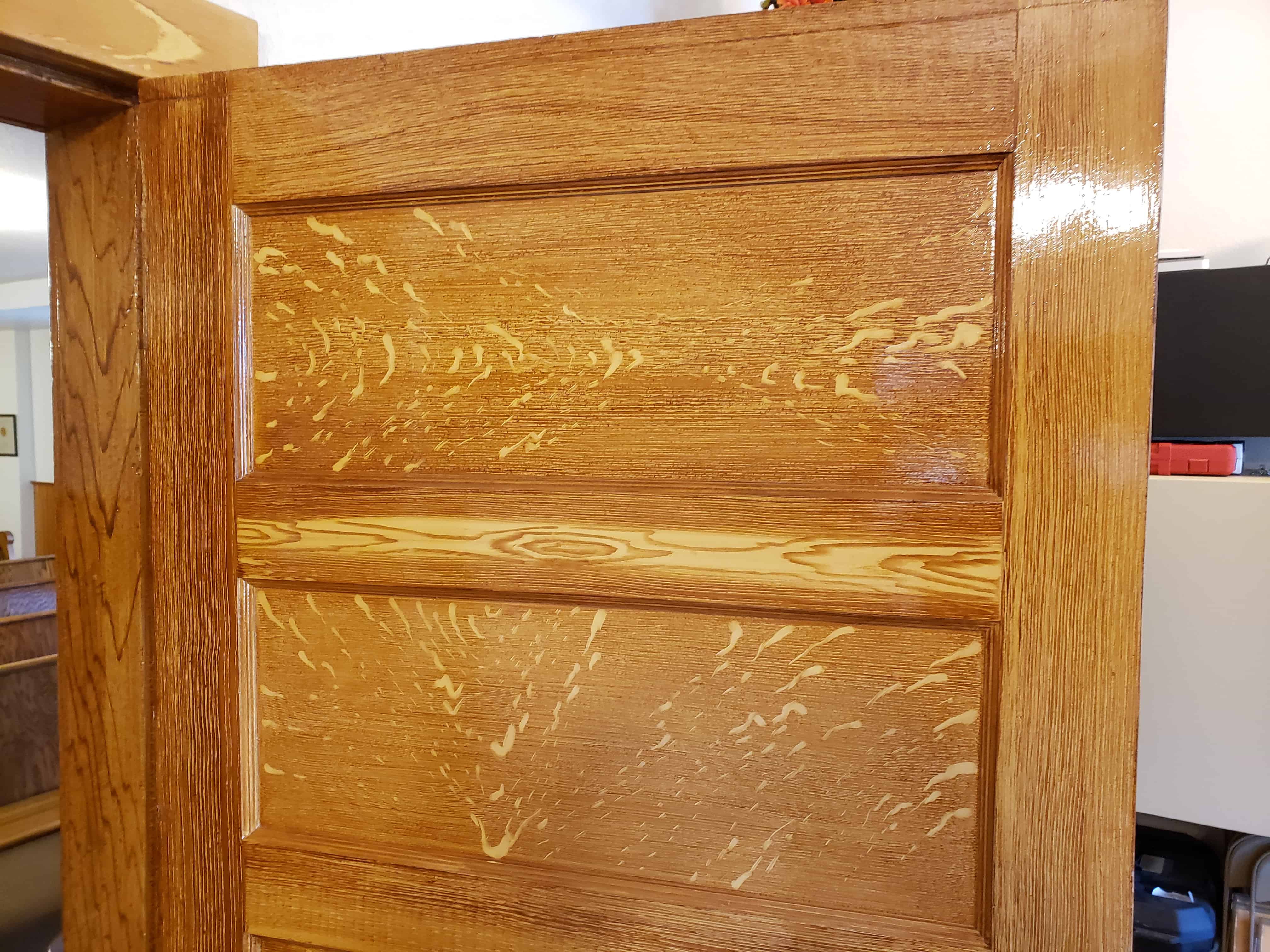
The pews and other woodwork and some cement work was painted to look like oak wood, the painter even hid his name is the grain in some of the pews.
The text below is from the nomination form (#71000859) from when the Pine Valley Chapel and Tithing Office were added to the National Historic Register on April 16, 1971:
Pine Valley was first allotted to John D. Lee a range land on which to run his livestock. However, the valley itself was discovered by Isaac Riddle who followed the trail of a straying cow from the Mormon Indian Mission at Fort Harmony, west over the mountain. He located both good range land, but even more significantly for the southern Utah settlement, excellent timber, both pine and aspen. Riddle and two partners, John Blackham and Robert Richey, purchased machinery for a saw mill and began operation in Pine Valley that fall. With expansion of the southern settlements, Washington, St. George and Santa Clara, especially, the demand for lumber increased. More families moved into Pine Valley. Some limited farming was done before 1864; however, this economic feature was secondary to livestock. Pine Valley also furnished lumber for the mines in both Pioche, Nevada and Silver Reef, Utah. Robert Gardner, one of the early expert lumber men, was asked by Joseph Ridges, organ builder, to select choice pine logs to be sent north to Salt Lake City for the Tabernacle organ’s “pipes.”
By 1868 the people of Pine Valley needed and decided to build their chapel. Ebenezer Bryce designed and supervised the construction.
Later a steam engine was brought in to supply power for the saw mills Today there is some lumbering, but the ruggedness of the lava terrain and the indiscriminate cutting of timber earlier have reduced this economic aspect of the area. It now serves as a summer home area and for recreational activities.
The general setting for the chapel has been landscaped to compliment the overall picture. Visitors are welcome at the site. The chapel is still used by the Pine Valley summer branch of the L.D.S. Church.
The tithing office also is in good repair, and sits nearby as a reminder of the close alliance between religion and the Mormon barter economy. The “Lord’s share” was given in kind and kept therein, to be meted out to the needy and for worthy projects as the Bishop so directed.
The lovely Pine Valley Chapel was designed and built in 1868 by Ebenezer Bryce, for whom the now famous Bryce’s Canyon was named. Being a ship builder from Australia, Bryce employed his earlier skills in building the church. The wood frame walls were assembled on the ground and raised into position, then joined with wooden pegs and rawhide. The frame stands independently, with the walls and petitions “hung” on the basic structure. Since Bryce built the chapel like a ship, he is reported to have claimed: “If the floods come, it will float. And if the winds blow, it may roll over but it will never crash.” The chapel was modeled after churches in New England in honor of Erastus Snow, the Apostle leading the southern colonies, and Brigham Young, church president.
Special timbers were cut from the ponderosa pine in nearby canyons to make the church. The same quality timbers had been hauled all the way to Salt Lake City to be hollowed out for pipes in the famous Mormon Tabernacle.
The church is two stories, with a gabled attic which contains a small “prayer room” over the stage or stand area. Below the main chapel is a basement, which originally consisted of only 2 large rooms, but has since been petitioned into smaller classrooms. The main chapel is a large room with a small stage and speaker’s area.
The structure’s over-all dimensions are 32′ 3″ by 52′ 4″, excluding the steps, which have a pair of double stair landings half way up. The original wooden stairs have been replaced with cement.
Fortunately, however, most of the structure remains as it was originally The restoration in progress at present is careful and minimal. This architectural jewel sits in a lovely mountain valley in Utah, now in continuous use for more than 100 years.
Sitting to the east of the chapel is a small tithing office, built of soft red brick in the 1880’s. The structure is only one story, 16′ by 27′. A “warehouse” door opens on the side. It has a gabled roof and unornamented cornices and eves. The flooring is 5″ pine board. Some refinishing has occurred, but the structure is original and its exterior modified very little. With the chapel, it represents very well the early Mormon Church situation.
Originally (1830) the economic order of the Mormon Church was the “law of Tithing” or ten percent of a person’s income, for the Lord, The administrator of these funds was the Presiding Bishop of the Church. Next a “Law of Consecration” was initiated in Missouri during the mid and late 1830’s, wherein everyone was asked to consecrate all his goods to the Lord. The Bishop in the area was responsible for the property and in turn returned a stewardship of property to each man and family. To this stewardship he received a permanent title, the surplus was retained by the Church to be given as needed to the worthy poor and to young adults whose family could not provide them an inheritance. Its success was limited.
Later the law of tithing was reinstituted. Such was the practice in Nauvoo and in early Utah. However, another kind of communal economic program was inaugurated, called the United Order. Its practices included a kind of cooperative stock holding in various kinds of production. Some “Orders” even had communal kitchens, etc.
However, the law of Tithing has persisted, a lesser law to devout Mormons, but a necessary “schoolmaster” to train the Saints for the higher law. Thus throughout Mormondom and especially in Utah, the tithing office was built, usually near the church, to which tithing in kind — hay, grain, potatoes, vegetables, etc. was brought and receipts issued.
Yet, further functions were served by these “storehouses.” The poor and needy were supplied from them, credit could be obtained by putting tithing in one place (Salt Lake City), and with a scrip issued, reclaim one’s needs in St. George or Pine Valley or where one happened to be going. This system had active use well into the twentieth century. Now only a few buildings remain to remind us of this barter economy which has given way to checking accounts and welfare squares.
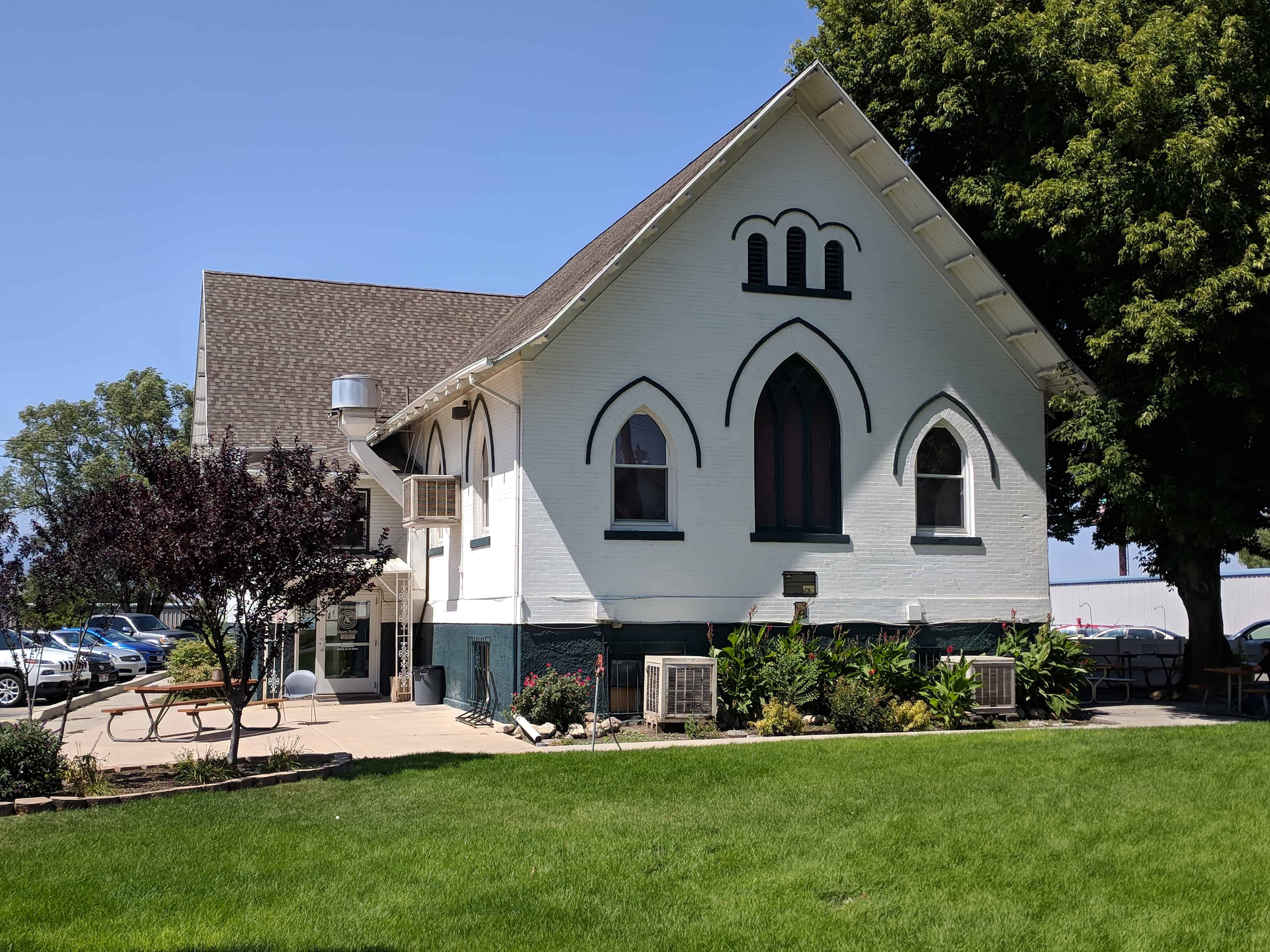
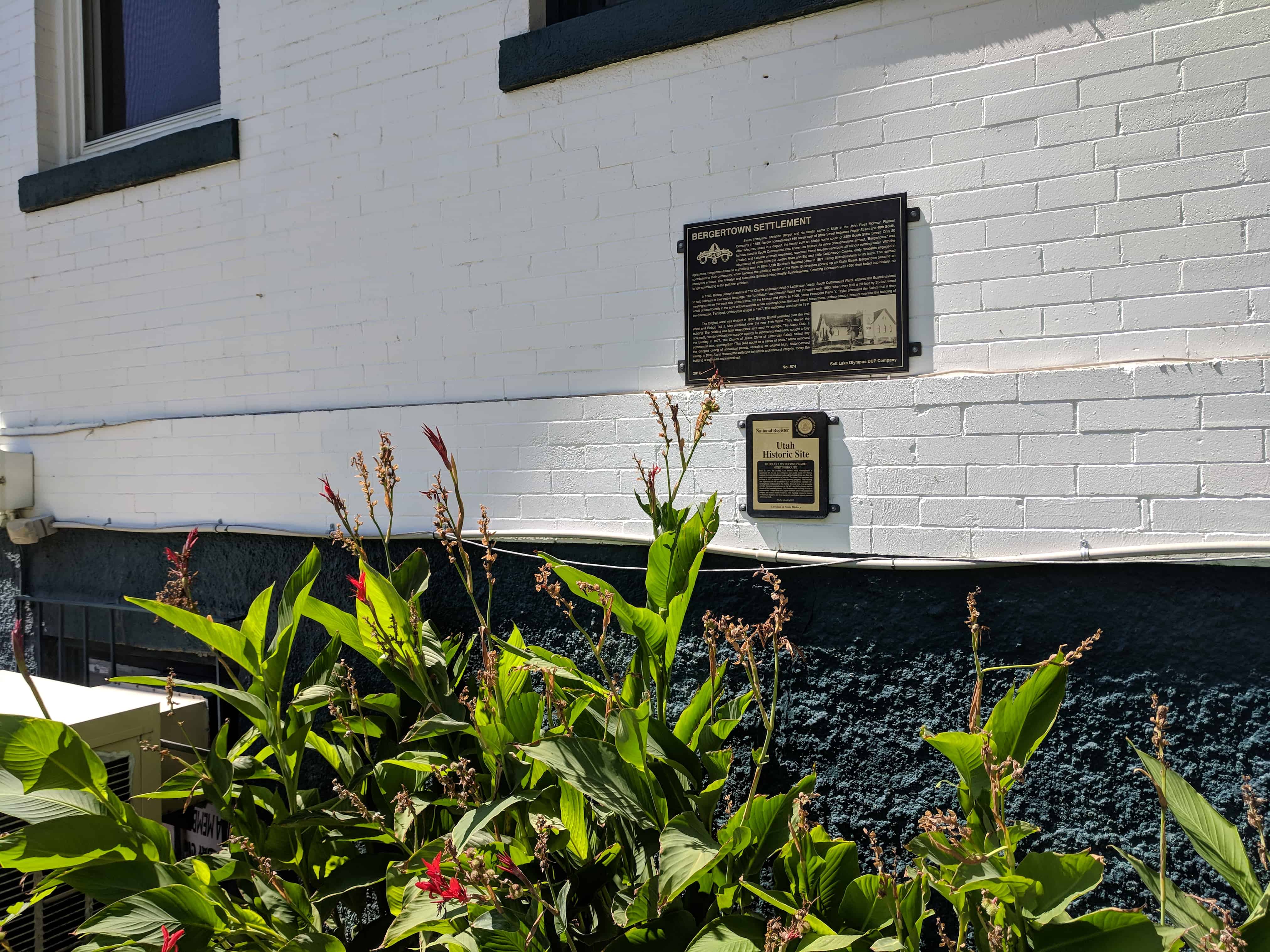
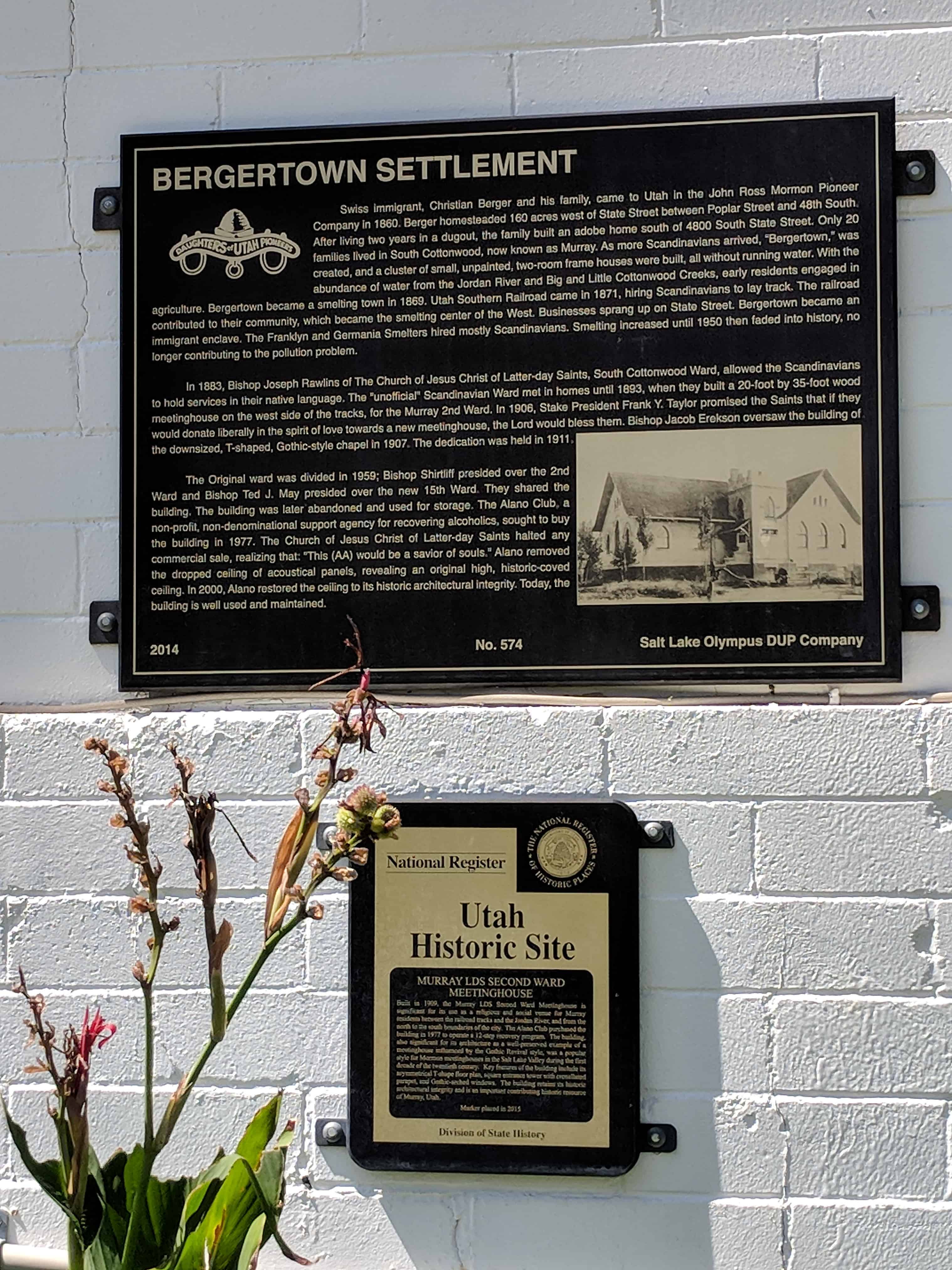
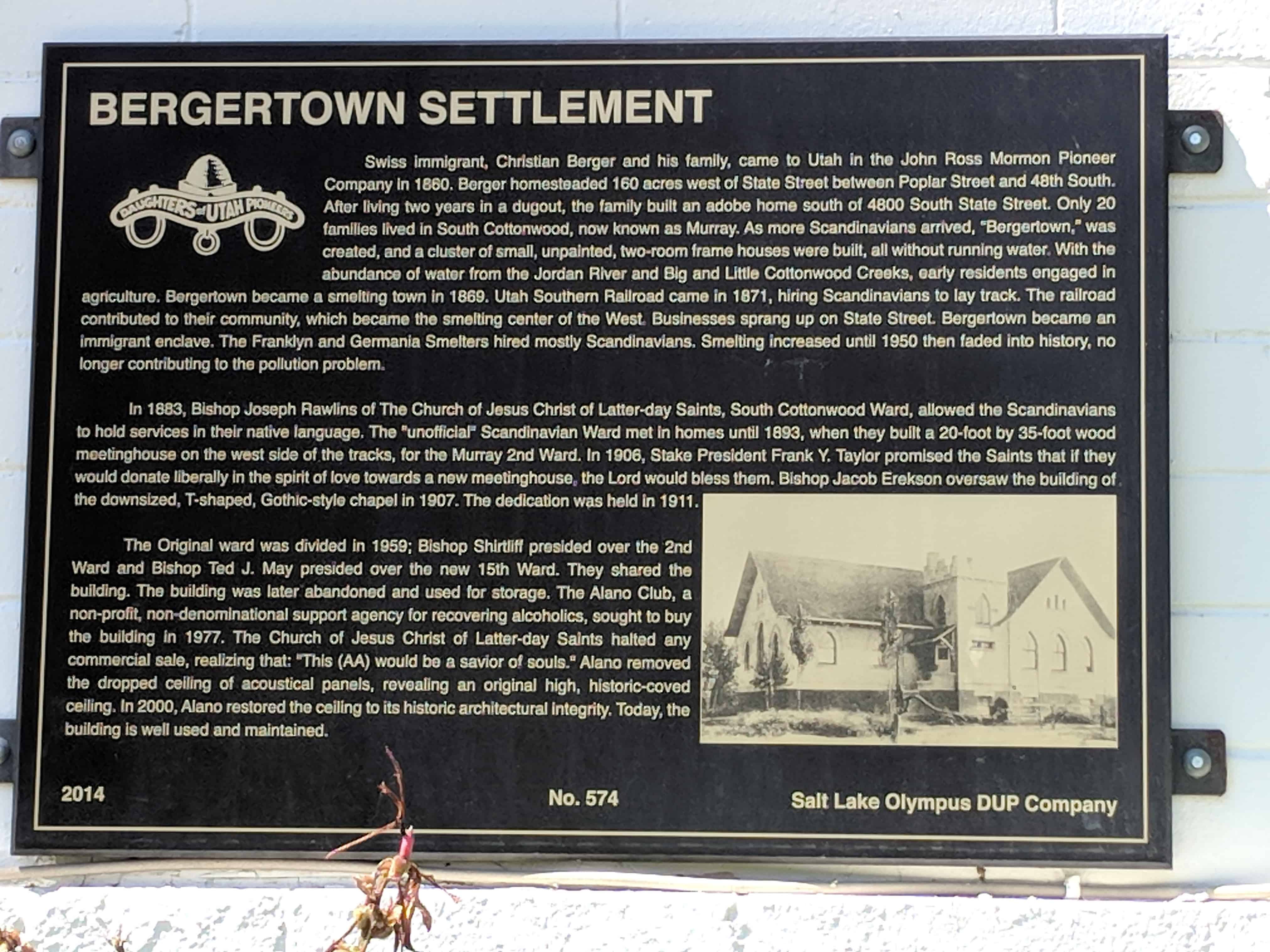
Swiss immigrant, Christian Berger and his family, came to Utah in the John Ross Mormon Pioneer Company in 1860. Berger homesteaded 160 acres west of State Street between Poplar Street and 48th South. After living two years in a dugout, the family built an adobe home south of 4800 South State Street. Only 20 families lived in South Cottonwood, now known as Murray. As more Scandinavians arrived, “Bergertown,” was created, and a cluster of small, unpainted, two-room frame houses were built, all without running water. With the abundance of water from the Jordan River and Big and Little Cottonwood Creeks, early residents engaged in agriculture. Bergertown became a smelting town in 1869. Utah Southern Railroad came in 1871, hiring Scandinavians to lay track. The railroad contributed to their community, which became the smelting center of the West. Businesses sprang up on State Street. Bergertown became an immigrant enclave. The Franklyn and Germania Smelters increased until 1950 then faded into history, no longer contributing to the pollution problem.
In 1883, Bishop Joseph Rawlins of The Church of Jesus Christ of Latter-day Saints, South Cottonwood Ward, allowed the Scandinavians to hold services in their native language. The “unofficial” Scandinavian Ward met in homes until 1893, when they built a 20-food by 35-foot wood meetinghouse on the west side of the tracks, for the Murray 2nd Ward. In 1906, Stake President Frank Y. Taylor promised the Saints that if they would donate liberally in the spirit of love towards a new meetinghouse, the Lord would bless them. Bishop Jacob Erekson oversaw the building of the downsized, T-shaped, Gothic-style chapel in 1907. The dedication was held in 1911.
The Original ward was divided in 1959; Bishop Shirtliff presided over the 2nd Ward and Bishop Ted J. May presided over the new 15th Ward. They shared the building. The building was later abandoned and used for storage. The Alano Club, a non-profit, non-denominational support agency for the recovering alcoholics, sought to buy the building in 1977. The Church of Jesus Christ of Latter-day Saints halted any commercial sale, realizing that: “This (AA) would be a savior of souls.” Alano removed the dropped ceiling of acoustical panels, revealing an original high, historic-coved ceiling. In 2000, Alano restored the ceiling to its historic architectural integrity. Today, the building is well used and maintained.