Tags
Arizona, historic, LDS, LDS Church, Maricopa County, Mesa, Parks

19 Saturday Nov 2016
Posted in Uncategorized
Tags
Arizona, historic, LDS, LDS Church, Maricopa County, Mesa, Parks
19 Saturday Nov 2016
Posted in Uncategorized
Tags
Arizona, Historic Buildings, Historic Churches, LDS, LDS Church, Maricopa County, Mesa, Phoenix, Temples

The LDS temple in Mesa was one of the first to be constructed by the church. Similar to the Cardston Alberta Temple, the church decided to hold a competition for the design of the temple with the exception of only inviting three Salt Lake firms to participate. The winning design was proposed by Don Carlos Young, Jr. and Ramm Hansen. Announced in 1919, only seven years after Arizona had achieved statehood, it was one of 3 temples announced and constructed to serve outlying Latter-day Saint settlements in the early part of the century, the others being constructed in Laie, Hawaii and Cardston, Alberta. While none of the three settlements were particularly large in their own right, they were considered thriving centers of largely Latter-day Saint populations. The long and arduous trip to existing temples located in the state of Utah would prove costly and even dangerous for the faithful of the era, and temple attendance was (and is) an important part of the faith. As such, it was seen as necessary to construct temples in these communities.
Numerous colonies had been set up in Arizona by the church during the last half of the nineteenth century, and plans had been discussed for a temple in the area as early as 1908, but the start of World War I stopped these for a while. The plan to build a temple in Mesa, Arizona was finally announced on October 3, 1919 and a 20-acre site was selected and bought in 1921. The site was dedicated shortly after on November 28, 1921 and on April 25, 1922 the groundbreaking ceremony took place. Heber J. Grant conducted the ceremony.
Following the earlier traditions set forth in the building of temples, such as the Salt Lake Temple, the new structure in Mesa was a centerpiece of an organized and planned community for the faithful that lived nearby. Upon its completion in 1927 it was the third largest temple in use by the church and the largest outside of Utah, and remains among the largest temples constructed to this day.
In a departure from the style of temples constructed prior, the Mesa temple (along with the temples in Laie and Cardston) was built in a neoclassical style suggestive of the Temple in Jerusalem, lacking the spires that have become a mainstay of temples built since then, and prior to the announcement and impending construction of the Paris France Temple it was the last LDS temple constructed without a spire. The temple is a neoclassical design featuring the primary structure atop a pedestal, a frieze, pilasters with Corinthian capitals (12 pair along the long side and 10 pair along the short side) and amphorae on fluted columns on the grounds. Below the cornice, eight frieze panels (carved in low relief) depict the gathering of God’s people from the Old and New World, and the Pacific Islands to America.
When construction was finished on the temple, the public was able to take tours through the temple. Two hundred thousand people were able to take a tour through the Mesa Temple. The temple was dedicated on October 23, 1927 by Heber J. Grant. By that afternoon, the temple was being put to use. In 1945, the temple was distinguished by becoming the first to offer temple ordinances in Spanish, the first time they were offered in a language other than English.


Visitor Center


19 Saturday Nov 2016
Posted in Uncategorized
Tags

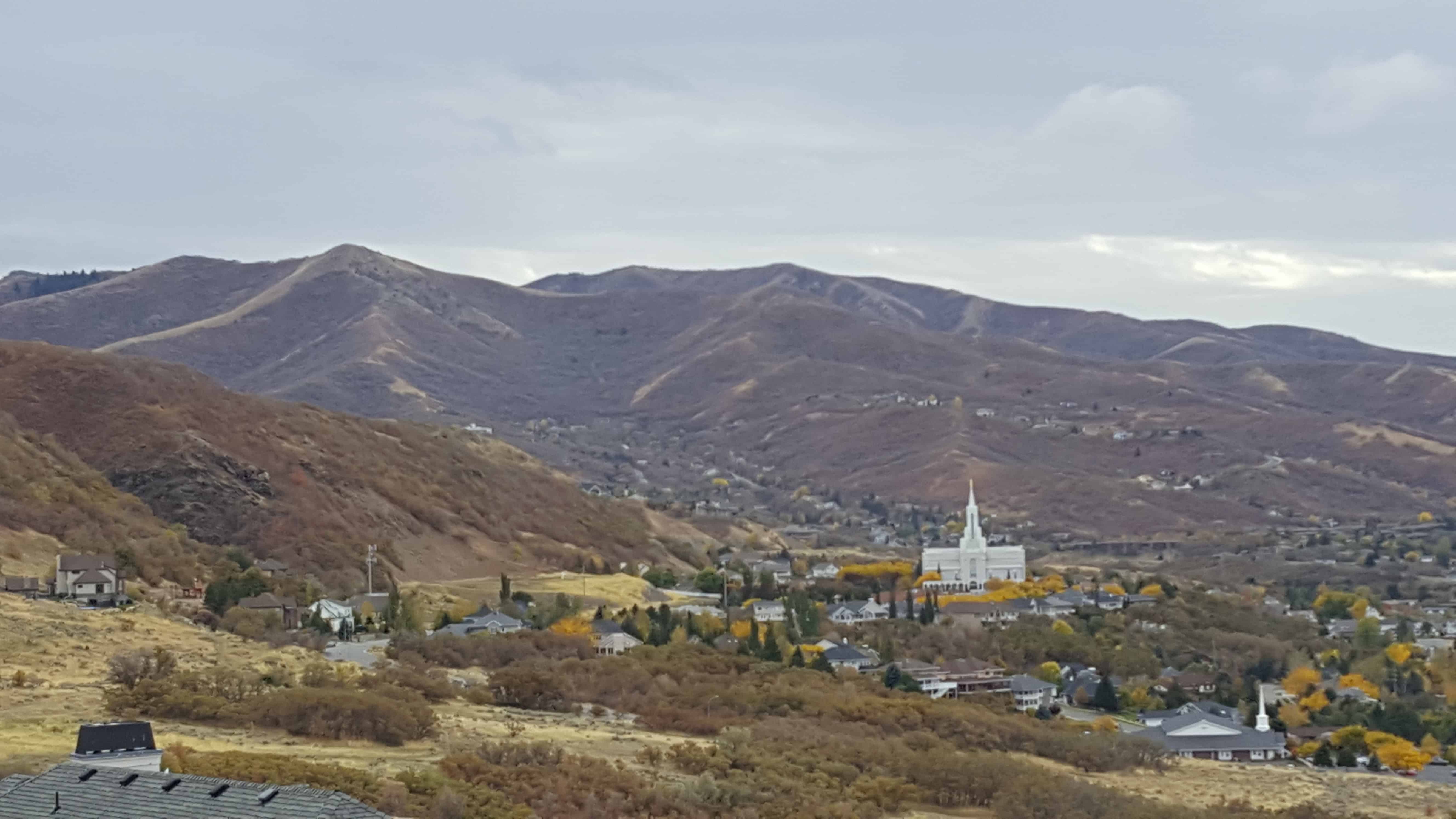
The Bountiful Temple is the eighth temple constructed in the state of Utah. The history of the temple site began back in 1897, when John Haven Barlow Sr. purchased 40 acres of land from the United States government. Because of lack of water and the steep terrain, little could be done with the land. In 1947 some of the land was cleared and four hundred apricot trees were planted. In the spring of 1983, flash flooding caused a great deal of damage in Bountiful, resulting in the decision to build a dam across the canyon to limit the flow of water during heavy rainstorms. The city requested the use of the soil from the future temple site, so construction crews removed over two hundred thousand cubic yards of soil, leaving the area an ideal spot on which the LDS temple would later be built.


09 Sunday Oct 2016
Posted in Uncategorized
Tags

Pioneer Village is an authentic representation of life in Provo before the arrival of the Utah Southern Railroad in 1873. Most of the buildings and artifacts in the Village have come from the surrounding area. The historic structures depict various businesses, public meeting places, homes and outbuildings for animal care.
The existence of this Village is due to the foresight of the George A, Smith Chapter of the Sons of Utah Pioneers, a group of dedicated men who realized the need for preserving the heritage of this area. In 1931, David Loveless donated the John Turner cabin, several outbuildings, and his large collection of artifacts to the local Sons of Utah Pioneers. The city of Provo provided the land on which the Village stands. Since the beginning, the Sons of Utah Pioneers have expanded and improved the Village by adding buildings and artifacts and by repairing and preserving the original donations.
In 2006, the George A. Smith Chapter merged with the Brigham Young Chapter of the Sons of Utah Pioneers, which took over as the official sponsor of the Village. Many visionary men have contributed time and money to the project. Hopefully, all who visit here will appreciate the faith, dedication, and determination of the pioneers who settled Provo and will desire to contribute to its preservation.
Note: This Village represents early Provo, a frontier community existing mostly in isolation. The pioneers’ very survival depended on their own skills and the support of their neighbors and friends. What they ate, they grew; what they wore, they made; and what they needed, they manufactured or they did without. Things were used and reused; little was discarded or thrown away.
The south part of the Village represents the residential community; their homes, garden, orchard, granary, corncrib, corral and loafing shed. The northeast part of the Village has the commercial enterprises including the blacksmith shop, cooper shop, wood shop, ox shoeing stock, store and grain mill (represented by the mill stones resting against the store). The northwest section of the Village has the school and town square.
See other historic markers in the series on this page for SUP Markers.


09 Sunday Oct 2016
Posted in Uncategorized
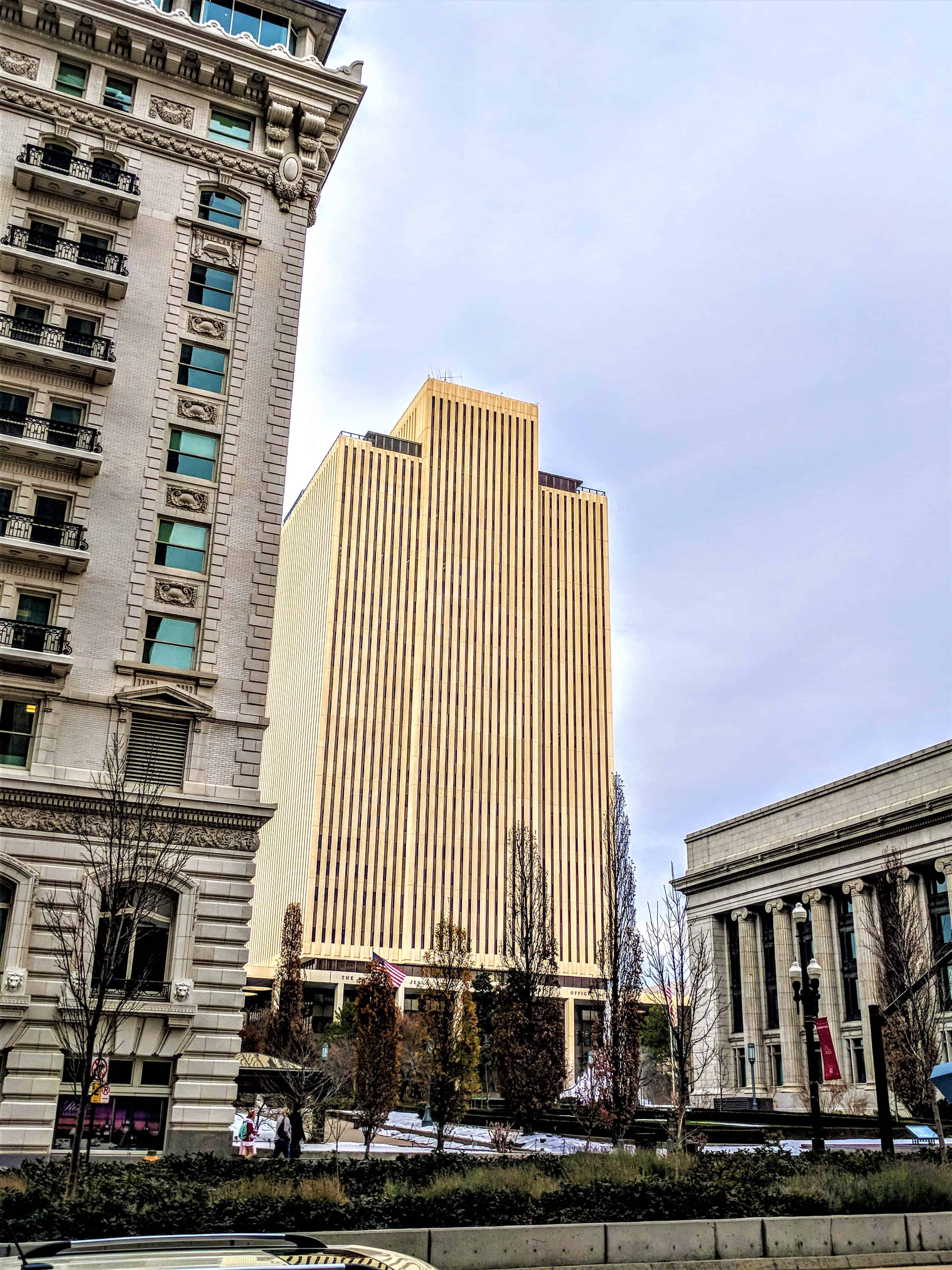
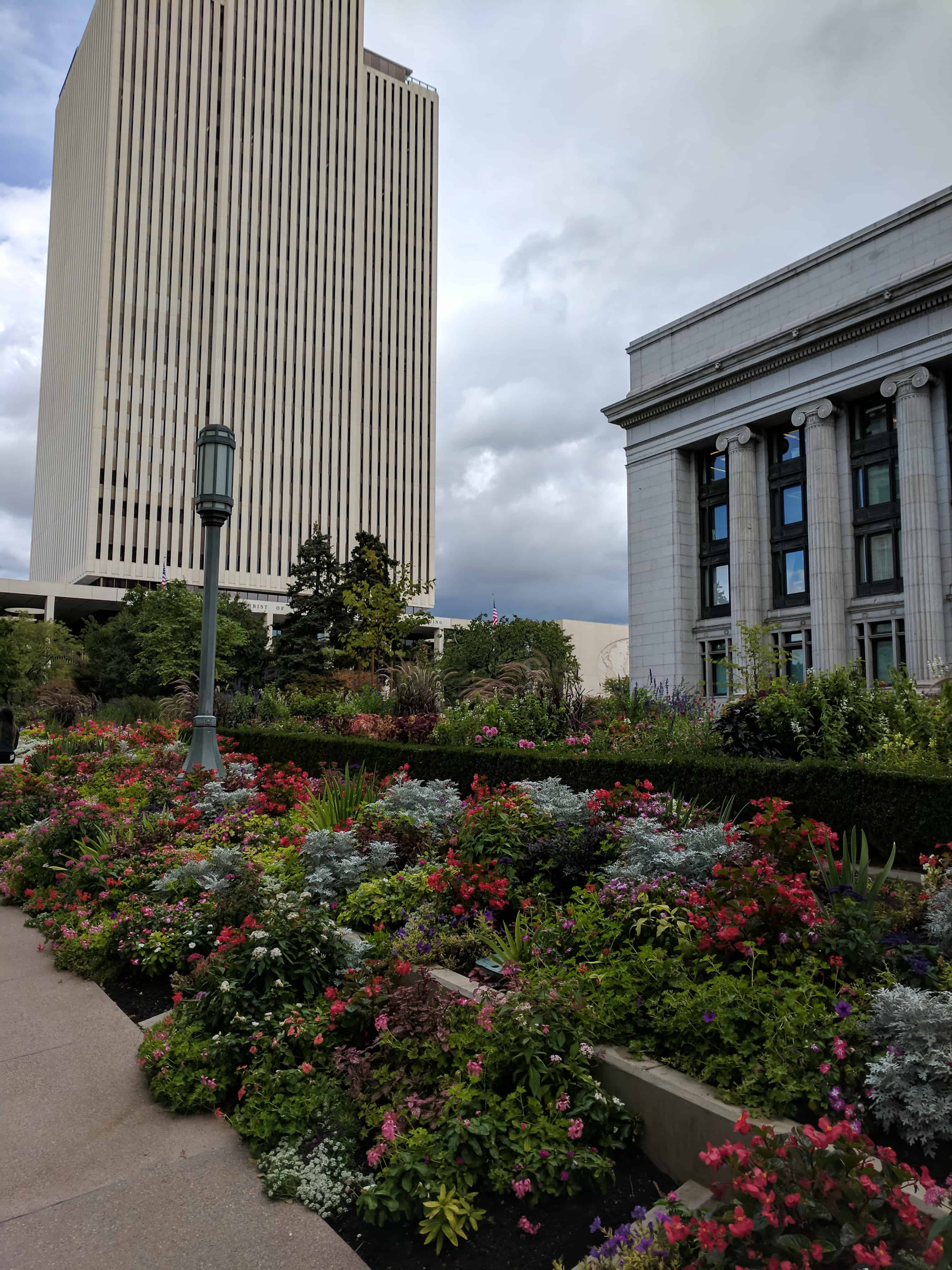
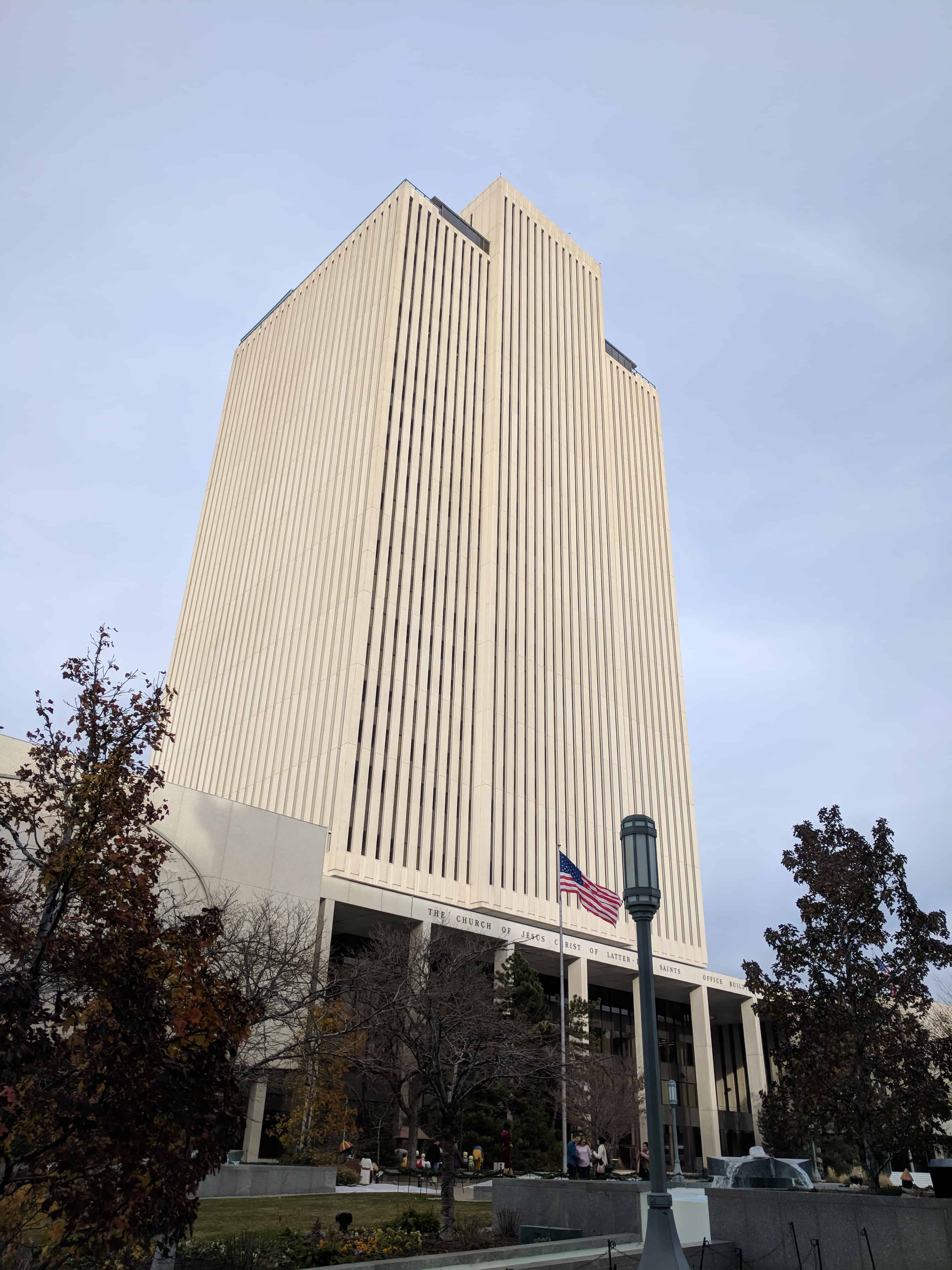
The Church Office Building (COB) is a 28-story building in Salt Lake City, Utah, which houses the administrative support staff for the lay ministry of The Church of Jesus Christ of Latter-day Saints (LDS Church) throughout the world.
The building is 420 foot tall at roof level and is located within the Temple Square complex on the corner of North Temple and State Street.*
Located at 50 East North Temple in Salt Lake City, Utah.



08 Saturday Oct 2016
Posted in Uncategorized
Tags

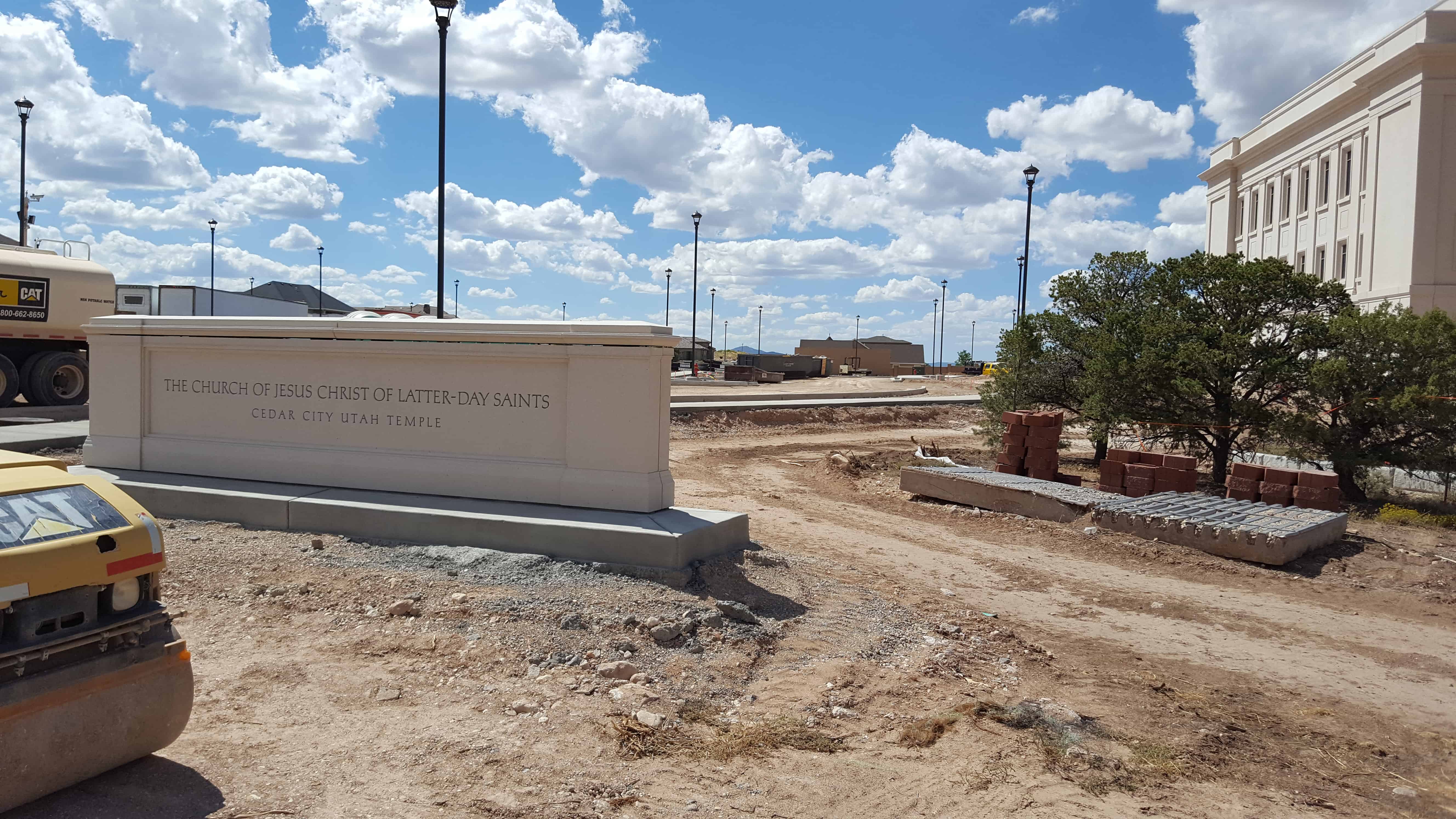
The Temple in Cedar City is estimated to be completed in late 2017.


Here are some photos I took before construction was finished.




08 Saturday Oct 2016
Posted in Uncategorized
Tags
historic, History, LDS Church, Lehi, Tabernacles, utah, utah county

This stone donated by Lehi Sunday Schools. Laid Sept. 14, 1901.
(etched in stone, difficult to read) Lehi ……… of the Church of Jesus Christ of Latter-day Saints erected A.D. 1901

To gain an appreciation of the Tabernacle cornerstone, one must learn of its creators. Englishman Arthur Bradder (born in 1855), at the age of thirteen began a two-year stonecutting apprenticeship which he left because of an abusive master. He then traveled about England, Wales, and France plying the skills he had learned.
Working in Liverpool, England, during 1876 Bradder was able to save enough money to transport his family to America. In Salt Lake City in 1897 he formed a partnership with his son-in-law, Joseph J. Gill. After being told there would be no stonecutting competition in Lehi, the duo moved to town and established the Lehi Stone, Marble and Granite Works (later Arthur Bradder & Company) on the northeast corner of Fourth North and First East.
The first major contract Bradder and Gill obtained was for the decorative stone on the downtown People’s Coop building (189 West Main). Presumably they also did the stone work on the New log Cabin Saloon (155 West Main), Merrihew Building (98 West Main), Ross Block (86 West Main), and the main building of the uptown People’s Coop (151 East State) all built between 1902 and 1908.
Another example of the fine stonecutting abilities of Bradder and Gill is the Lehi Pioneer Monument, on the Memorial building grounds
The above photos show the conerstone displayed at the chapel at 200 N Center St in Lehi, but it was later moved to behind the Lehi Historical Society and Archives building at 34 E 100 N. The below photos show it there.


08 Saturday Oct 2016
Posted in Uncategorized
The Old Brinton Ward
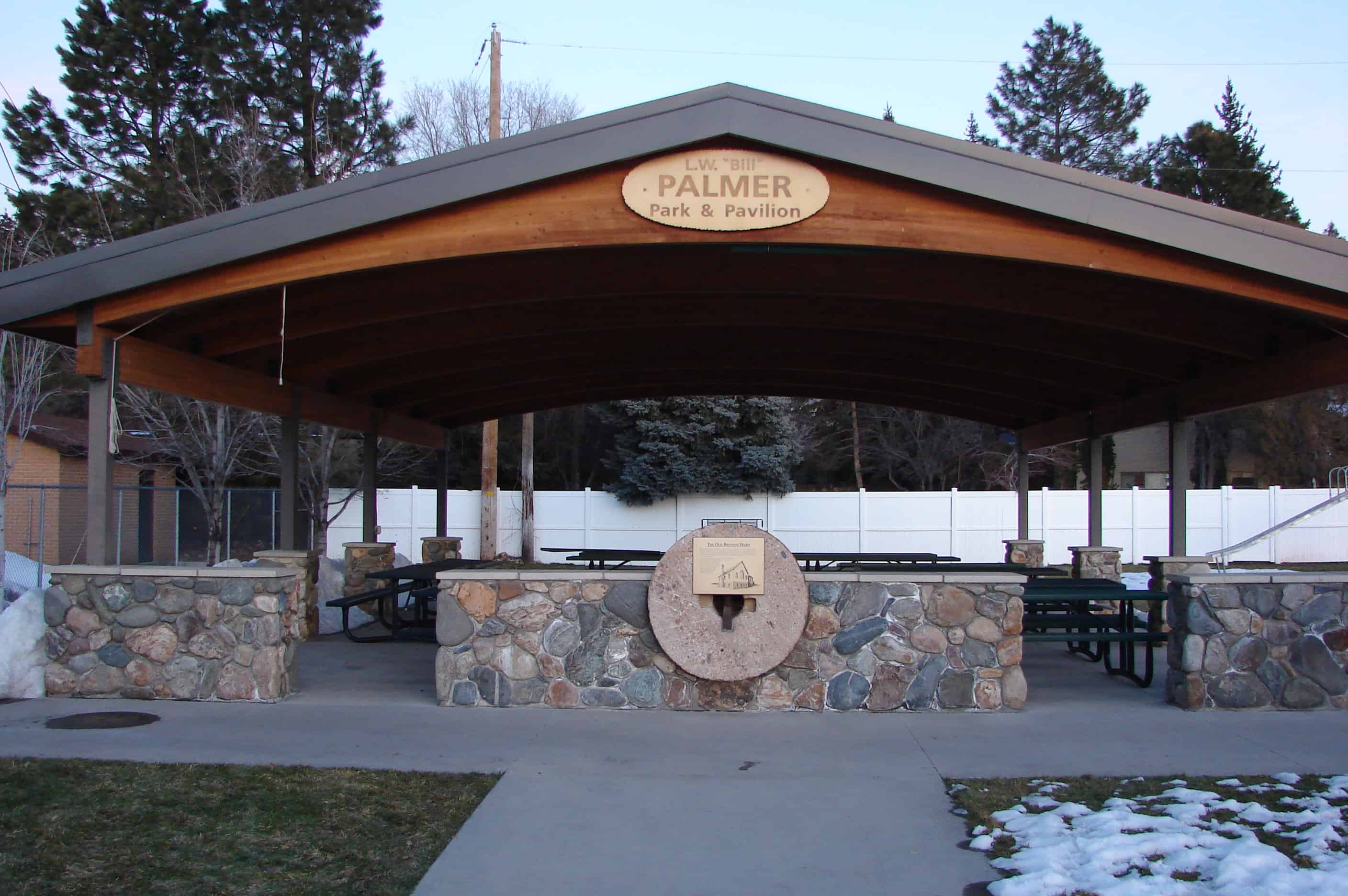
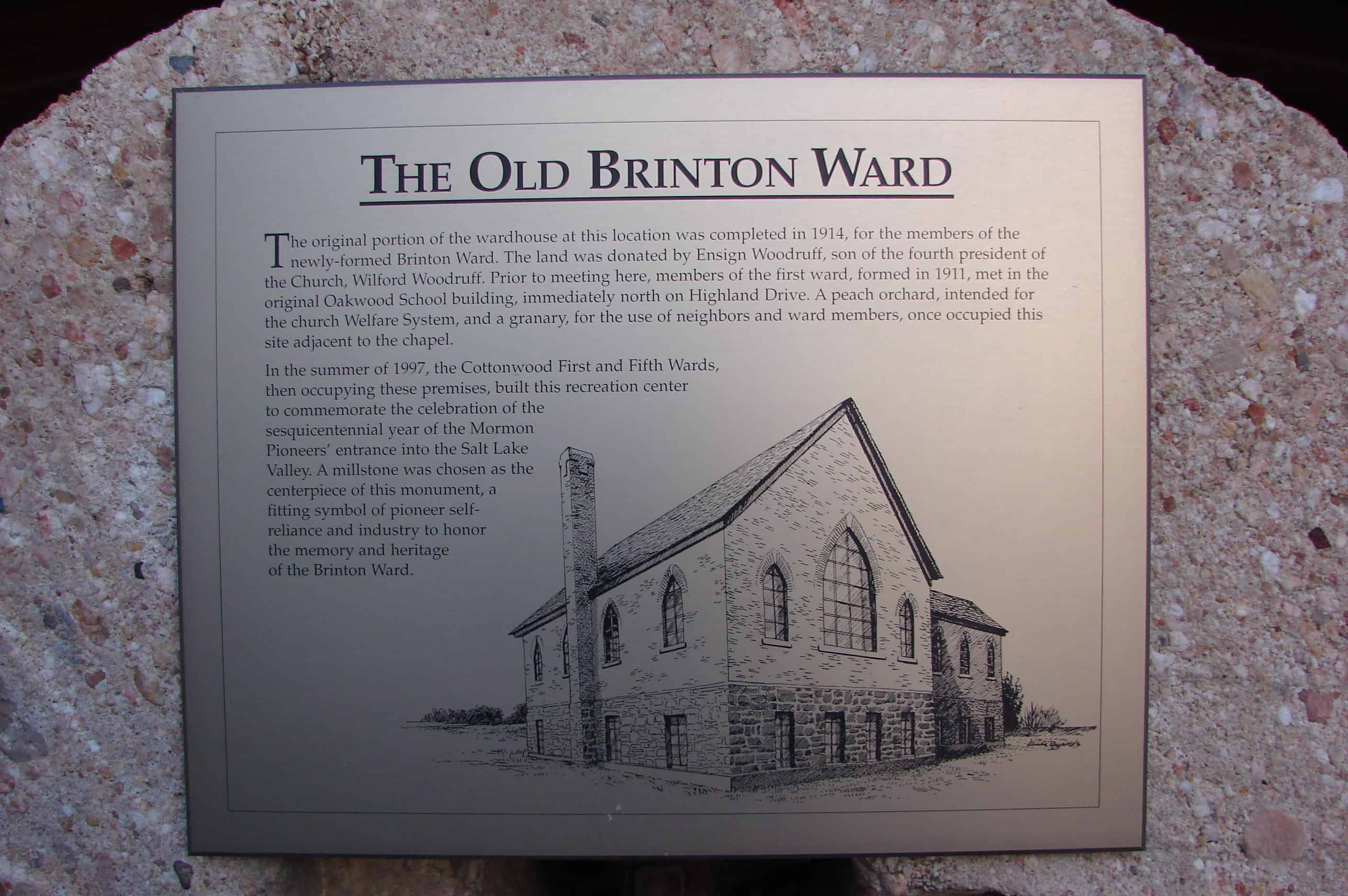
The original portion of the ward house at this location was completed in 1914, for the members of the newly-formed Brinton Ward. The land was donated by Ensign Woodruff, son of the fourth president of the Church, Wilford Woodruff. Prior to meeting here, members of the first ward, formed in 1911, met in the original Oakwood School building, immediately north on Highland Drive. A peach orchard, intended for the church Welfare System, and a granary, for the use of the neighbors and ward members, once occupied this site adnacent to the chapel.
In the summer of 1997, the Cottonwood First and Fifth Wards, then occupying these premises, built this recreation center to commemorate the celebration of the sesquicentennial year of the Mormon Pioneers’ entrance into the Salt Lake Valley. A millstone was chosen as the centerpiece of this monument, a fitting symbol of pioneer self-reliance and industry to honor the memory and heritage of the Brinton Ward.
19 Monday Sep 2016
Posted in Uncategorized
Tags
historic, LDS, LDS Church, Monuments, Salt Lake, Salt Lake City, Salt Lake County, Temple Square, utah

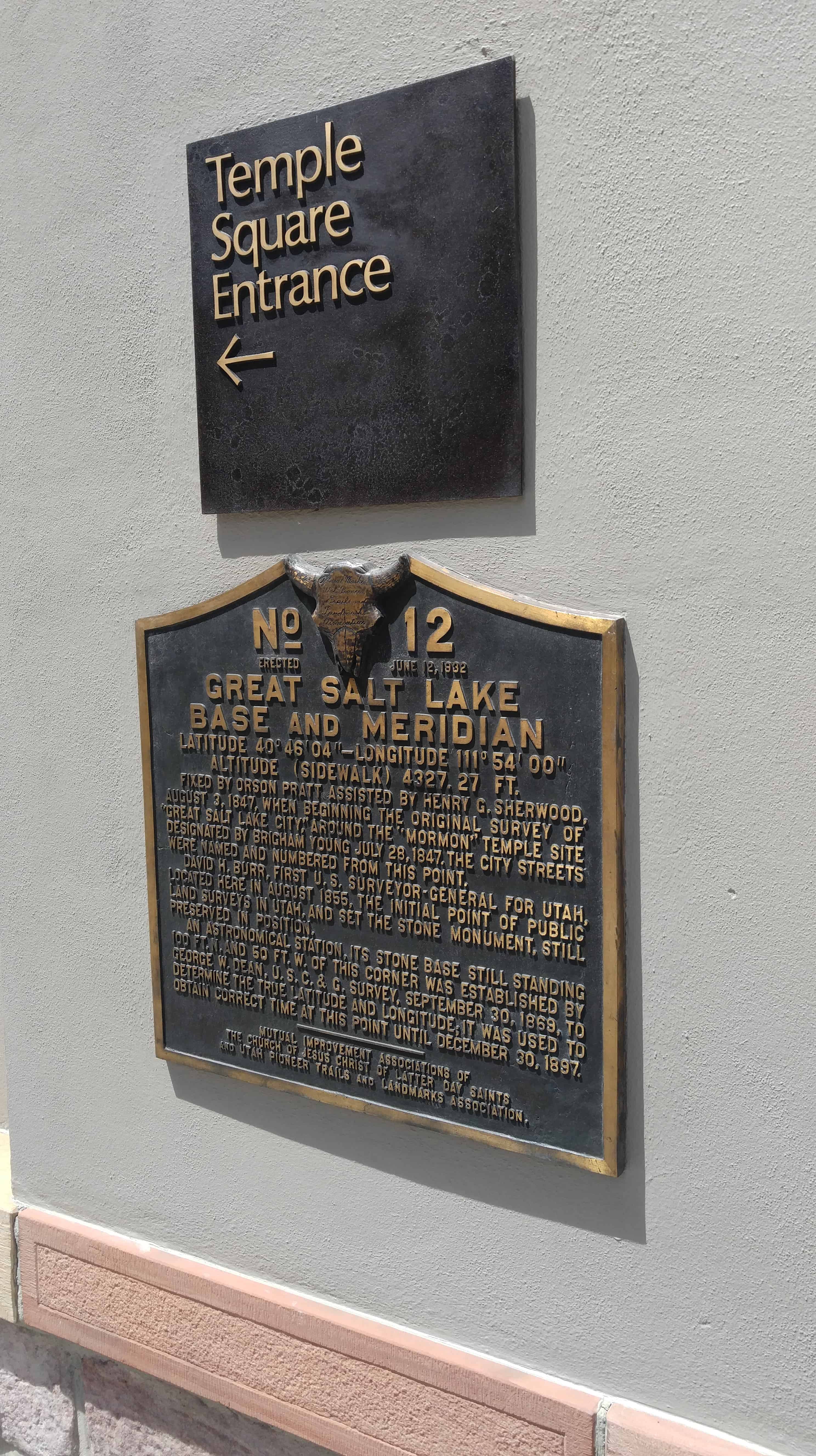
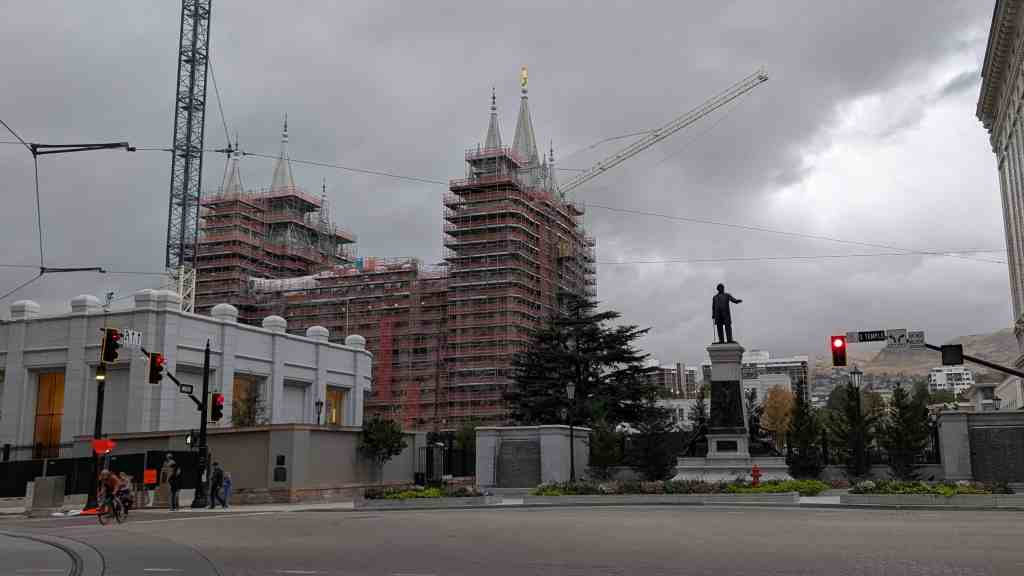
Undoubtedly the most well known monument in Salt Lake City, it sits at the base reference point for the original plat map and the current address numbering system.
In Honor Of Brigham Young and The Pioneers
On the reverse is a plaque that names the entire complement of the original party:
The names of the PIONEERS who arrived in this valley, July 24, 1847.
*Signifies those now living. The unmarked ones are all deceased.The names of 143 men (including 3 colored servants), 3 women, and 2 children.
27 of those listed are marked as still among the living at time of dedication, 50 years to the day from the initial arrival in the valley.
The entire company and outfit consisted of 143 men, 3 women, 2 children
70 wagons, 1 boat, 1 cannon, 93 horses, 52 mules, 66 oxen, 19 cows.
This monument erected by public subscription. Was unveiled July 24, 1897.
The monument is topped by Brigham Young himself, flanked at a lower level by a frontiersman and a native American. These figures represent those who precede the Pioneers in the valley and gave the immigrants invaluable aid in settling the valley. The monument is faced with a plaque showing a Mormon family going about routine duties during the trek west.
The artist was Cyrus Dallin.


Related:
12 Monday Sep 2016
Posted in Uncategorized
Tags
Churches, Historic Buildings, Historic Churches, Independence, Jackson County, LDS, LDS Church, Missouri, RLDS

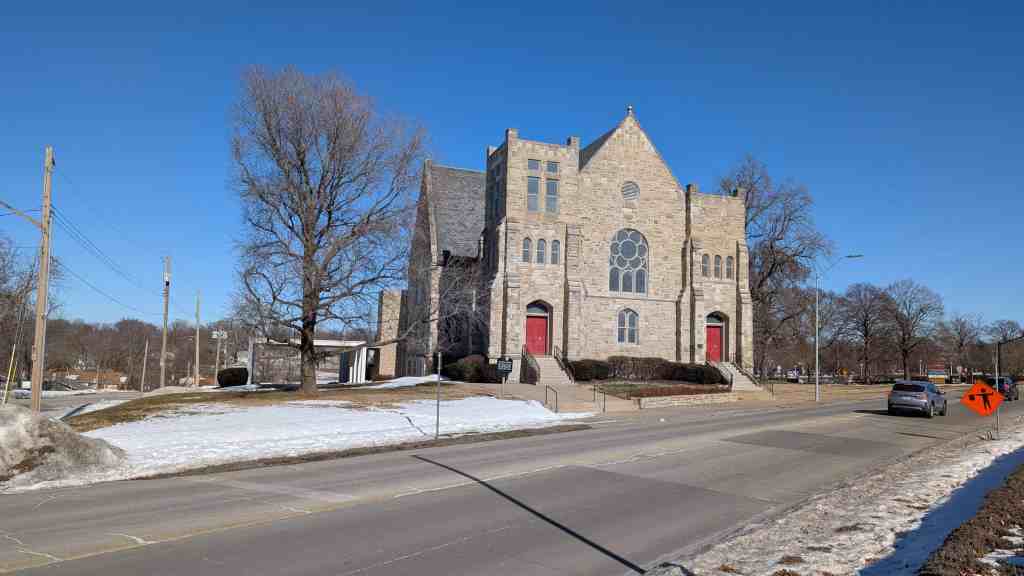
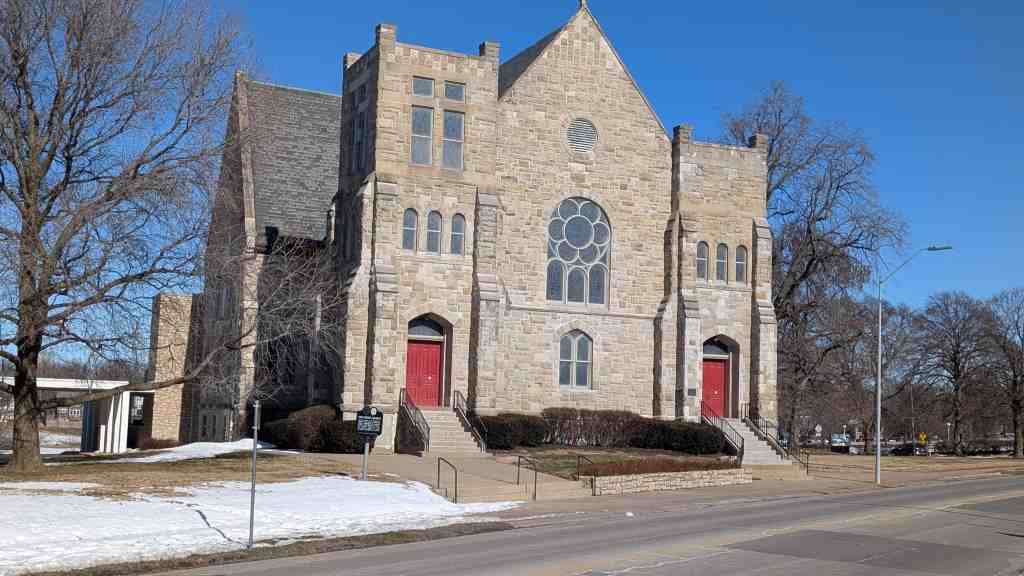
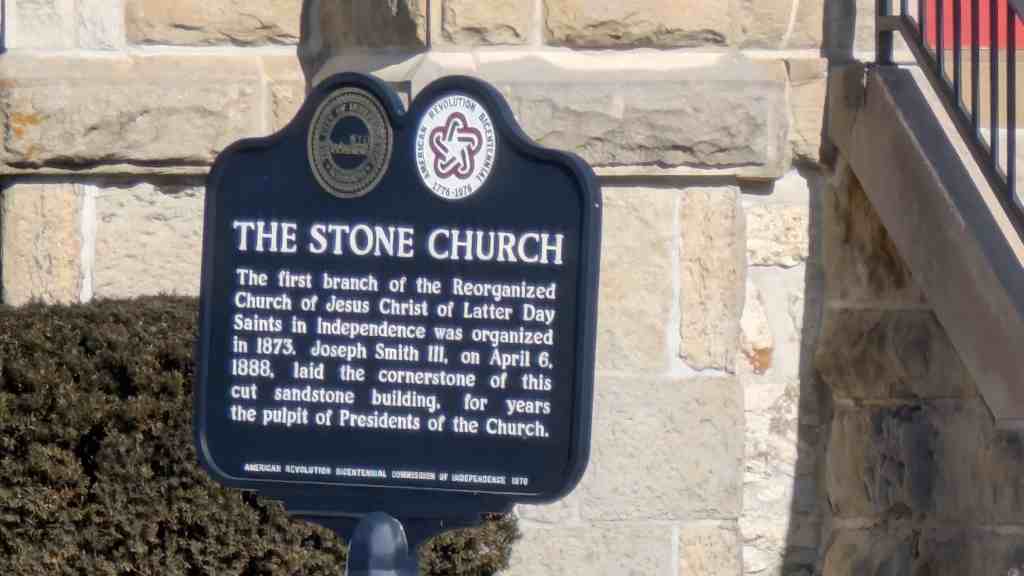
The First Branch of the Reorganized Church of Jesus Christ of Latter-Day Saints in Independence was organized in 1873. Joseph Smith III on April 6th, 1888 laid the cornerstone of this cut sandstone building.
1012 West Lexington Avenue in Independence, Missouri