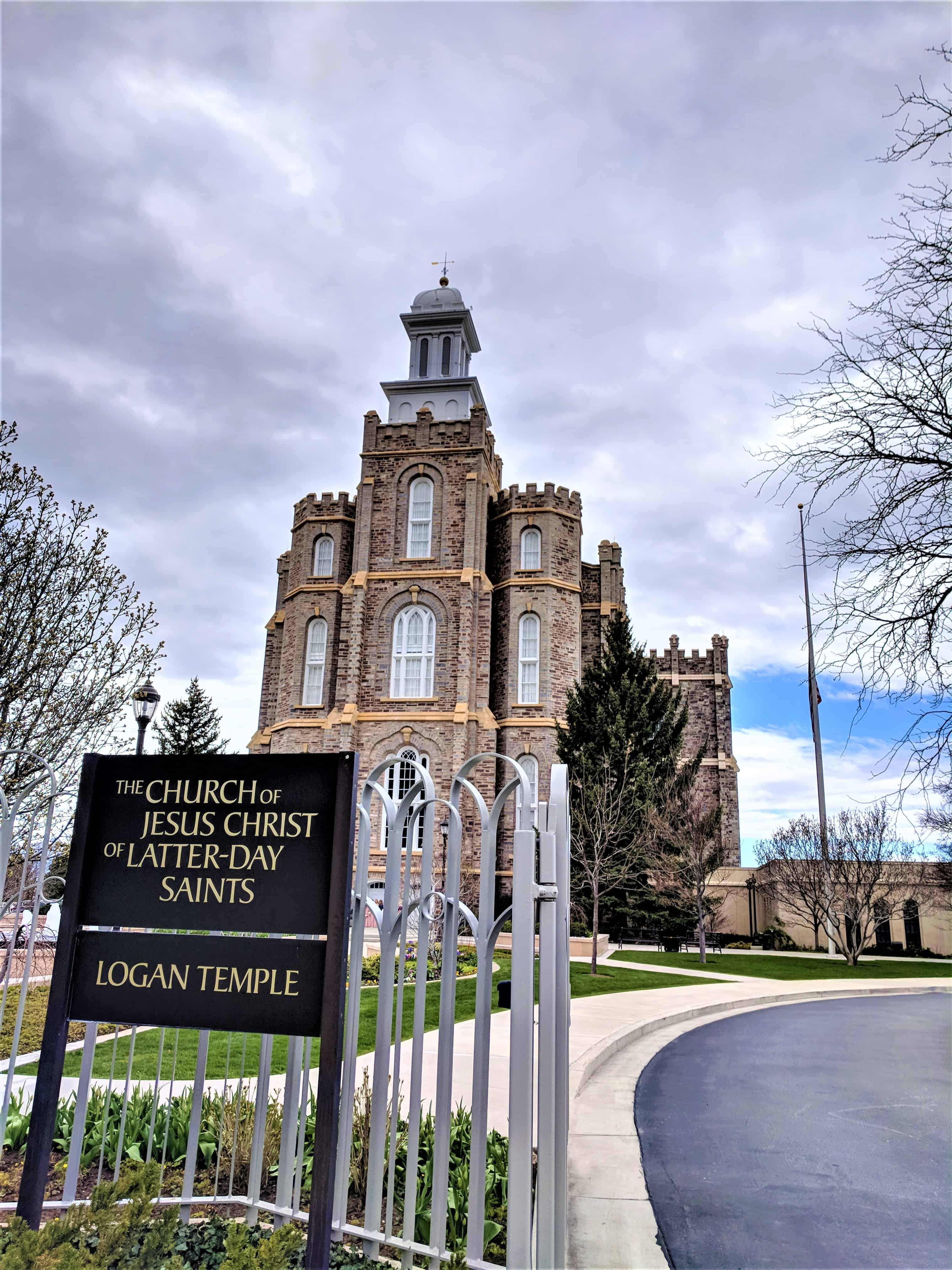
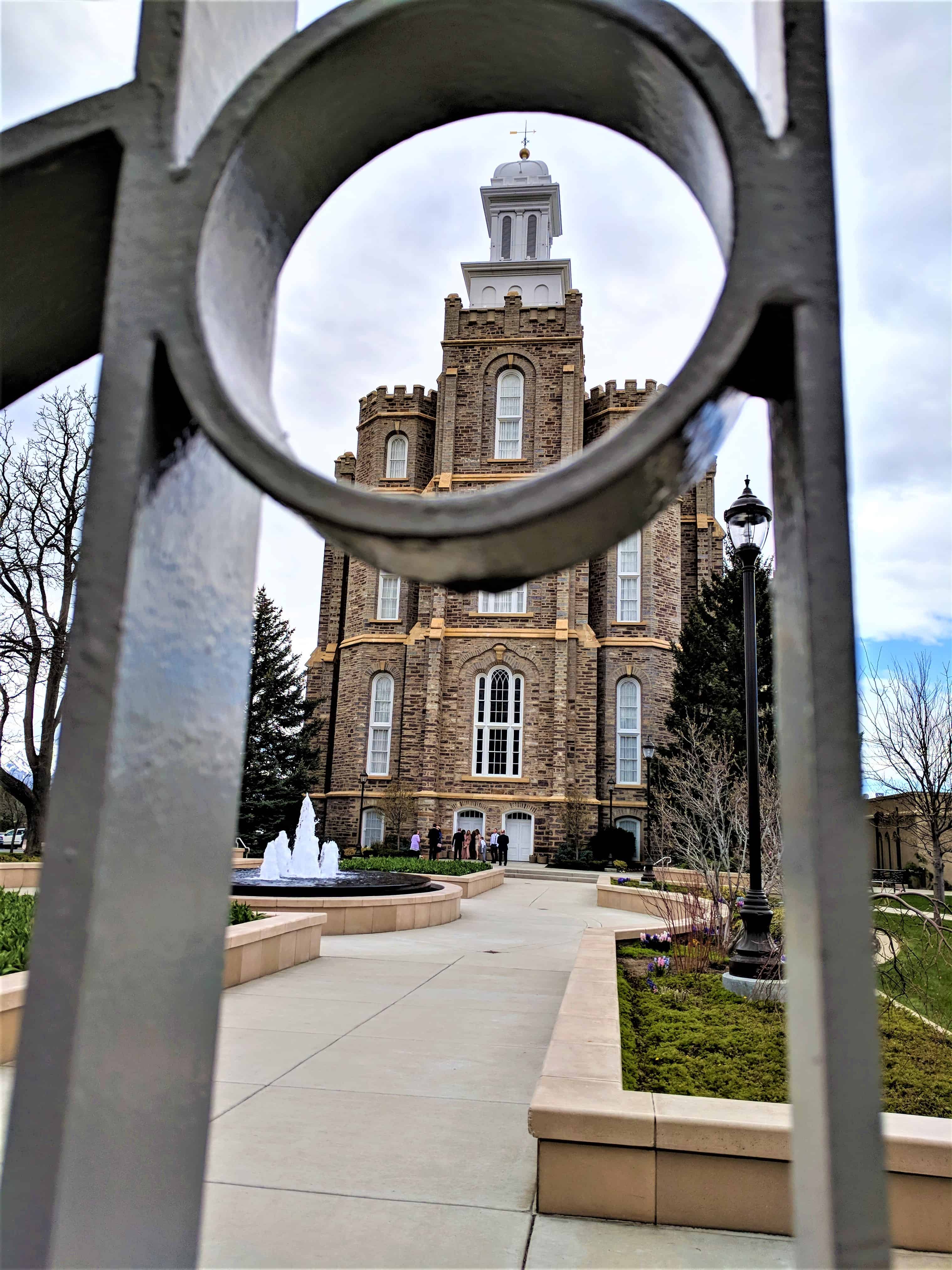
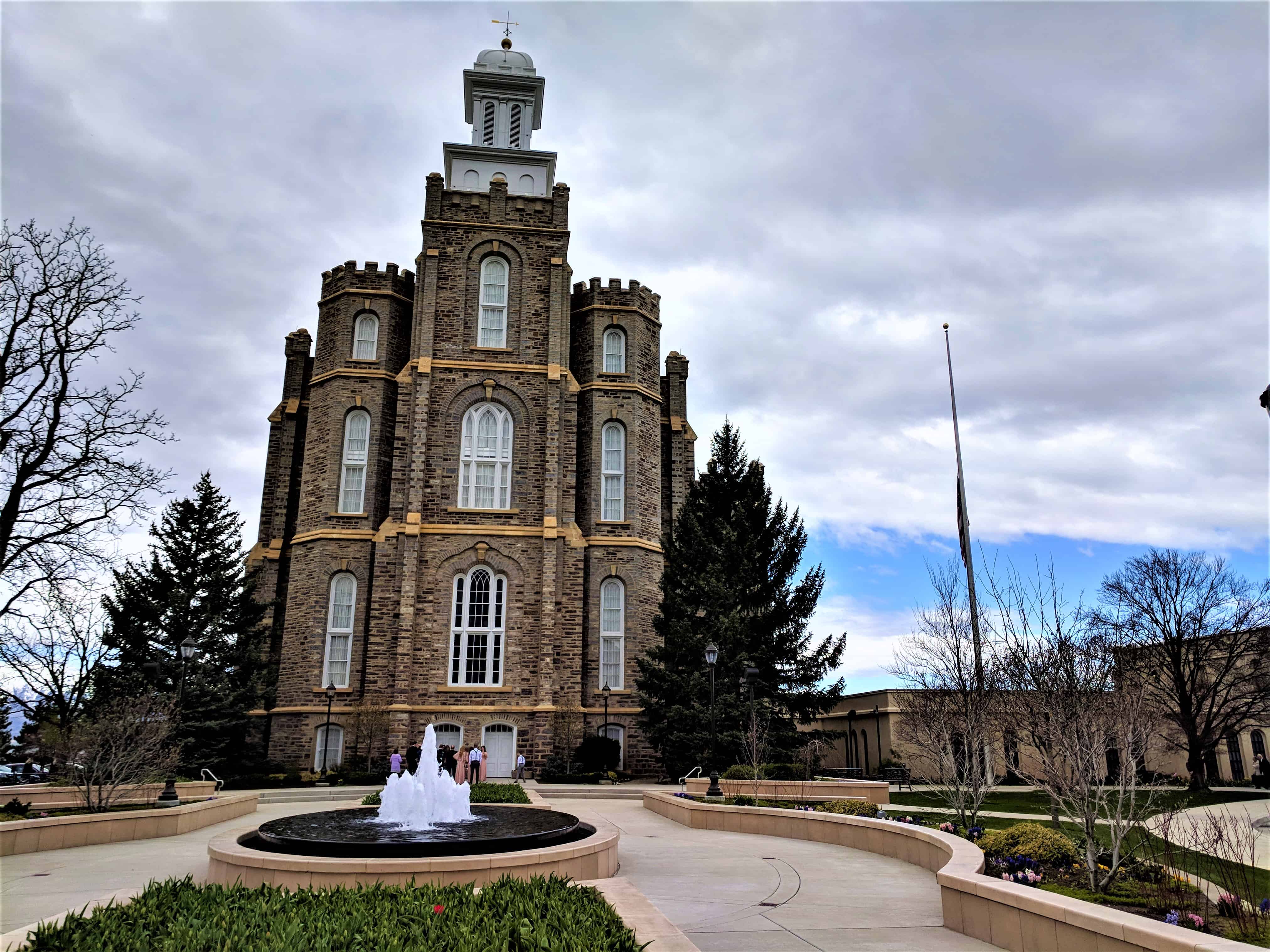
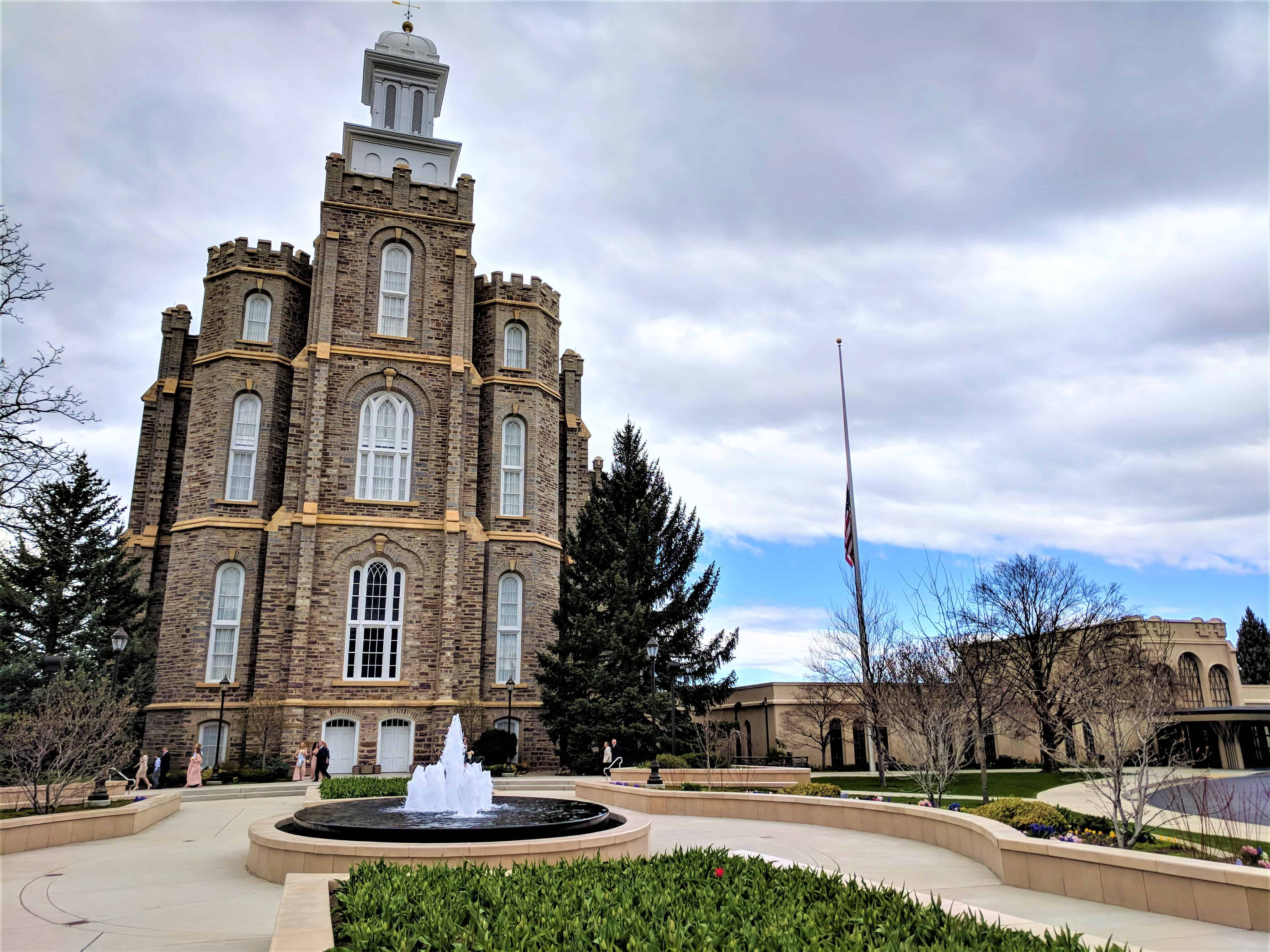
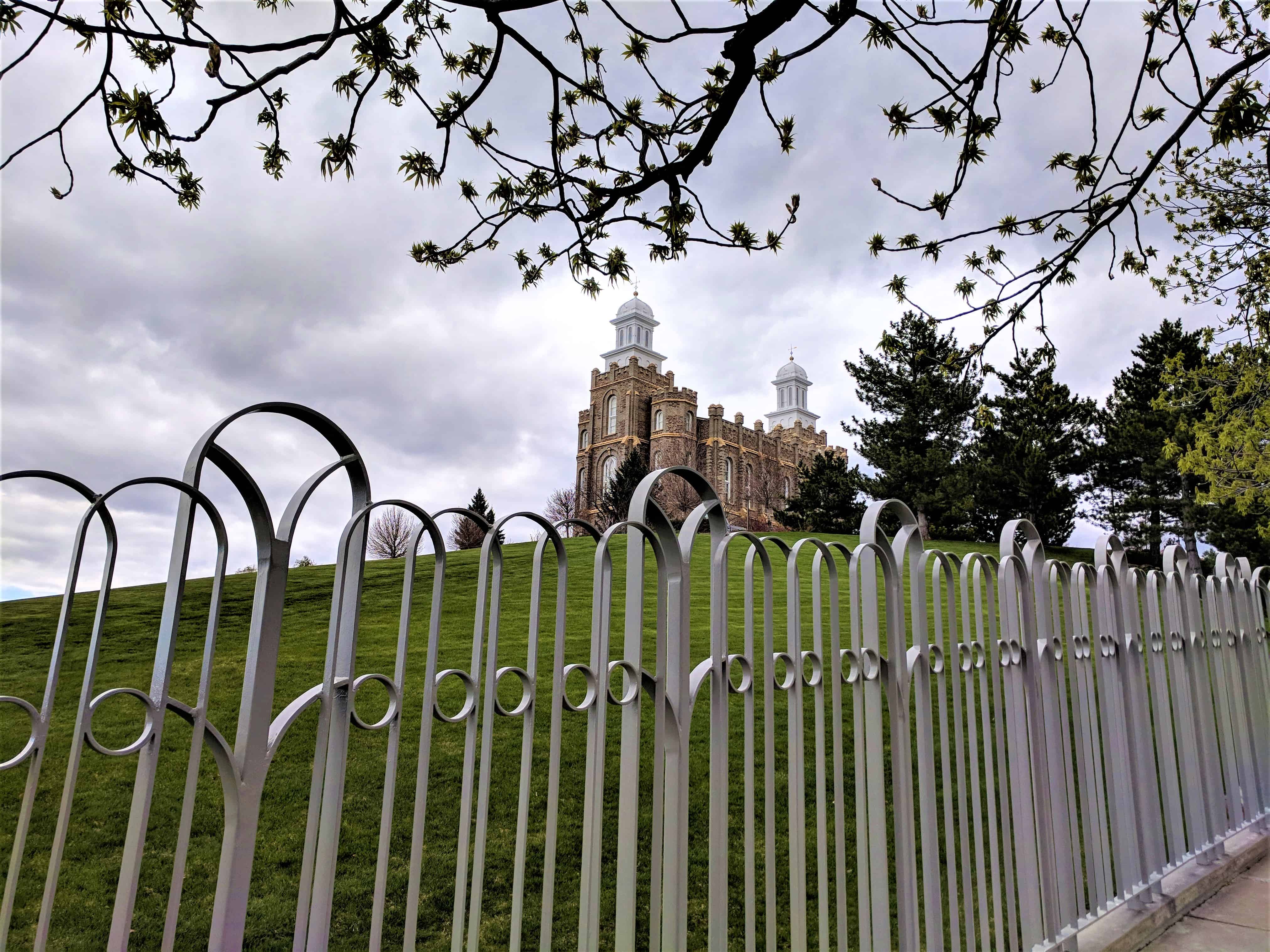
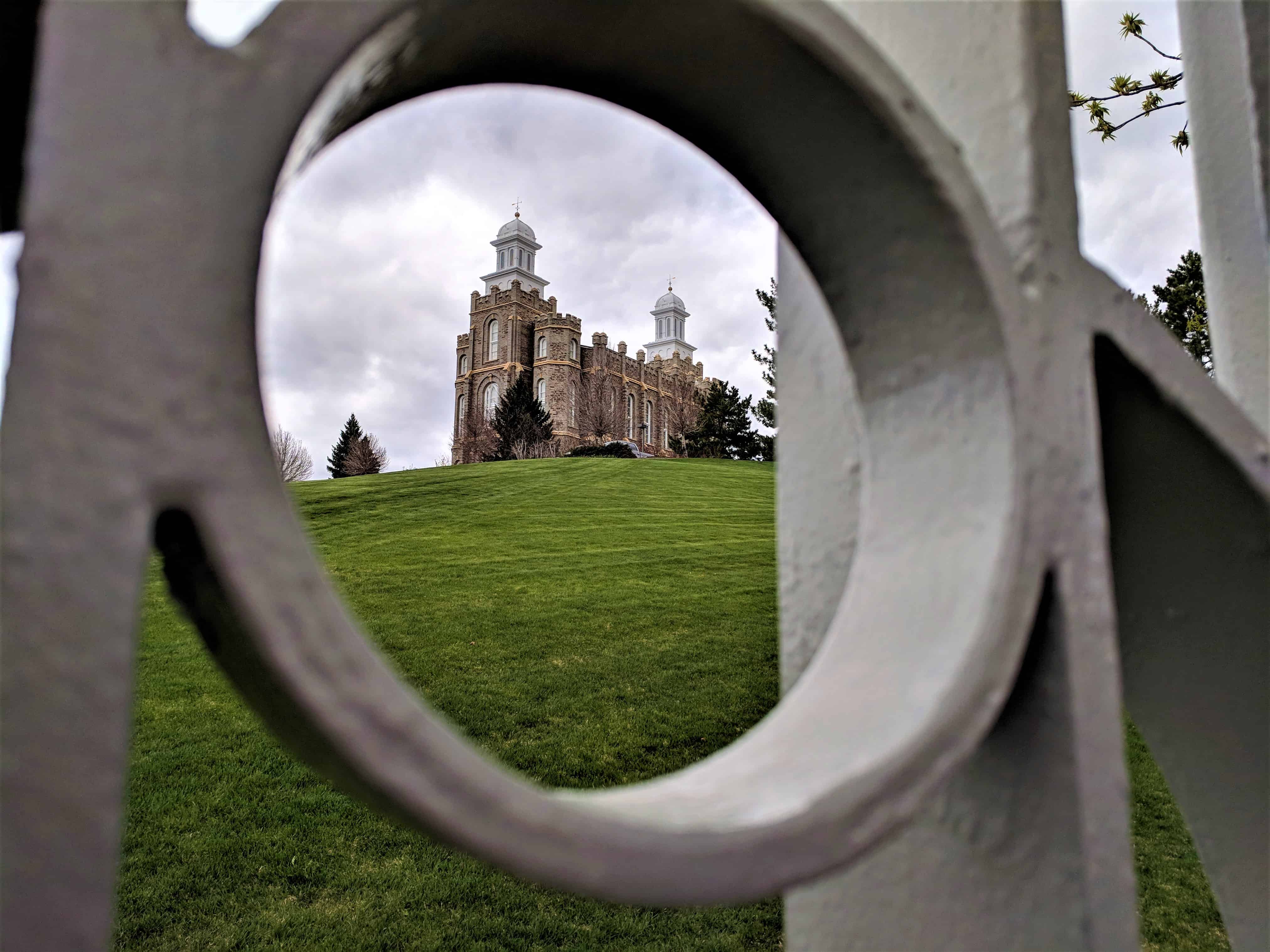
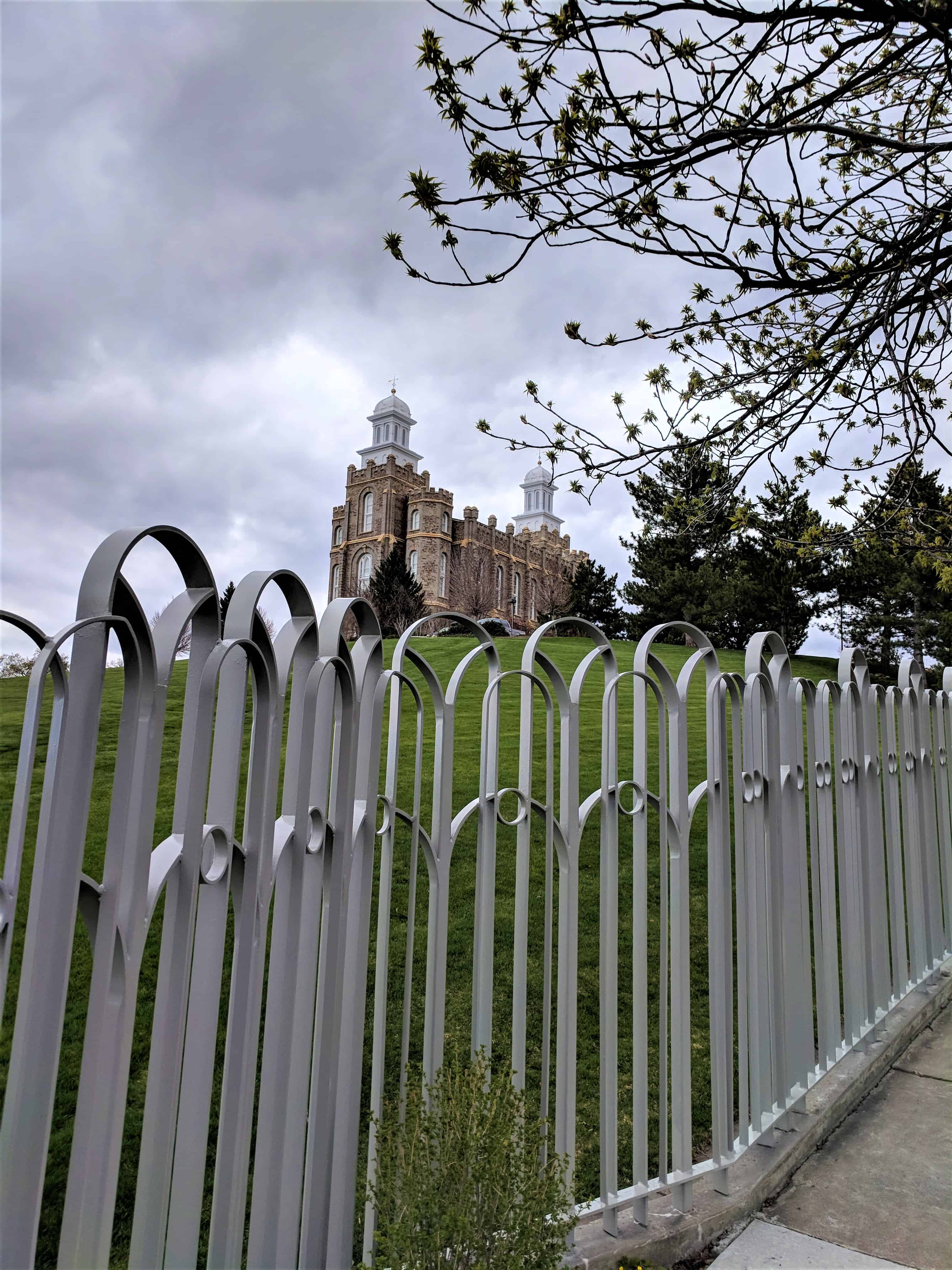
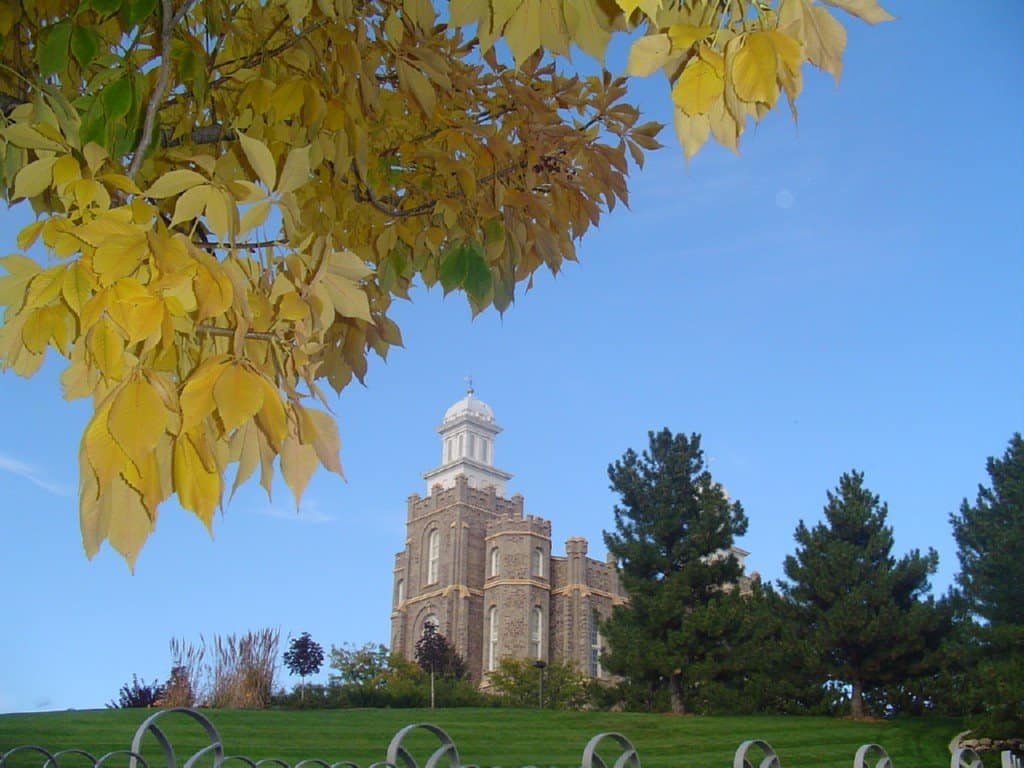
Located at 175 North 300 East in Logan Utah and added to the National Register of Historic Places (#75001801) on November 20, 1975 – the text below is from the nomination form from the national register:
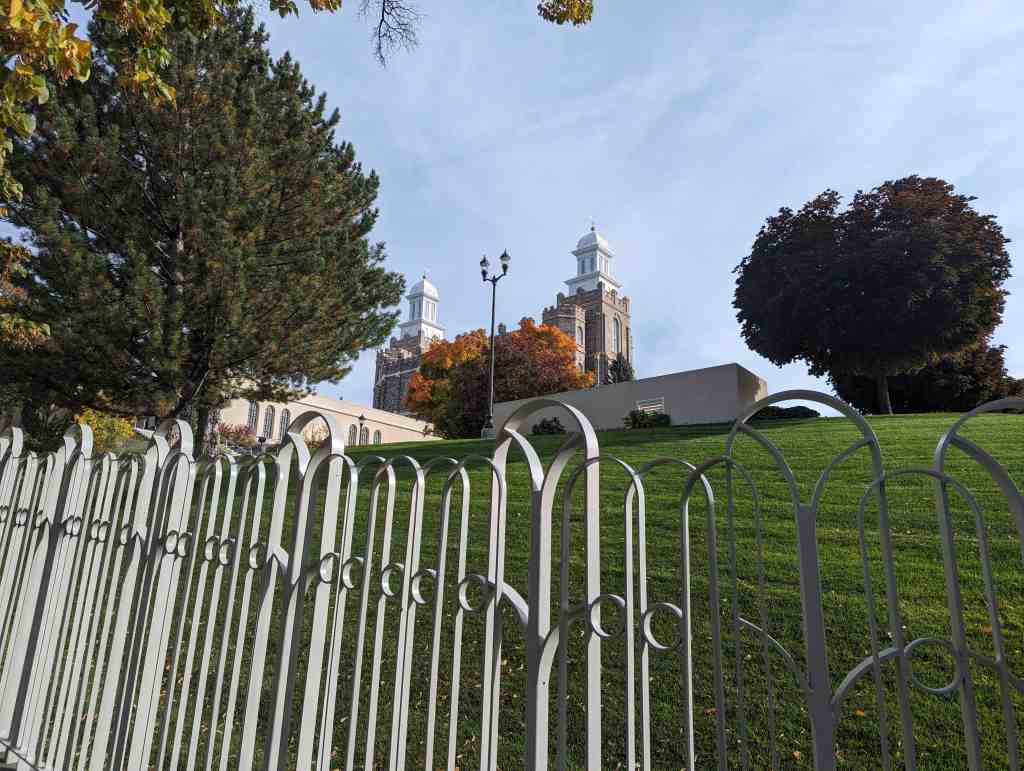
The Logan Temple has been defined as the structural and spiritual symbol of Cache Valley. Built on a hill near the center of Logan, the temple can be seen from almost every part of the valley,
Worship in the LDS temples is restricted to the devout and faithful members of the Mormon Church and the Logan Temple is, for the Mormons of northern Utah and southern Idaho, the most important religious shrine in their vicinity,
In 1871, Wilford Woodruff, at that time a member of the Quorum of the Twelve Apostles, while speaking at Logan predicted that a temple would be built on the east bench of Logan and two years later Brigham Young also suggested that ” fine temple … be built on the bench crowning the eastern part of the city.” (quoted in Joel E. Ricks, ed., The History of a Valley, p. 283.)
Groundbreaking ceremonies were held on May 18, 1877. Brigham Young, presiding at the dedication, outlined the procedure by which the temple would be built “We require the brethren and sisters to go to with their might and erect this temple; and from the architect to the boy who carried the drinking water, to the men that work on the building, we wish them to understand that wages are out of the question. We are going to build a house for ourselves, and we shall expect the brethren and sisters, neighborhood after neighborhood, ward after ward, to turn out their proportion of men to come here and labor as they shall be notified by the proper authorities.” (quoted in Leonard J. Arrington and Melvin A, Larkin, “The Logan Tabernacle and Temple,” Utah Historical Quarterly, Summer, 1973, p. 305.)
Six temple industries were established to provide materials for the temple construction:
A sawmill was established in Temple Fork (Mauqhan’s Fork) in Logan Canyon. Here they cut red pine (Douglas fir).
A wood camp was set up a few miles down the canyon. This provided firewood, for the lime kilns and scaffolding for workmen, railroad ties for sale, and telegraph poles for their cooperative Deseret Telegraph Company.
A lime kiln was built in the mouth of the canyon. The firewood to provide fuel was floated downstream on the Logan River.
The main stone quarry was developed in Green Canyon, east of North Logan. Here they quarried the dark fucoid quartzite which is the main component of the exterior walls.
Another quarry in Hyde Park Canyon provided additional stone for the walls.
A third quarry northeast of Franklin supplied sandstone for the water tables, caps, and window ledges. (Ibid., p. 306.)
In addition to supplying materials for the temple f the industries also provided building materials used in the erection of homes, farms and businesses by those temple employees who received their pay in these essential supplies.
Records indicate that a total of $607,000 was donated for the temple construction in the following categories: $30,000 in merchandise (5 percent) $30,000 in livestock (5 percent) $71,000 in produce (12 percent) $93,000 in cash (15 percent) $380,000 in labor (63 percent) $3,000 in wagons and teams (Ibid., p. 308.)
The temple was under construction for seven years, from 1877 to 1884, during which time about one hundred fifty men and fifty teams worked constantly on the temple or at the temple industries.
Truman O. Angell, architect for the Salt Lake temple, St, George temple, Beehive House, Lion House and Territorial Capitol at Fillmore, also designed the Logan temple. The temple was formally dedicated on May 17, 1884.
In their article, Arrington and Larkin explain the economic significance of the temple project:
“In essence, the temple project was a means of redistributing income. Those of greater property and income supported craftsmen and laborers to work on the temple during the seven years of construction, Since the materials were nearly all supplied locally, the money, labor, and materials were not lost to the community. Very little was expended outside the valley, In essence, those able to furnish resources did so, and the community economy thus was enriched. In most frontier economies, surplus resources were used to build large homes for the wealthy. In Cache Valley, such large homes were products of the twentieth century when there were not projects as effective as the tabernacle and temple in utilizing surplus for the benefit of the entire community.” (Ibid., pp. 309-310).
Symbolically they conclude:
“The temple was a kind of private mountain a corporeal embodiment of their ideals a formidable defender of the Saints’ way of life, symbolically guarding the church from the threats of the larger society around them, It was also a symbol of their reaching out to God of their closeness to God a place to which the Savior would come to dwell with them, In many respects the temple came to be regarded almost in a mystical sense, In actuality, it was a more explicit formulation of the rugged and majestic mountains around them a man-made sentinel, guarding their Promised Valley.
“Today the Logan Temple can be seen from almost every part of the valley. It symbolically demonstrates the early settlers’ belief that life is more than a struggle for physical survival. To the twenty-five thousand persons who built it and labored on it ‘without purse or scrip,’ it was a visual reminder of the omnipresence of eternity. “ (Ibid., p. 314).
(Above: The Meetinghouse and the Utah Stake Tabernacle as they appeared circa 1885. The baptistry is located in front of the meetinghouse.)
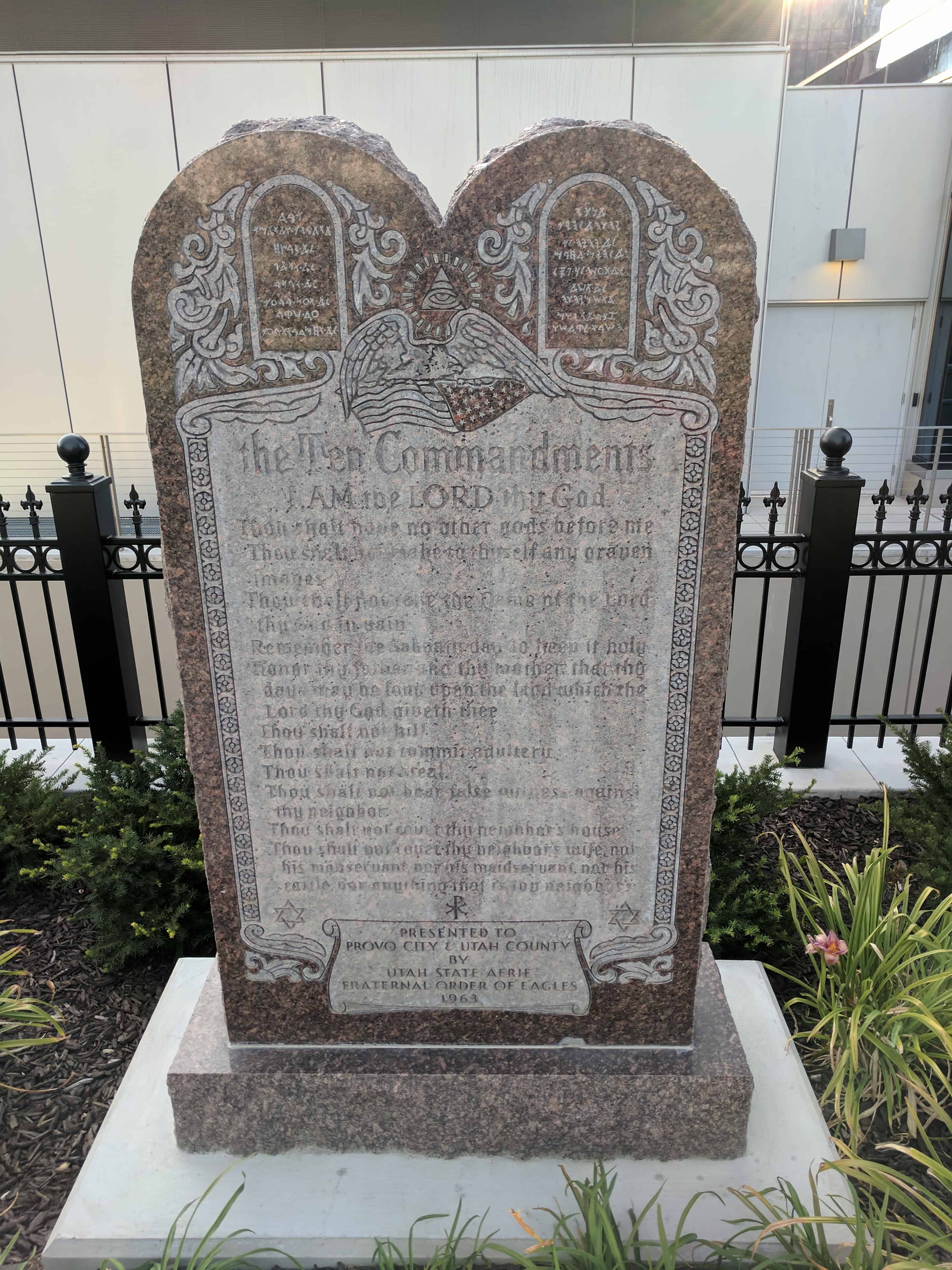
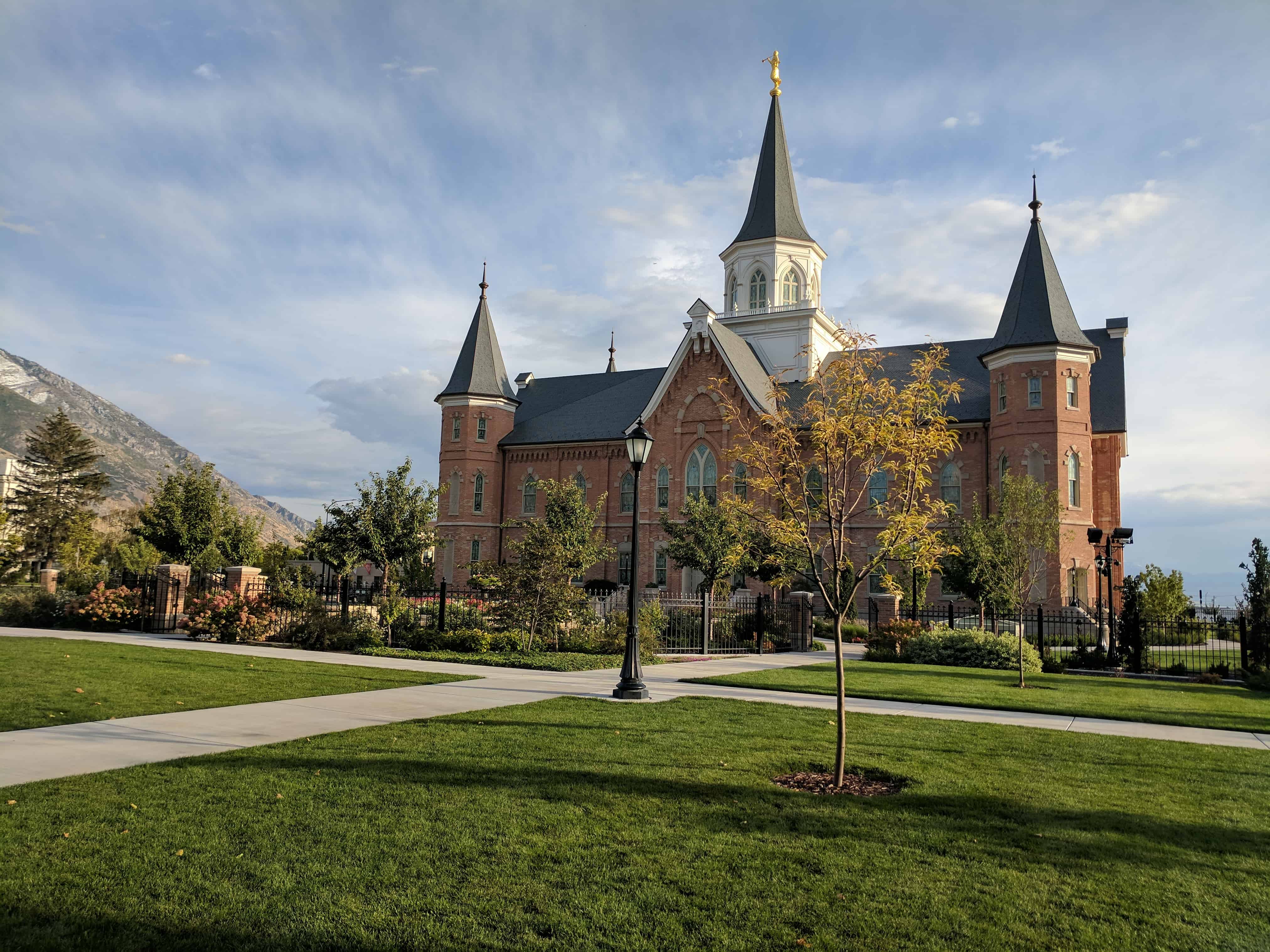
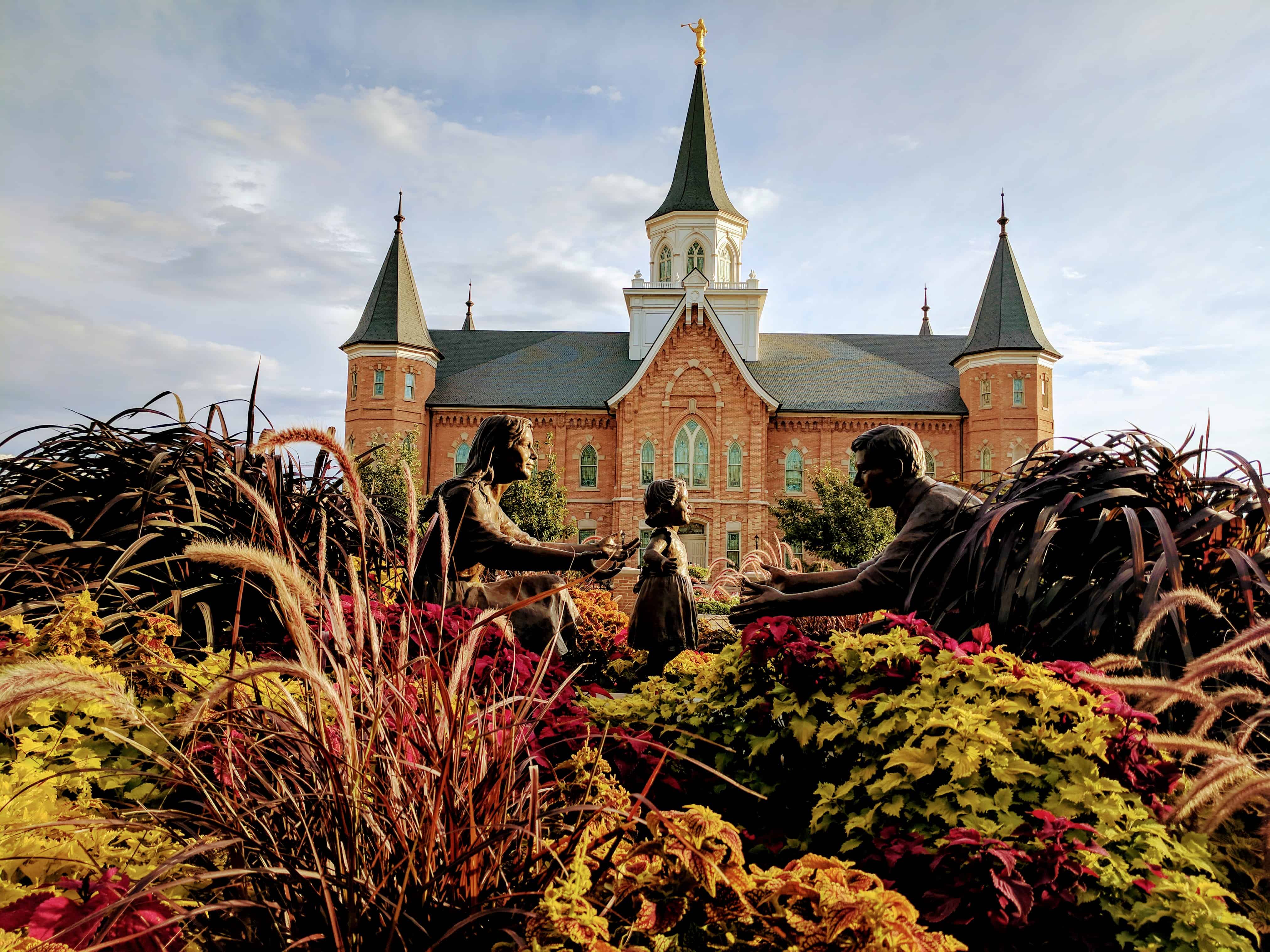
Members of The Church of Jesus Christ of Latter-day Saints have gathered on this block since the 1850s to worship and make sacred covenants. The transformation of the Utah Stake Tabernacle into the Provo City Center Temple continues this sacred heritage.
After President Brigham Young selected the site, construction began on a meetinghouse in 1856. It was designed by Church architect Truman O. Angell, and Church members worshiped in this building until it was razed in 1919. Members of the Daughters of Utah Pioneers and the Sons of Utah Pioneers preserved the lintel stone (adjacent to this marker from the original meetinghouse.
In the late 1870s, a baptistry was built to the west of the meetinghouse. Uncovered during an archaeological dig in 2012, the font reveals this site as a place where Latter-day Saints historically made sacred covenants with the Lord.
As the community outgrew the capacity of the meetinghouse, Church leaders commissioned William H. Folsom to design a new, larger structure. Initiated in 1883, construction of the Utah Stake Tabernacle ended in 1898. For more than one-hundred years the tabernacle housed worship services, community gatherings, and cultural events. Early in the morning of December 17, 2010, a fire consumed all but the outer shell of the building. Ten months later, President Thomas S. Monson announced that the building would be restored and used as a temple.
Today Church members continue to gather to this historic place. They, like their predecessors, make sacred covenants with God through the ordinances offered in the House of the Lord.
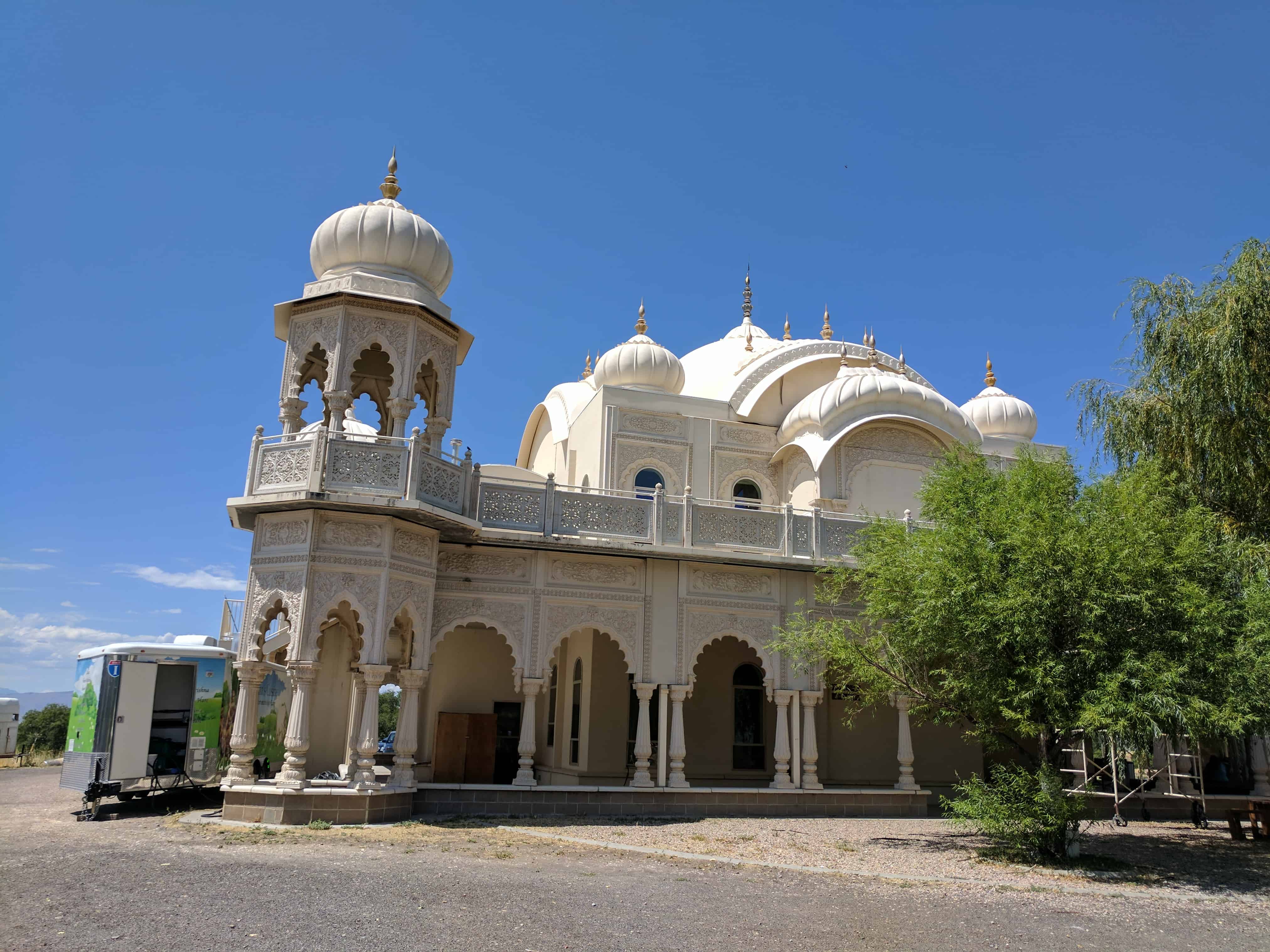
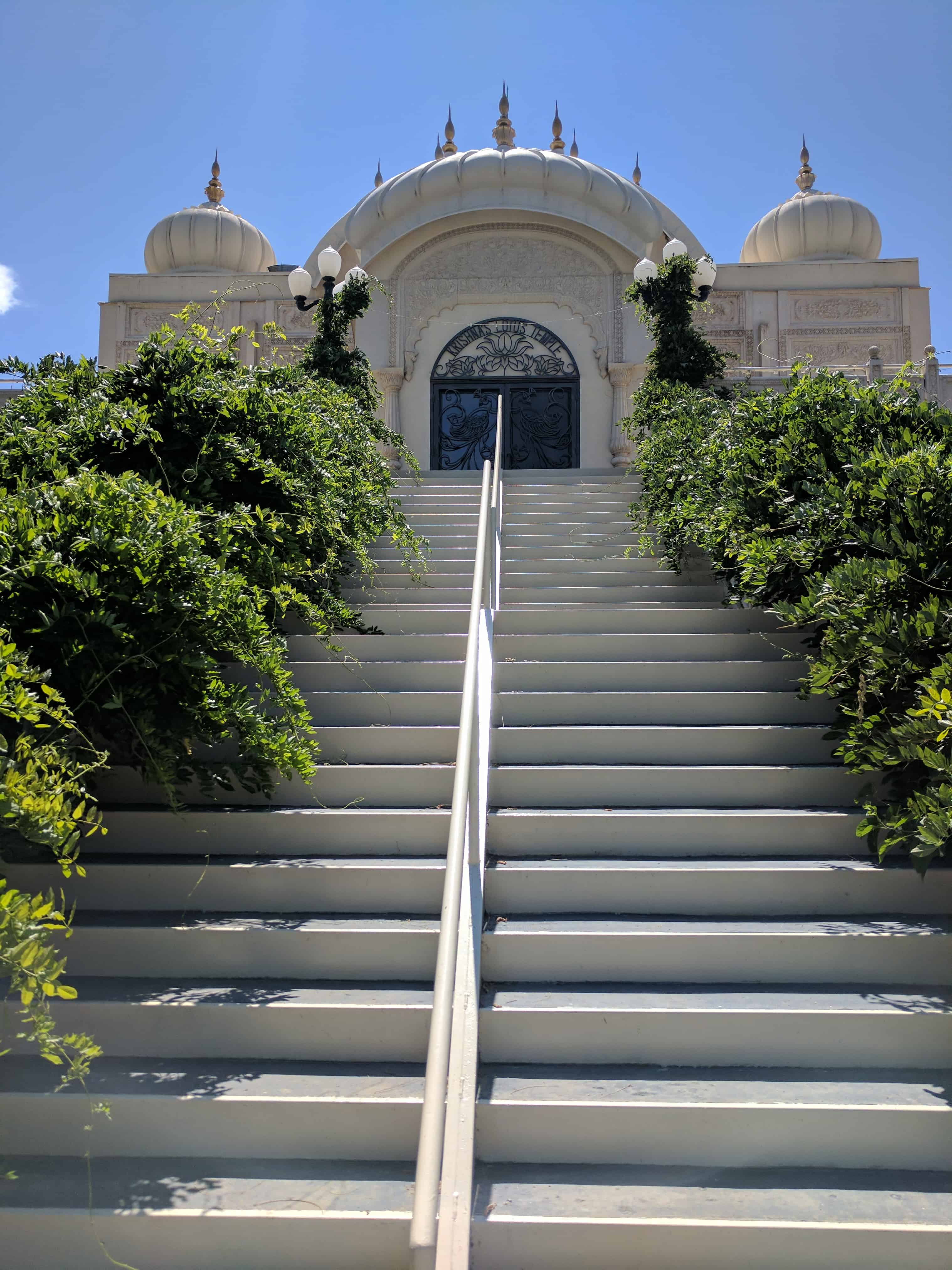
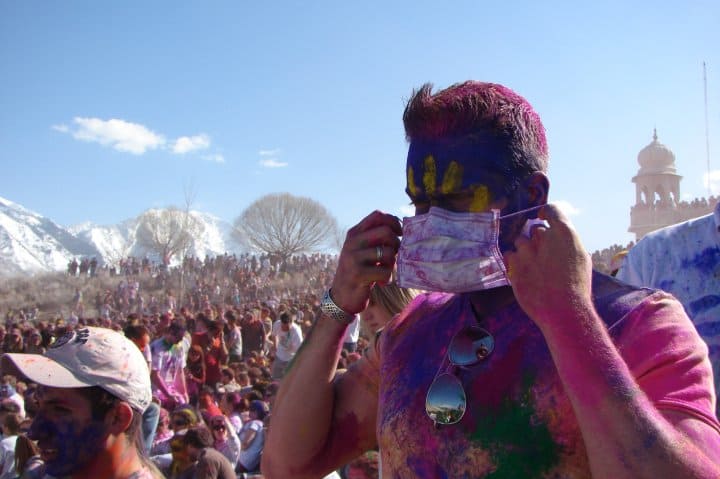
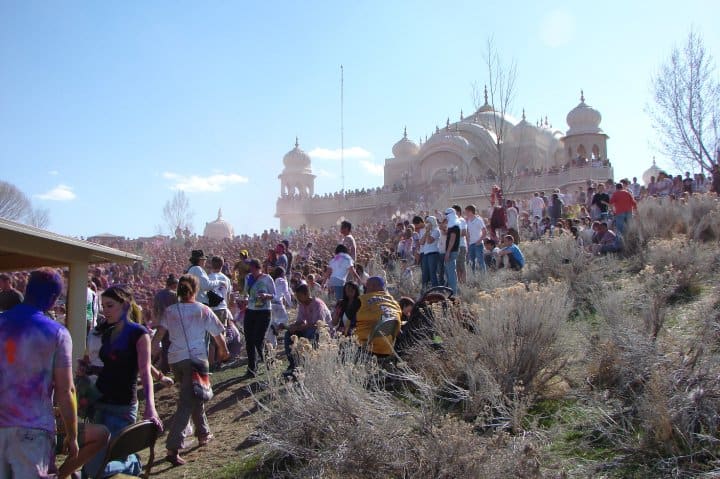
The Sri Sri Radha Krishna Temple in Spanish Fork, Utah, was built to meet the needs of the Hindu community in Utah County. The temple hosts seasonal festivals, weddings, receptions, and other weekly services for prayer and meditation.
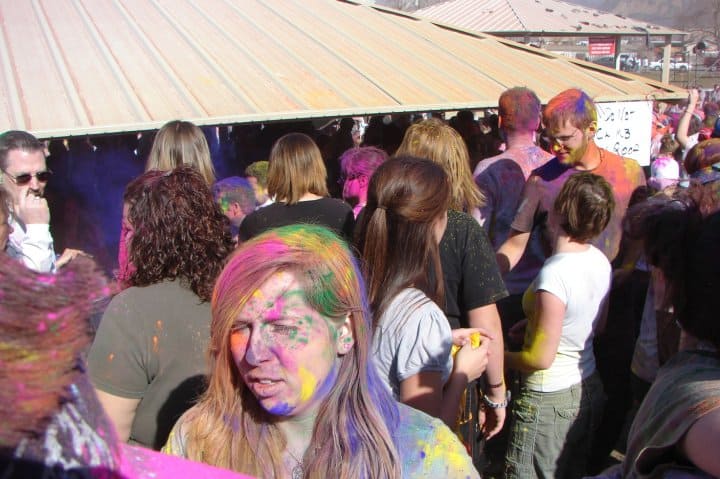
The Holi Festival of Colors brings many thousands of people every year and has begun to be copied around the state and nation.
The Las Vegas Nevada Temple was the first temple built in Nevada.
The angel Moroni statue of the Las Vegas Nevada Temple faces east, away from the city, symbolically heralding the Second Coming of the Lord, Jesus Christ.
Natural light streams through the breathtaking floor-to-ceiling windows of the Celestial Room of the Las Vegas Nevada Temple, projecting miniature rainbows on the walls.
The Las Vegas Nevada Temple was announced concurrently with the Portland Oregon Temple, Toronto Ontario Temple, San Diego California Temple, and Bogotá Colombia Temple.
Following the announcement of the Las Vegas Nevada Temple, members of the temple district were asked to contribute toward construction. They enthusiastically answered the call, raising $11 million—428 percent of their assessment.
Over six thousand members attended the groundbreaking ceremony for the Las Vegas Nevada Temple in the Las Vegas Convention Center downtown. The program included a videotaped presentation of Church leaders and dignitaries at the temple site turning the earth with shovels earlier that day.
During the 23-day open house of the Las Vegas Nevada Temple, 297,480 visitors toured the edifice. More than 99,000 visited the missionary pavilion following their tour, and missionaries reported that teaching appointments tripled in the valley as a result of the temple’s opening.
Dedicated in eleven sessions just before the Christmas holiday, the Las Vegas Nevada Temple was a fitting gift for the Savior of the World.
In 2012, a family history center opened in the building that had formerly housed a Distribution Services center on the grounds of the Las Vegas Nevada Temple.(*)
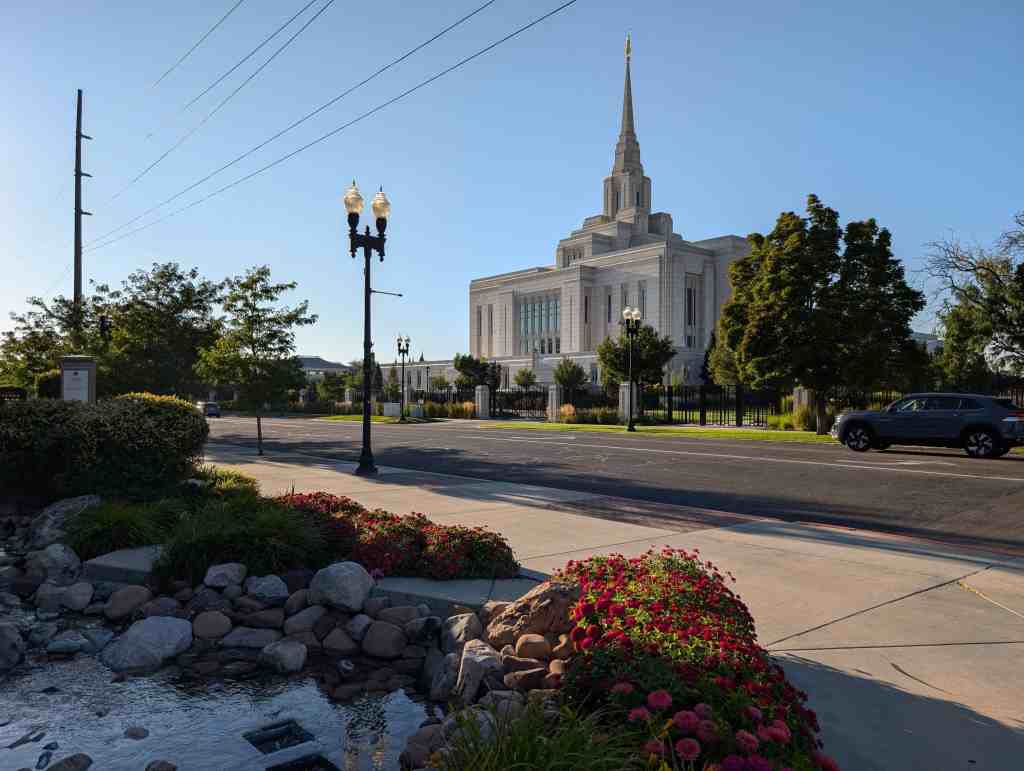
The Ogden Utah Temple (formerly the Ogden Temple) is the sixteenth constructed and fourteenth operating temple of The Church of Jesus Christ of Latter-day Saints (LDS Church). Located in Ogden, Utah, it was originally built with a modern, single-spire design very similar to the Provo Utah Temple. During a renovation completed in 2014, the exterior and interior were extensively changed.
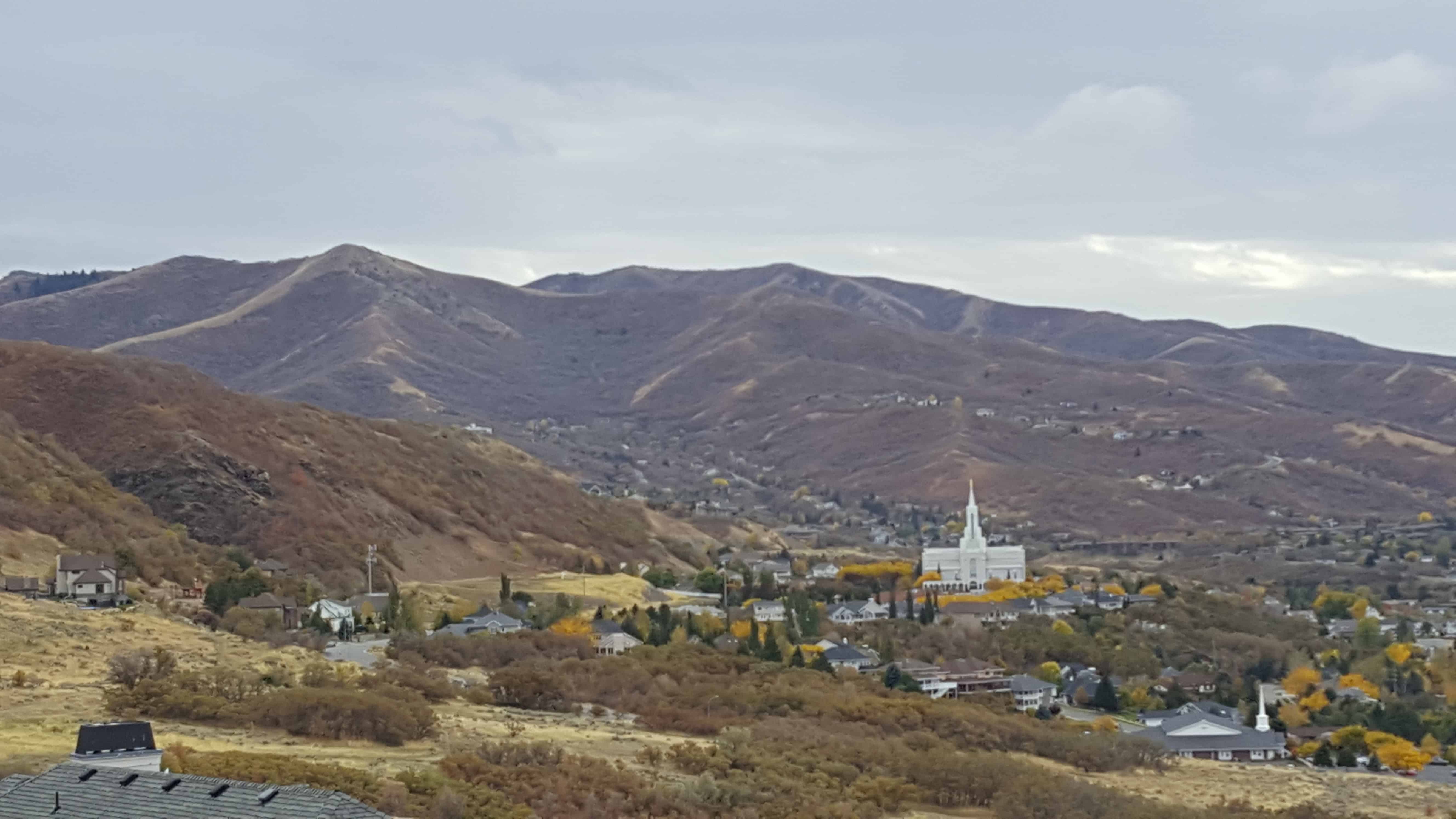
The Boise Idaho Temple is the 29th constructed and 27th operating temple of The Church of Jesus Christ of Latter-day Saints (LDS Church). The temple is located in the city of Boise, Idaho.
The LDS temple in Mesa was one of the first to be constructed by the church. Similar to the Cardston Alberta Temple, the church decided to hold a competition for the design of the temple with the exception of only inviting three Salt Lake firms to participate. The winning design was proposed by Don Carlos Young, Jr. and Ramm Hansen. Announced in 1919, only seven years after Arizona had achieved statehood, it was one of 3 temples announced and constructed to serve outlying Latter-day Saint settlements in the early part of the century, the others being constructed in Laie, Hawaii and Cardston, Alberta. While none of the three settlements were particularly large in their own right, they were considered thriving centers of largely Latter-day Saint populations. The long and arduous trip to existing temples located in the state of Utah would prove costly and even dangerous for the faithful of the era, and temple attendance was (and is) an important part of the faith. As such, it was seen as necessary to construct temples in these communities.
Numerous colonies had been set up in Arizona by the church during the last half of the nineteenth century, and plans had been discussed for a temple in the area as early as 1908, but the start of World War I stopped these for a while. The plan to build a temple in Mesa, Arizona was finally announced on October 3, 1919 and a 20-acre site was selected and bought in 1921. The site was dedicated shortly after on November 28, 1921 and on April 25, 1922 the groundbreaking ceremony took place. Heber J. Grant conducted the ceremony.
Following the earlier traditions set forth in the building of temples, such as the Salt Lake Temple, the new structure in Mesa was a centerpiece of an organized and planned community for the faithful that lived nearby. Upon its completion in 1927 it was the third largest temple in use by the church and the largest outside of Utah, and remains among the largest temples constructed to this day.
In a departure from the style of temples constructed prior, the Mesa temple (along with the temples in Laie and Cardston) was built in a neoclassical style suggestive of the Temple in Jerusalem, lacking the spires that have become a mainstay of temples built since then, and prior to the announcement and impending construction of the Paris France Temple it was the last LDS temple constructed without a spire. The temple is a neoclassical design featuring the primary structure atop a pedestal, a frieze, pilasters with Corinthian capitals (12 pair along the long side and 10 pair along the short side) and amphorae on fluted columns on the grounds. Below the cornice, eight frieze panels (carved in low relief) depict the gathering of God’s people from the Old and New World, and the Pacific Islands to America.
When construction was finished on the temple, the public was able to take tours through the temple. Two hundred thousand people were able to take a tour through the Mesa Temple. The temple was dedicated on October 23, 1927 by Heber J. Grant. By that afternoon, the temple was being put to use. In 1945, the temple was distinguished by becoming the first to offer temple ordinances in Spanish, the first time they were offered in a language other than English.
The Bountiful Temple is the eighth temple constructed in the state of Utah. The history of the temple site began back in 1897, when John Haven Barlow Sr. purchased 40 acres of land from the United States government. Because of lack of water and the steep terrain, little could be done with the land. In 1947 some of the land was cleared and four hundred apricot trees were planted. In the spring of 1983, flash flooding caused a great deal of damage in Bountiful, resulting in the decision to build a dam across the canyon to limit the flow of water during heavy rainstorms. The city requested the use of the soil from the future temple site, so construction crews removed over two hundred thousand cubic yards of soil, leaving the area an ideal spot on which the LDS temple would later be built.
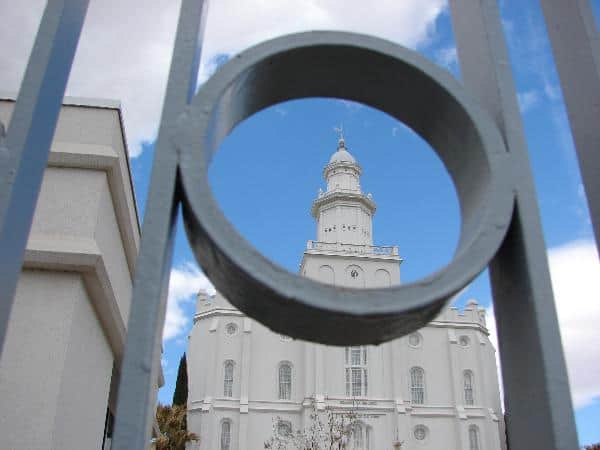
The St. George Utah Temple (formerly the St. George Temple) is the first temple completed by The Church of Jesus Christ of Latter-day Saints after the forced exodus from Nauvoo, Illinois, within two years of the death of Joseph Smith, Jr. Even though it was the fourth LDS temple started in the Rocky Mountains, it was the first one completed. Located in the city of St. George, Utah, it was designed by Truman O. Angell and is more similar in its design to the Nauvoo Temple than to later LDS temples.
The St. George temple is the oldest temple still actively used by the members of the Church. The temple currently has three ordinance rooms and 18 sealing rooms, and a total floor area of 110,000 feet. It was originally designed with two large assembly halls like the earlier Kirtland and Nauvoo Temples. The lower Assembly Hall was partitioned with curtains to provide the ordinance rooms for the Endowment Ceremony. In 1938 the lower Assembly Hall was rebuilt with permanent walls dividing it into four ordinance rooms. The four ordinance rooms were later changed into the present three rooms, at the time the endowment ceremony was changed from a live endowment to one presented on film.
In the 1970s the temple was closed and underwent extensive remodeling. Spencer W. Kimball rededicated it in 1975. The St. George Temple stands in the center of St. George and serves as a beautiful reminder of the hard work and dedication of the Mormon pioneers.
The St. George Temple was added to the National Register of Historic Places (#77001325) on November 7, 1977 and is located at 250 East 400 South in St. George, Utah. The following text is from the register’s nomination form:
Historically the St. George Temple served to unite the settlers of Utah’s Dixie and provided a great stimulus to the local economy. It was the first Mormon temple dedicated in Utah, and the only temple in which Brigham Young participated in the dedication services after the Mormons left Illinois. In explaining the significance of the St. George Temple, Nels Anderson writes:
“No event in Mormon church history exceeded in spiritual importance the dedication of the St. George Temple. Here was the first sign that God’s people had permanently established themselves in the valleys of the mountains. Other temples had been planned or begun, but here was one dedicated eternally. It was a kind of victory monument for thirty years of effort.”
Located over three hundred miles south of the Mormon capitol of Salt Lake City, Utah’s Dixie was initially settled in the mid 1850’s as a series of small settlements were established along Ash Creek and the Santa Clara River. It was discovered that cotton could be grown in the temperate climate and early in 1857 families were called to go to Washington and produce cotton. The success of the first year’s cotton crop was only partially encouraging. However, the settlers fought the ravages of malaria, faced a critical food shortage and found their efforts to divert irrigation water from the Rio Virgin fruitless as spring floods destroyed diversion dams and irrigation ditches. The difficult circumstances led many of the settlers to abandon the communities leaving an inadequate number of discouraged farmers to carry out the cotton experiment.
Faced with cotton shortages as a result of the Civil War and convinced of the importance of a local source of cotton to the Mormon plan of self sufficiency, Brigham Young called over three hundred men, most of whom were heads of families, to move to Southern Utah and establish a new town which would become the center of the cotton mission. The new community, called St. George in honor of Apostle George A. Smith, was located on the slope north of the confluence of the Virgin and Santa Clara Rivers.
Despite the strong support of Brigham Young, the new settlement of St. George suffered from the same problems which plagued the earlier settlers and an atmosphere of discouragement and defeatism prevailed as Brigham Young visited St. George in the summer of 1862.
Brigham Young’s solution to the problems was to initiate a public works program which began with the construction of the St. George Tabernacle in 1863 and was continued in the construction of the St. George Temple which was begun in 1871.
While the Tabernacle was to serve for general church meetings and gatherings, the Temple served a specific function in the Mormon religion. Special ordinances such as marriages, baptisms for the dead, and the temple endowment could be performed only in the temple. Prior to construction of the St. George Temple two other temples had been completed. The first, at Kirtland, Ohio, was completed in 1836 but abandoned when the Mormons left Kirtland in 1838. The second at Nauvoo, Illinois, was completed in the winter of 1845-1846 as the Mormons were preparing to abandon their homes in Illinois. Once in Utah, work on the Salt Lake Temple began in 1853. However, work progressed slowly and it was not until forty years later, in 1893, that the Salt Lake Temple was completed
Impressed with the success of the Tabernacle project as a unifying force in the cotton mission and anxious to witness the completion of at least one temple in the new Mormon homeland before his death, Brigham Young disclosed plans for a temple in St. George in early January of 1871. Local leaders were enthusiastic about the project for two reasons: first the temple would provide a convenient place to perform the ordinances sacred to the Mormon religion, and secondly the construction would have a positive affect in stimulating the local economy.
Local leaders were instructed to look over various sites for the purpose of selecting the best one. A location was selected and the temple site was dedicated by George A. Smith on November 9, 1871.
Eager to proceed with the construction work, men with teams and scrapers began preparing for the foundation a few hours after the dedicatory services.
Because of the high water table, workers faced severe problems in preparing the foundation. Realizing that the abundant sandstone would quickly deteriorate, it was decided to use black volcanic rock. A road costing several thousand dollars was constructed along the volcanic ridge and rocks weighing a few pounds to several tons were hauled by ox teams. At the temple site a pile driver made from an old cannon barrel filled with lead was used to drive the rocks into the soft ground to create a solid foundation.
Construction of the temple was a tremendous undertaking for the relatively few inhabitants of Southern Utah. Therefore the project was of necessity a cooperative endeavor and one to which other Mormons of the state contributed liberally of their talents and resources. A temple district was established which worked in the following manner: “Officers of the temple districts were charged with organizing the labor, produce and cash resources within the district for the building of the temple. In most instances the trustee-in-trust placed at the disposal of each district the tithing paid by members living in the district during the period the temple was being constructed. Within each district, the presidents of stakes and bishops of wards were assigned the responsibility of supplying the construction needs of the temple from their ward or settlement. Each ward, then, under the chairmanship of the bishop, selected a temple committee, and these committees were responsible for organizing their areas and providing the needed assistance upon proper notice. Within each district a number of industries were established to supply needed materials. Thus, each temple had its sawmills, lime kilns, rock quarries, and carpentry shops. Most of these industries contributed revenue to the temple fund by selling a part of their production on the market. For the utilization of donations in supplying its workers, each temple also had a dining hall, meat market, laundry, and general store. Nearly all of the hundreds of men engaged in obtaining materials, and in working on the temples were individual volunteers or were supported by local church groups through cooperative fund-raising ventures.”
Because of the relatively mild climate in Utah’s Dixie during the winter several groups of men from northern communities journeyed to St. George to spend the normally dormant winter months working on the temple.
In a letter to the editor of the Deseret News, published on December 10, 1874, an observer wrote: “The temple is progressing rapidly. About fifty tons of rock is laid on the walls daily by the energetic labors of some twenty rock layers. There are about thirty cutters and dressers engaged in the quarry and on the ground preparing the rock for the layers; also at present twelve teams are engaged in hauling rock from the quarry. On an average they haul thirty-five hundred each trip, making three to four trips per day. At present the walls all around are some thirty-five feet above the ground, and everyone engaged thereon appears to work with a determined will to accomplish the labors assigned him…”
In addition to the immediate work on the temple, men were spread over much of Southern Utah and Northern Arizona to produce materials and supplies necessary for the project. Andres Karl Larson, local historian of the Dixie Region, writes: “The Temple crew was a large one. There were men working at the Navaho sandstone quarry north of St. George and rock dressers at the Temple site. There were roadbuilding crews, particularly to the sawmills on Mount Trumbull, eighty miles southeast of St. George near the depths of Toroweap, a part of the Grand Canyon of the Colorado. Water haulers supplied from the infrequent springs on the Arizona Strip, kept the lumber teams traveling between St. George and the sawmills. At the mills themselves, crews under Robert Gardner were busy getting out the million feet of lumber that went into the floors, joists, studding, pillars, window frames, doors, steps and stairways, and baseboards. From Pipe Springs, under Anson P. Winsor’s management, came beef, cheese, and butter from the church herd to help feed the Temple workers. A church bakery at St. George, operated by Joseph Oxborrow and Charles Bennett, produced bread and cakes. People from all parts of the Southern Mission as far north as Beaver, east to Long Valley, and west to Panaca paid their tithing and Temple donations in kind. These were gathered to the central Tithing Office at St. George and there dispensed in exchange for the scrip the workers received for their labor on the Temple?”
By the end of 1876 the temple was sufficiently completed to begin use of the basement where the baptismal font was located and the sealing rooms in the east tower. These areas were dedicated on January 1, 1877. Brigham Young, who had less than eight months to live, participated in the ceremonies although he was unable to walk comfortably and was carried in an arm chair. A second dedication took place three months later when the April Conference of the Church was held in St. George.
Since its construction one hundred years ago the St. George Temple has stood as an important landmark to residents and travelers in Southern Utah. Andrew Karl Larson describes its landmark status in the following manner: “No one could keep his eyes off the Temple, regardless of the direction from which he approached the city. It burst into view the moment a traveler topped the ridge entering St. George from the east; the same was true from north, west, or south. Far away to the southeast, twenty-five miles distant, from the steep dugway that tortuously crawled down the Hurricane Fault, the Temple could easily be seen; or if a pioneer came from the cattle ranges of the Arizona Strip out south, he locked his gaze on the white landmark resting in its stark setting of gray, blue, black, and vermilion hills–to him a symbol of life everlasting. A proud lodestar, bound to evoke questions from everyone who tarried in the colorful desert over which it stood guard.”
In 1871, when the St. George Tabernacle was nearly completed, it was decided that the St. George Public Works would commence construction of a temple. Several experienced craftsmen who had helped build the Kirtland, Ohio, and Nauvoo, Illinois, temples had settled in St. George and were called upon to put their skills to use on the St. George Temple. The first Mormon temple completed in Utah, the St. George Temple has the strongest architectural link with the two earlier Mormon temples, particularly the Nauvoo Temple, in the East. Plans for the temple were prepared by Truman 0. Angell, Utah’s first architect (he was in the first wagon train to arrive in the Valley of the Great Salt Lake on July 24, 1847) and official Church Architect. Angell designed a building which has been described as “Castellated Gothic” and “English Norman.”
Of the four old Mormon temples in Utah, only the St. George Temple has a single attenuated tower and a whitewashed finish. In its fortified or bastion-like appearance, however, the St. George Temple resembles the others.
The temple was made entirely of indigenous materials with the exception of the twelve cast iron oxen and baptismal font which were cast in Salt Lake City and hauled 318 miles to St. George by ox team. The foundation was made of black lava rock and coated with lime mortar. The superstructure was red sandstone, roughly dressed to accept a plaster coating and white stucco finish. The temple measured 141 feet 8 inches long, 93 feet 4 inches wide, 84 feet to the square and 175 feet to the top of the vane of the tower. Miles Romney, a master craftsman who was instrumental in building the St. George Tabernacle, was general superintendent of construction. President Brigham Young also spent his winters in St. George to both aid his health and assist in the progress of the work.
Since there was no water system in St. George at the time, a cistern and ditch were built to convey water to a 30 foot high stone water tank, designed to match the tmeple. The water was used to fill the baptistry. The water tower is no longer extant.