• About JacobBarlow.com
  • Cemeteries in Utah
  • D.U.P. Markers
  • Doors
  • Exploring Utah Email List
  • Geocaching
  • Historic Marker Map
  • Links
  • Movie/TV Show Filming Locations
  • Oldest in Utah
  • Other Travels
  • Photos Then and Now
  • S.U.P. Markers
  • U.P.T.L.A. Markers
  • Utah Cities and Places.
  • Utah Homes for Sale
  • Utah Treasure Hunt

JacobBarlow.com

~ Exploring with Jacob Barlow

JacobBarlow.com

Tag Archives: historic

Gardeners Club

07 Monday Nov 2016

Posted by Jacob Barlow in Uncategorized

≈ 1 Comment

Tags

historic, Historic Buildings, St. George, utah, Washington

2013-04-06-19-22-45

(*)This building was built in 1863 by J. E. Johnson, St. George’s first horticulturist, and members of the Gardeners’ Club. It served as a meeting place for the club and was never used as a home. It is one of the oldest public buildings still in use in St. George.

Around 1869, advanced or special courses were given by Richard Horton in the Gardener’s Club Hall.

The Gardeners’ Club is said to be the oldest pioneer building still standing in St. George. It was built in 1867 on land reported to have been donated by Joseph E. Johnson, whose property it adjoined. Members of the club made their own adobes and took their own teams and wagons to the Pine Valley sawmill to secure the lumber for building the small structure for their meeting place.

When the first settlers came to St. George in 1861, they were instructed by Brigham Young to explore the region’s agricultural possibilities so that the colony might become self-sufficient. Noted horticulturist Walter E. Dodge of Santa Clara was joined by Luther Hemenway, J. E. Johnson and others in cooperative efforts to establish and improve Dixie’s crops. Johnson published a newspaper, The Pomologist, to encourage horticulture, and the club staged displays of agricultural products, giving ribbons to the winners, in what must have been the forerunner of the county fair.

It is difficult for us to visualize this small building as the center of the village’s social and civic life until the completion of the Social Hall across the street. However, plays were held here, as were receptions, meetings and fairs. It even welcomed dances, but since space was so limited, a young man purchasing a ticket received a number and was only allowed to take his partner onto the floor when his number was called.

Eventually the building was deeded to James Pace and then to Sheriff Hardy, in whose family it remained until the Pace family secured it again and began the restoration of the corner.

The Gardeners’ Club stands today in the complex known as Ancestor Square and is used for a boutiqe shop. It remains much as it was at the time of its construction. It is a lasting memorial to the workmanship our ancestors believed in doing.

2013-04-06-19-23-10
2013-04-06-19-41-20-copy

United Order Industries

06 Sunday Nov 2016

Posted by Jacob Barlow in Uncategorized

≈ 1 Comment

Tags

DUP, Glendale, historic, Historic Markers, Kane County, Mount Carmel, Mount Carmel Junction, Orderville, United Order, utah

  • 2016-09-06-19-55-45

D.U.P. Marker #290.

Here on March 30, 1874, the Church of Jesus Christ of Latter-day Saints organized a modern Order of Enoch, called the United Order, Israel Hoyt, first president. A community dining hall with bakery was constructed, also a garden house for seeds and tools. They built a carpenter, blacksmith and shoe shop, tannery, gristmill, sawmill, molasses mill, bucket factory, a woolen and cotton factory; engaged in the silk industry, dairying, broom and hat making. The people planted farms, orchards and gardens, raised sheep and cattle. The cooperative ended in 1886.

Located at 20 South Center Street in Orderville, Utah

Related:

  • DUP Markers
  • 2016-09-06-19-55-36

Settlement of Long Valley and Mt. Carmel

06 Sunday Nov 2016

Posted by Jacob Barlow in Uncategorized

≈ 3 Comments

Tags

DUP, historic, Historic Markers, Kane County, Mount Carmel, Mount Carmel Junction, Orderville, utah

2016-09-06-19-37-15

D.U.P. Marker #485 (see the others here.)

The first written account of the exploration of Long Valley was given by John D. Lee in 1852. Coming from Parowan, the explorers were under the direction of Bishop John R. Smith. James Lewis kept the records. The others were John D. Lee, John Steel, John Dart, Solomon Chamberlain, Francis T. Whitney and Dr. Priddy Meeks.

The party entered the Sevier Valley, followed the Sevier River south, over the divide and down the east fork of the Virgin River through Long Valley. Stopped from going further by Zion Canyon on the west they retraced their tracks returning to Parowan.

In the summer of 1862, a group guided by Dr. Priddy Meeks, John and William Berry came to Long Valley looking for grazing and farm land. In the spring of 1864, this group with others again returned to the valley. Priddy Meeks became the first white settler in Lower Long Valley when he and his family built a dugout in the hill behind this marker. The town was first called Windsor then changed to Mt. Carmel by Joseph W. Young because the cedar covered hills resembled the country of Mt. Carmel in Palestine.

Sarah Deseret, daughter of Dr. Meeks and Mary Jane, was born in 1864 in Berryville. She was the first child born in Long Valley and present day Kane County. The settlers had to leave Long Valley during Indian difficulties, but returned to stay in March of 1871.

2016-09-06-19-36-37

2016-09-06-19-36-44

DR. PRIDDY MEEKS

Pioneer Doctor, Community Leader

Born: August 29, 1795, South Carolina – Died: October 7, 1886, Orderville, Utah

Converted to the LDS Church in 1840 in Brown County, Illinois where he served as Bishop. Joined the Saints at Nauvoo, Illinois from 1842 to 1847. Blessed by the Prophet Joseph Smith and Hyrum Smith that he would have children and sons to carry on his name. They requested that he name his sons after them. Donated his ox team and wagon to the vanguard Mormon pioneer company. Later outfitted, he arrived in Salt Lake Valley in October 1847. Assisted with settlement of the city. Served as first presidency of “Society of Health” which trained the saints in better medical practice.

The remainder of his life was spent in colonizing Southern Utah. He assisted in the first settlements in Parowan (1850), Leeds – Harrisburg (1862) and Berryville, now Glendale (1846). His family was the first in Mt. Carmel (1864) living in a dugout at this site. They joined the United Order and moved to Orderville in 1879. He was the father of nineteen children including sons named Joseph and Hyrum. Descendants of Dr. Meeks and former patients continue to use many of his herbal remedies.

Mary “Polly” Bartlett Meeks

Born: 1793

Died: January 24, 1824, Spencer, Indiana

Married Priddy Meeks in 1815. He was 20, she age 22. He called her “my beloved Polly”. Together they carved out a farmstead out of Indiana Territory. She died at age 31 having sacrificed all to build a better life for her family on the American Frontier.

Children Lovin, Eliza, Athe, Elizabeth.

Elizabeth married Edward Dalton, Marcy 6, 1848 in Salt Lake City. They moved with Priddy Meeks to Parowan, Utah in 1851, where they helped settle that city.

Sarah Maurin Meeks

Born: December 12, 1801 Grayson County, Kentucky

Died: August 17, 1900, Orderville, Utah

The widow of Anthony Smith. Married Priddy Meeks December 24, 1826. Sarah’s daughter, Susan Smith, joined the Meeks family and later married Orson Adams. Sarah made a splendid step-mother to Priddy’s children.

The Meeks and Adams family were converted to the LDS religion and moved to Nauvoo, Illinois in 1842. They were part of the Mormon pioneer trek to the West, arriving in Salt Lake Valley October 1847.

Priddy said of Sarah, “I must pay a tribute of praise for my ‘better half’. She never left anything unturned that would contribute to our comfort, either in body or mind. She neither murmured or scolded. She bore everything in patience like a Saint of God. She truly proved a helpmeet (sic) to me.”

Children Sarah Jane, Sarah Angeline, Steven Mahuren, Hilda, Margaret Jane.

Margaret Jane married Samuel Hamilton.

Mary Jane McCleve Meeks

Born: August 21, 1840

Died: January 19, 1933, Orderville, Utah

Baptized a member of the LDS Church in the Irish Sea at age of 10. In 1856, her family sailed to America and joined the second Mormon Handcart Company. She painted “9” on their cart as the number trekking in her family. Her father, John McCleve, died two days before they arrived in the Salt Lake Valley. Married to Dr. Priddy Meeks, November 14, 1856, by President Brigham Young.

Priddy wrote of her “Mary Jane was nearly seventeen and I sixty-two. If there was ever a match consummated by the providence of God, this was one; she has borne me ten children and they were well formed and intelligent. If I had picked the territory, I could not have suited myself as well as in Mary Jane.”

She learned the art of healing from Priddy and delivered over 700 babies without loss of life. Mary Jane was widowed at age 46. She did not remarry.

Children Joseph, Nancy Jane, Hyrum Smith, John Priddy, Sara Deseret, Mary Ellen, Heber Jesse, Charles Mason, Elizabeth Dalton, Alfred Randall.

2016-09-06-19-36-55
2016-09-06-19-37-05

Pahreah

06 Sunday Nov 2016

Posted by Jacob Barlow in Uncategorized

≈ Leave a comment

Tags

Big Water, DUP, historic, Historic Markers, Kanab, Kane County, Pahreah, Paria, utah

2016-09-06-18-26-23

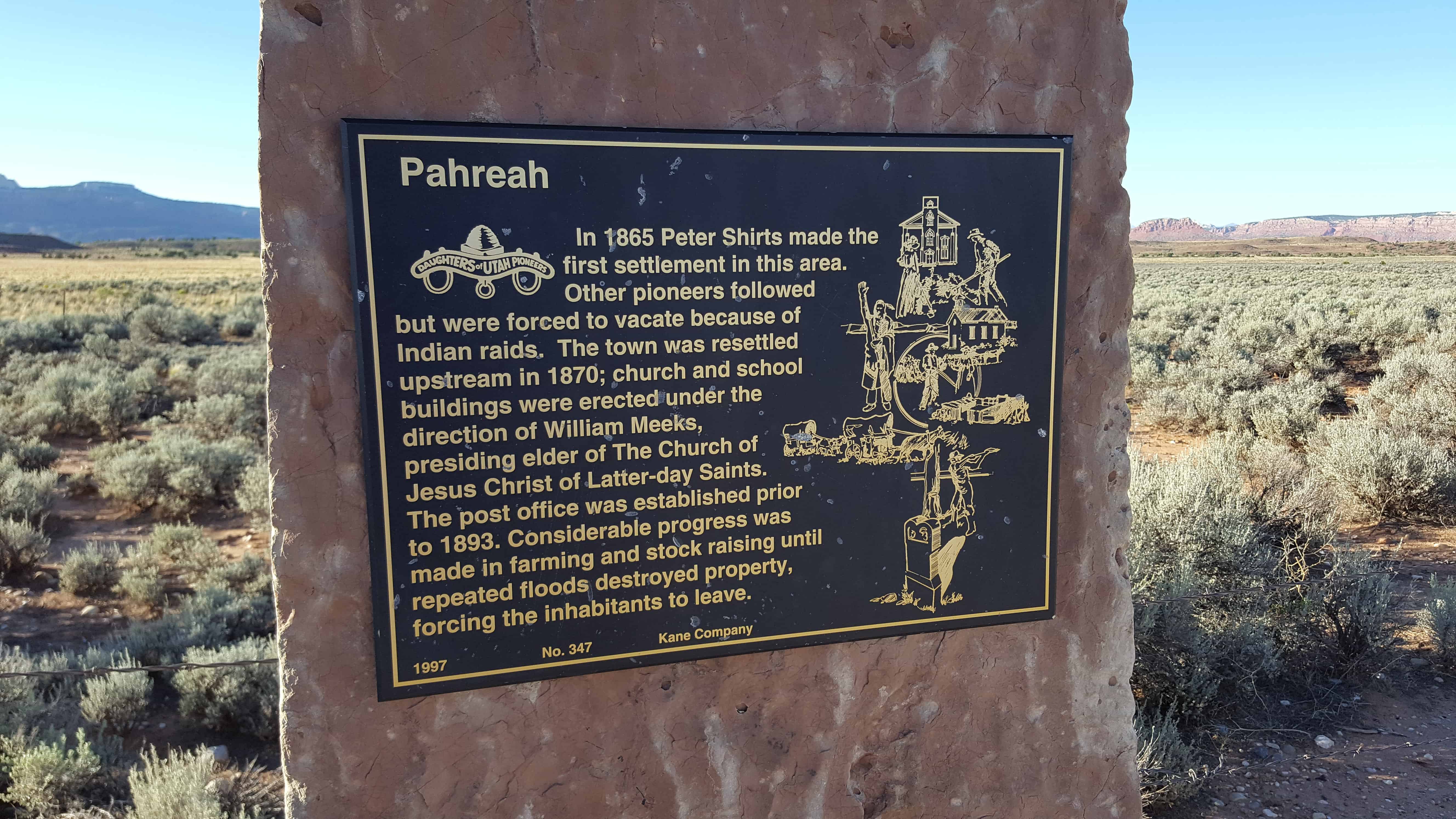
This Historical Marker is located on the north side of US Highway 89 about 33 miles east of Kanab or 23 miles west of Big Water.

In 1865 Peter Shirts made the first settlement in this area. Other pioneers followed but were forced to vacate because of Indian raids. The town was resettled upstream in 1870; church and school buildings were erected under the direction of William Meeks, presiding elder of The Church of Jesus Christ of Latter-day Saints. The post office was established prior to 1893. Considerable progress was made in farming and stock raising until repeated floods destroyed property, forcing the inhabitants to leave.

2016-09-06-18-26-15

2016-09-06-18-26-35
2016-09-06-18-26-43
2016-09-06-18-26-59
2016-09-06-18-27-21

Arizona’s Pioneer Women

02 Wednesday Nov 2016

Posted by Jacob Barlow in Uncategorized

≈ 1 Comment

Tags

Arizona, DUP, historic, Maricopa County, Phoenix

2016-09-05-16-17-12

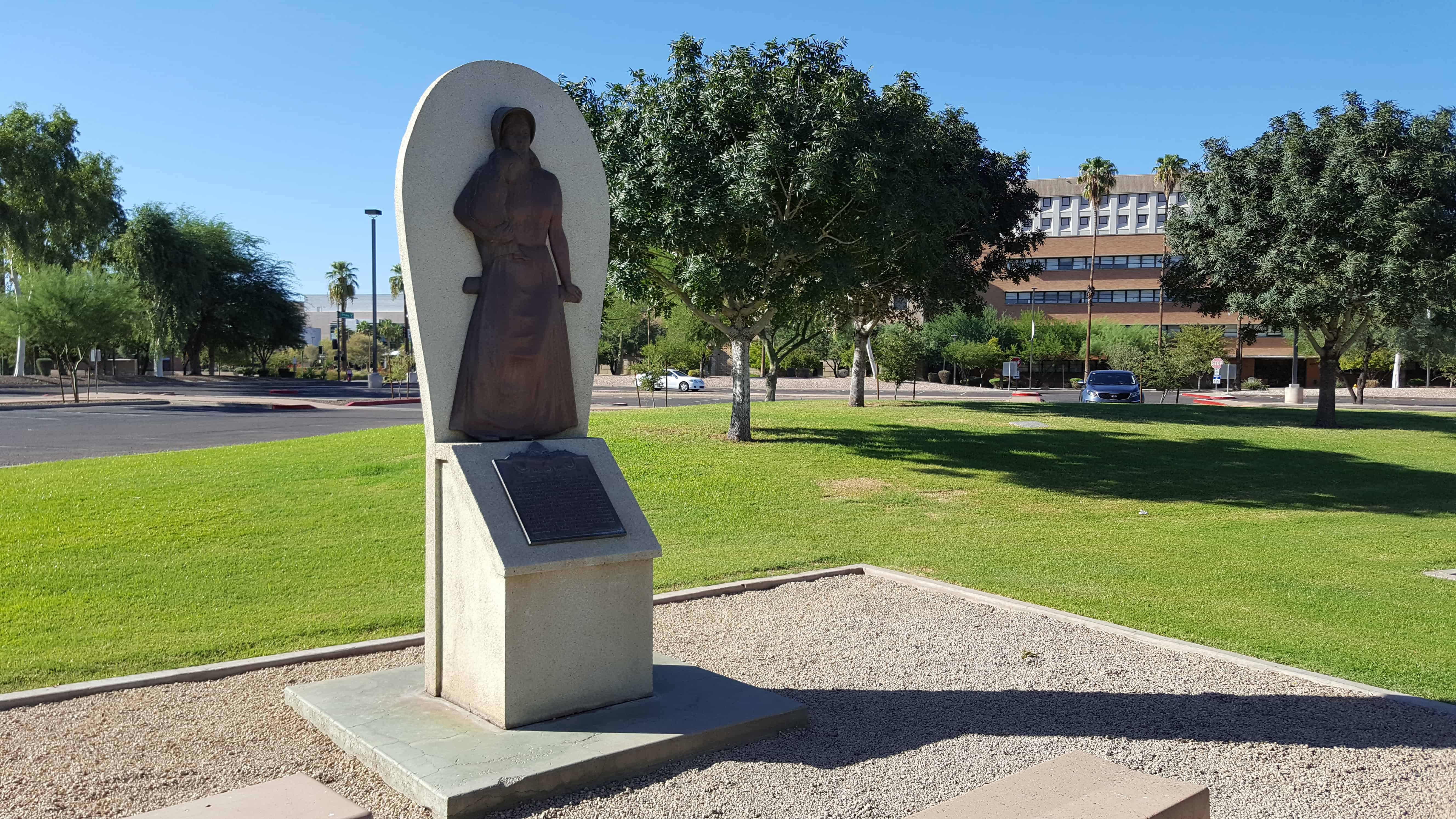
D.U.P. Marker #344 (See other D.U.P. Historic Markers here.) near the State Capitol building in Phoenix, Arizona. 

Before 1875 hundreds of heroic women came to Arizona from the East and South. From this group came Arizona’s first schoolteachers and the publisher of the first newspaper.

In 1876 a group of pioneer and their families came from the North, ferried their covered wagons across the Colorado River. With indomitable bravery and strength they helped make the desert blossom into a green oasis. Their descendants pioneered in many settlements throughout Arizona. They displayed great courage and self-denial which is the rich heritage of their posterity.

2016-09-05-16-17-52

2016-09-05-16-17-58
2016-09-05-16-18-04
2016-09-05-16-18-17
2016-09-05-16-18-19

The Electric Theatre

02 Wednesday Nov 2016

Posted by Jacob Barlow in Uncategorized

≈ 1 Comment

Tags

historic, St. George, Theaters, utah, Washington County

2013-04-06-19-54-13

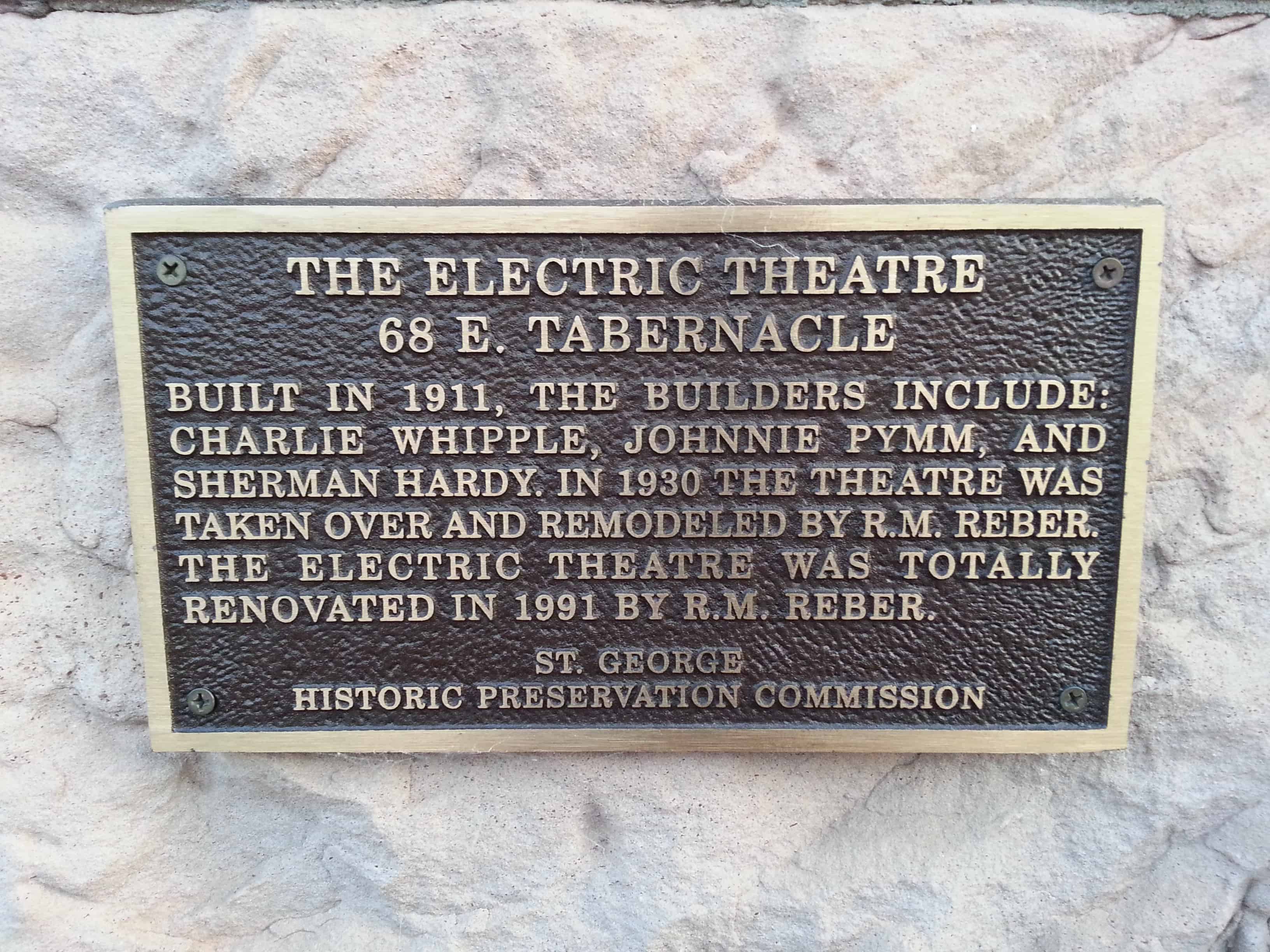
The Electric Theatre was built in 1911 by the St. George Amusement Company at a cost of $7,500. Builders include Charlie Whipple, Johnnie Pymm, and Sherman Hardy. The walls of the 220-seat theatre are adobe and are nearly three feet thick. It was the first air-conditioned building in St. George. The theatre opened on September 6, 1911.

R. M. Reber purchased the Electric Theatre in 1930 for $10,000. He remodeled it. A contest offered five dollars to the person who could come up with the best name for the theatre after which it was renamed the Gaiety Theatre.

The Electric Theatre was totally renovated in 1991 by R. M. Reber. The name Electric Theatre was restored.

The Electric Theatre stopped showing movies after 1999.

In April 2003, the Flowers family reopened the Electric for music, bands, and live entertainment. 143 seats are available to the public on the main floor of the auditorium. The balcony is reserved for bands and their guests and includes 50 seats, couches, tables, and a buffet table.

In February of 2013, the city purchased the Electric Theatre and three other parcels surrounding the theatre for $950,000 from Craig & Linda Flowers.

The property was renovated.

The new Electric Theatre Complex had a grand opening on August 28-29, 2015 with a dedication ceremony on the 28th.

2013-04-06-19-55-15

Memories at Mountain Dell

01 Tuesday Nov 2016

Posted by Jacob Barlow in Uncategorized

≈ 2 Comments

Tags

historic, Historic Markers, Pioneers, Salt Lake County, SUP, utah

c02146f6-479e-4118-b265-90b84f02f1cd_l

Memories at Mountain Dell


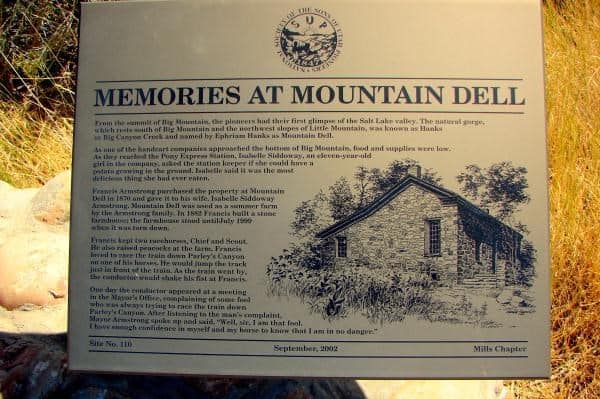
From the summit of Big Mountain, the pioneers had their first glimpse of the Salt Lake Valley. The natural gorge, which rests south of Big Mountain and the northwest slopes of Little Mountain was known as Hanks or Big Canyon Creek and named by Ephraim Hanks as Mountain Dell.
As one of the handcart companies approached the bottom of Big Mountain, food and supplies were low. As they approached the Pony Express Station, Isabelle Siddoway, an eleven-year-old girl in the company, asked the station keeper if she could have a potato growing in the ground. Isabelle said it was the most delicious thing she had ever eaten.

Francis Armstrong purchased the property at Mountain Dell in 1870 and gave it to his wife, Isabelle Siddoway Armstrong. Mountain Dell was use as a summer farm by the Armstrong family. In 1882 Francis built a stone farmhouse; the farmhouse stood until July 1999 when it was torn down.
Francis kept two racehorses, Chief and Scout. He also raised peacocks at the farm. Francis loved to race the train down Parley’s Canyon on one of his horses. He would jump the track just in front of the train. As the train went by, the conductor would shake his fist at Francis.

One day the conductor appeared at a meeting in the Mayor’s Office, complaining of some fool who was always trying to race the train down Parley’s Canyon. After listening to the man’s complaint, Mayor Armstrong spoke up and said, “Well, sir, I am that fool. I have enough confidence in myself and my horse to know that I am in no danger.”
Related:

  • Little Dell Station

See other historic markers in the series on this page for SUP Markers.
  • 5edbfa00-f0fd-4d74-9bf5-3655ed55af65_l

Chloride, Arizona

23 Sunday Oct 2016

Posted by Jacob Barlow in Uncategorized

≈ 1 Comment

Tags

Arizona, Chloride, historic, Mining, Mohave County

2016-09-05-11-31-39

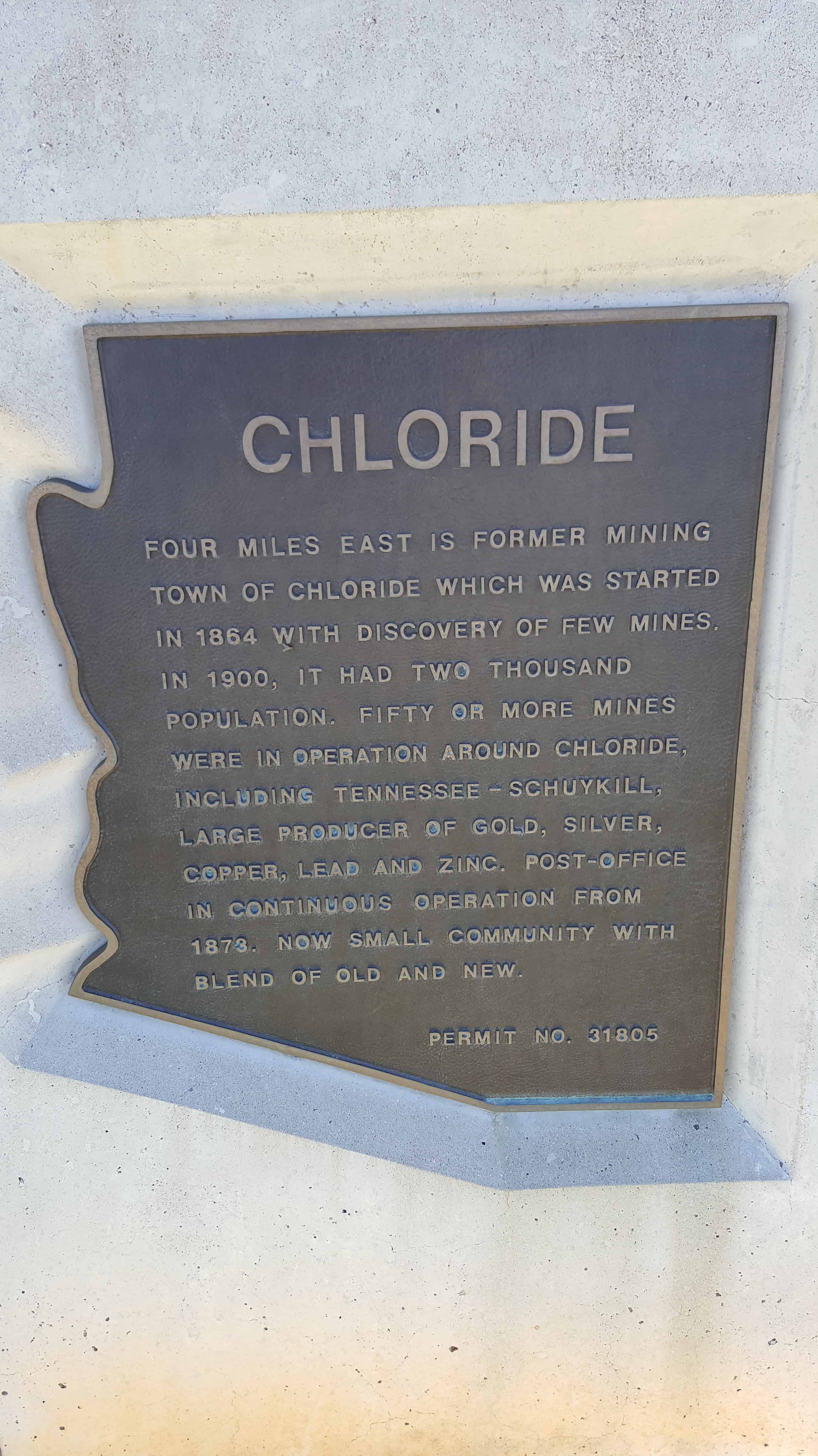
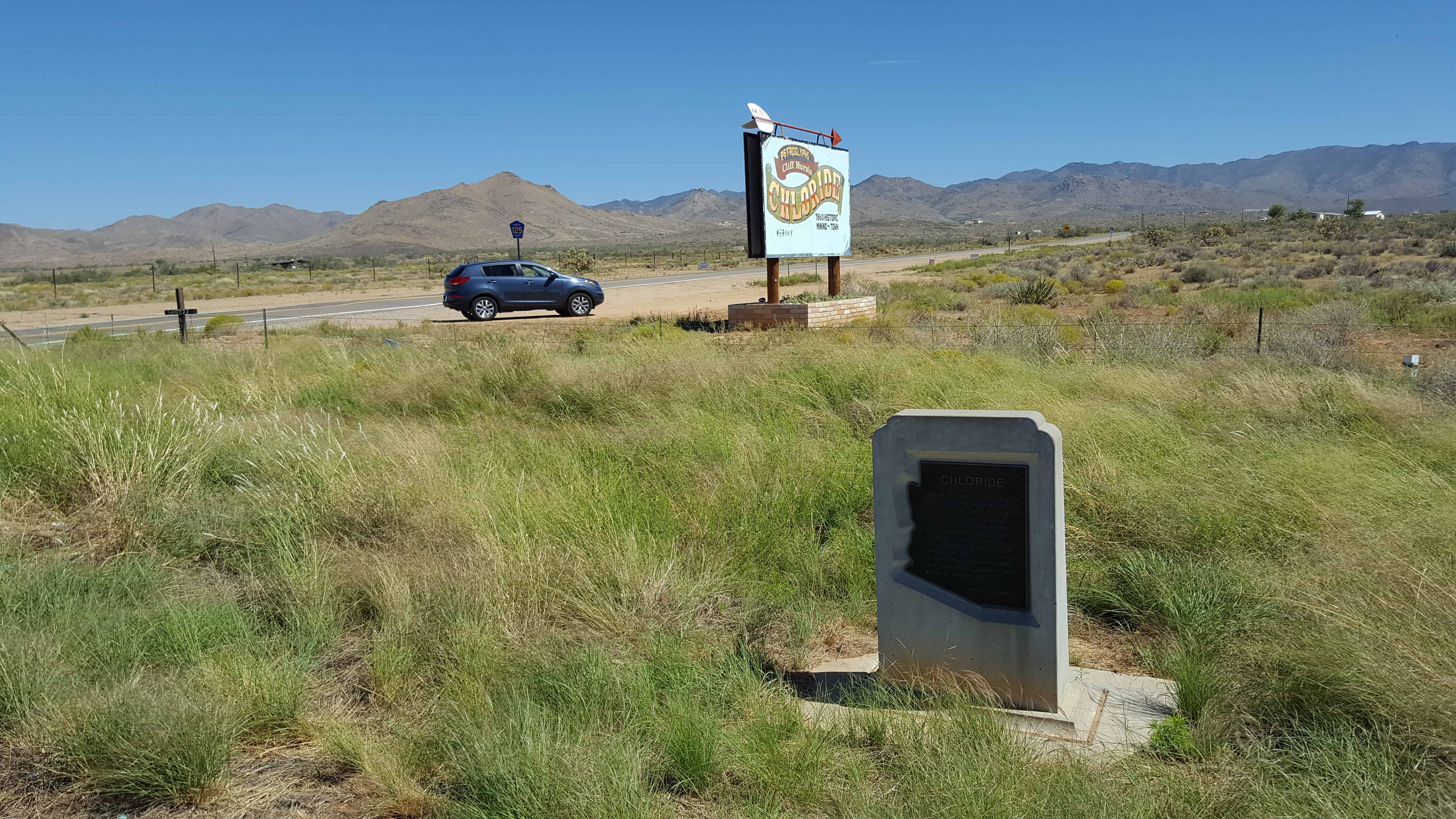
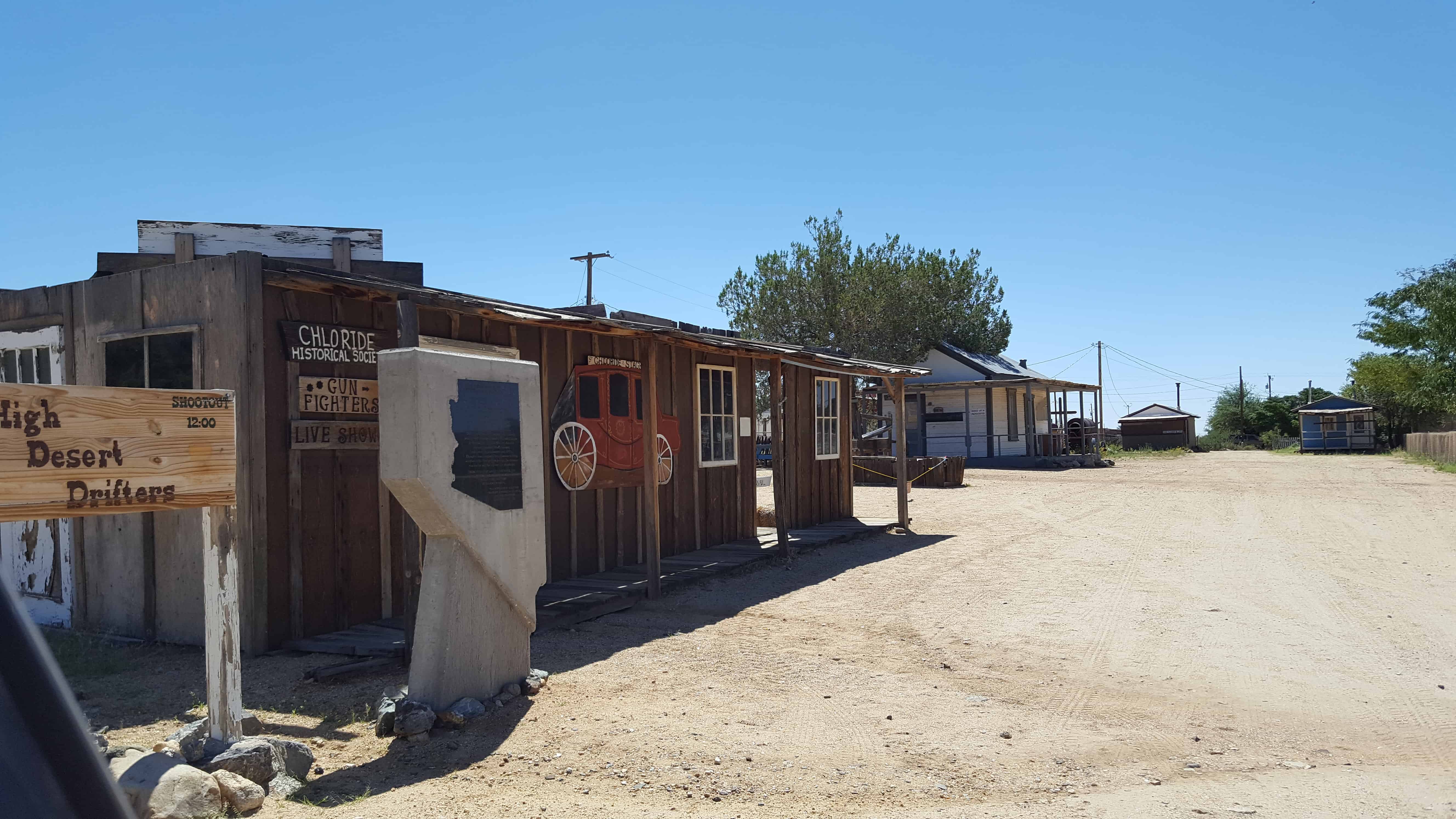
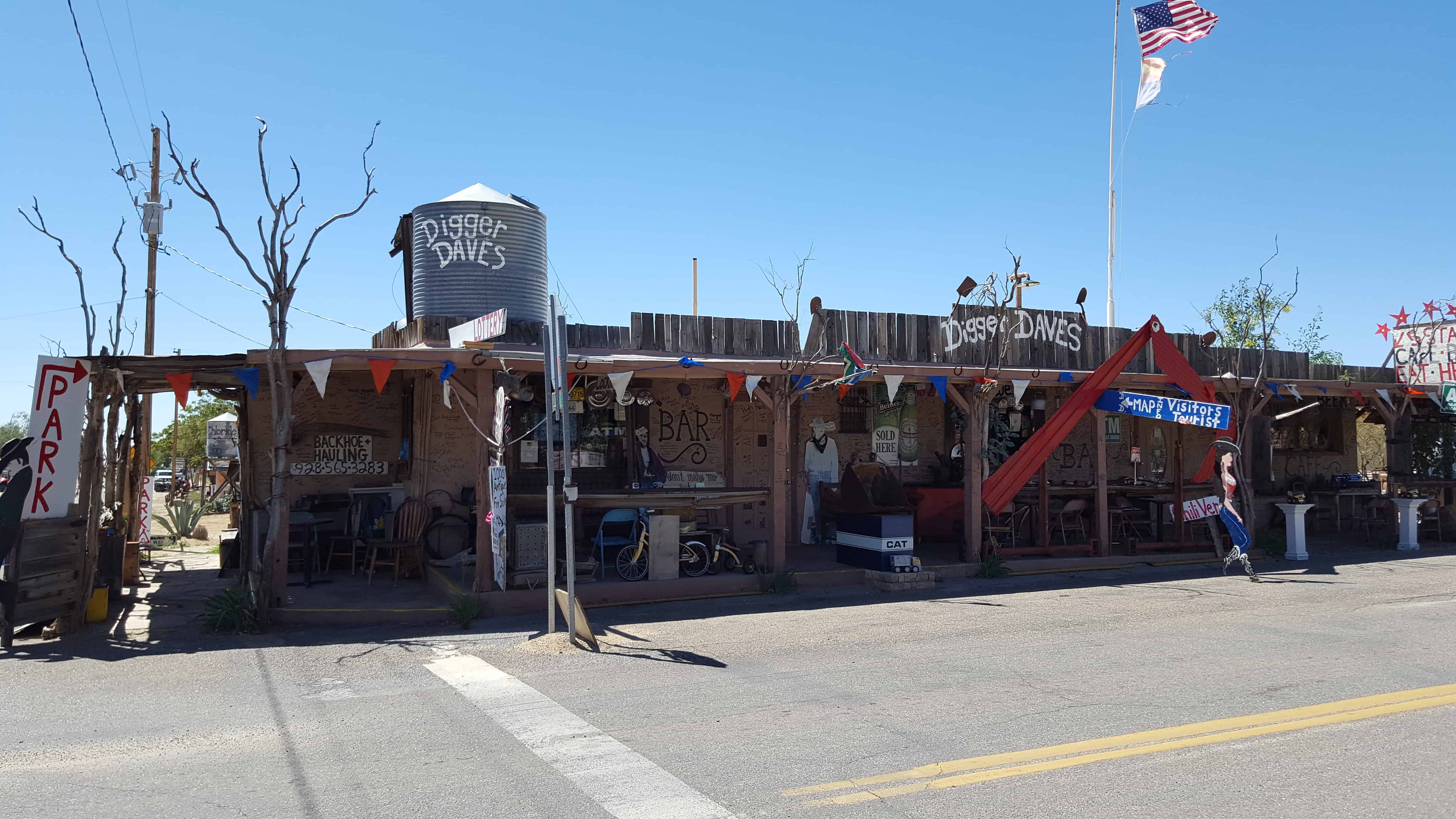
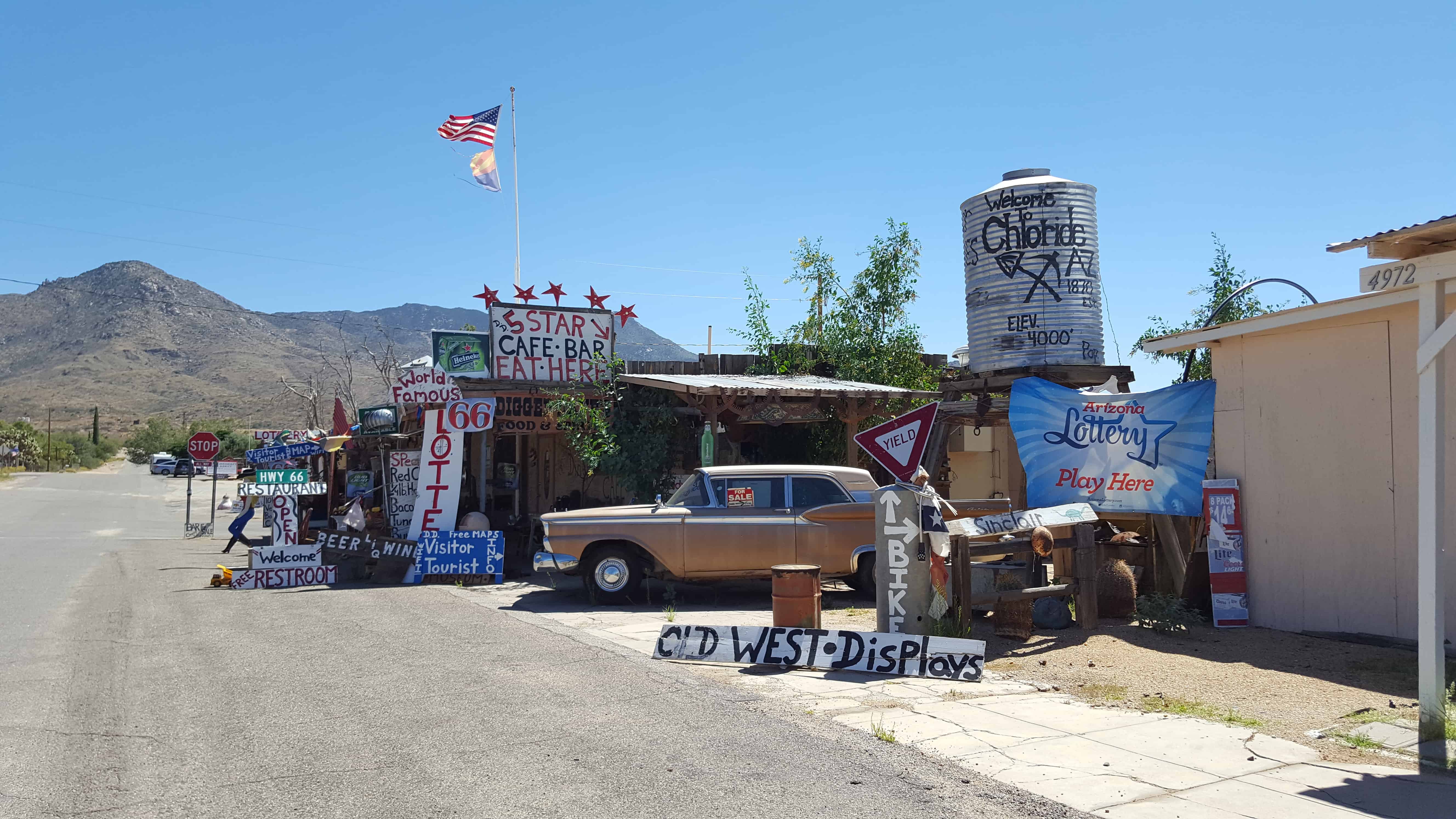
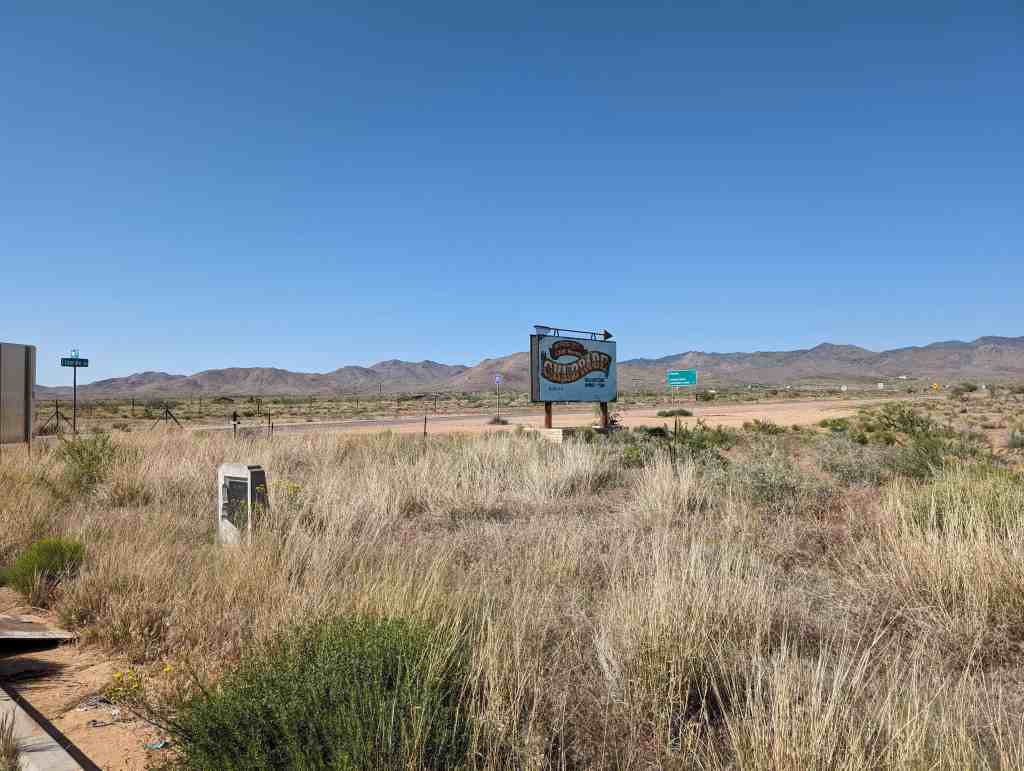
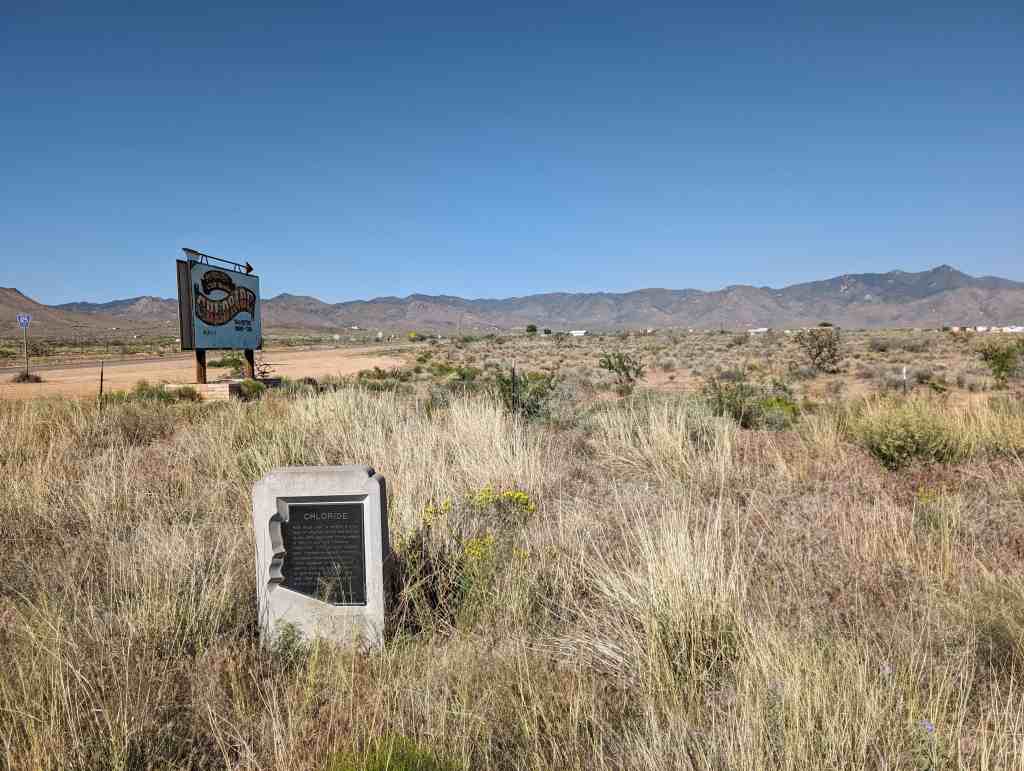
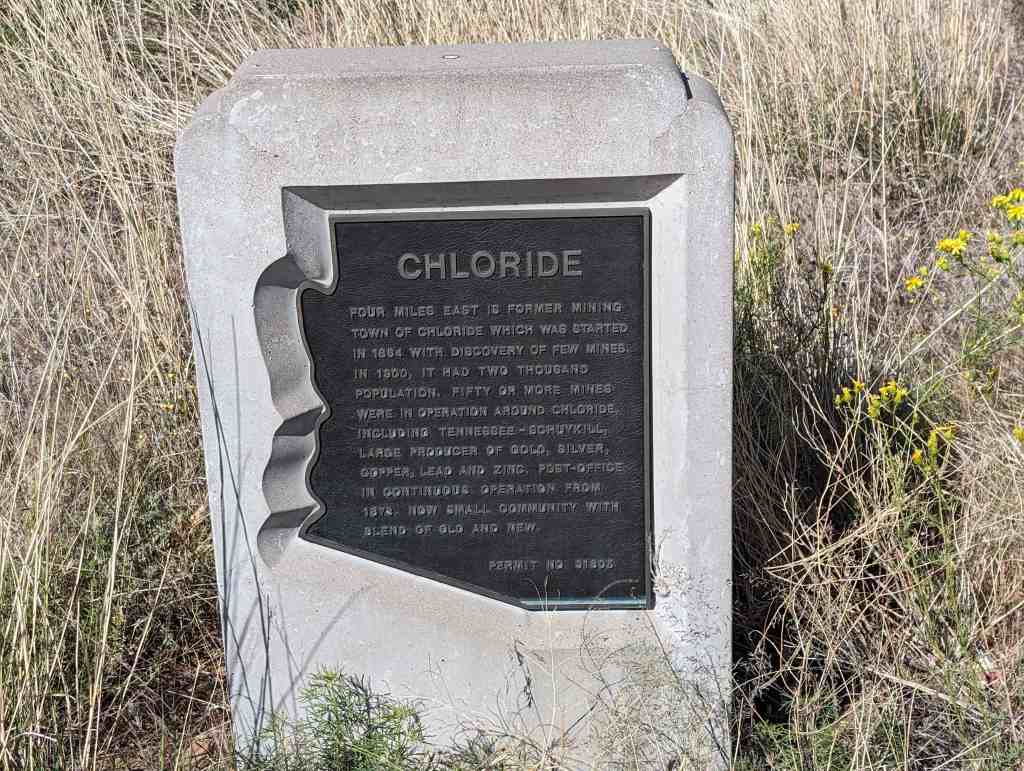
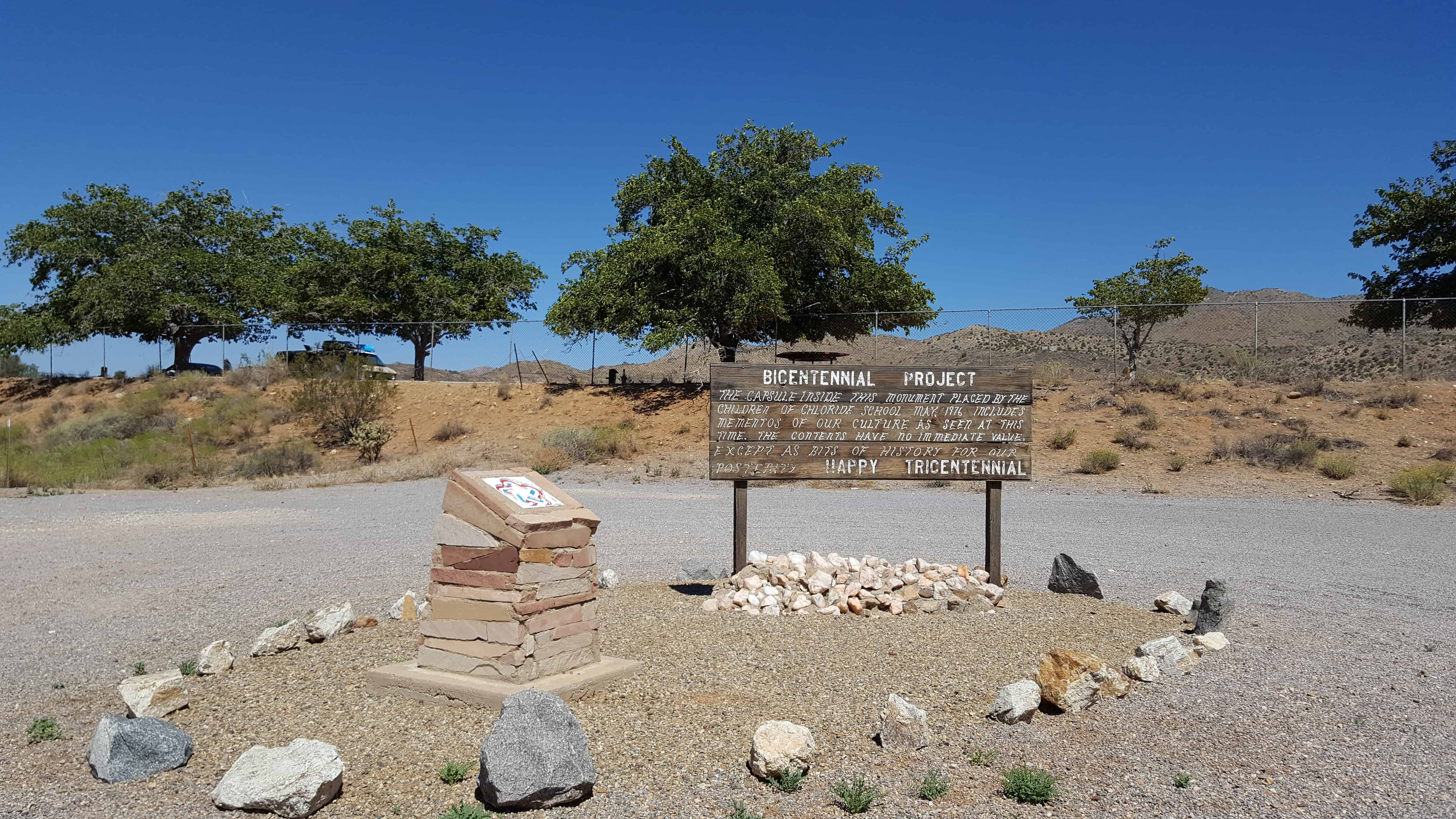
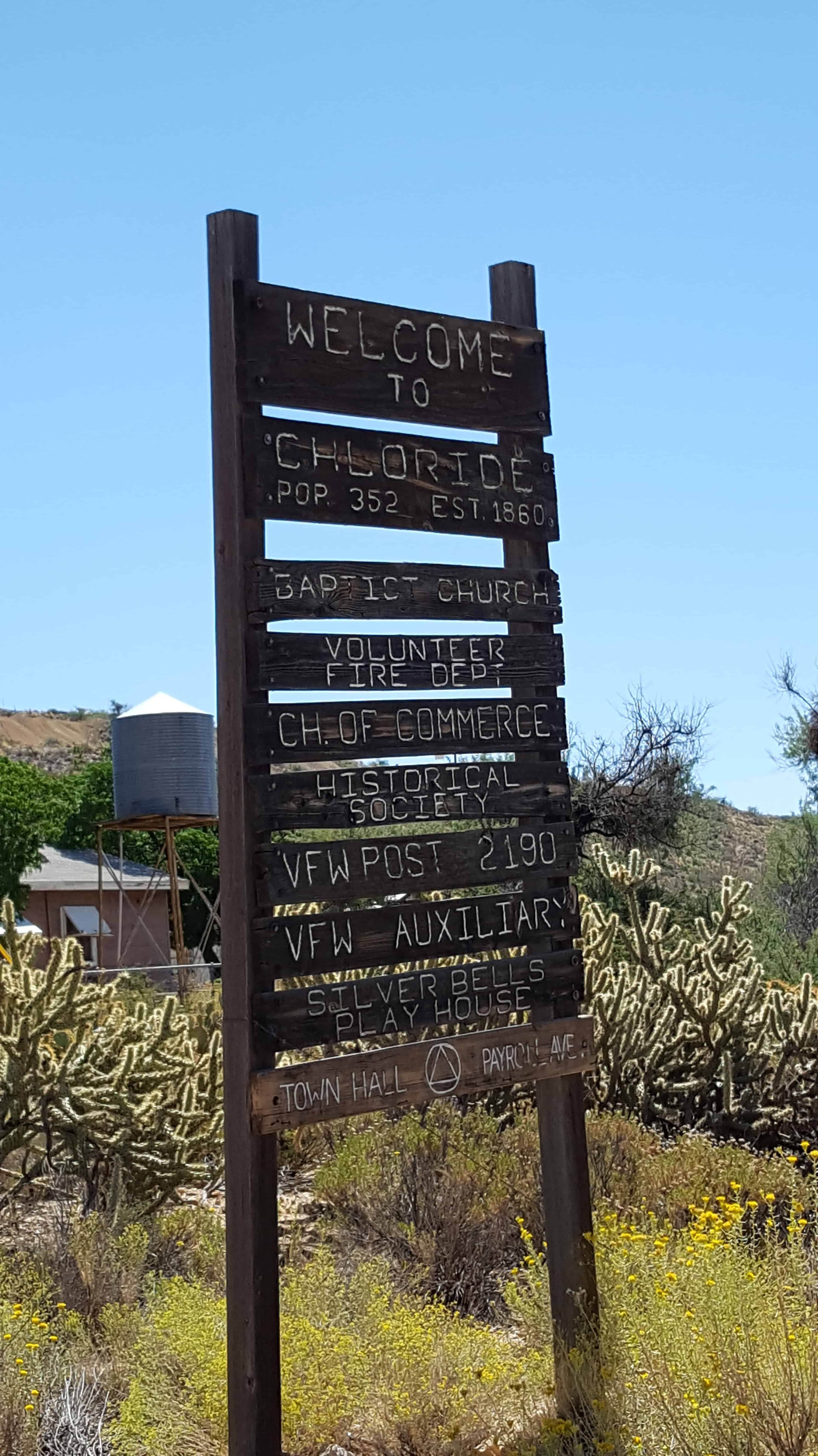
The former mining town of Chloride was started in 1864 with the discovery of few mines.  In 1900, it had two thousand population.  Fifty or more mines were in operation around Chloride, including Tennessee – Schuykill, large producer of gold, silver, copper, lead and zinc.  Post Office in continuous operation from 1873.  Now small community with blend of old and new.

Related:

  • Arizona Historic Markers
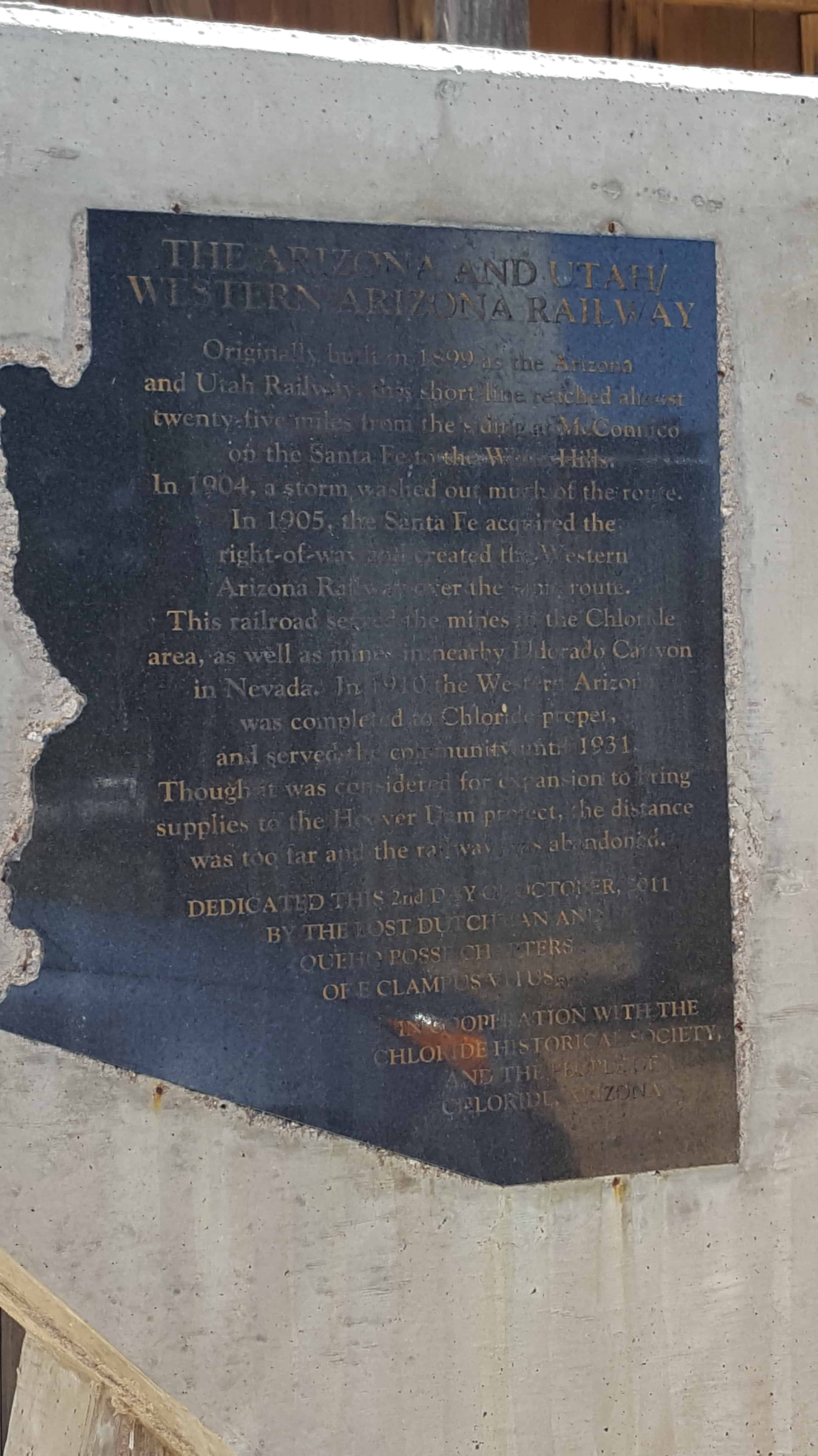
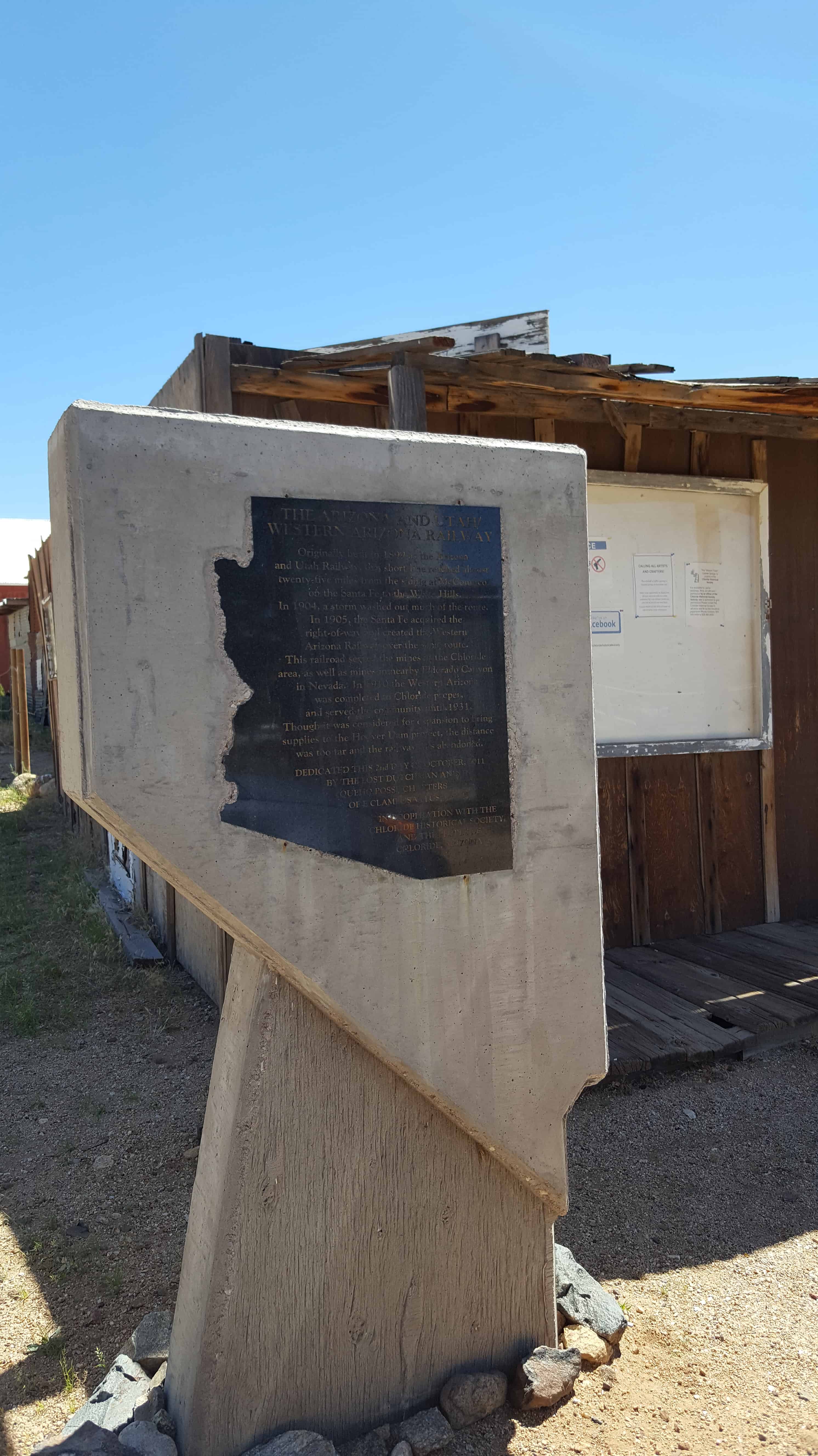
  • The Arizona and Utah/Western Arizona Railway

Riverfront Office Property

23 Sunday Oct 2016

Posted by Jacob Barlow in Uncategorized

≈ 1 Comment

Tags

Dams, historic, Provo, Provo Canyon, Provo River, utah, utah county

2013-04-21-14-49-56

One of the historic marker plaques in Provo Canyon.

Riverfront Office Property – Screening Structure.

A screening structure once stood across the river.  This building was manned 24 hours a day.  The main road up Provo Canyon passed this site and went under the flume.

In 1952, the wooden flume was replaced with a steel pipeline.  A flow-measuring structure and sand traps were connected to the building.  Today’s automated trash-rakes at the diversion remove debris, eliminating the need for this building and 24-hour occupancy.

2013-04-21-14-48-12
2013-04-21-14-48-14
2013-04-21-14-50-00
2013-04-21-14-50-32

Good, Better, Best!

23 Sunday Oct 2016

Posted by Jacob Barlow in Uncategorized

≈ 1 Comment

Tags

Dams, historic, Provo, Provo Canyon, Provo River, utah, utah county

2013-04-21-14-44-38

One of the historic marker plaques in Provo Canyon.

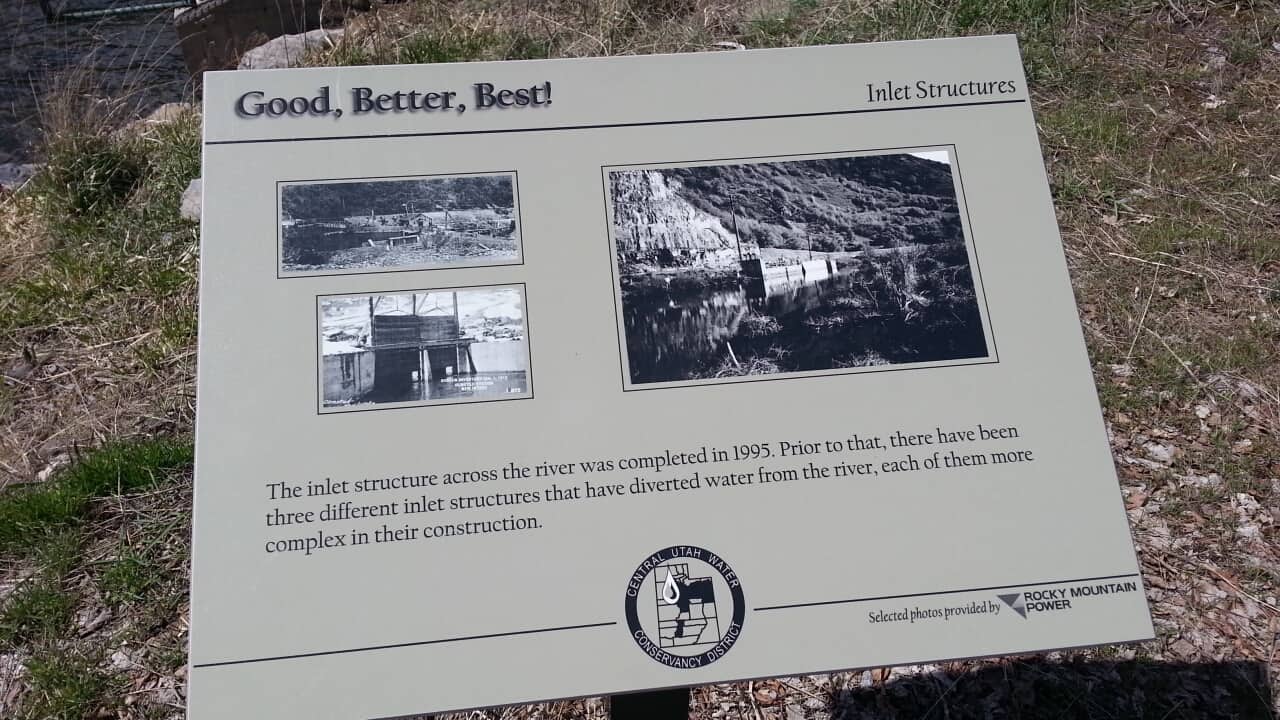
Good, Better, Best! – Inlet Structures

The inlet structure across the river was completed in 1995.  Prior to that, there have been three different inlet structures that have diverted water from the river, each of them more complex in their construction.

2013-04-21-14-44-46
2013-04-21-14-44-48
2013-04-21-14-44-51
2013-04-21-14-44-57
2013-04-21-14-45-43
2013-04-21-14-45-45

← Older posts
Newer posts →

Follow Jacob

Follow Jacob

Blog Stats

  • 2,033,381 hits

Social and Other Links

BarlowLinks.com

Recent Posts

  • Dixie Sorghum (Molasses) Mill
  • This is the Place State Park
  • Eyes Westward
  • Wellsville Relief Society Meetinghouse
  • Angels Are Near Us

Archives


Loading Comments...