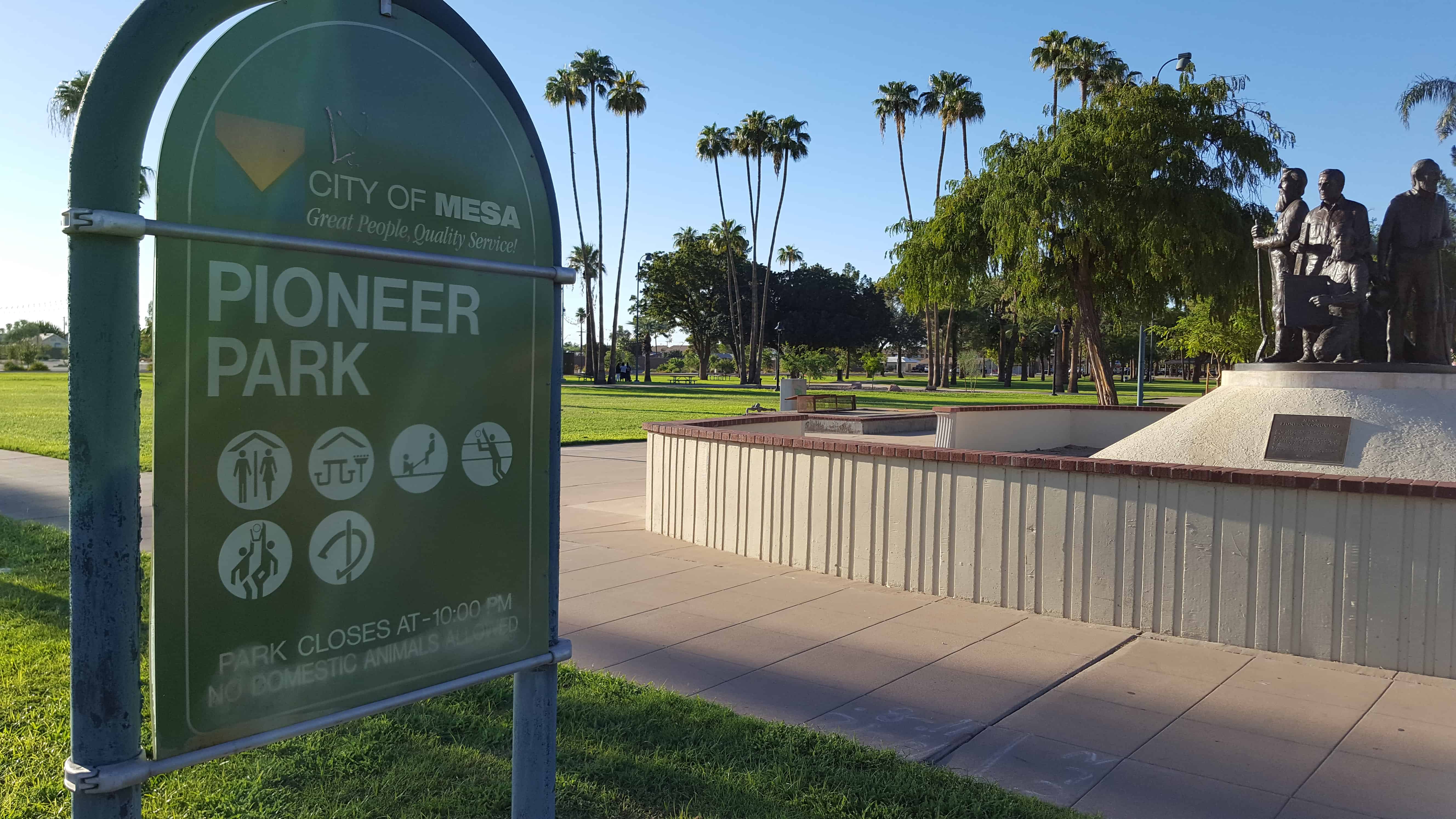
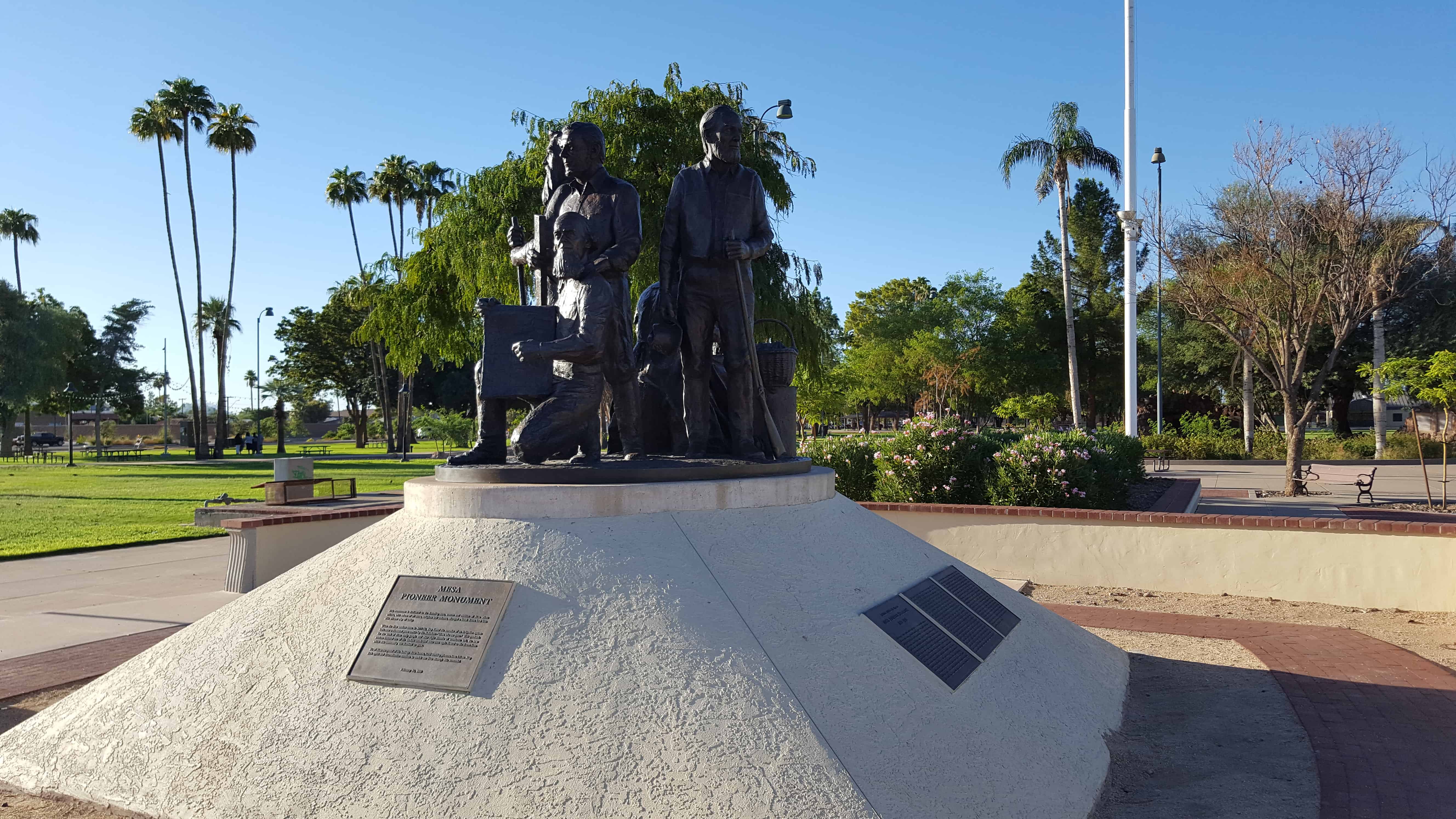
Tags
Arizona, historic, LDS, LDS Church, Maricopa County, Mesa, Parks

19 Saturday Nov 2016
Posted in Uncategorized
Tags
Arizona, historic, LDS, LDS Church, Maricopa County, Mesa, Parks
19 Saturday Nov 2016
Posted in Uncategorized
Tags
Centerville, Davis County, historic, Historic Buildings, Historic Churches, Historic Homes, utah

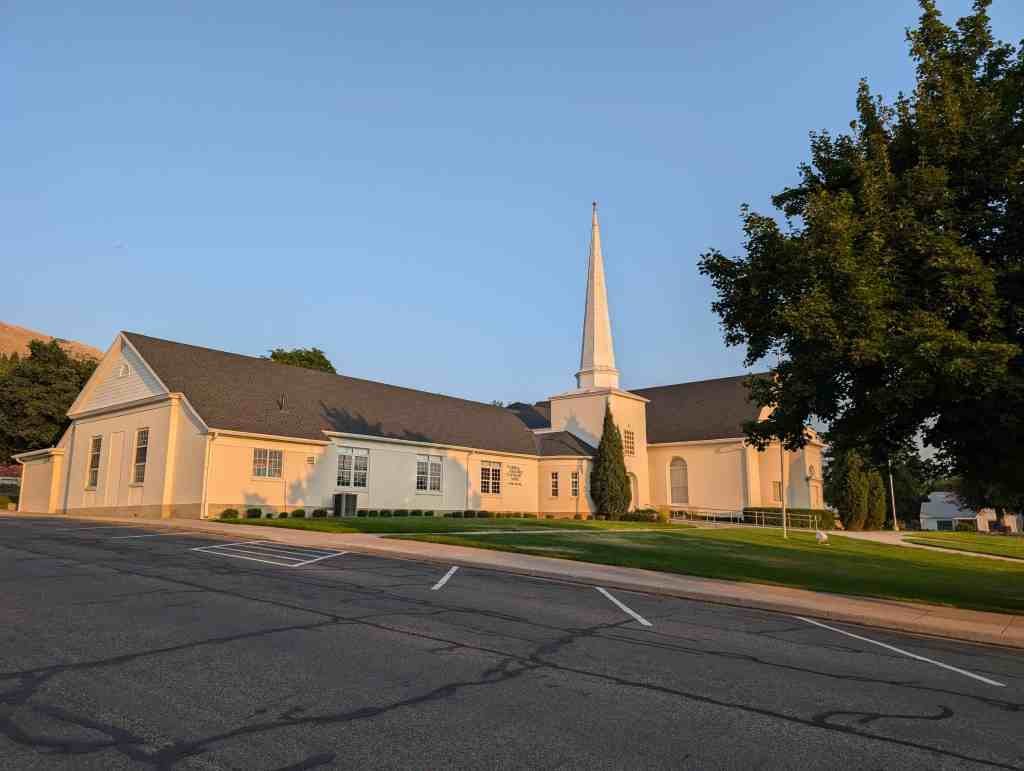
This old church, built in 1879 is a one of the beautiful sites in Centerville.
Also located here:
160 South 300 East in Centerville, Utah


19 Saturday Nov 2016
Posted in Uncategorized

Henry Rampton (1829-1903)
The Rampton family has occupied First North, between Main Street and First West for at least 3 generations, ever since Henry Rampton came to Sessions Settlement (Bountiful) in 1856. Henry Rampton was born in England on September 8, 1829. As a young man he worked with his father at his trade as a blacksmith. On March 9, 1850 he married Catherine Harfield, and three years later, on February 6, 1853, they were both baptized into the Mormon faith. A year later, on Sunday, March 12, 1854, Henry and Catherine set said for America, arriving in New Orleans in May 2,1854. Henry immediately found work as a blacksmith to earn money to buy a team and a wagon for the journey to Utah. In August Catherine took ill and passed away. Her death was a great loss to Henry in this new and strange country. Later he found some solace in the companionship of other Saints who had sailed from England with him, in particular Frances Dinwoodey; Frances and Henry were married on Christmas Day, 1854. Their first son, Henry James, was born on November 4, 1855. Together they crossed the plains, arriving in the Salt Lake Valley on October 15, 1856. The little family made their home in Sessions Settlement, where Henry began his blacksmith business and soon became one of the best known blacksmiths in the Valley. Henry and Frances’ son Henry James married Luna Smith of Centerville. Their son Lewellyn is the father of Calvin L. Rampton.

Calvin L. Rampton
Calvin L. Rampton was born on November 6, 1913 in the duplex home located on the west side of Main Street about where the front door to the Wight House is now located. Later, in about 1920 the family built a new home that once occupied the area just west of where this plaque is located.
Calvin grew up in this house, and he attended Stoker School and rgaduated from Davis High School in 1932. Calvin pursued a career in law and later entered politics becoming Utah’s 11th Governor, completing a total of 12 years as Utah’s top executive. Two houses west of this location was the home of Charles R. Mabey (1877-1959), who became Utah’s 5th Governer. Charles was married to After Amanda rampton, a granddaughter of Henry Rampton.
And so this street, 100 North between Maon and 100 West is hearby historically named “Governors Lane,” on this day, June 24, 2006, being the only street in Utah from which have come two of Utah’s Governors.


13 Sunday Nov 2016
Posted in Uncategorized
Tags

Some of the historic homes I’ve documented that are located in Orem, Utah. Historic buildings are on this page.
13 Sunday Nov 2016
Posted in Uncategorized

One of Salt Lake City’s Parks, for others see the list here.
Brigham Young Historic Park is a popular spot to sit and enjoy the day in downtown Salt Lake City, across the street to the east from Temple Square, there are many plaques, statues and a City Creek flows through the park.


13 Sunday Nov 2016
Posted in Uncategorized

Dedicated to the memory of Clarence Amos Jones & Madaline Empey Jones
Donated by their children Boyd Grant Jones and Sulvia Jones Chamberlain, Wayne Hyrum Jones to the Washington County Historical Society.
This one room home, with a partition, was moved from 306 West 300 North to this location in 1996. It was funded and restored by the generous donation from the George S. and Delores Dore Eccles Foundation.


13 Sunday Nov 2016
Posted in Uncategorized
Tags
historic, Provo, SUP, utah, utah county

Location: Sowiette Park (North Park) approximately 600 N. on 500 W., Provo, Utah
Provo was settled by Mormon Pioneers March 12, 1849. East of this monument a second fort was built in April, 1850. It was here that the settlers were threatened with massacre by Chief Walker and his band of Indians, but were saved by Chief Sowiett’s stern warning, “When you attack you will find me and my braves defending!”
See other historic markers in the series on this page for SUP Markers.


12 Saturday Nov 2016
Posted in Uncategorized

Historic Bountiful Main Street is a beautiful place with classic shops and historic buildings.


12 Saturday Nov 2016
Posted in Uncategorized

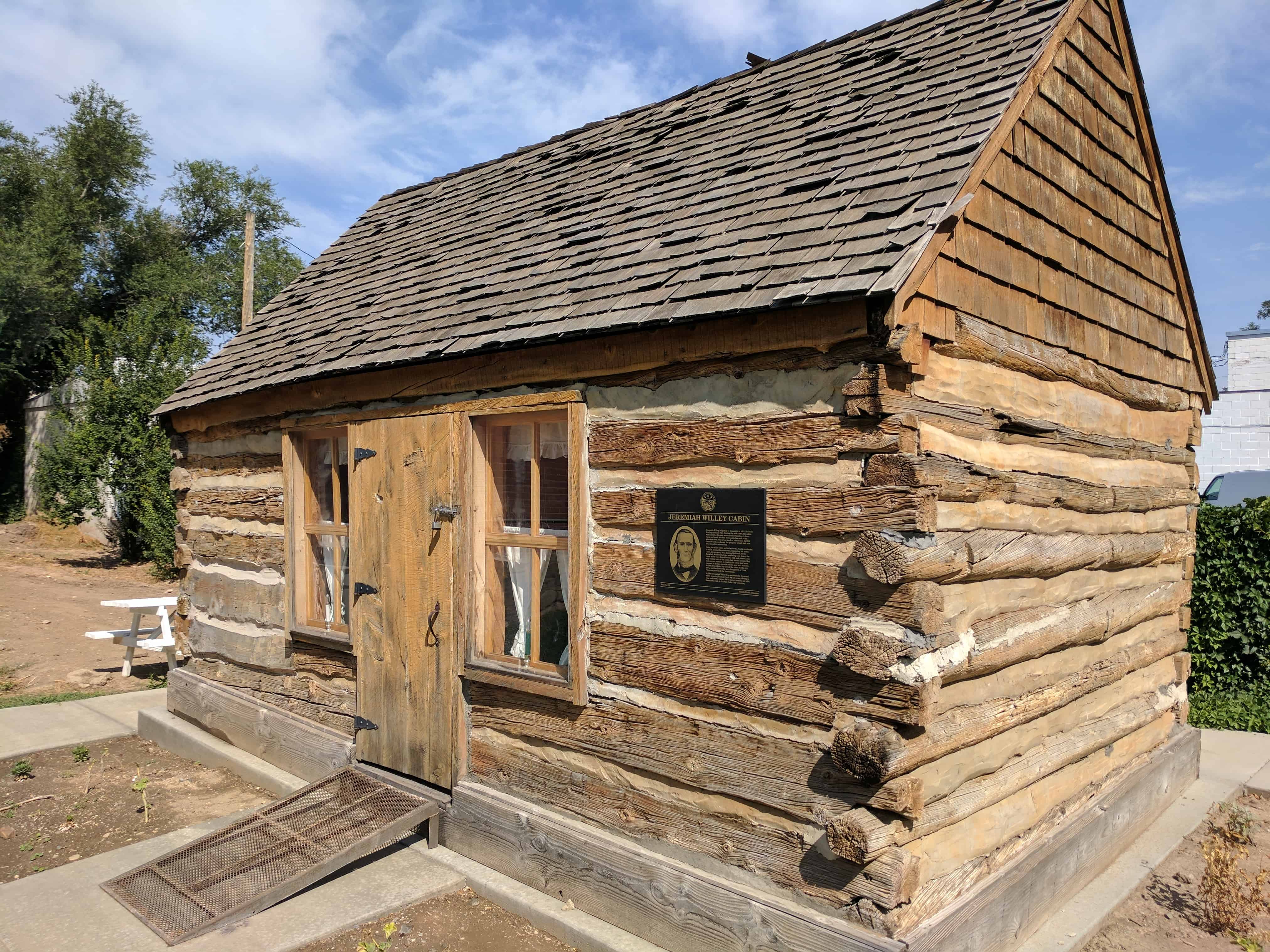
Jeremiah Willey migrated to Bountiful in 1851. He built this log cabin in 1854. During the mid-1930’s the cabin was home for his and several other families. A front room and small kitchen were added as well as an attached shed which was used as a bedroom. In 1939 Grant Neath purchased the property which had now been wired for electricity.
Using the main cabin as the bedroom, Neath continued to build around the structure, expanding his home. Later, the property was donated to South Davis Hospital. As the structure was being torn down, the cabin walls were found behind lath and plaster. The only visible part of the cabin had been a painted log and mortar portion. In reality, the cabin had been encased in a time-capsule for the past half century. In 1992 Bountiful City moved the cabin to the city park, and the Bountiful area Daughters of Utah Pioneers provided the furnishings.
In 1868 Jeremiah Willey was accidentally drowned while crossing Barton Creek by his home, closing a long and useful career. He is buried next to his wife, Samantha Call, in the Salt Lake City Cemetery.


See other historic markers in the series on this page for SUP Markers.
UPDATE
I noticed the cabin was moved from the above location (Next to the City building at 900 S 100 E) to a new location next to the Historical Museum (300 N Main).



12 Saturday Nov 2016
Posted in Uncategorized
Tags
historic, Olmsted, Orem, Power Plant, Power Plants, Provo, Provo Canyon, utah, utah county

Let There Be Light
The Olmsted Power Plant, a historic structure, was constructed in 1904 by a predecessor to Rocky Mountain Power and is still in use today. The plant generates power from water diverted from the Provo River. During the last 100 years, water has reached the plant by both wooden flume and steel pipeline.