• About JacobBarlow.com
  • Cemeteries in Utah
  • D.U.P. Markers
  • Doors
  • Exploring Utah Email List
  • Geocaching
  • Historic Marker Map
  • Links
  • Movie/TV Show Filming Locations
  • Oldest in Utah
  • Other Travels
  • Photos Then and Now
  • S.U.P. Markers
  • U.P.T.L.A. Markers
  • Utah Cities and Places.
  • Utah Homes for Sale
  • Utah Treasure Hunt

JacobBarlow.com

~ Exploring with Jacob Barlow

JacobBarlow.com

Tag Archives: utah

Utah Borders

14 Saturday Jun 2014

Posted by Jacob Barlow in Uncategorized

≈ Leave a comment

Tags

Borders, Corners, utah

I love maps and exploring, I love finding the state line way out in the desert, or the corner of the state, etc.   I thought I’d throw together a batch of my photos of the edges and corners of the great state of Utah

1af6aea1-0db4-4318-9f8e-d6a55f22d0db
Highway 89 at Bear Lake (Utah/Idaho) ( N 42° 00.024 W 111° 24.532)

Echo, Utah

14 Saturday Jun 2014

Posted by Jacob Barlow in Uncategorized

≈ 1 Comment

Tags

Coalville, Echo, summit county, utah

picture16aug07-024

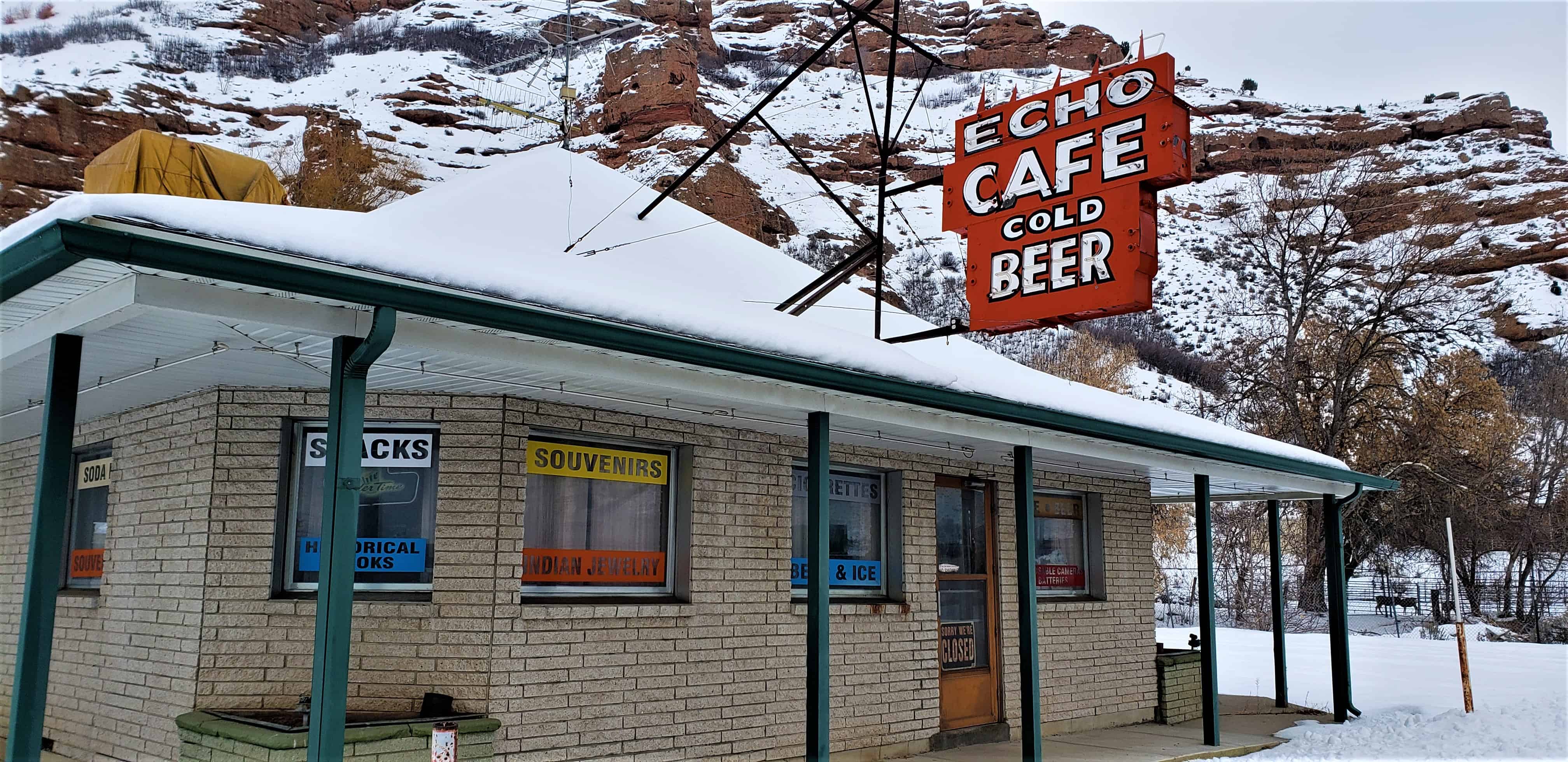
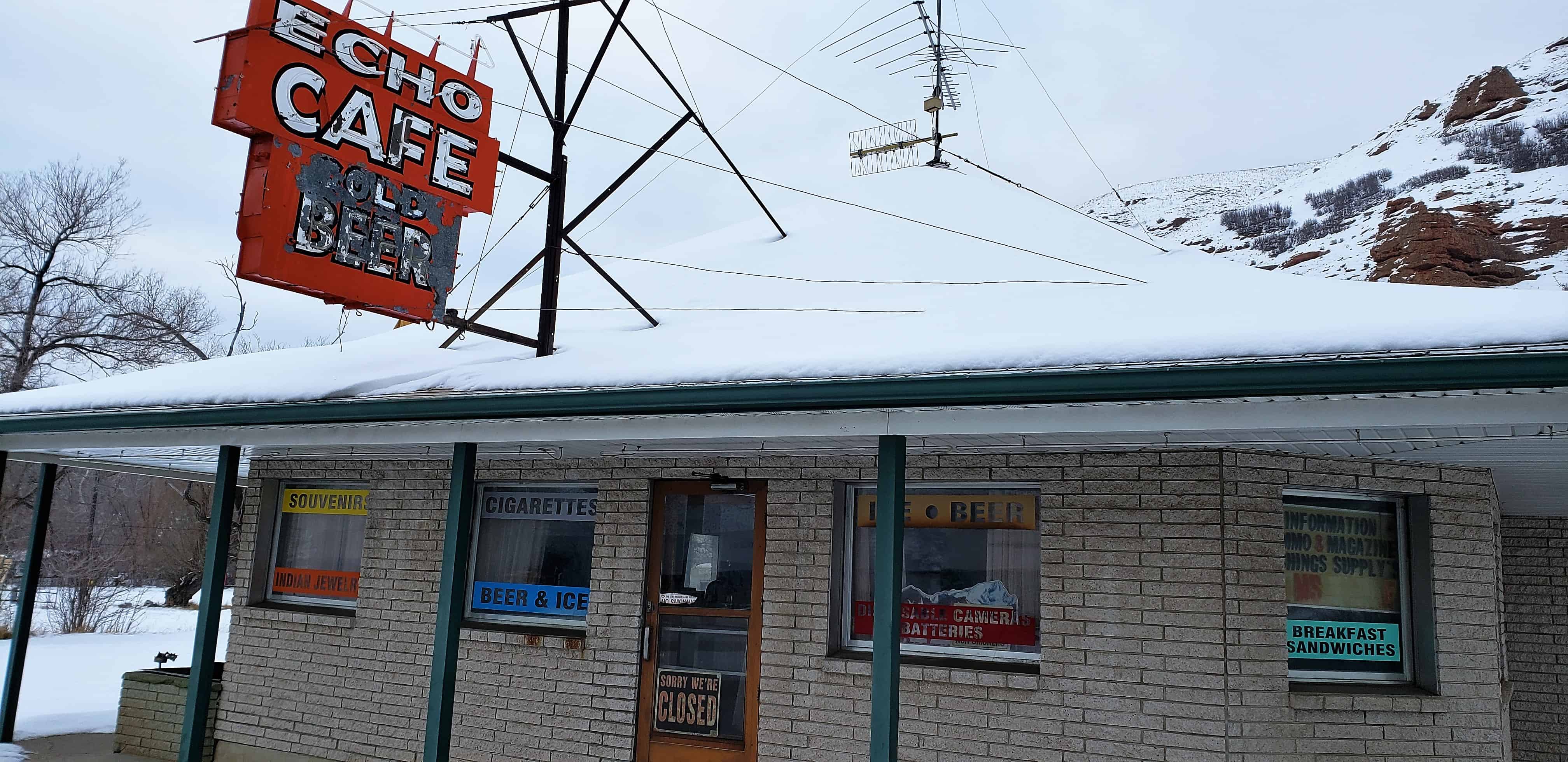
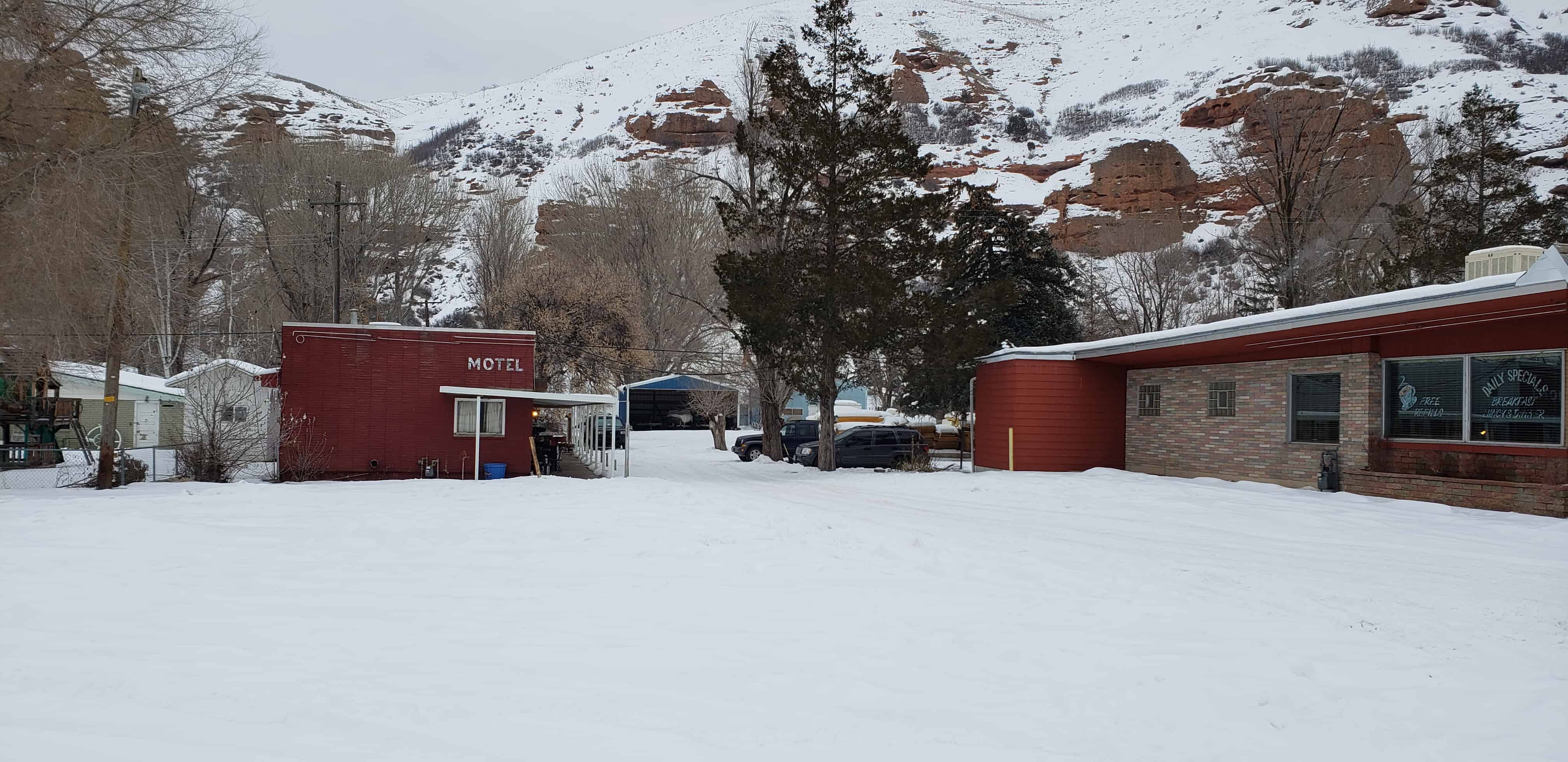
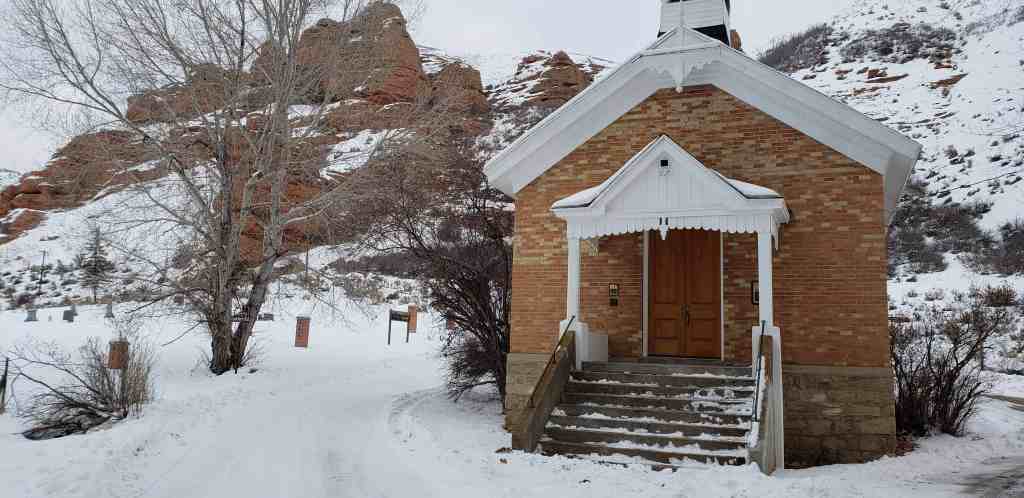
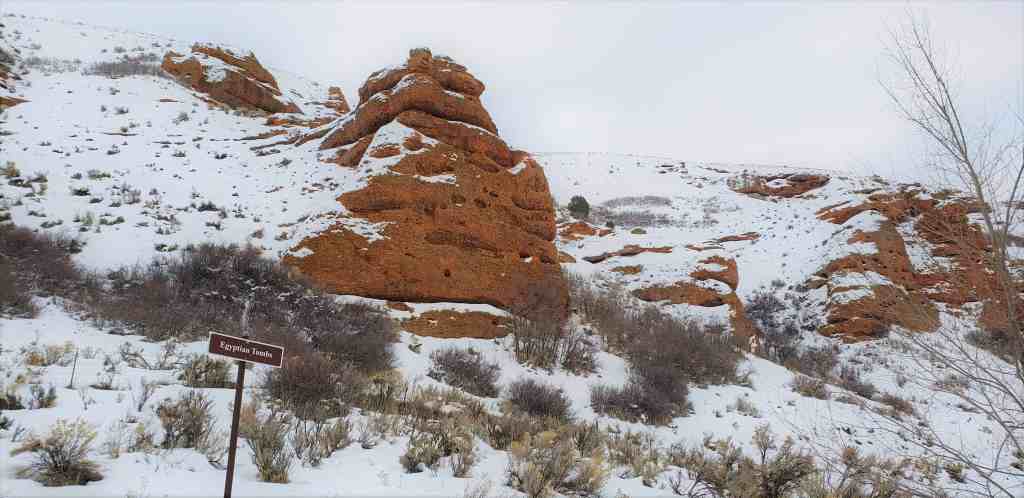
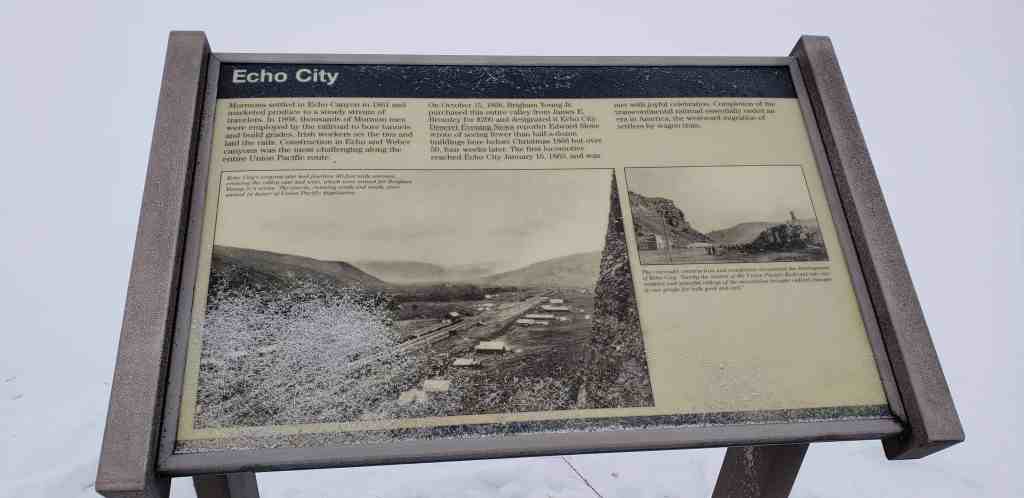
Mormons settled in Echo Canyon in 1861 and marketed produce to a steady stream of travelers. In 1868, thousands of Mormon men were employed by the railroad to bore tunnels and build grades. Irish workers set the ties and laid the rails. Construction in Echo and Weber canyons was the most challenging along the entire Union Pacific route. On October 15, 1868, Brigham Young Jr. purchased this entire valley from James E. Bromley for $200 and designated it Echo City. Deseret Evening News reporter Edward Slone wrote of seeing fewer than half-a-dozen buildings here before Christmas 1868 but over 50, four weeks later. The first locomotive reached Echo City January 16, 1869, and was met with joyful celebration. Completion of the transcontinental railroad essentially ended an era in America, the westward migration of settlers by wagon train.

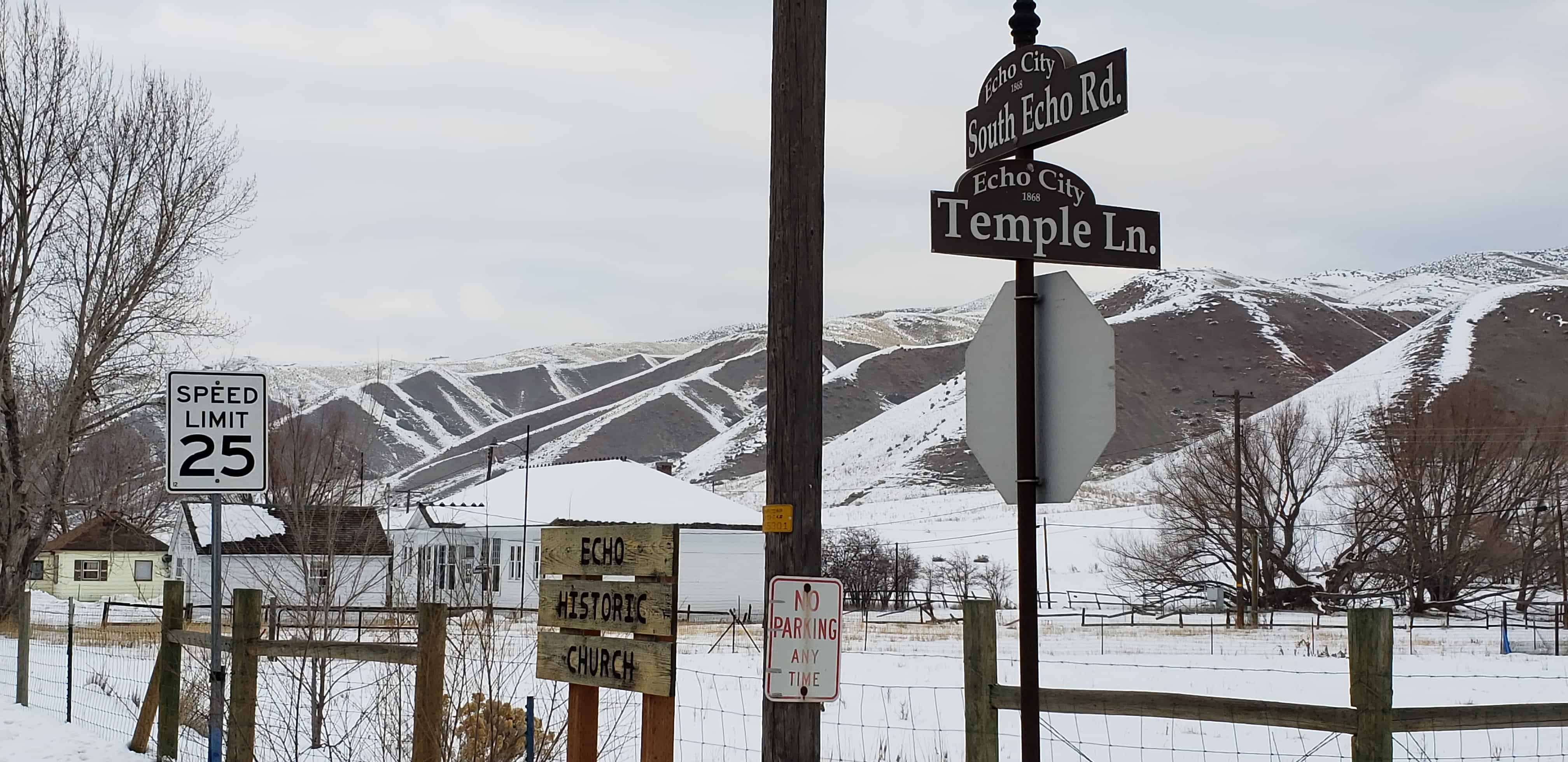
Echo City’s original plat had fourteen 80-foot-wide avenues, crossing the valley cast and west, which were named for Brigham Young Jr.’s wives. The streets, running north and south, were named in honor of Union Pacific dignitaries.

The railroad’s construction and completion stimulated the development of Echo City. “Surely the advent of the Union Pacific Railroad into our isolated and peaceful valleys of the mountains brought radical changes to our people for both good and evil.”

Related Posts:

  • Bromley’s Cathedral
  • Echo Café
  • Echo Canyon
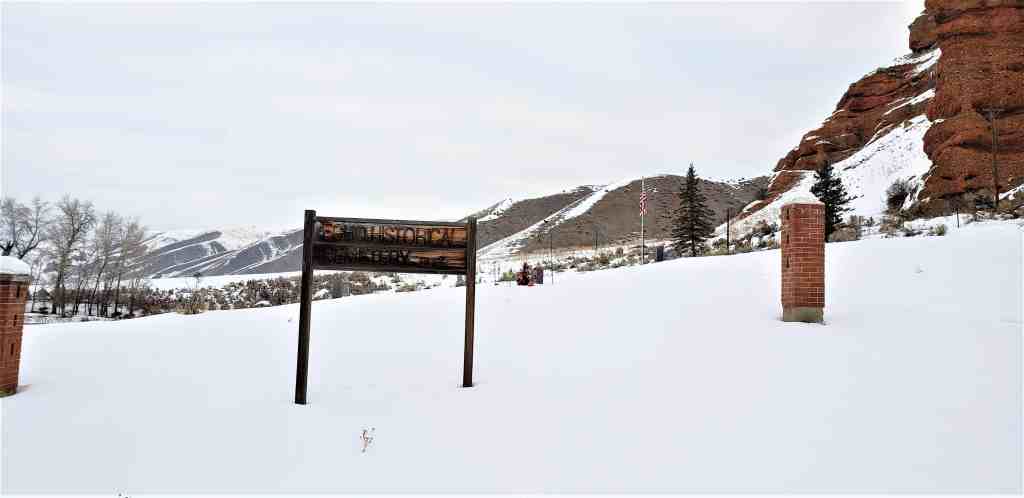
  • Echo Cemetery
  • Echo Church and School
  • Egyptian Tombs
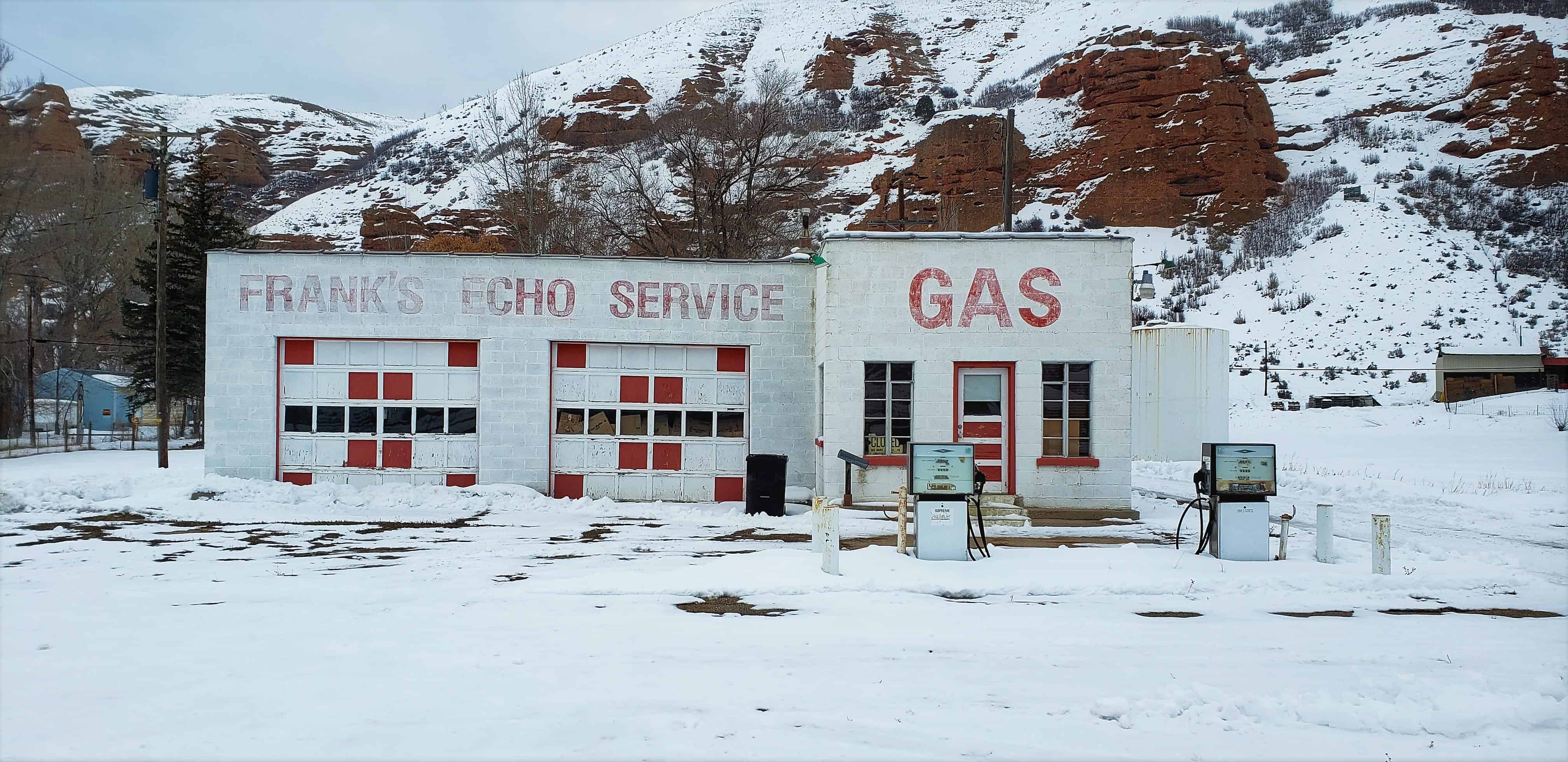
  • Frank’s Echo Service
  • Kozy Café
  • Pony Express Station – Weber
  • Post Office
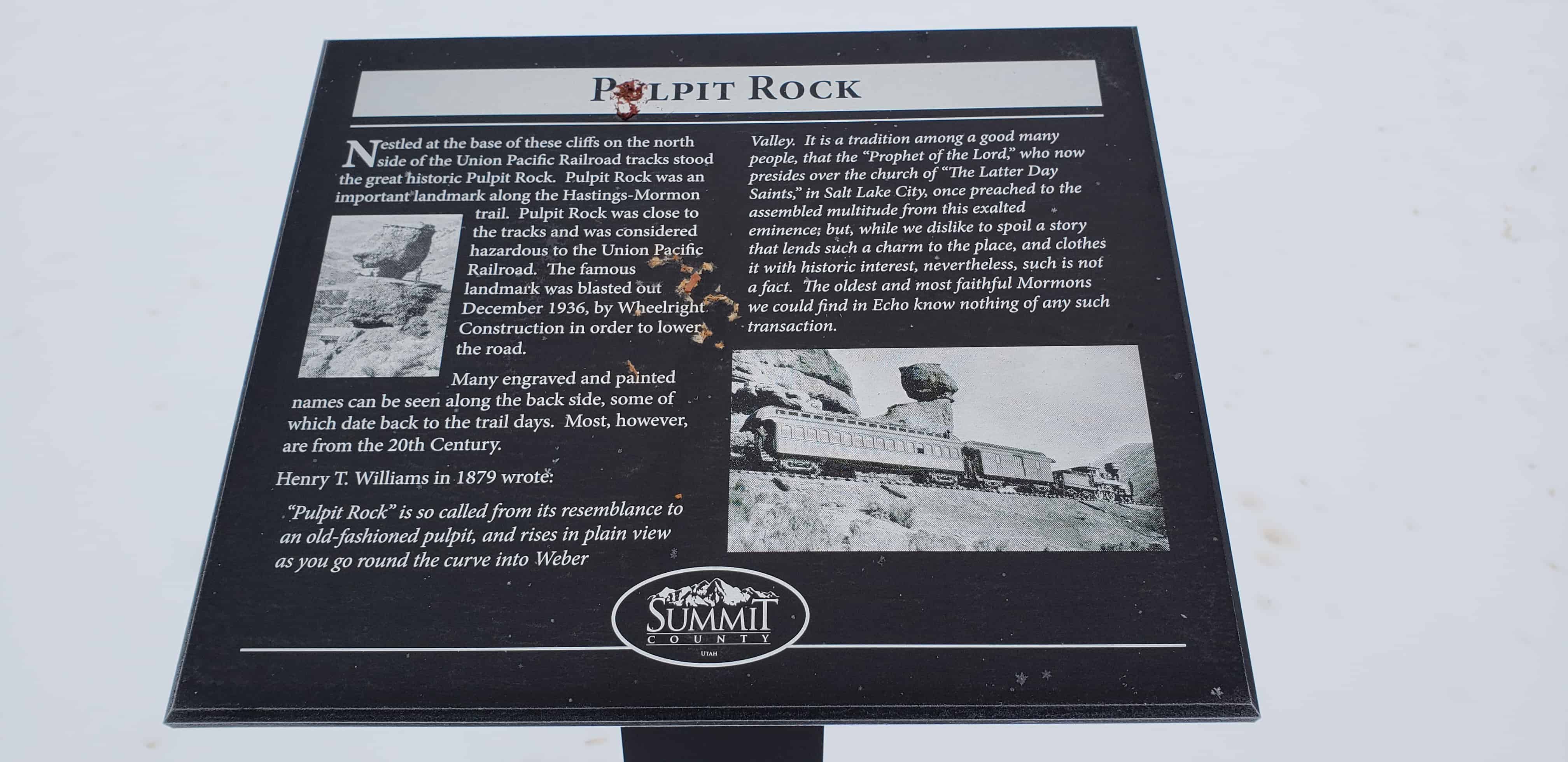
  • Pulpit Rock / Witches Cave
  • Temple Rock Amphitheater
  • Historic Markers
    • Control of Influence
    • Echo City
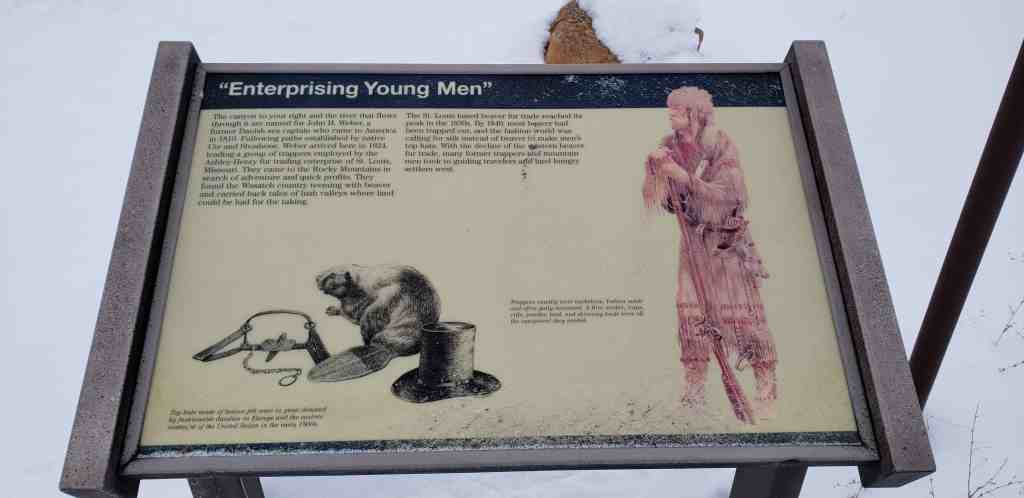
    • “Enterprising Young Men”
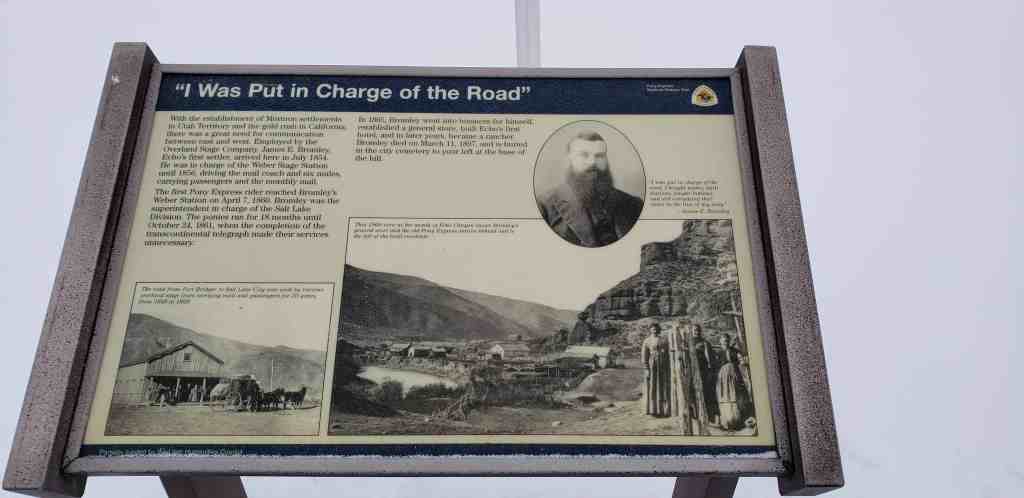
    • “I Was Put in Charge of the Road“
    • Iron Rails and Silver Dreams
    • Temple Camp and Supplication Hills
    • The Battle of the Signs
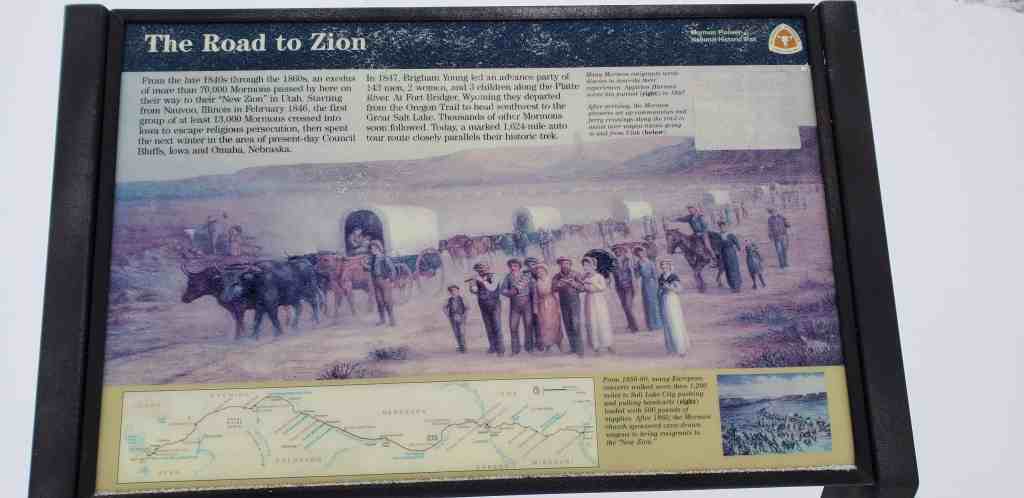
    • The Road to Zion
2019-01-11 08.32.15
2019-01-11 08.32.40
2019-01-11 08.32.54
2019-01-11 08.33.31
2019-01-11 08.33.44
2019-01-11 08.34.03
2019-01-11 08.34.17
2019-01-11 08.34.24
2019-01-11 08.34.31
2019-01-11 08.34.37
2019-01-11 08.36.55
2019-01-11 08.38.41
2019-01-11 08.38.43
2019-01-11 08.38.47
Kozy Café
2019-01-11 08.40.19
2019-01-11 08.41.18
Echo Church and School
2019-01-11 08.43.56
Egyptian Tombs
2019-01-11 08.43.59
Egyptian Tombs
2019-01-11 08.44.13
Echo Cemetery
2019-01-11 08.50.28
Post Office
2019-01-11 08.51.31
“I Was Put in Charge of the Road“
2019-01-11 08.51.35
“I Was Put in Charge of the Road“
2019-01-11 08.51.39
The Road to Zion
2019-01-11 08.51.42
“Enterprising Young Men”
2019-01-11 08.51.46
Echo City
2019-01-11 08.51.49
2019-01-11 08.51.55
20190111_083832-PANO
Kozy Café

Smithville, Utah

13 Friday Jun 2014

Posted by Jacob Barlow in Uncategorized

≈ 1 Comment

Tags

Gandy, Millard County, Smithville, utah

Smithville is basically the old Gandy, nothing much left of it now.

Image

Gandy, Utah

13 Friday Jun 2014

Posted by Jacob Barlow in Uncategorized

≈ 1 Comment

Tags

Gandy, Millard County, Smithville, utah

picture24jul07-202

picture24jul07-203
picture24jul07-208

Gandy is a really small town out by the Nevada border, popular for caves and hot springs.

The original homesteaders were Triffly, Alex and Alfred Doutre and Almond Rhoades. It was Rhoades who planted an orchard and brought the first threshing machine into the valley. He also planted the poplars imported from Italy which make up the beautiful lane leading to the current Bates’ home. Water for the area comes out of nearby Gandy Mountain from a spring-fed cavern.

Gandy was originally known as Smithville. However, to avoid confusion with other Smithvilles, it was later changed to Gandy, named after the oldest resident, Isaac Gandy, 1835-1904. Other early settlers included the families of George Bishop who moved here from Deseret, Utah, Tom and Joe Carter from Nephi and Harry Perison from Chicago. A couple of sheep owners by the names of W. C. Berry and A. G. Earl settled near the salt marsh. At the time they were the only ones in the valley to own a buggy. Today there remain seven families in Gandy. Mail delivery is twice per week.(*)

ARP09 063.jpg

Hatch Rock, near Gandy, Utah

ARP09 064.jpg

Laho, Utah

13 Friday Jun 2014

Posted by Jacob Barlow in Uncategorized

≈ Leave a comment

Tags

Beaver County, Laho, Milford, Minersville, Thermo, Upton, utah

Laho is a used-to-be-town (railroad siding, tecnically) that shows up on my maps and GPS so I had to include it.  Like I said it’s a RRsiding on the Union Pacific Railroad between sidings Thermo and Upton.

Image

Verdure, Utah

13 Friday Jun 2014

Posted by Jacob Barlow in Uncategorized

≈ 2 Comments

Tags

Monticello, San Juan County, utah, Verdure

picture24jul07-078

The historic marker alongside the highway reads:

The oldest Mormon settlement in the Blue Mountain Region was first known as South Montezuma. Later the name was changed to Verdure after the lush green growth along the stream bed. Verdure was settled by men of the Blue Mountain Mission March 11, 1887, under the direction of Pres. Francis A. Hammond of the San Juan Stake. He called George A. Adams, Frederick I. Jones, Parley R. Butt and Charles E. Walton to establish a new settlement at North Montezuma, later named Monticello. They first set up camp at Verdure to prepare for a permanent settlement at Monticello, six miles to the north.

When company members moved on to Monticello in 1888 the Adams and Butt families remained at Verdure. By 1894 they were joined by the Alvin Decker, Willard Butt, Lingo Christensen, R.P. Hott and Francis Nielson families. Nielson operated a store and a school out of his log home, the first church met in the Decker home, and in 1893 a post office was installed in the Adams home.

Verdure was a peaceful frontier village where cattle, farming and cheese-making were the main occupations. Gradually the settlers moved to Monticello.

2017-03-12 16.46.24-1

2017-03-12 16.47.25

Ralphael’s Church School Museum

12 Thursday Jun 2014

Posted by Jacob Barlow in Uncategorized

≈ 1 Comment

Tags

Art, museums, Salt Lake City, Salt Lake County, Unique, utah

2018-08-24 20.03.38

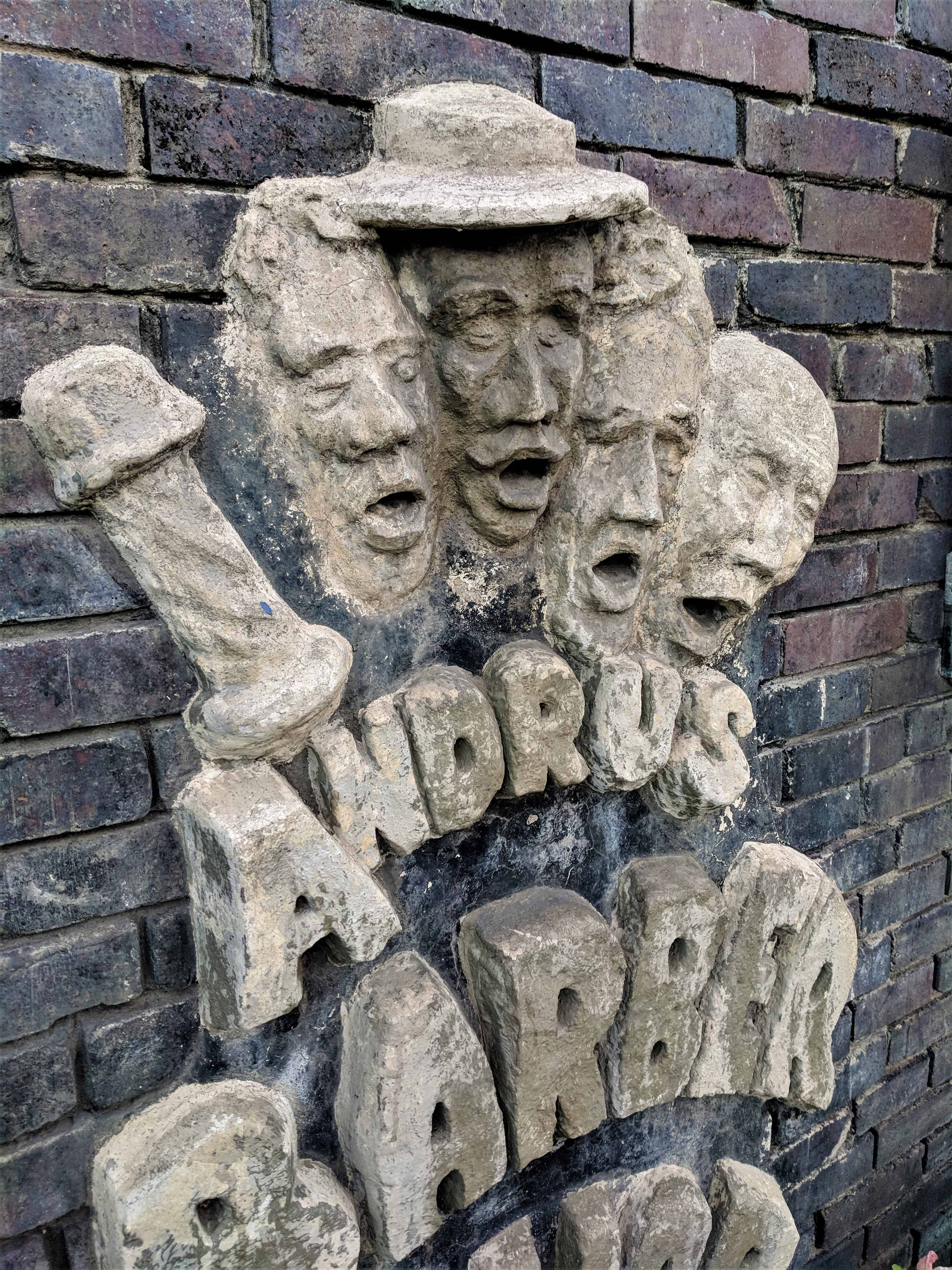
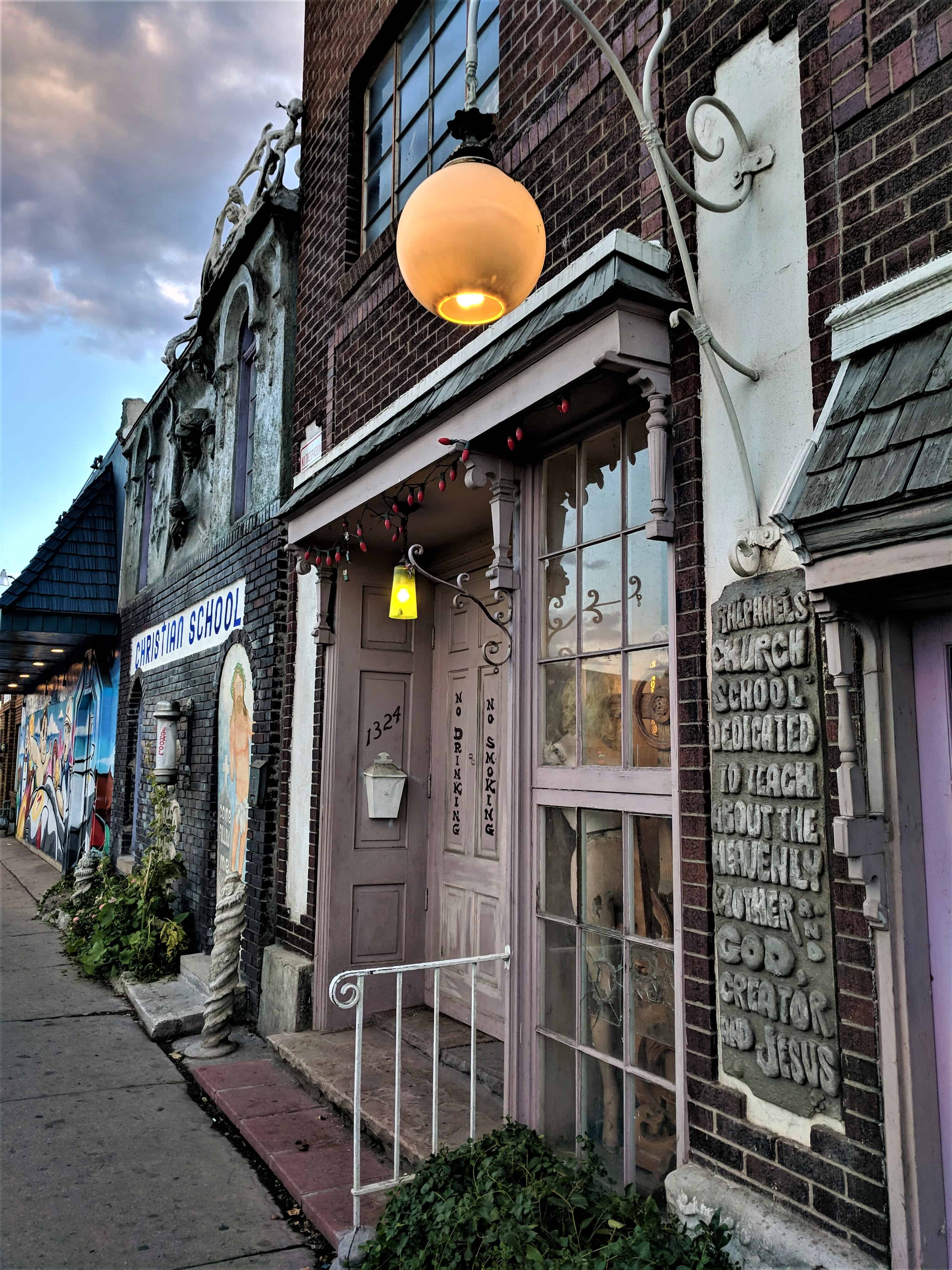
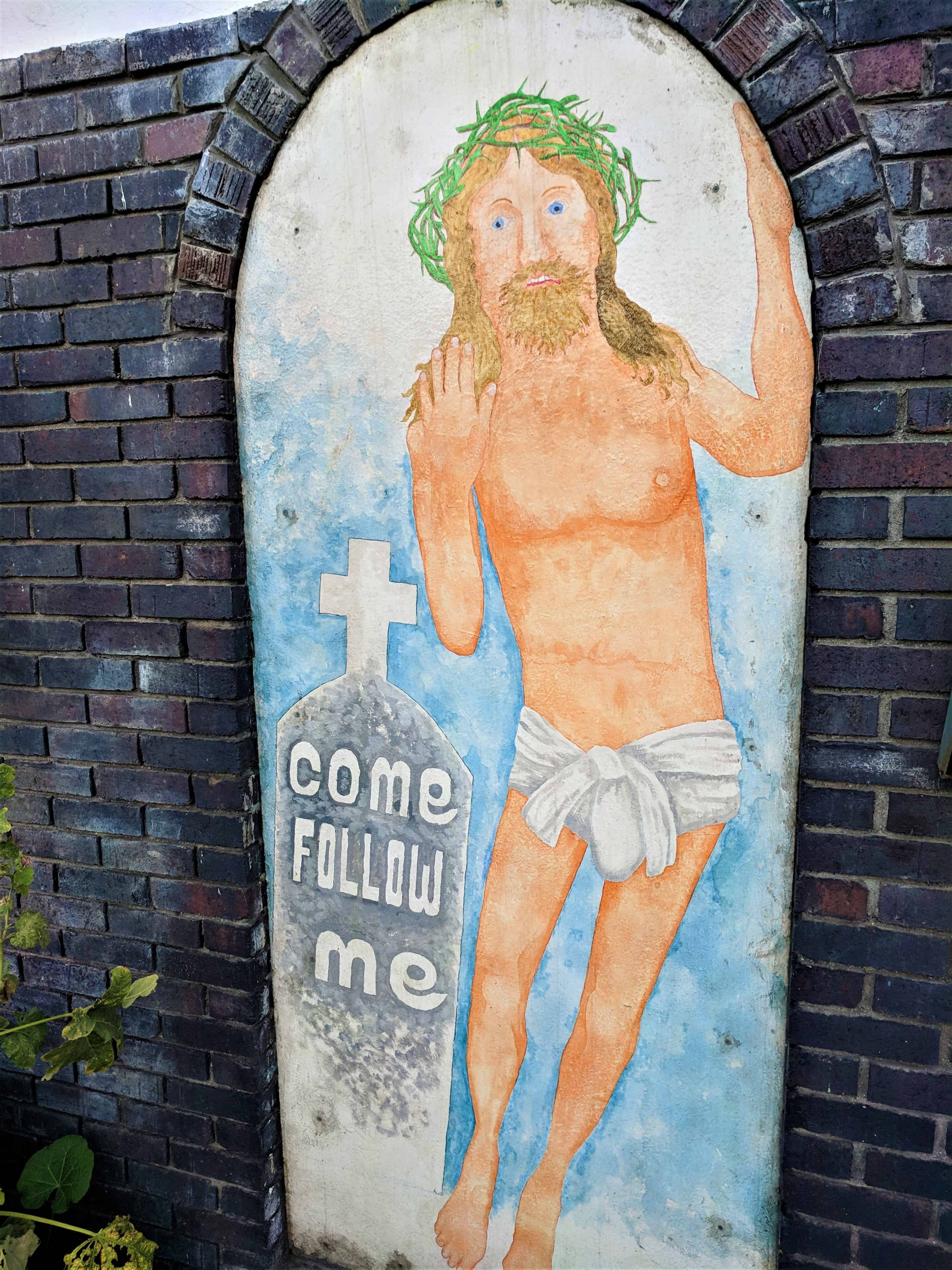
I was out exploring and saw an interesting building on State Street in Salt Lake City, just south of 1300 South and on the west side of State Street.   I stopped to take pictures outside and ended up meeting Ralphael Plescia.   He had turned that place into a kind of museum of his art, mostly religious art, about Jesus and his mother.  Very different and interesting stuff.  He told me stories until I had to leave, I’d love to go back and hear more.

Ralphael is quite the artist and also quite the musical instrument expert, he told me of building them from wood that had been soaked in salt water and all kinds of interesting things I didn’t know much about.

I enjoyed all the religious art too, lots of interesting works about Jesus, Satan, Christ’s Heavenly Mother and all kinds of deep stuff.  I really like that kind of thing so it was fascinating to see what he created and then hear his explanations of it. He calls it his theory of creation. He said if they can have a theory of evolution why can’t he have a theory of creation? He has a book documenting the theory but said he’d have to get more copies made someday.

If you want to go I’d suggest parking at “Wayne’s Corner,” a gas station on the corner and then walking next door to his place, the outside is cool enough looking but if you get inside and ask to look around hopefully he’ll be as willing to show you as he was me.

The actual address for Ralphael Plescia’s Christian School is 1324 S State St in Salt Lake.

Ralphael told me that the building was his father’s auto parts store, built in 1930 and the store opened in 1934, that’s the main taller brick building. It had big garage doors on the front and back so cars could pull thru. The brick building next door to the south he said was used to sell the apples from the huge orchard that was behind the buildings. He spoke of the canal that ran along where 1300 South is and how his father often had to pull cars out of the canal. Ralphael never worked at the store but inherited it when his father was killed in a car accident and started converting it into what it is now.

To me this is one of the most interesting and unique places in Salt Lake, even in Utah.

Located at 1324 South State Street in Salt Lake City, Utah

After his passing I went to the estate sale when they were cleaning out the place (April 2023), you can see that here: Revisiting Ralphael Plescia’s Museum

2018-08-24 20.03.44
2018-08-24 20.03.59
2018-08-24 20.04.06
2018-08-24 20.04.11
2018-08-24 20.04.17
2018-08-24 20.04.33
2018-08-24 20.04.45
2018-08-24 20.05.05
2018-08-24 20.06.06
2018-08-24 20.06.42
Image
Image
Image
Image
Image
Image
Image
Image
Image
Image
Image
Image
Image
Image
Image
Image
Image
2018-12-16 12.42.21

Battle of Diamond Fork Canyon

12 Thursday Jun 2014

Posted by Jacob Barlow in Uncategorized

≈ 1 Comment

Tags

Battle, Black Hawk War, Diamond Fork Canyon, historic, Mapleton, spanish fork, spanish fork canyon, utah, utah county

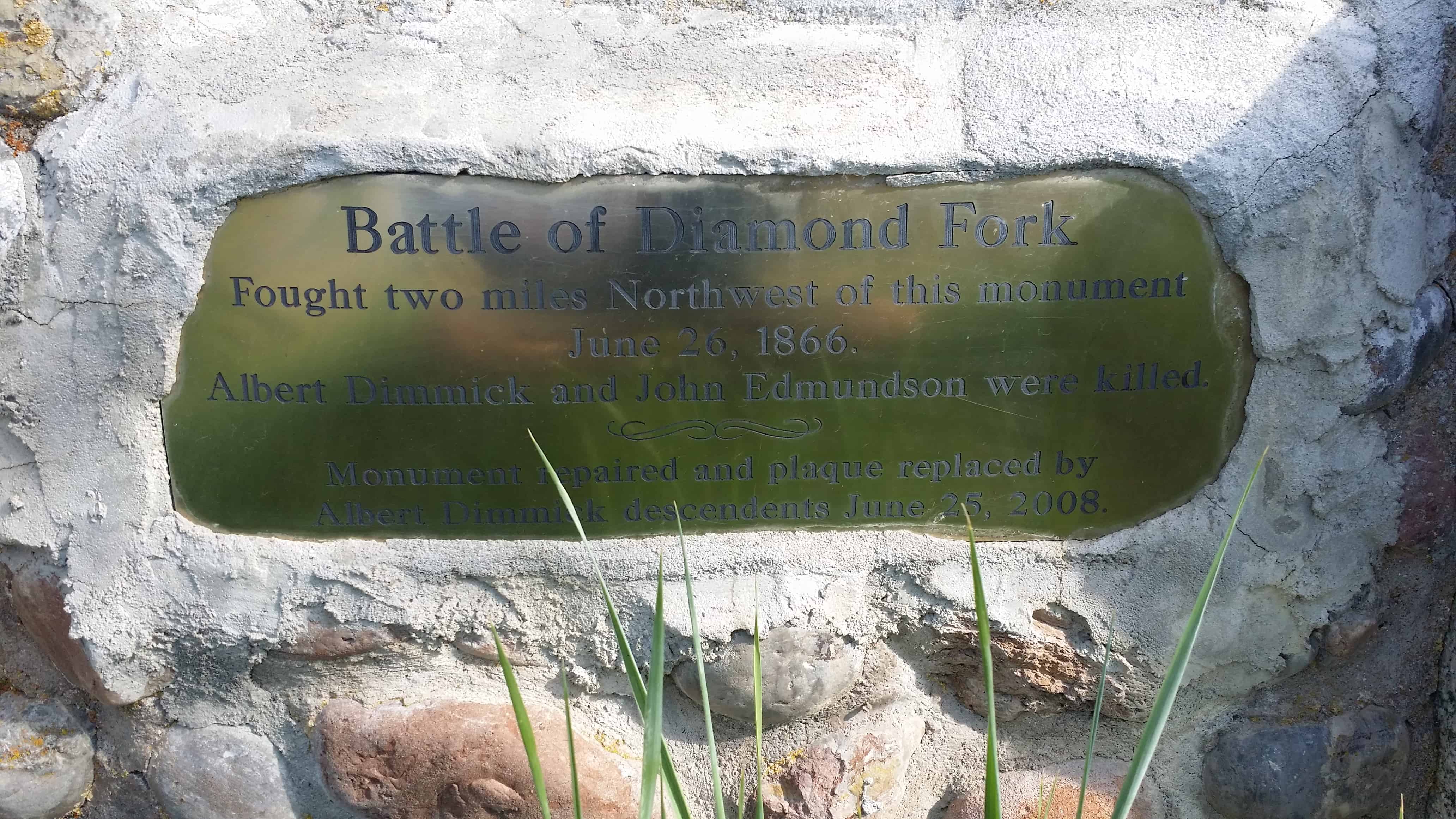
Today I decided to go back up Diamond Fork Canyon to the Diamind Battle stone marker and look around, the story is that back in 1866 during the Black Hawk War there was a battle here.  I’ll post my photos and then some stories and links I’ve found useful.

See other historic markers in the series on this page for SUP Markers.

Image
Image
Image
Image
Image
Image
Image
Image
Image
http://www.blackhawkproductions.com/diamondbattle.htm

June 1866 brought the Uintah Utes into the conflict. Up until that time a few hot-headed young fighters joined Black Hawk but Chief Tabby and others had kept the Utes in the Uintah Valley reservation out of the war. The call for an additional 350 men from Salt Lake and Davis Counties to strengthen Mormon settlements angered Tabby and his fighters. But Black Hawk’s brother, Mountain, Isaac Potter and Richard led separate war parties toward Utah Valley. They found a Nauvoo Legion detachment at what is now Indianola and attacked. The pinned the militia down for most of the day, but a second detachment under John L. Ivie arrived late and kept the first detachment from being overwhelmed. The soldiers were convinced that Chief Tabby had led the attack. When and additional 130 men under Warren Snow arrived, it was agreed to chase the Utes up Spanish Fork Canyon. Fearing another Salina Canyon disaster, the troops moved cautiously but on arriving at Soldier Summit Pass found that the Utes had split up and gone in different directions. He turned his men around and marched them back to Sanpete Valley.

Mountain had led his men to Spanish Fork to exact vengeance on William Berry who years before had beaten Black Hawk with an old bucket for a supposed theft. They killed Berry and drove off about forty cattle and horses and fled into the Wasatch Mountains through Maple Canyon. The militia, who were already on alert, gave chase. They intercepted the Utes at Diamond Fork River but were outnumbered and pinned down by desultory rifle shots and arrows. A second force of eight men rushed the Utes and three were shot dead. The others put the Utes in a crossfire. The Utes quietly withdrew leaving the livestock and camp to be plundered by the militia. Among the gear they found US issued items, which showed the Utes had been accepting food and supplies at the Uintah Reservation. Leaders of the militia swore affidavits that white men had been seen directing the Utes. It was feared that the US Indian officials were aiding and abetting the Utes in their war against the Mormons.

These incidents were a turning point in the war. Mormons had begun to be vigilant as Brigham Young had repeatedly encouraged them to do. Fort building and evacuations of small settlements, combining livestock herds under guard, and the hundreds of additional soldiers patrolling commonly used canyon trails stymied the ability of Utes to drive off the numbers of cattle and horses of the first two years in the war. Tabby used his influence after the defeat of the reservation Utes to keep most of his people out of the conflict. It would not be until 1872 in the final days of the war that reservation Utes caused any more trouble. The ‘defeat’ of the reservation Utes encouraged Mormons to continue to prevent attacks whenever possible.(*)

Cottonwood Settlement

10 Tuesday Jun 2014

Posted by Jacob Barlow in Uncategorized

≈ 1 Comment

Tags

Cottonwood Heights, DUP, historic, Salt Lake County, utah

  • Image

This wooded area, named for the Cottonwood trees, was originally located between Big and Little Cottonwood Creeks, from 13th East to the foothills of the Wasatch Mountains. The Big and Little Cottonwood Canyons were identified by a large Cottonwood tree at the mouth of the north canyon and a smaller one near the mouth of the south canyon. The creeks meandered across the land. Heavy rains and snows created a huge spring runoff in 1862, cutting new channels, which the Pioneer settlers widened and dredged, struggling to tame the creek. They dug many ditches and two canals. Granite from the Little Cottonwood quarry paraded down Vine Street for the construction of the Salt Lake Temple.

As this farming settlement grew southward, distance and swollen creek beds made it difficult to attend church, school and community events outside the Cottonwood area. A branch of the Big Cottonwood Ward was organized for Cottonwood on October 11, 1885; meetings were held in homes, then schools. In 1890, the first school, an existing log cabin on Spring Lane, was taught by Martha Moses. In 1893, Spillett’s Hall, containing the local post office and store, housed the school for a year. In 1894, students attended a one-room log cabin located just behind the present Oakwood School. In 1896, District 37 built a two-room red brick school. A larger four-room Oakwood School was completed in 1913. Businesses were scattered along Highland Drive.

Big Cottonwood Ward was divided on February 12, 1911, creating Holladay and Brinton Wards. Albert Quist became Bishop, with Edward C. Bagley and Ensign Woodruff serving as counselors. Brinton Ward continued to meet in the school until December 10, 1914, when the chapel was ready. From Ensign Woodruff’s journal (son of President Wilford Woodruff): “I was the contractor… With Fred Smith’s team and my plow, we broke ground… My brother, John, donated the ground…” As the very first chapel built entirely by voluntary labor and contributions, the Brinton Ward building was dedicated by President Heber J. Grant on February 12,1928, as the Cottonwood Ward. The settlement of Cottonwood became known as a ward of Salt Lake City.

2011 No. 562 Salt Lake Olympus Company

  • Image

Gilmer and Salisbury Overland Stage Company

10 Tuesday Jun 2014

Posted by Jacob Barlow in Uncategorized

≈ 2 Comments

Tags

DUP, Hatton, historic, Millard County, utah

picture27sep08-002

Gilmer and Salisbury Overland Stage Company

The town of Hatton was settled in 1854 on the old immigrant trail leading to southern California.  This site identifies one of the stops the Gilmer and Salisbury Overland Stage made on the way from Salt Lake City, Utah to Pioche, Nevada, and on to the coast.  Jack Gilmer and Monroe Salisbury purchased the Utah line of Wells, Fargo & Co. and renamed it.  By 1880 they became one of the most powerful corporations in the West.

Two spans of horses pulled the heavy stage to the Hatton “Home Station” operated by William George.  Frederick M. Bird, Sr. was the caretaker for the horses, and Orson Whitaker was one of the first drivers.  They would ready the fresh horses at the sound of a bugle, blown when the stage was within one mile.  Refreshments for passengers were provided at the Bird home.

Farming was the main occupation for the settlers, and the stage line provided additional revenue.  John Ormond had a store beside the station that sold merchandise, including candy that his wife made.  George Hickerson had a thriving business selling feed, hay, and grain to immigrants traveling to California.

Peter Robison, one of the first settlers, originally named the town Corn Creek.  When he became postmaster, the town was renamed Petersburg.  A few years later, Richard Hatton became postmaster, and the town was named Hatton.

As the town grew, Cornelia Robison taught school in the Robison home.  Later Henry Young and William Dameron were teachers.  A building was erected in 1867 that served as a school and a church meeting place.

Brigham Young, President of The Church of Jesus Christ of Latter-day Saints, advised the settlers in 1867 to move farther up Corn Creek to conserve water, utilize more fertile soil, and avoid early frosts.  Several families heeded his advice, but some stayed.  After the railroad came, the stage line was sold and business declined.  In a few years, Hatton was almost deserted.

picture27sep08-001

Check out all of the historic markers placed by the Daughters of Utah Pioneers at JacobBarlow.com/dup

← Older posts
Newer posts →

Follow Jacob

Follow Jacob

Blog Stats

  • 2,048,274 hits

Social and Other Links

BarlowLinks.com

Recent Posts

  • Old Farmers Co-Op Building

  • Fort Douglas Officers Club
  • Israel and Elizabeth Haven Barlow
  • Anson Call
  • Jane Elizabeth Manning

Archives


Loading Comments...