• About JacobBarlow.com
  • Cemeteries in Utah
  • D.U.P. Markers
  • Doors
  • Exploring Utah Email List
  • Geocaching
  • Historic Marker Map
  • Links
  • Movie/TV Show Filming Locations
  • Oldest in Utah
  • Other Travels
  • Photos Then and Now
  • S.U.P. Markers
  • U.P.T.L.A. Markers
  • Utah Cities and Places.
  • Utah Homes for Sale
  • Utah Treasure Hunt

JacobBarlow.com

~ Exploring with Jacob Barlow

JacobBarlow.com

Tag Archives: LDS Church

Wilford Woodruff’s Farm 1850

06 Wednesday Dec 2017

Posted by Jacob Barlow in Uncategorized

≈ 7 Comments

Tags

Historic Homes, Historic Markers, LDS Church, NRHP, Salt Lake City, Salt Lake County, SUP, utah

2017-12-05 13.15.12

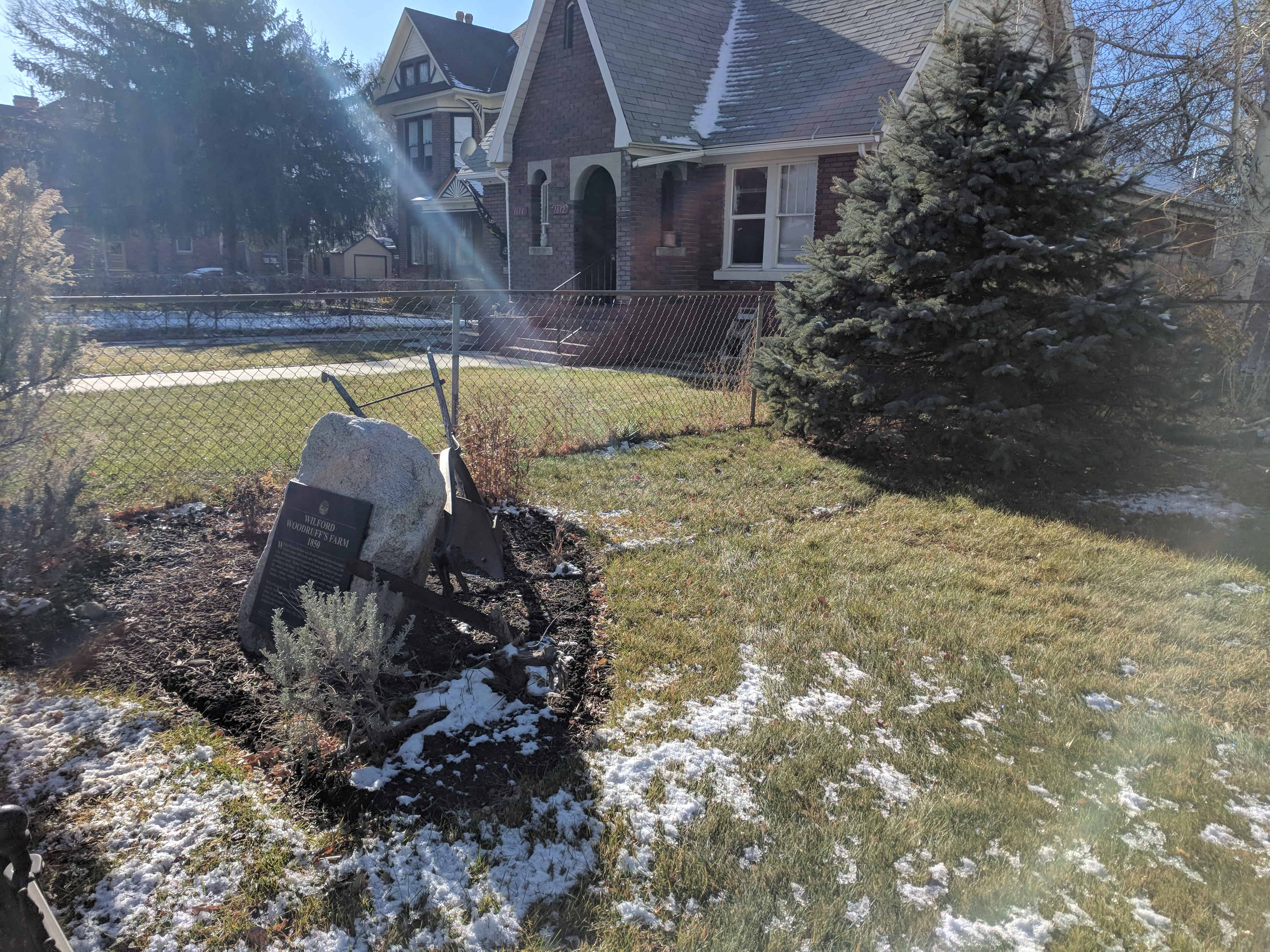
Wilford Woodruff’s Farm 1850

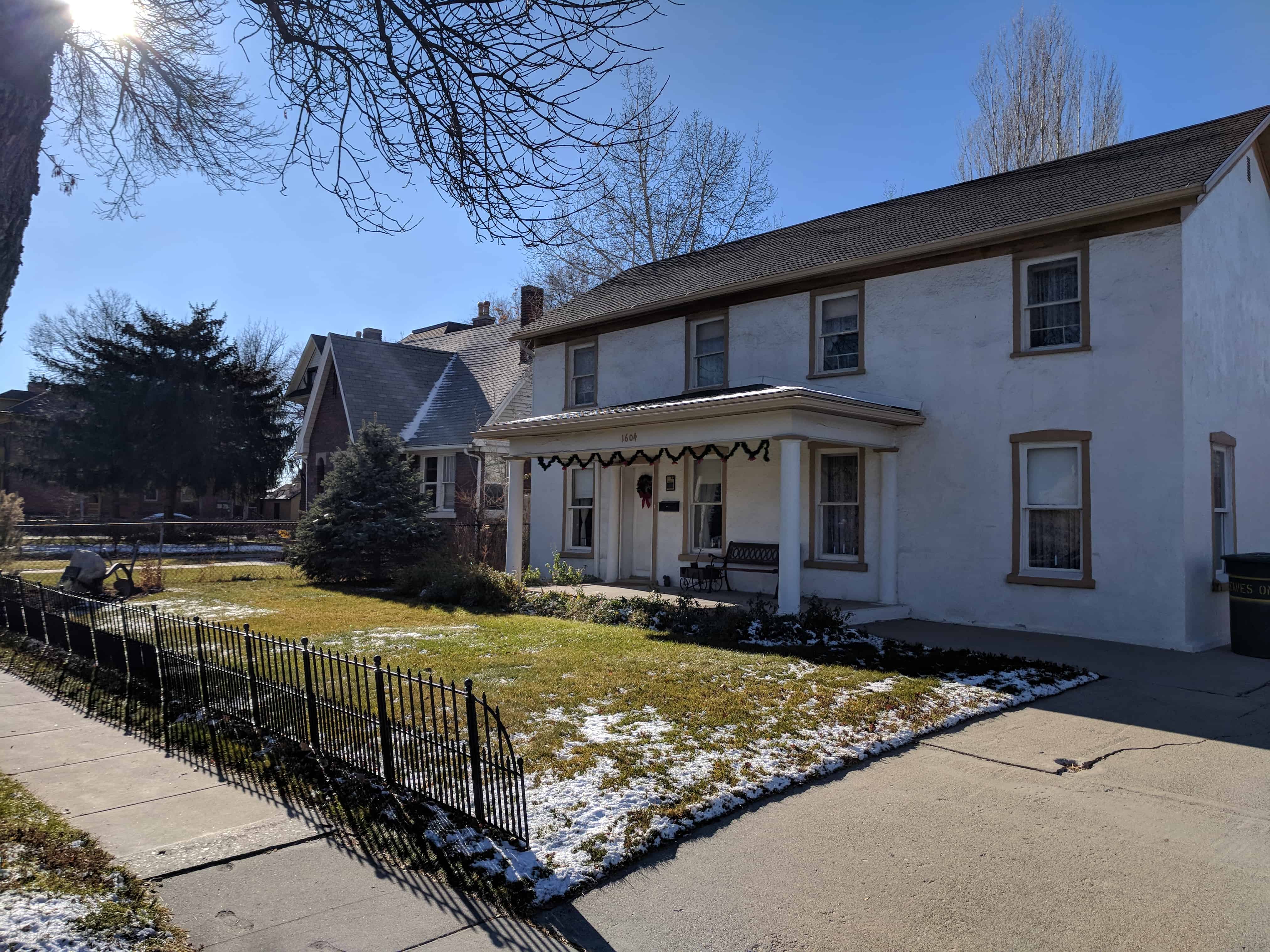
Wilford Woodruff’s Farm was 20 acres located between Kensington Ave. (about 1500 South) and 1700 South and 300 East to 500 East. This rich farmland was irrigated with water from Parleys Creek and Emigration Creek. Wilford Woodruff farmed here for over 45 years, providing for his family. He also grew numerous experimental crops. His journal makes reference to wheat, potatoes, cotton, sugar cane, melons, currants, madden, indigo, strawberries, apples, grapes, and “bushels of crickets”.

Wilford Woodruff, one of the first pioneer settlers of the Salt Lake Valley,  was the fourth President of the Church of Jesus Christ of Latter-day Saints. He and other Mormon Pioneers came here to escape persecution for their religious beliefs. Four of the original Woodruff family homes remain on 500 East and 1590, 1604, 1622, and 1636 South.

See also:

  • Asahel Hart Woodruff House
  • Daynes / Woodruff Home
  • Wilford Woodruff Gravesite
  • Woodruff Villa
  •  

Located at 1604 South 500 East in the Liberty Wells Historic District in Salt Lake City, Utah

SUP Historic Marker #137, see others here.

The Farmhouse

The Wilford Woodruff Farmhouse was built in 1859-1860.  It is a two-story log home designed in a pioneer Classical style, which includes hand-hewn logs, adobe brick, square nails, and plaster mixed with horsehair.  It is still on its original foundation located on what was once a twenty-acre farm.

Wilford Woodruff was a pioneer in the first company of settlers in the Salt Lake Valley.  He became the fourth President of The Church of Jesus Christ of Latter-day Saints.  He lived in this house from 1865 to 1891 with his wife Emma, but also had other residences.  It was while residing here that he issued the Manifesto in 1890, officially ending the practice of plural marriage in the Church.  Wilford Woodruff helped build the Salt Lake Temple and dedicated it in 1893.  He was also well known as a missionary, historian, and legislator.  Additionally he was a prominent horticulturist, serving as president of the Deseret Agricultural and Manufacturing Society for many years.

2017-12-05 13.15.25
2017-12-05 13.15.42
2017-12-05 13.15.54
2017-12-05 13.16.01
2017-12-05 13.15.45

Mahonri Moriancumer Cahoon

30 Thursday Nov 2017

Posted by Jacob Barlow in Uncategorized

≈ Leave a comment

Tags

Cemeteries, LDS Church, Murray, Salt Lake County, utah

2017-09-29 15.05.39

When Cahoon was born in 1834, his father, Reynolds Cahoon, asked Joseph Smith to give his newborn a name and a blessing. Smith gave him the name Mahonri Moriancumer Cahoon, explaining that although the name was not mentioned in the Book of Mormon’s book of Ether, it had just been revealed to him that Mahonri Moriancumer was the name of the brother of Jared. The Cahoon family came to Utah with the pioneers and eventually settled in the Murray area. The original wooden marker, which had deteriorated, was replaced with a permanent headstone.

SUP Historic Marker #84, see others here.

This grave is located in the Murray Cemetery in Murray, Utah.

2017-09-29 15.05.44

A Place of Gathering

04 Saturday Nov 2017

Posted by Jacob Barlow in Uncategorized

≈ 5 Comments

Tags

Historic Buildings, LDS Church, Provo, Tabernacles, Temples, utah, utah county

Provo-Baptistry-ca.-1885

(Above:  The Meetinghouse and the Utah Stake Tabernacle as they appeared circa 1885.  The baptistry is located in front of the meetinghouse.)

Members of The Church of Jesus Christ of Latter-day Saints have gathered on this block since the 1850s to worship and make sacred covenants.  The transformation of the Utah Stake Tabernacle into the Provo City Center Temple continues this sacred heritage.

After President Brigham Young selected the site, construction began on a meetinghouse in 1856.  It was designed by Church architect Truman O. Angell, and Church members worshiped in this building until it was razed in 1919.  Members of the Daughters of Utah Pioneers and the Sons of Utah Pioneers preserved the lintel stone (adjacent to this marker from the original meetinghouse.

In the late 1870s, a baptistry was built to the west of the meetinghouse.  Uncovered during an archaeological dig in 2012, the font reveals this site as a place where Latter-day Saints historically made sacred covenants with the Lord.

As the community outgrew the capacity of the meetinghouse, Church leaders commissioned William H. Folsom to design a new, larger structure.  Initiated in 1883, construction of the Utah Stake Tabernacle ended in 1898.  For more than one-hundred years the tabernacle housed worship services, community gatherings, and cultural events.  Early in the morning of December 17, 2010, a fire consumed all but the outer shell of the building.  Ten months later, President Thomas S. Monson announced that the building would be restored and used as a temple.

Today Church members continue to gather to this historic place.  They, like their predecessors, make sacred covenants with God through the ordinances offered in the House of the Lord.

Related posts:

  • A Place of Gathering
  • Choosing the Site of Provo’s First Tabernacle Caused Some Controversy
  • First Tabernacle
  • Old Tabernacle Lintel Stone
  • Provo City Center Temple
  • Provo City Center Temple Square

2017-09-27 17.42.52-1

2017-09-27 17.45.48
2017-09-27 17.46.38
2017-09-27 17.46.52
2017-09-27 17.47.29
2017-09-27 17.47.54

2017-09-27 17.48.00

2017-09-27 17.48.03

2017-09-27 17.51.06

2017-09-27 17.52.17

2017-09-27 17.52.28

2017-09-27 17.52.57

2017-09-27 17.53.32

2017-09-27 17.54.30

2017-09-27 17.55.41

2017-09-27 17.55.45

2017-09-27 17.57.42

2017-09-27 17.58.25

2017-09-27 17.58.32

2017-09-27 17.58.59

2017-09-27 17.59.10

The Tithing Yard

02 Thursday Nov 2017

Posted by Jacob Barlow in Uncategorized

≈ 4 Comments

Tags

Historic Buildings, Historic Markers, LDS Church, Riverton, Salt Lake County, SUP, utah

2017-09-23 12.04.15

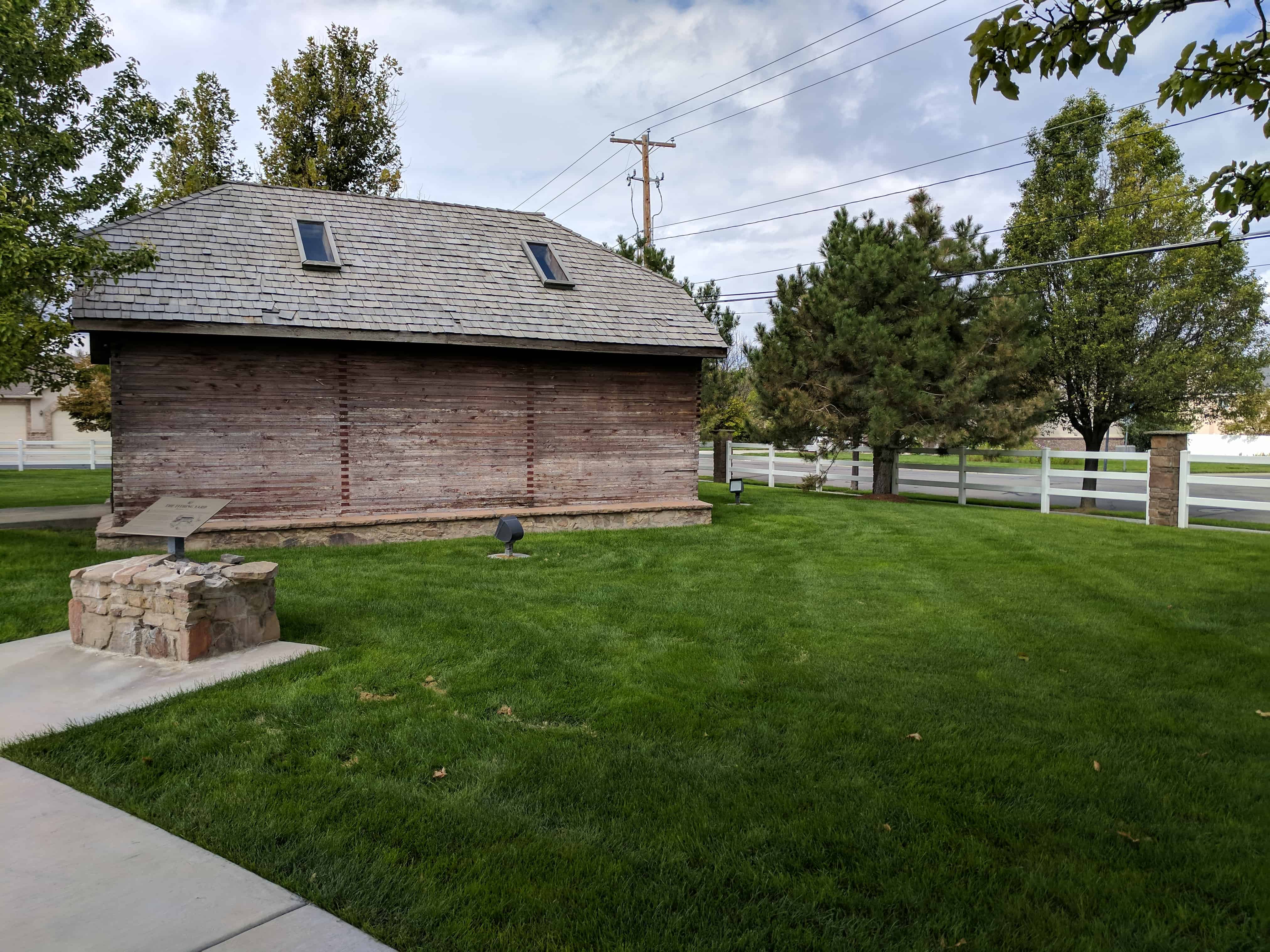
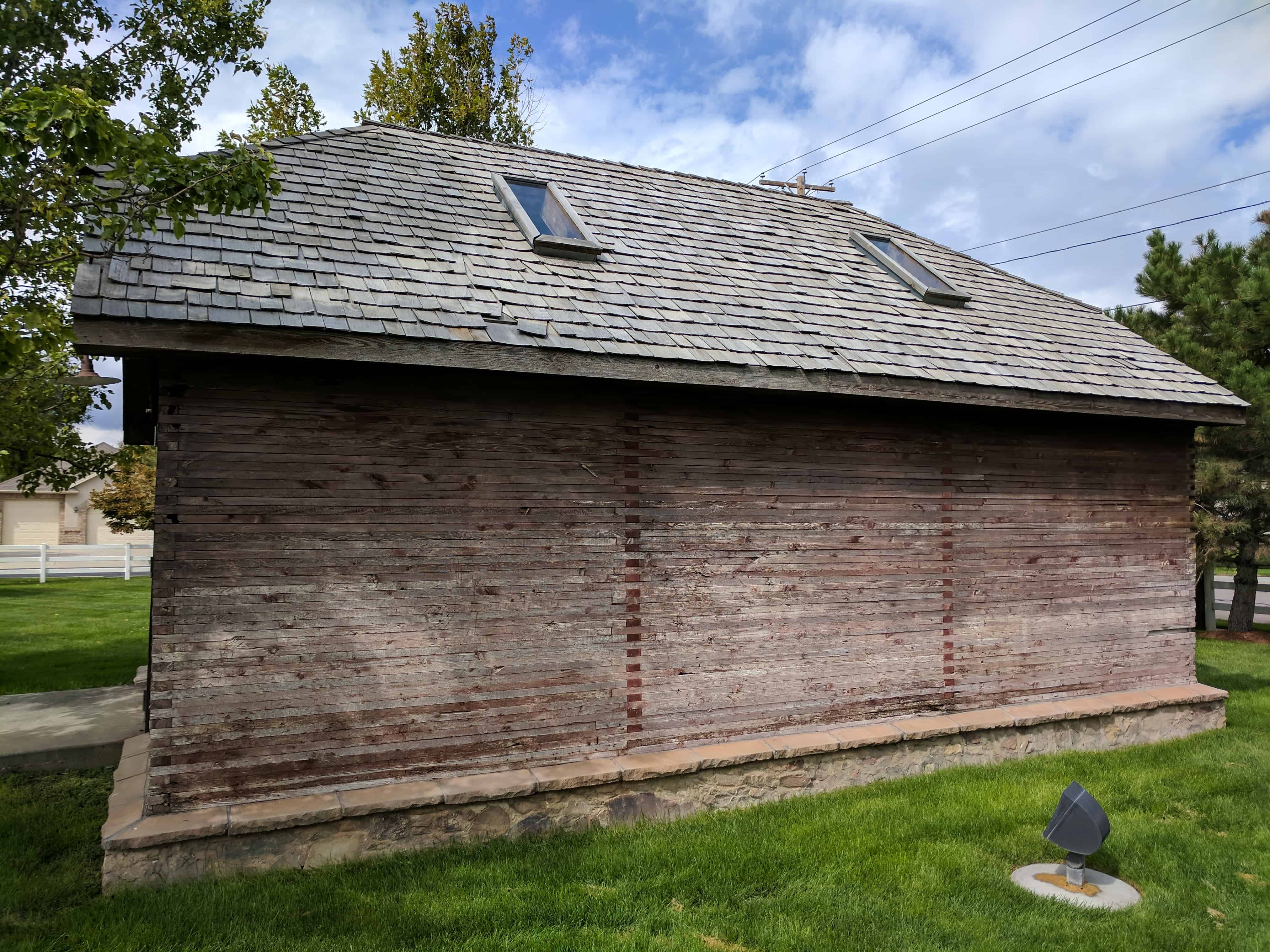
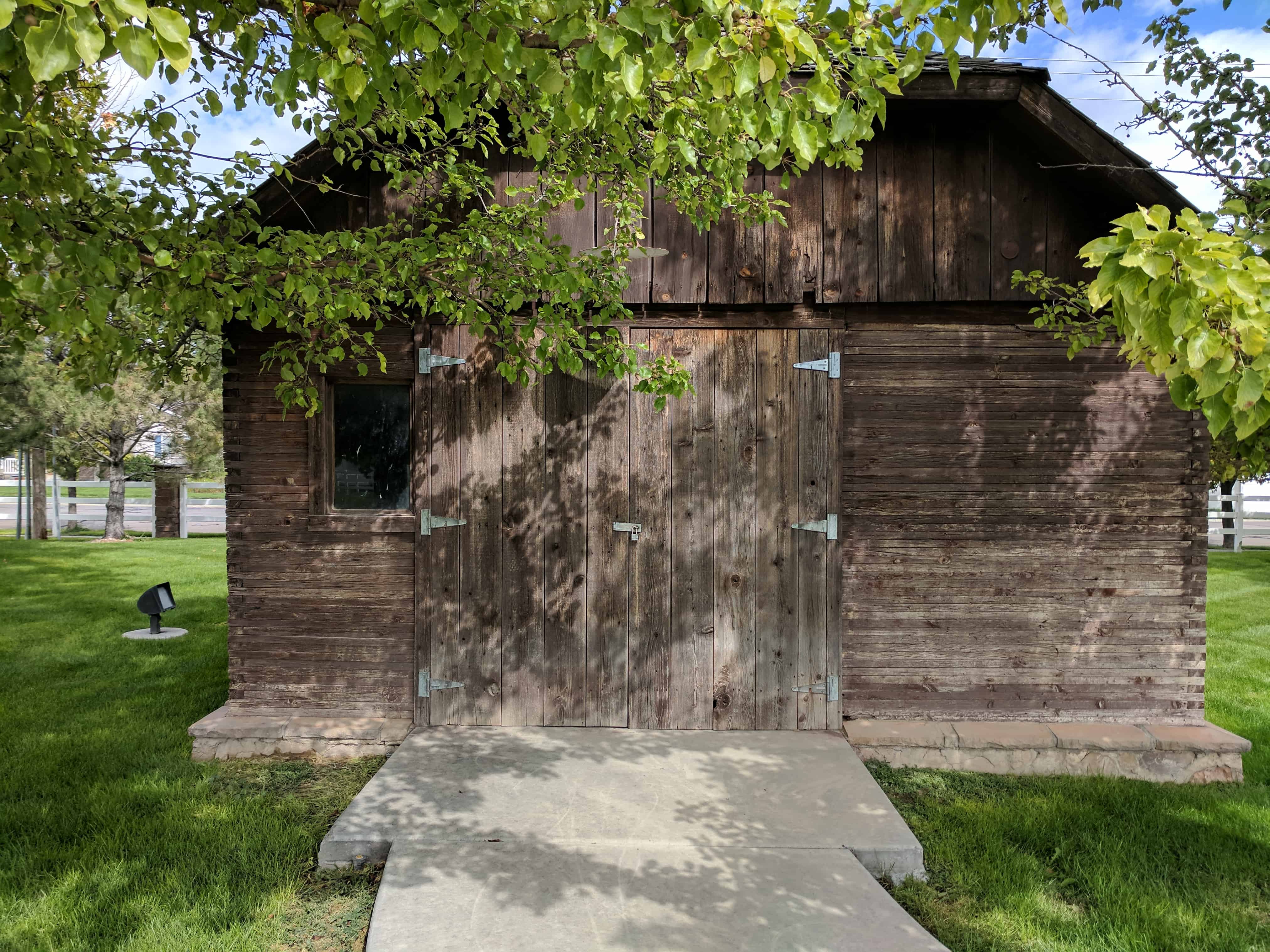
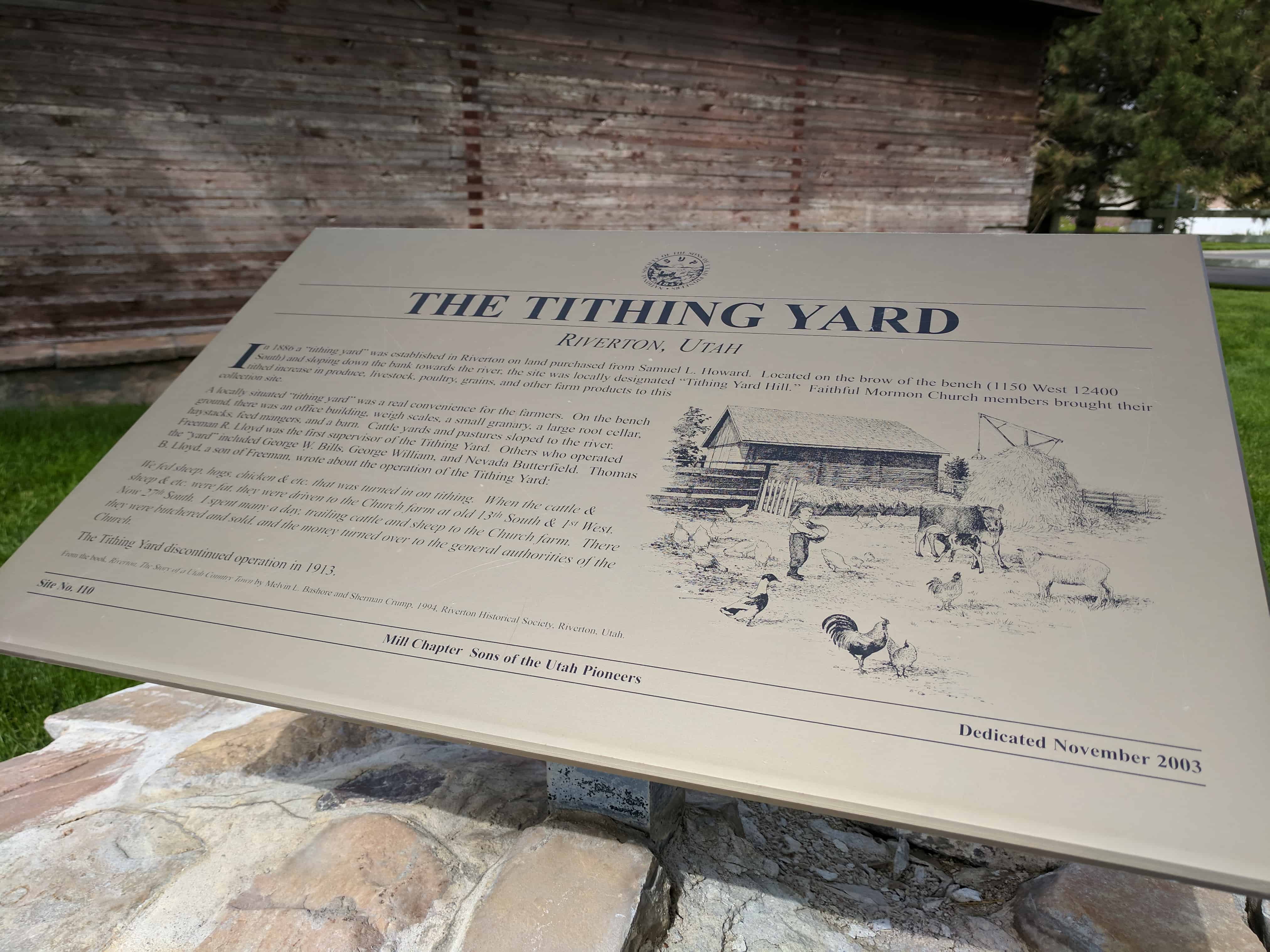
In 1886 a “tithing yard” was established in Riverton on land purchased from Samuel L. Howard. Located on the brow of the bench (1150 West 12400 South) and sloping down the bank towards the river, the site was locally designated “Tithing Yard Hill”. Faithful Mormon Church members brought their tithed increase in produce, livestock, poultry, grains, and other farm products to this collection site.

A locally situated “tithing yard” was a real convenience for the farmers. On the bench ground, there was an office building, weigh scales, a small granary, a large root cellar, haystacks, feed managers, and a barn. Cattle yards and pastures sloped to the river. Freeman R. Lloyd was the first supervisor of the Tithing Yard. Others who operated the “yard” included George W. Bills, George William, and Nevada Butterfield. Thomas B. Lloyd, a son of Freeman, wrote about the operation of the Tithing Yard:

“We fed sheep, hogs, chicken & etc. that was turned in on tithing. When the cattle & sheep & etc. were fat, they were driven to the Church farm at old 13th South & 1st West, Now 27th South. I spent many a day, trailing cattle and sheep to the Church farm. There they were butchered and sold and the money turned over to the general authorities of the Church”

The Tithing Yard discontinued operation in 1913.

See also:

  • Riverton Tithing Yard Hill

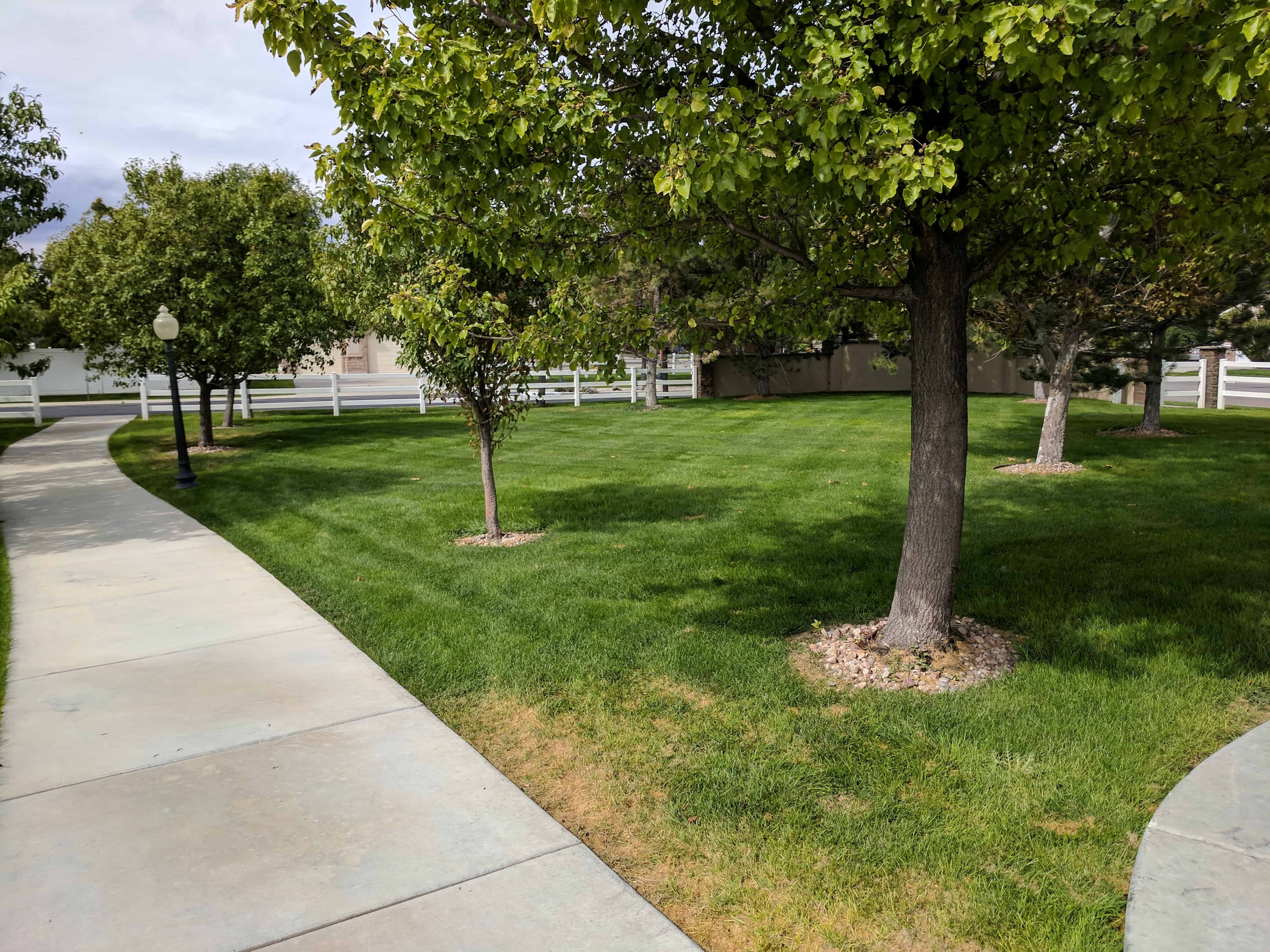
This plaque is located in Tithing Hill Park.

See other historic markers in the series on this page for SUP Markers.
2017-09-23 12.04.18

2017-09-23 12.04.48

2017-09-23 12.05.02

2017-09-23 12.05.18

2017-09-23 12.04.58

2017-09-23 12.04.40


North Visitor Center

30 Monday Oct 2017

Posted by Jacob Barlow in Uncategorized

≈ 1 Comment

Tags

LDS Church, Salt Lake City, Salt Lake County, Temple Square, utah

2017-09-10 18.21.56

The North Visitor Center at Temple Square in Salt Lake City.
2017-09-10 19.17.32-1
2017-09-10 18.57.44
2017-09-10 18.28.14
2017-09-10 18.22.26

South Visitor Center

30 Monday Oct 2017

Posted by Jacob Barlow in Uncategorized

≈ 2 Comments

Tags

LDS Church, Salt Lake City, Salt Lake County, Temple Square, utah

2017-09-10 19.20.22

The South Visitor Center at Temple Square in Salt Lake City.

2017-09-10 19.22.40

Here are some more photos by Chris Sirrine on this page.

2017-09-10 19.23.10
2017-09-10 19.23.12
2017-09-10 19.23.16
2017-09-10 19.23.47
2017-09-10 19.24.06

Mormons in Star Valley

30 Monday Oct 2017

Posted by Jacob Barlow in Uncategorized

≈ 1 Comment

Tags

Afton, LDS Church, Lincoln County, Wyoming

c1b5bdbb-825a-4662-985a-c3ef663314d2

First Mormons of record in the valley were 40 emigrants, miners from England, employed in 1858 by F.W. Lander to work on the Lander Cut-Off of the Pacific Wagon Road. By 1870 Church cattle were summer pastured in the valley. In 1879 the Church directed the colonization of the valley. In August 1880 apostles Moses Thatcher and Charles C. Rich renamed Salt River Valley to Star Valley and dedicated it for settlement by organizing a branch of the Bear Lake Stake with Charles Drake Cazier as president with 21 members in 5 households in the valley. 1880 census shows 45 persons in the valley. 1900 census shows 2,219. In 1892 the Star Valley Stake was formed with 7 Wards. The rock meeting house in Auburn was built in the winter of 1889 and the tabernacle in Afton in 1905. In the Church of Jesus Christ of Latter Day Saints Sesquicentennial year 1997 there exists the Afton and Thayne Stakes. There are 15 wards including Smoot, Osmond, Fairview, Salt River, Afton 1st, 2nd, 3rd, and 4th, Grover, Auburn, Bedford, Thayne 1st and 2nd, Freedom and Etna/Alpine, with a combined membership of 6,214. Welcome to Star Valley.

bb4e5e4d-884c-41e1-b55b-f400dce86507

Historic Garden Park Ward

25 Friday Aug 2017

Posted by Jacob Barlow in Uncategorized

≈ 1 Comment

Tags

historic, Historic Buildings, LDS Church, Salt Lake City, Salt Lake County, utah

2017-07-07 15.32.07-1

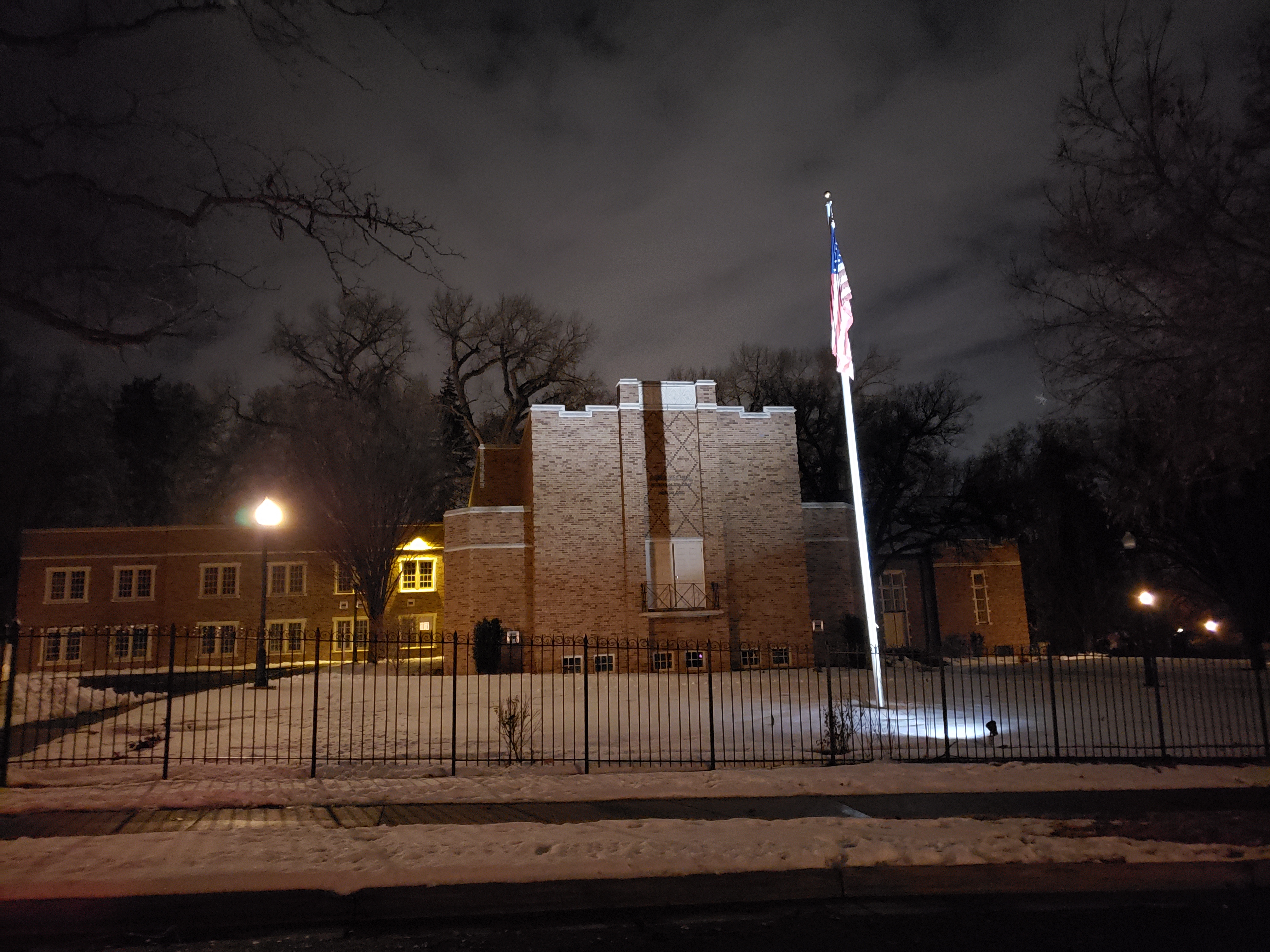
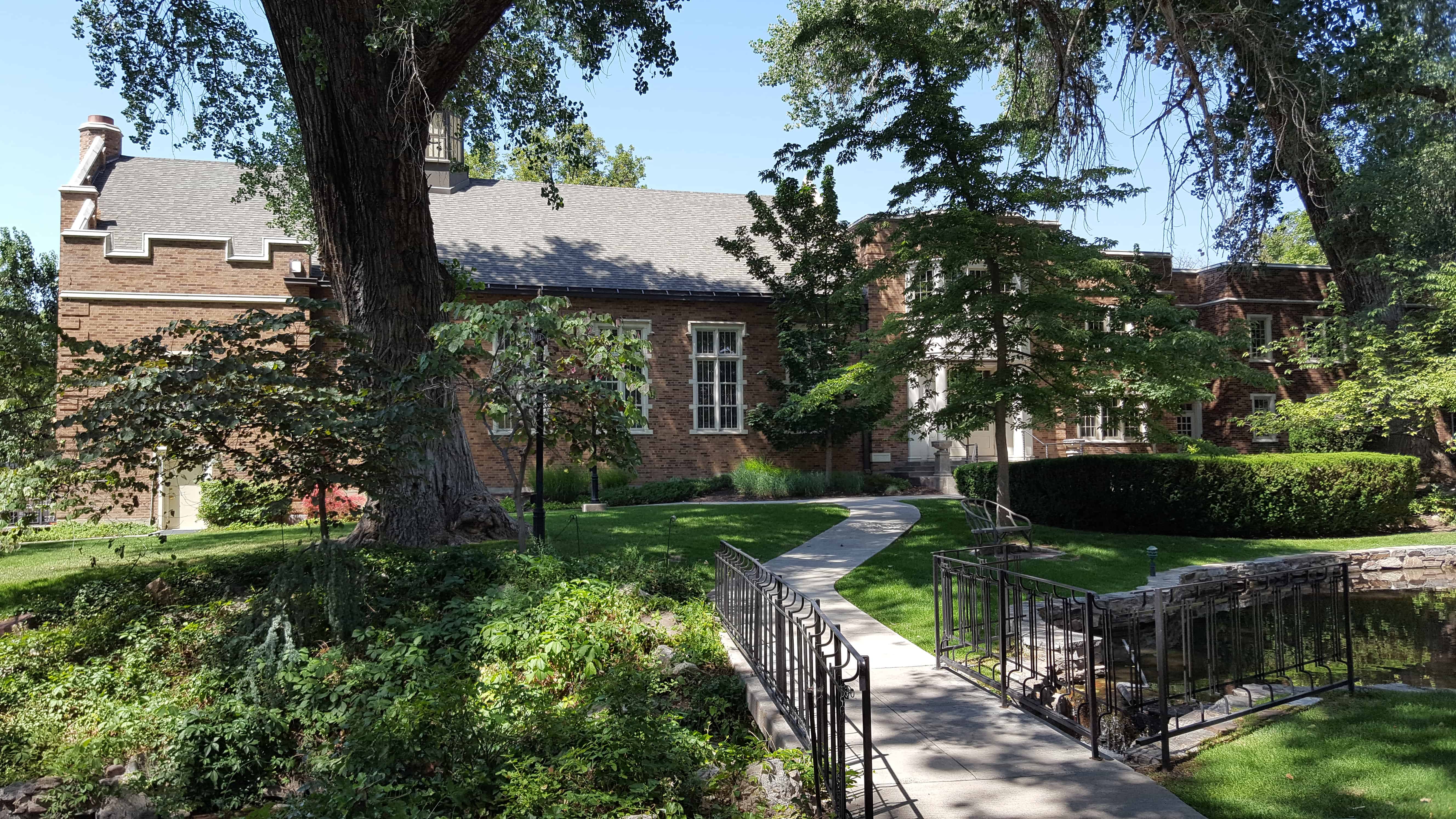
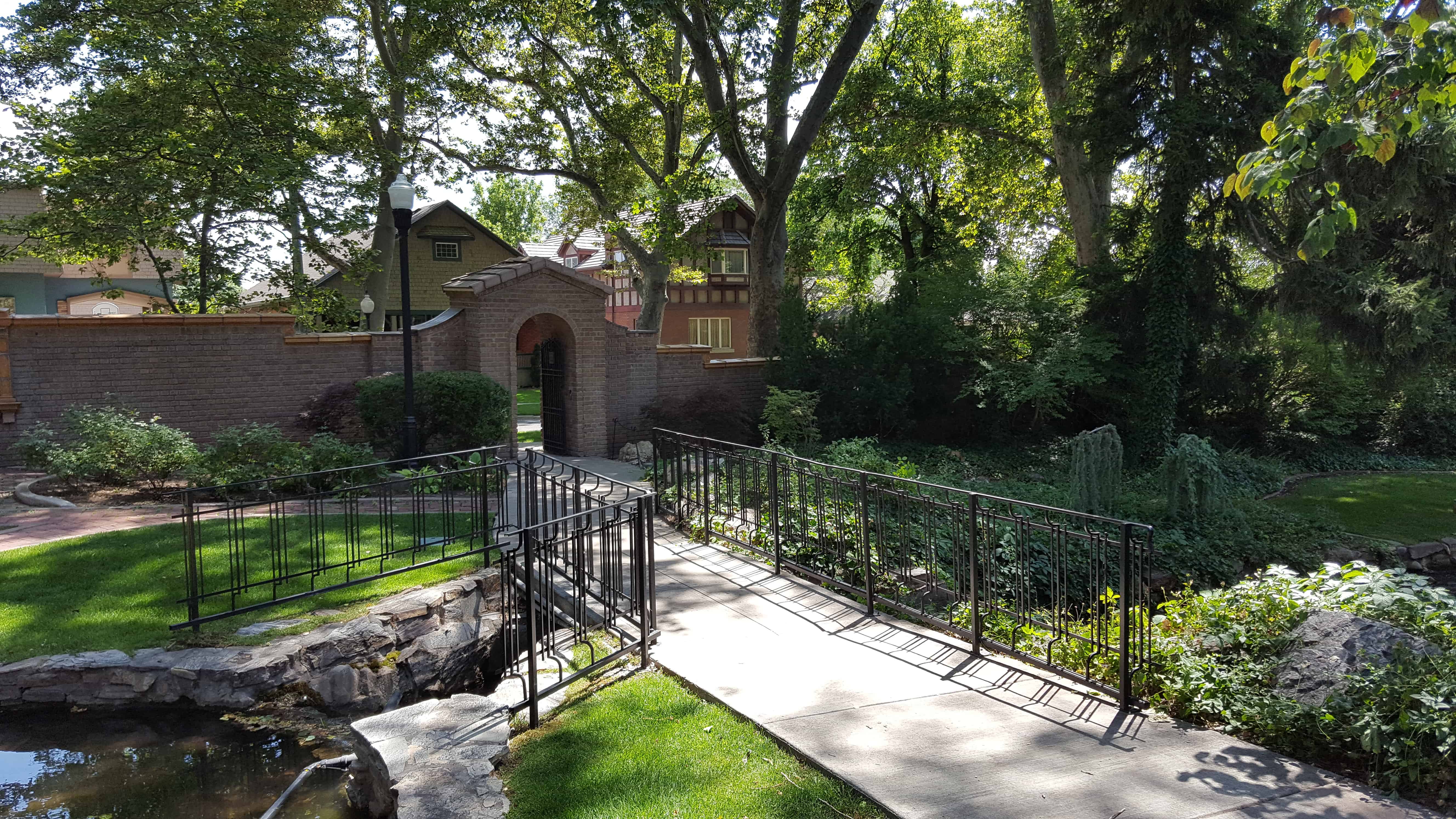
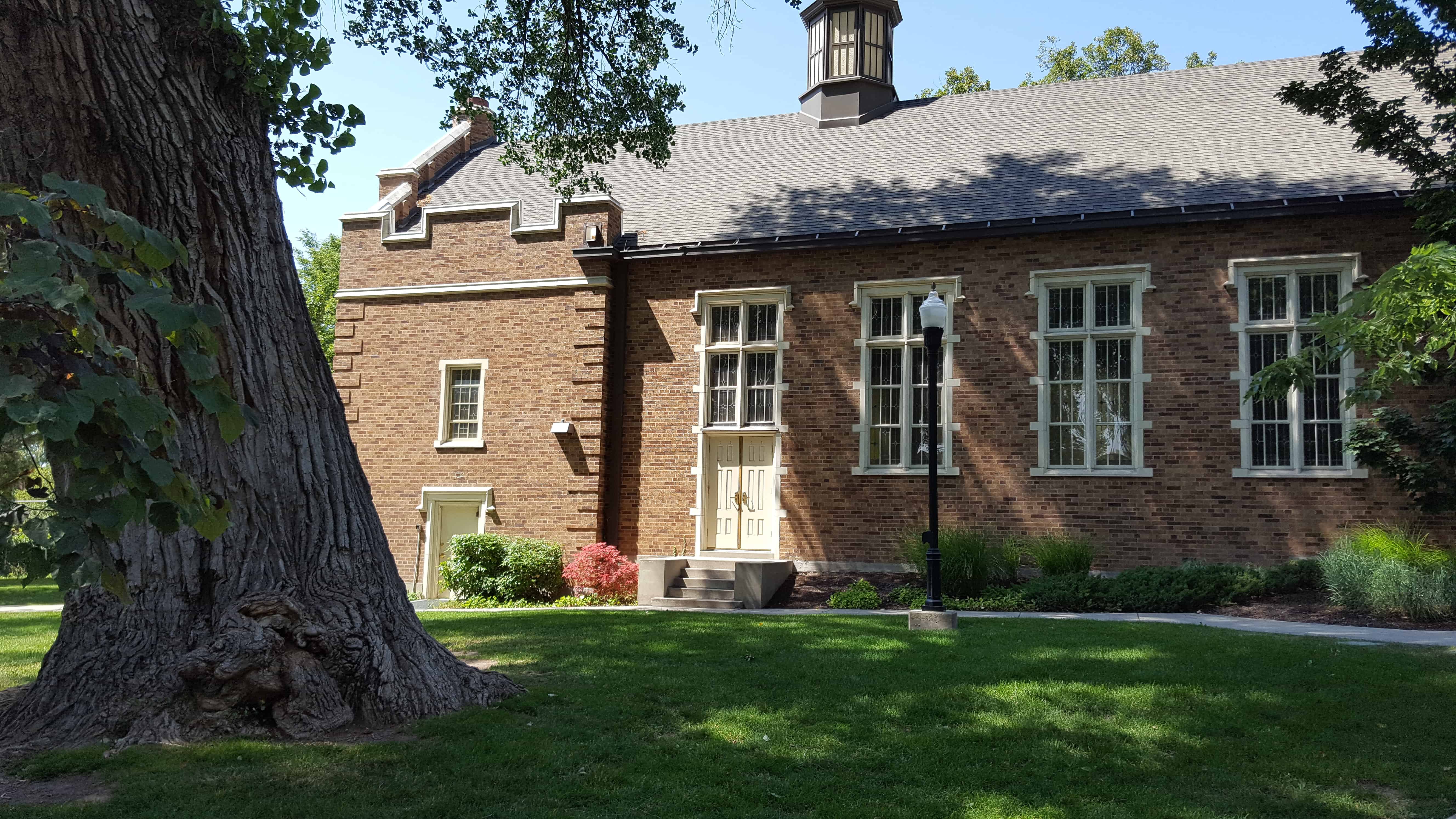
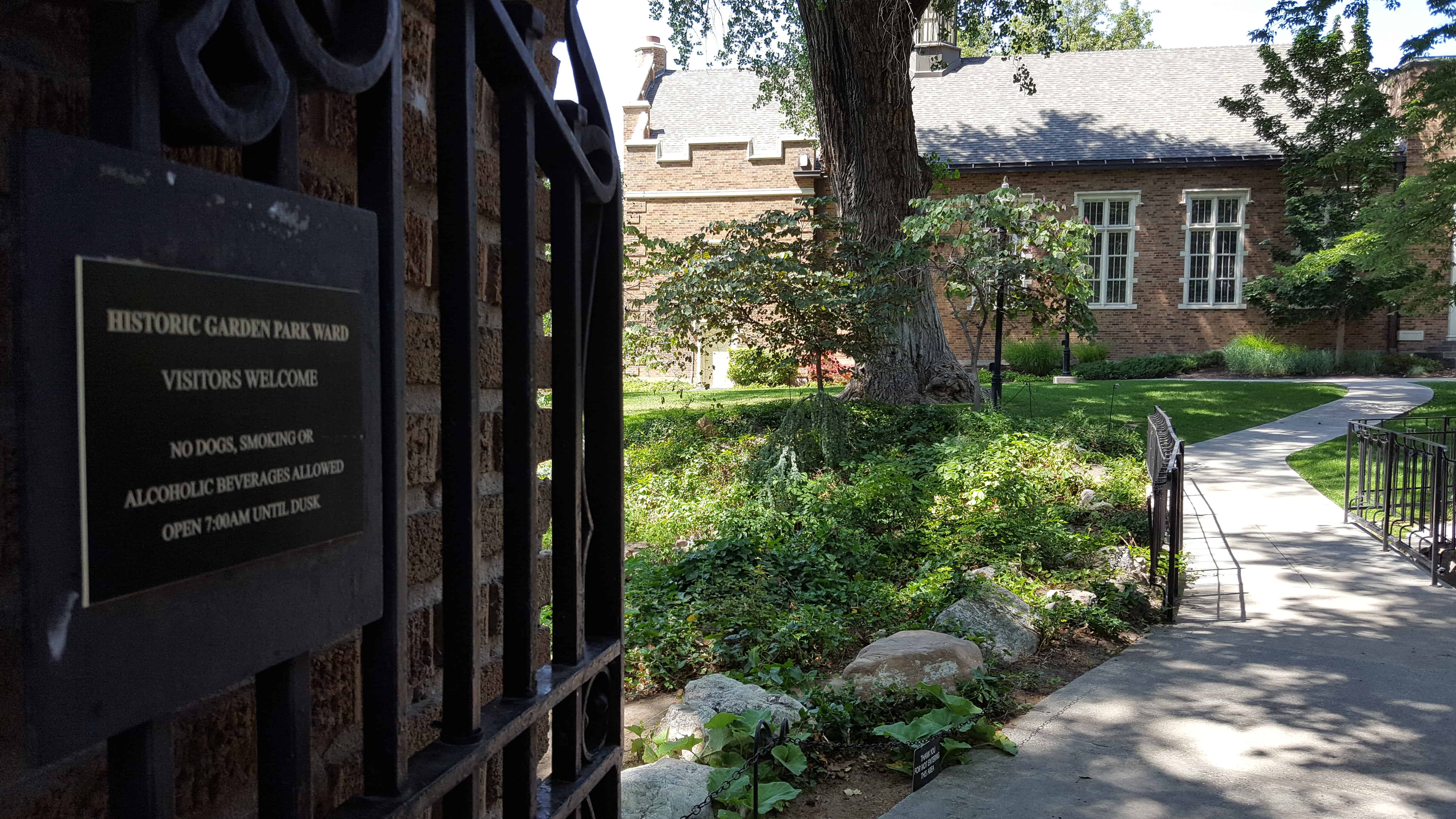
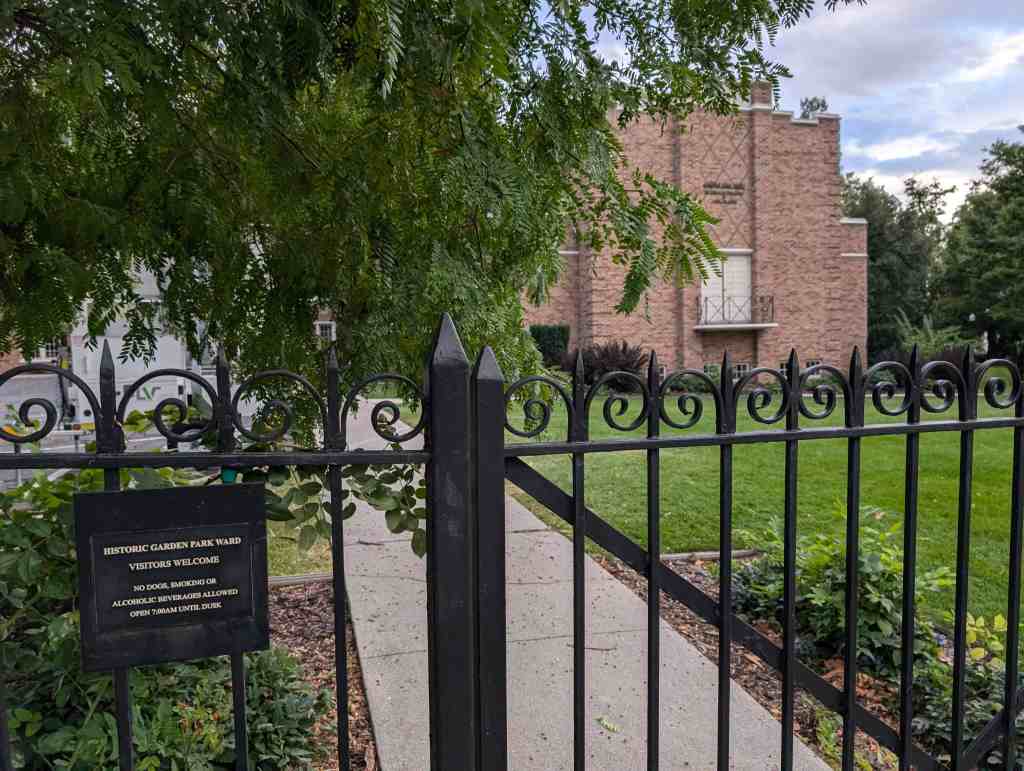
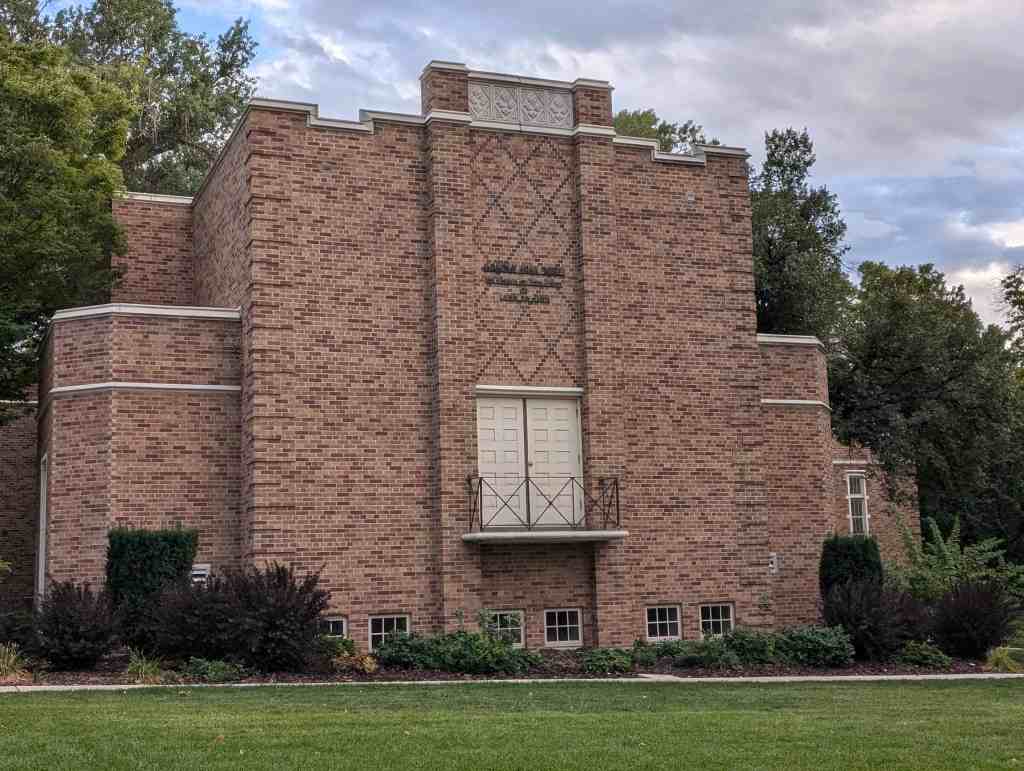
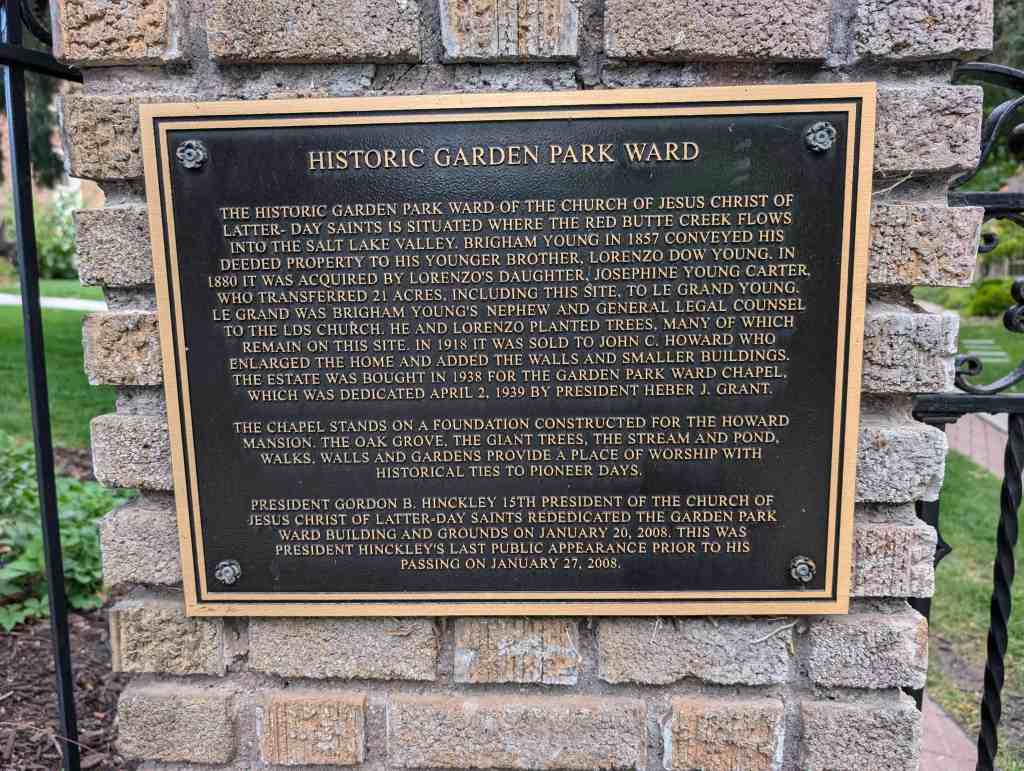
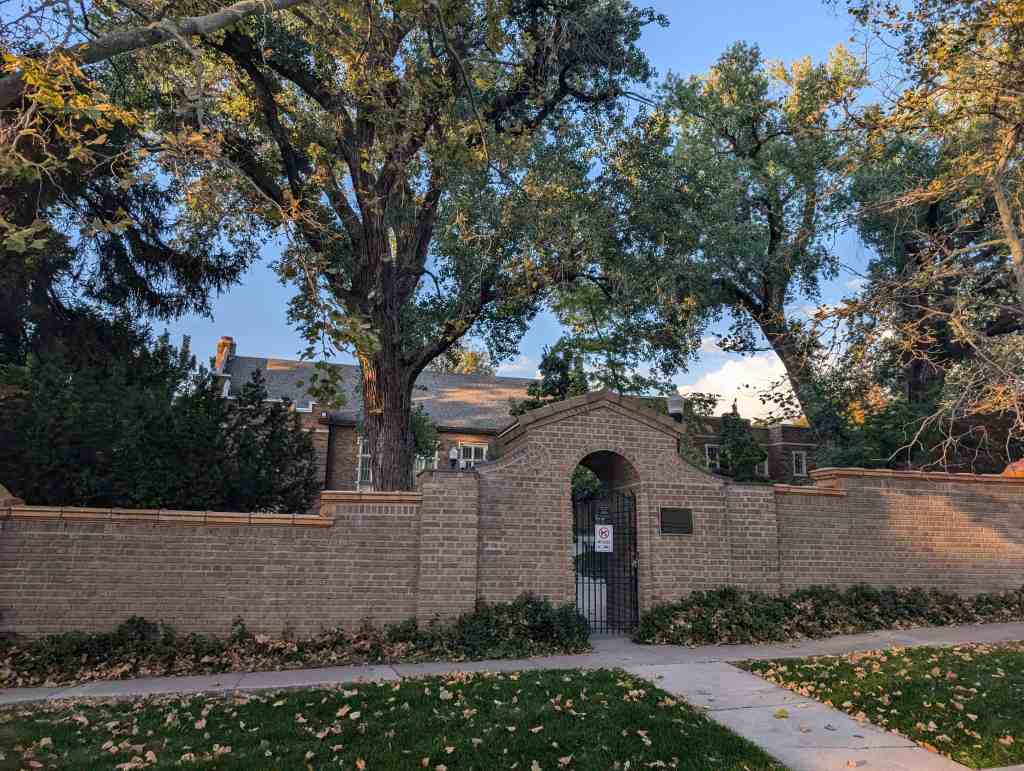
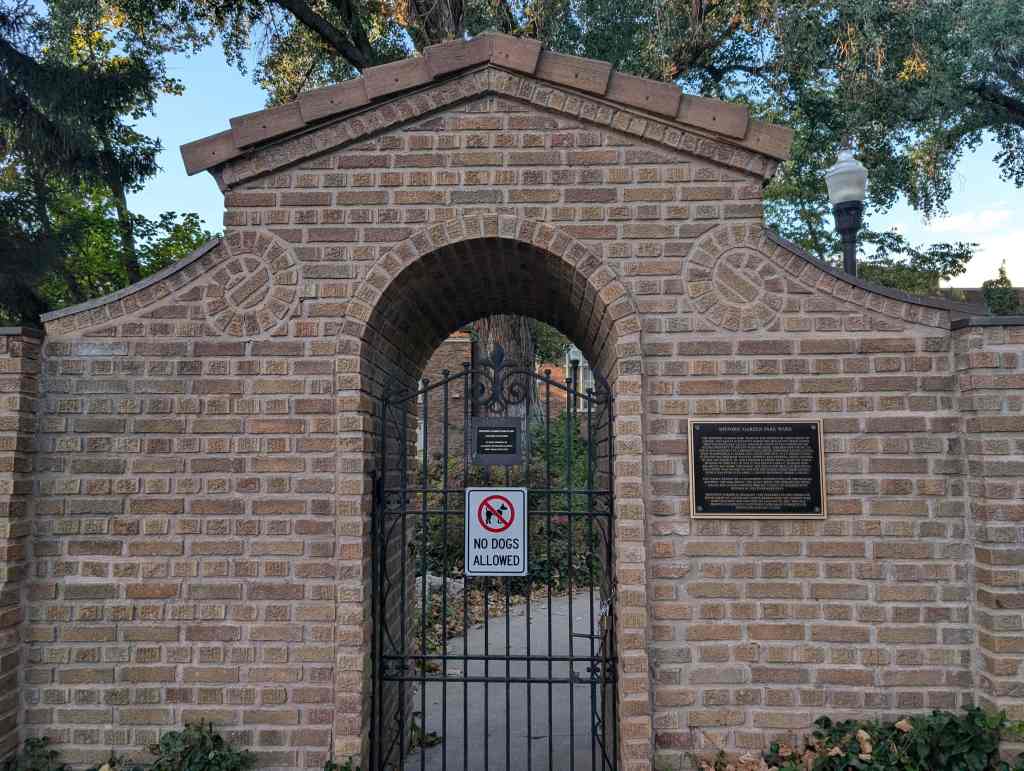
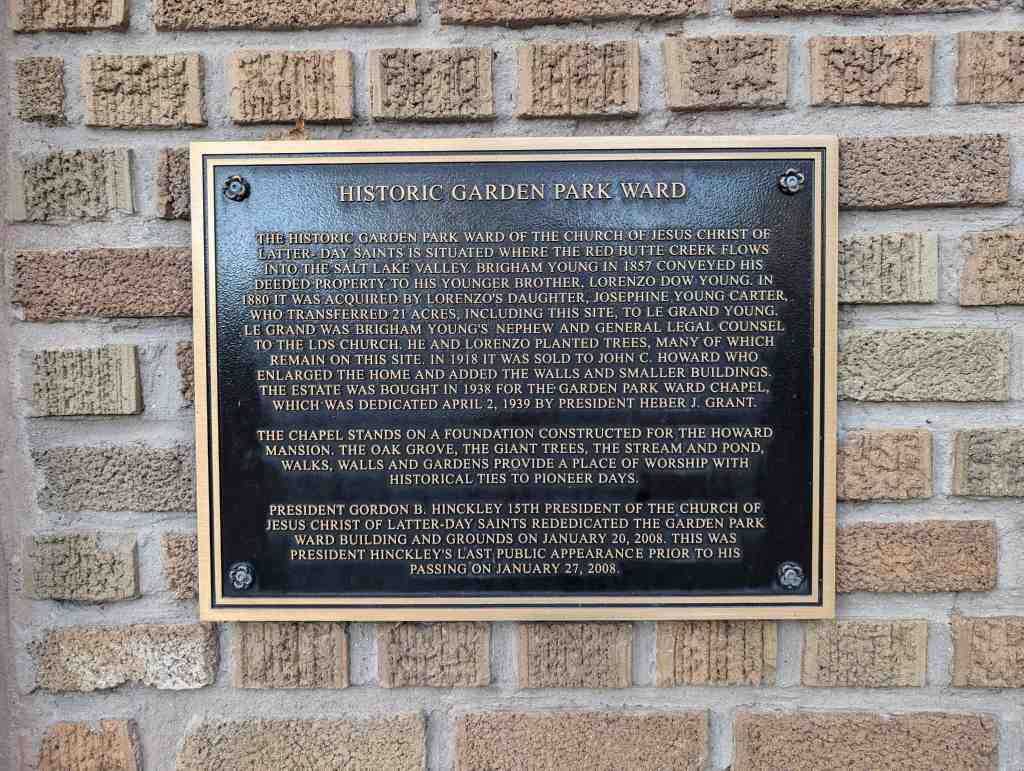
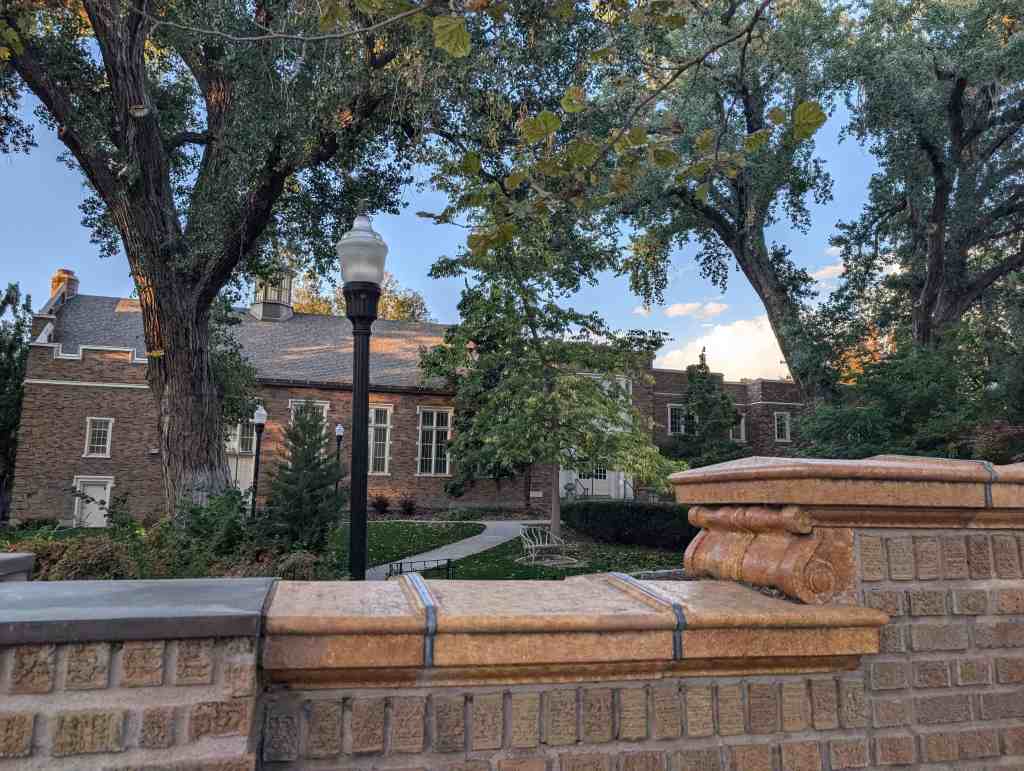
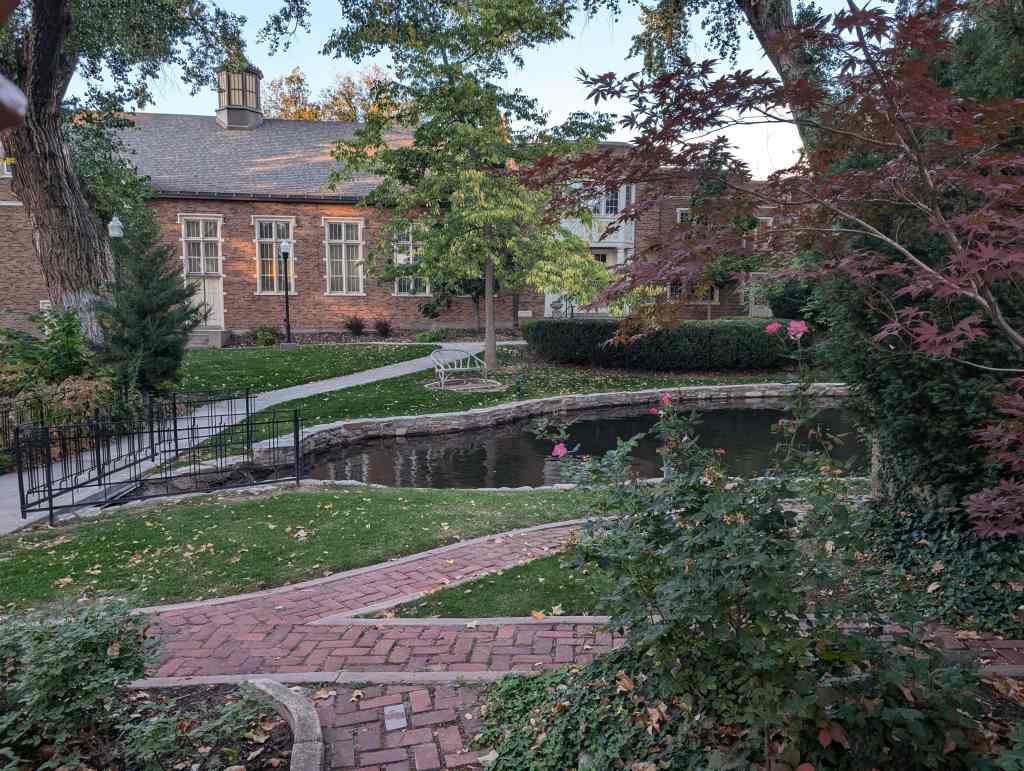
The historic Garden Park Ward of the Church of Jesus Christ of Latter-Day Saints is situated where the Red Butte Creek flows into the Salt Lake Valley. Brigham Young in 1857 conveyed his deeded property to his younger brother, Lorenzo Dow Young. In 1880 it was acquired by Lorenzo’s daughter, Josephine Young Carter, who transferred 21 acres, including this site, to Le Grand Young. Le Grand was Brigham Young’s nephew and general legal counsel to the LDS Church. Le Grand and Lorenzo planted trees, many of which remain on this site. In 1918 it was sold to John C. Howard who enlarged the home and added the walls and smaller buildings. The estate was bought in 1928 for the Garden Park Ward Chapel, which was dedicated April 2, 1939 by President Heber J. Grant.

The chapel stands on a foundation constructed for the Howard mansion. The oak grove, the giant trees, the stream and pond, walks, walls, and gardens provide a place of worship with historical ties to pioneer days.

President Gordon B. Hinckley 15th president of the Church of Jesus Christ of Latter-Day Saints rededicated the Garden Park Ward building and grounds on January 20, 2008. This was President Hinckley’s last public appearance prior to his passing on January 27, 2008.

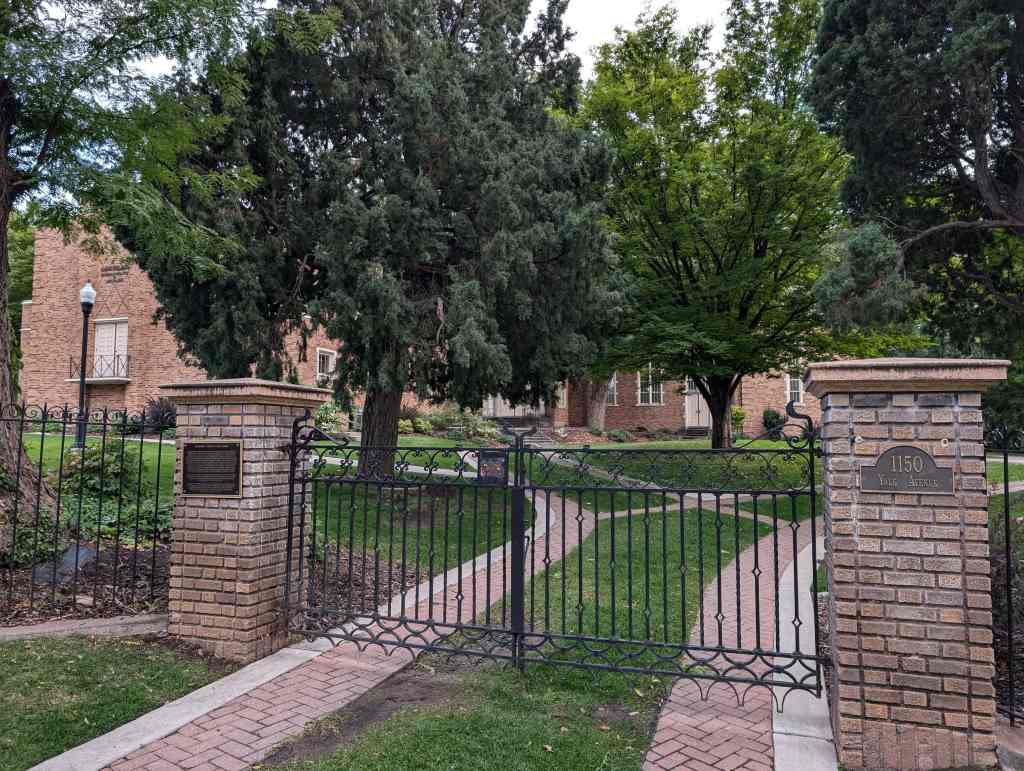
1150 East Yale Avenue in the Gilmer Park Historic District in Salt Lake City, Utah

Related Posts:

  • Historic Churches in Salt Lake
2017-07-07 15.31.55
2017-07-07 15.31.43
2017-07-07 15.31.37
2017-07-07 15.31.57
2017-07-07 15.32.02
2017-07-07 15.32.07
2017-07-07 15.32.19
2017-07-07 15.32.24
(county records)

Photos from Harvard Avenue:

The Leeds Tithing Office

22 Thursday Jun 2017

Posted by Jacob Barlow in Uncategorized

≈ 1 Comment

Tags

historic, Historic Buildings, Historic Markers, LDS Church, Leeds, utah, Washington County

2017-05-13 17.47.35

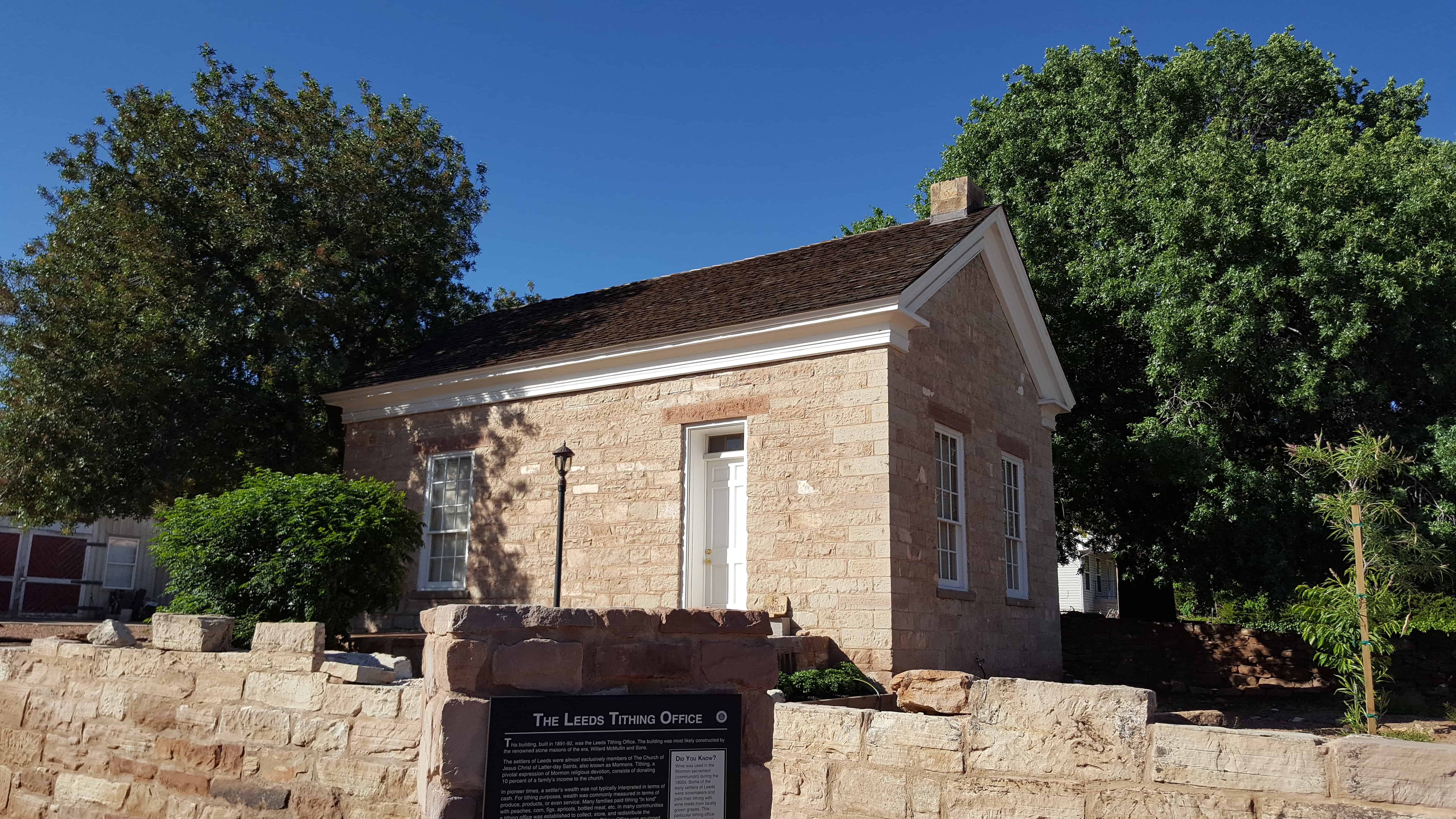
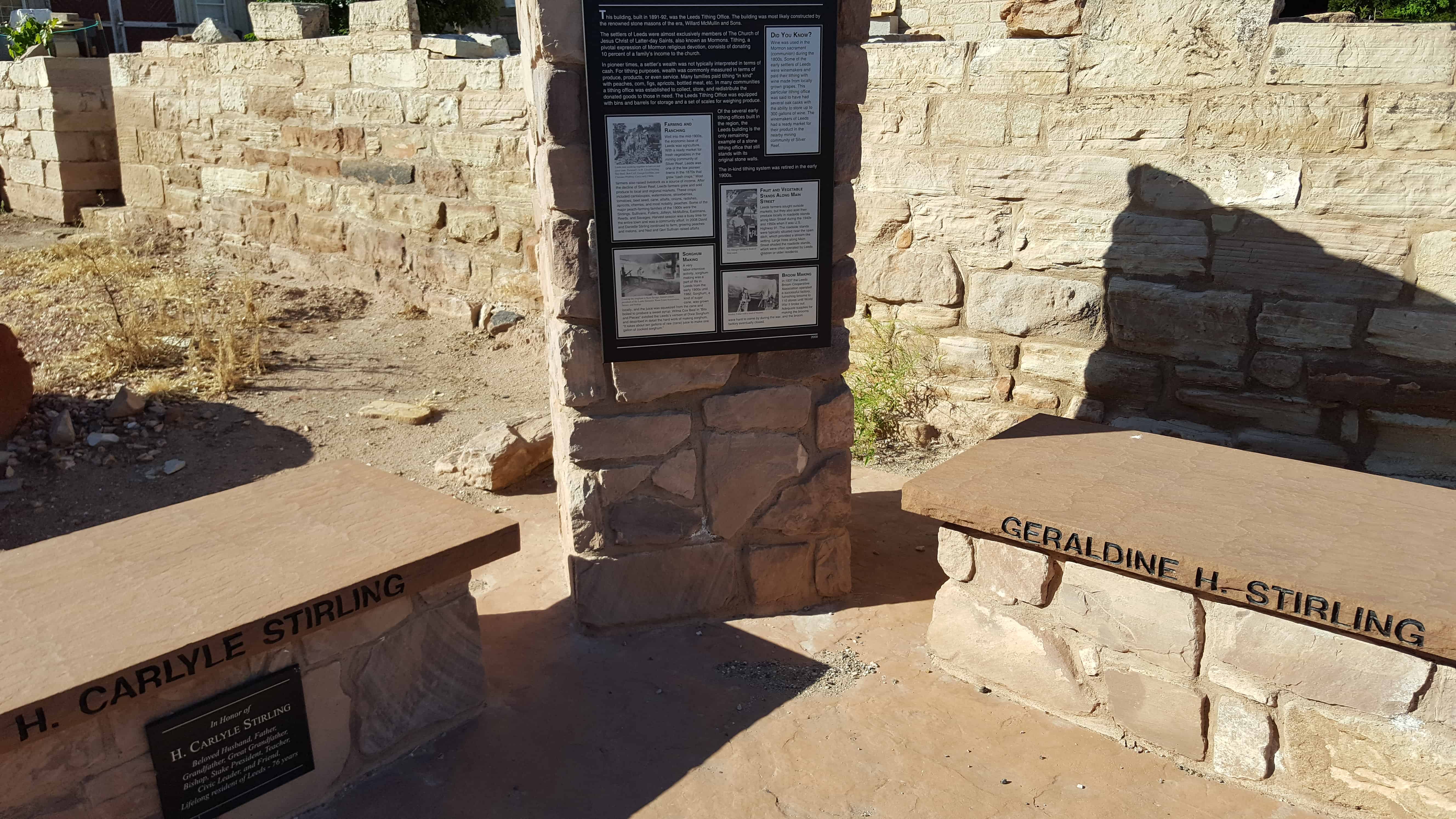
This building, built in 1891-92, was the Leeds Tithing Office. The building was most likely constructed by the renowned stone masons of the era, Willard McMullin and Sons.

The settlers of Leeds were almost exclusively members of The Church of Jesus Christ of Latter-day Saints, also known as Mormons. Tithing, a pivotal expression of Mormon religious devotion, consists of donating 10 percent of a family’s income to the church.

In pioneer times, a settler’s wealth was not typically interpreted in terms of cash. For tithing purposes, wealth was commonly measured in terms of produce, products, or even service. Many families paid tithing “in kind” with peaches, corn, figs, apricots, bottled meat, etc. In many communities a tithing office was established to collect, store, and redistribute the donated goods to those in need. The Leeds Tithing Office was equipped
with bins and barrels for storage and a set of scales for weighing produce.

Of the several early tithing offices built in the region, the Leeds building is the only remaining example of a stone tithing office that still stands with its original stone walls.

The in-kind tithing system was retired in the early 1900s.

2017-05-13 17.47.46

2017-05-13 17.47.43

2017-05-13 17.48.13

2017-05-13 17.47.51

Las Vegas Nevada Temple

26 Wednesday Apr 2017

Posted by Jacob Barlow in Uncategorized

≈ 1 Comment

Tags

Clark County, Las Vegas, LDS Church, Nevada, Temples

2017-03-19 20.04.05

The Las Vegas Nevada Temple was the first temple built in Nevada.
The angel Moroni statue of the Las Vegas Nevada Temple faces east, away from the city, symbolically heralding the Second Coming of the Lord, Jesus Christ.
Natural light streams through the breathtaking floor-to-ceiling windows of the Celestial Room of the Las Vegas Nevada Temple, projecting miniature rainbows on the walls.
The Las Vegas Nevada Temple was announced concurrently with the Portland Oregon Temple, Toronto Ontario Temple, San Diego California Temple, and Bogotá Colombia Temple.
Following the announcement of the Las Vegas Nevada Temple, members of the temple district were asked to contribute toward construction. They enthusiastically answered the call, raising $11 million—428 percent of their assessment.
Over six thousand members attended the groundbreaking ceremony for the Las Vegas Nevada Temple in the Las Vegas Convention Center downtown. The program included a videotaped presentation of Church leaders and dignitaries at the temple site turning the earth with shovels earlier that day.
During the 23-day open house of the Las Vegas Nevada Temple, 297,480 visitors toured the edifice. More than 99,000 visited the missionary pavilion following their tour, and missionaries reported that teaching appointments tripled in the valley as a result of the temple’s opening.
Dedicated in eleven sessions just before the Christmas holiday, the Las Vegas Nevada Temple was a fitting gift for the Savior of the World.
In 2012, a family history center opened in the building that had formerly housed a Distribution Services center on the grounds of the Las Vegas Nevada Temple.(*)

2017-03-19 20.00.23

2017-03-19 20.15.28
2017-03-19 20.08.34-2
2017-03-19 20.08.34-1
2017-03-19 20.04.45
2017-03-19 20.04.18
2017-03-19 20.04.05
2017-03-19 20.03.56
2017-03-19 20.03.50
2017-03-19 20.03.41
2017-03-19 20.00.23
2017-03-19 20.00.19
2017-03-19 19.59.54

← Older posts
Newer posts →

Follow Jacob

Follow Jacob

Come wander with me on Youtube.

Blog Stats

  • 2,106,329 hits

Social and Other Links

BarlowLinks.com

Recent Posts

  • Scout Monument
  • Provo High School Seminary Building
  • 821 E 100 S
  • 820 E 100 S
  • 817-819 E 100 S

Archives

Loading Comments...