Waterman Junction Museums
25 Saturday Feb 2017
Posted in Uncategorized

25 Saturday Feb 2017
Posted in Uncategorized
22 Wednesday Feb 2017
Posted in Uncategorized
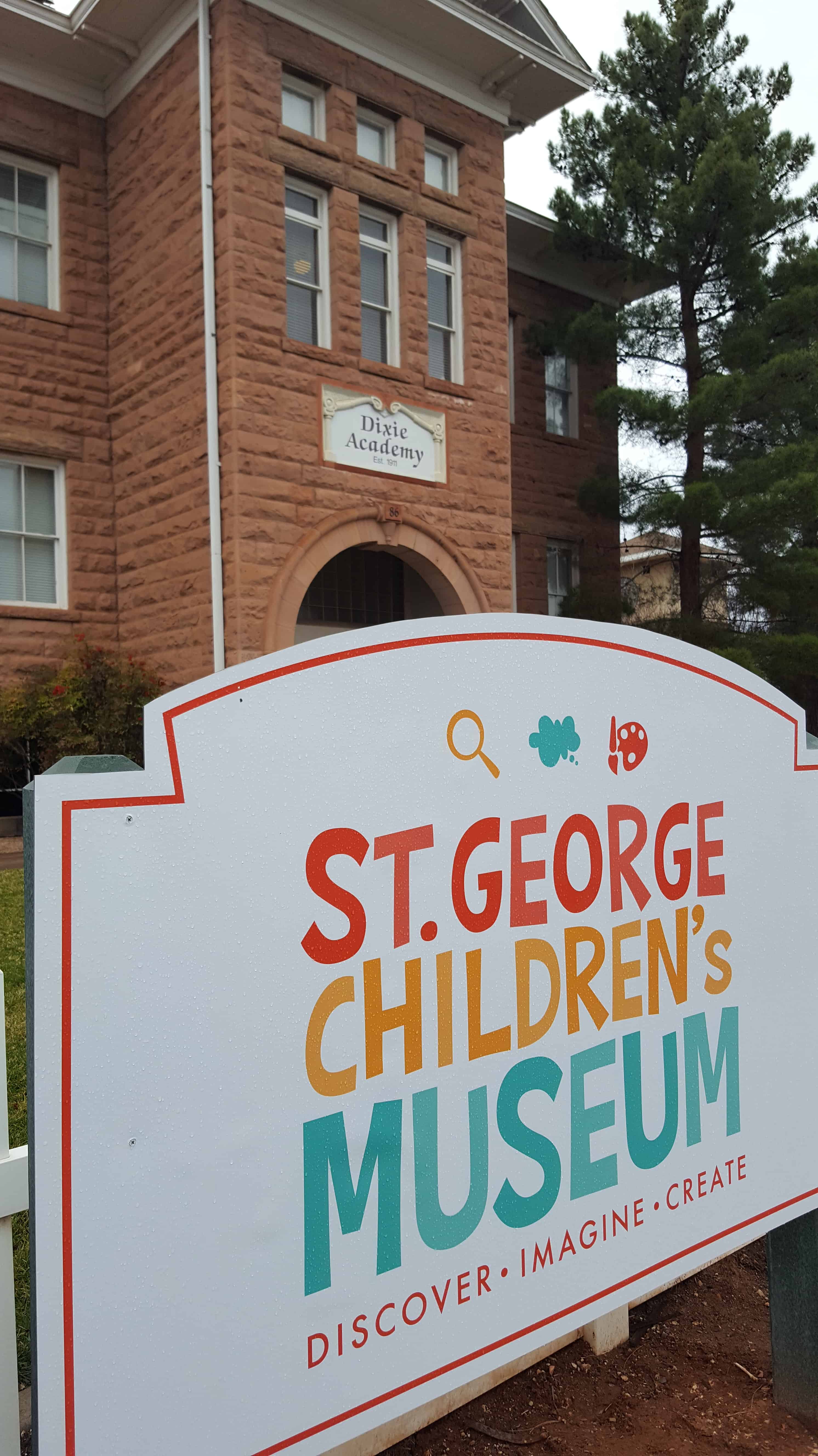
Located in the historic Dixie Academy, The St. George Children’s Museum encourages its guests to touch, feel, play, and explore in our ten exhibit rooms. The rooms are designed to encourage interaction between adults and children. Minds both old and young will discover a world of imagination as they play and interact with the museum exhibits. It is the museum’s goal to offer and provide educational opportunities for all children and adults to learn and grow.
“Discover, Imagine, and Create” is the museum’s motto for a particular reason. Everything the museum provides, all the specific designs of each exhibit piece, and every activity planned and offered strives to provide a way for its guests to discover, imagine, or create. Discover new worlds, participate in imaginative play, and create fun with us at the St. George Children’s Museum.(*)


17 Saturday Dec 2016
Posted in Uncategorized
Tags
Eureka, Juab County, museums, NRHP, utah
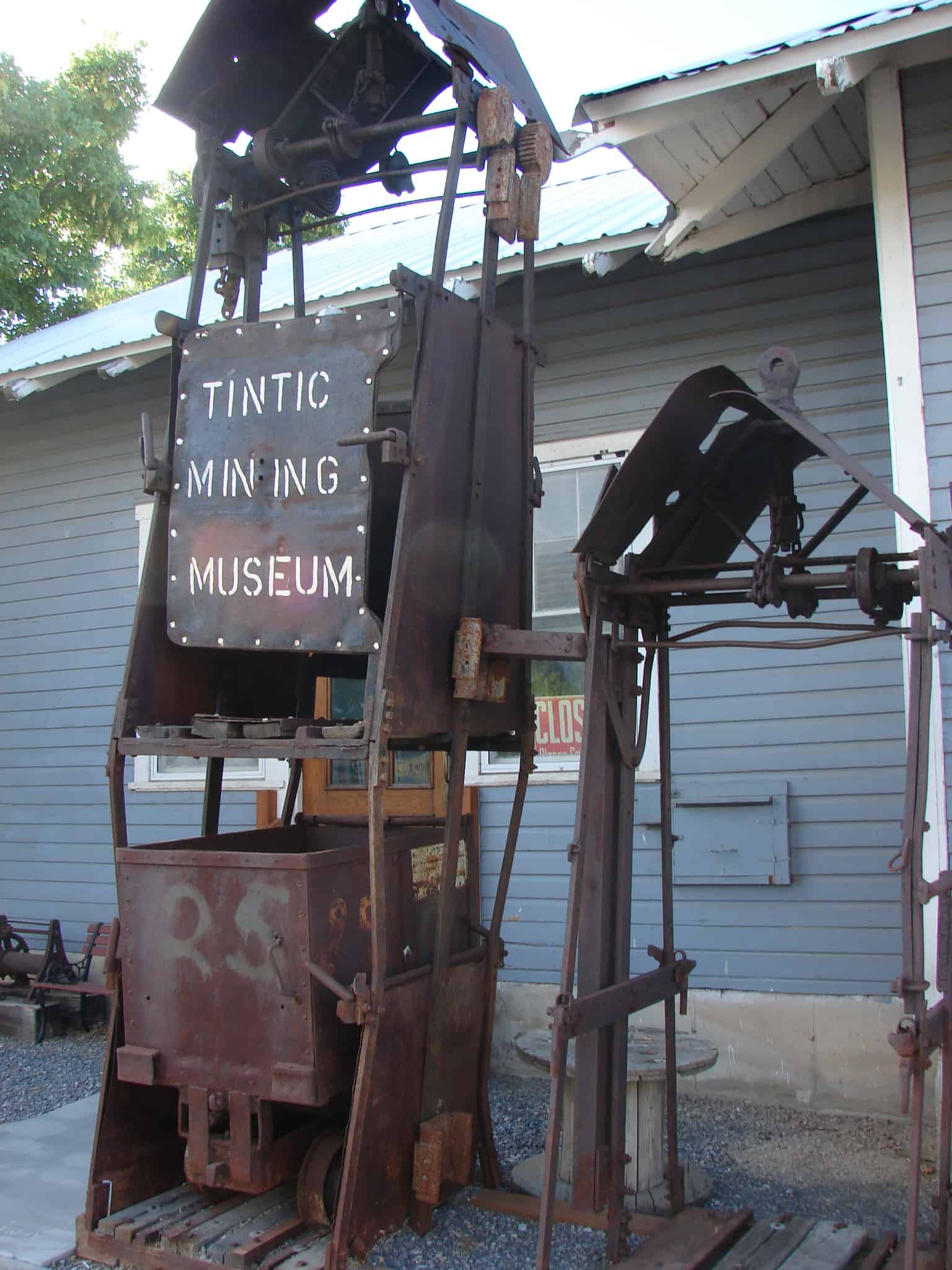
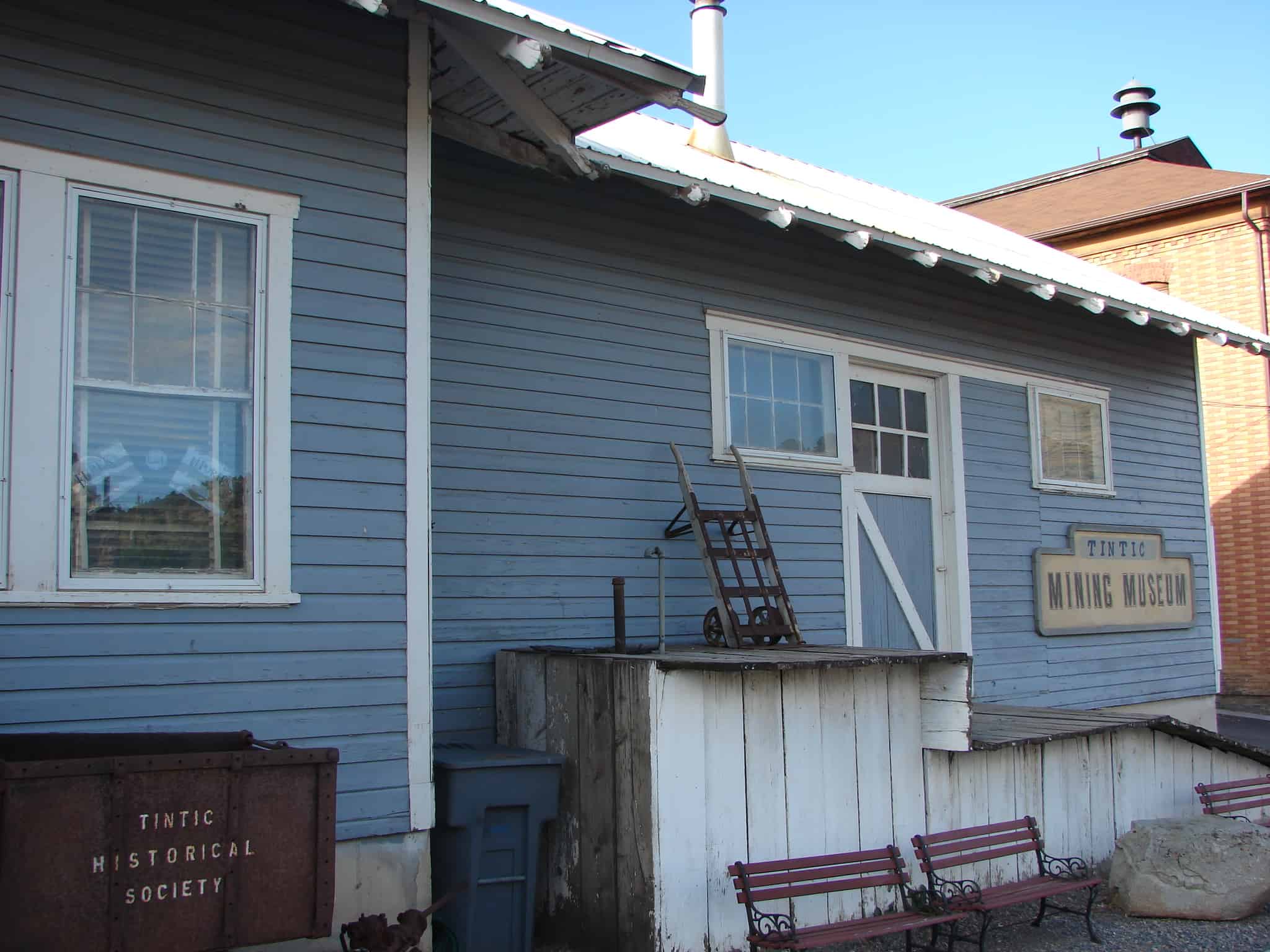
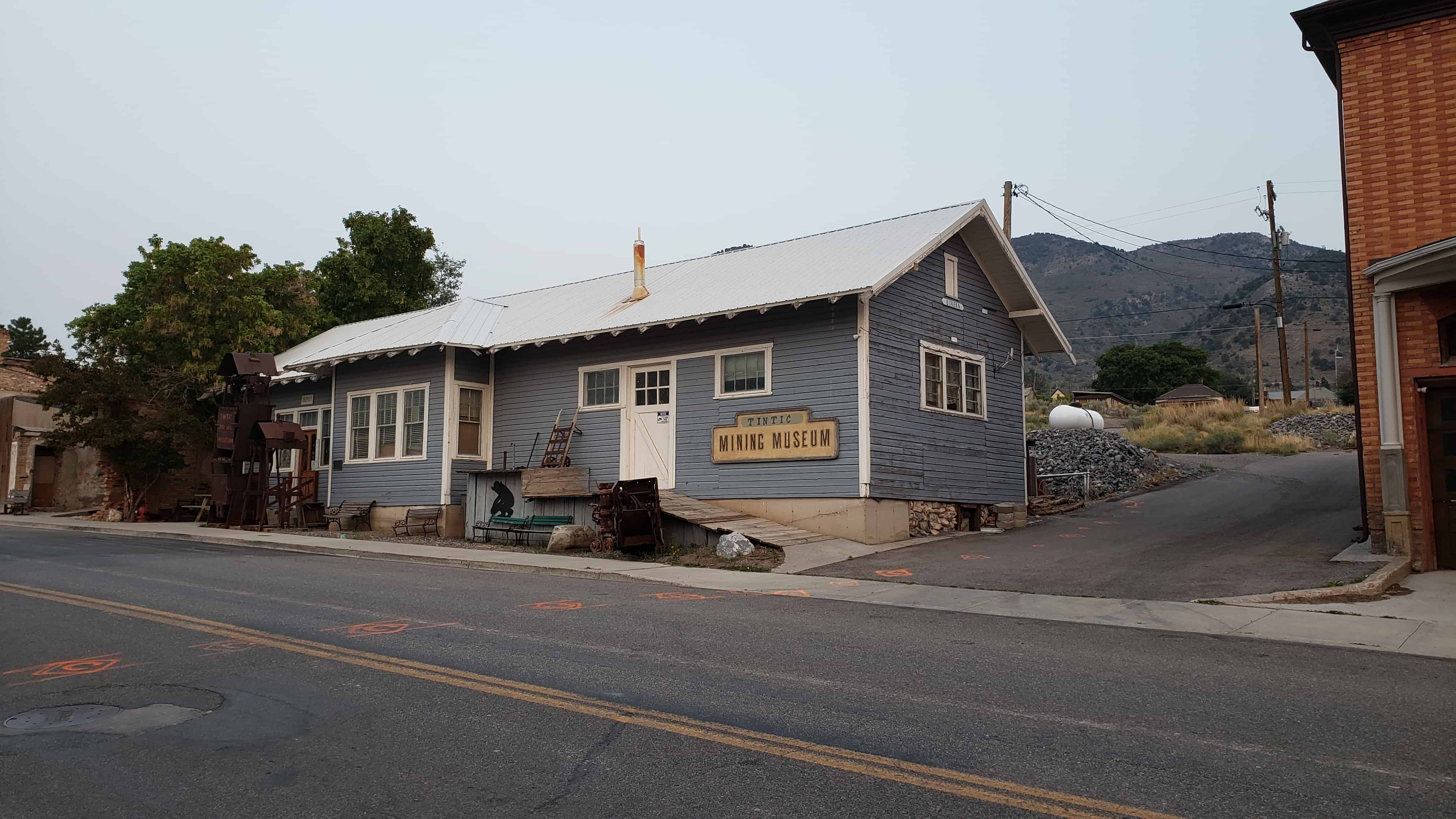
Located on Main Street in the small town of Eureka Utah is the Tintic Mining Museum. This Museum is filled with relics from this towns history dating back to the late 1800’s. As you make your way through the museum you can view several of the minerals that are common to this area. Exhibits of old mining tools, mining relics and other historical artifacts are on display.
Located at 241 W Main Street in Eureka, Utah




15 Thursday Dec 2016
Posted in Uncategorized
Tags
historic, Historic Homes, Manti, museums, NRHP, Sanpete County, utah
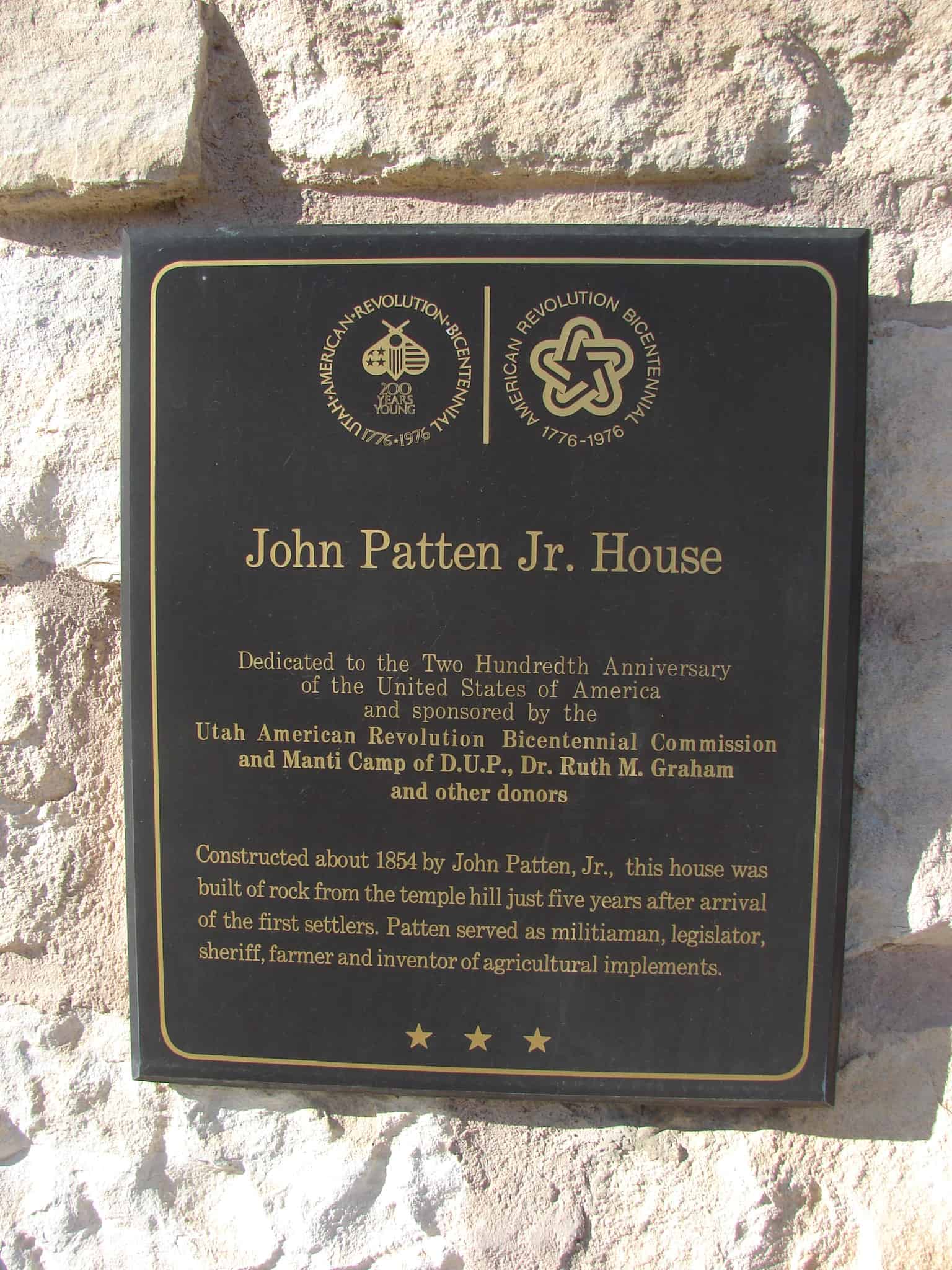
John Patten Jr. House
Dedicated to the Two Hundredth Anniversary
of the United States of America
and sponsored by the
Utah American Revolution Bicentennial Commission
and Manti Camp of D.U.P, Dr. Ruth M. Graham
and other donors
Constructed about 1854 by John Patton, Jr., this house was built of rock from the temple hill just five years after arrival of the first settlers. Patton served as militiaman, legislator, sheriff, farmer and inventor of agricultural implements.
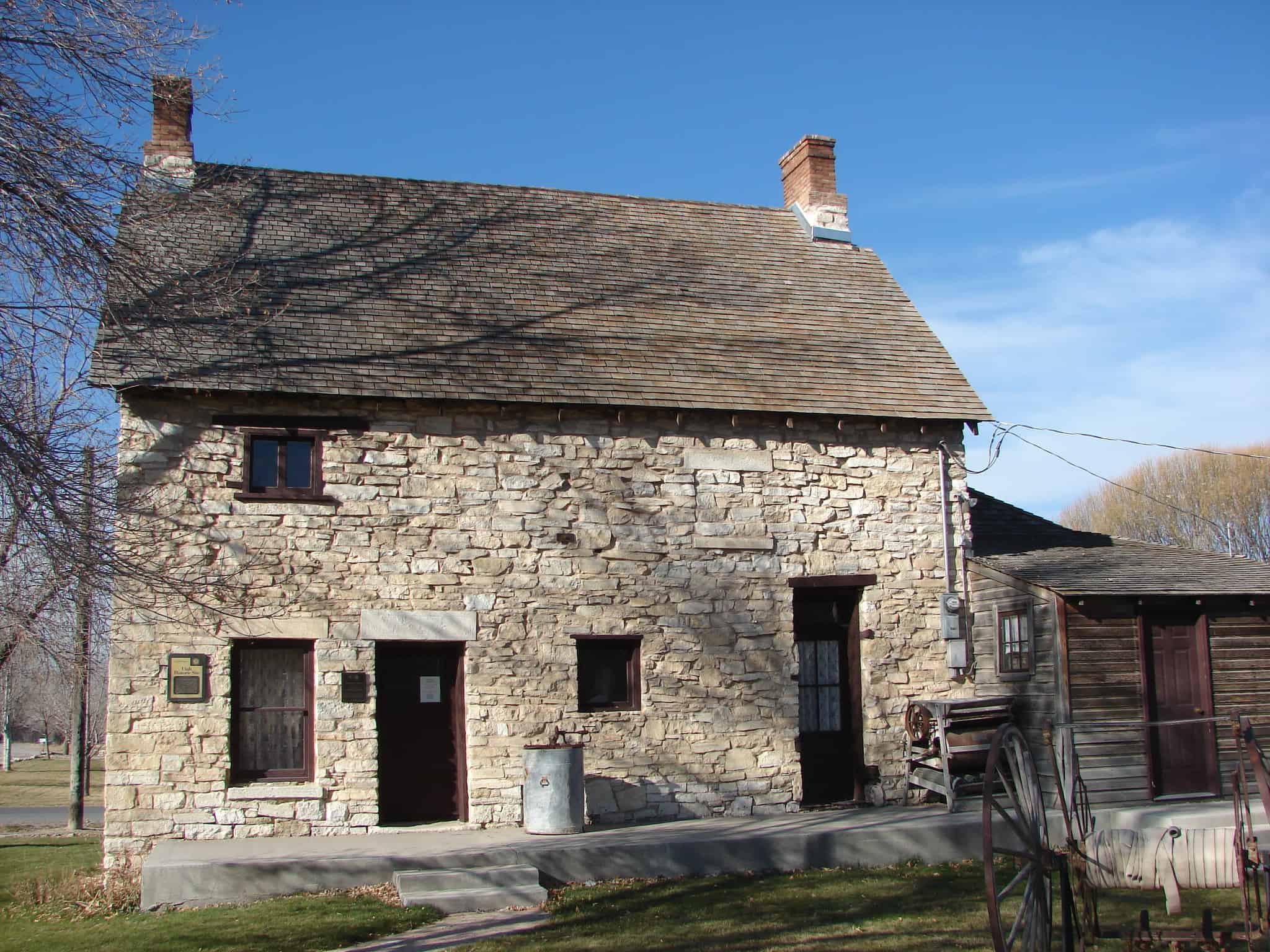
The John Patten House was constructed c.1854 of limestone. John Patten came to Utah in 1850 and settled in Manti. He was active in community affairs serving as a representative to the Utah Territorial Legislature, Sheriff of Sanpete County and a member of the City Council. The vernacular style house is an excellent example of early pioneer stone construction in Utah. The house was acquired May 23, 1976 with the assistance of a grant from the Utah Bicentennial Commission and the help of Dr. Ruth Graham, a descendant of John Patten.

The John Patten House is located at 84 West 300 North in Manti, Utah and was added to the National Historic Register on (#77001315) August 22, 1977.
The two-story limestone home built by John Patten, Jr., c. 1854 is a well-preserved example of early vernacular Mormon architecture in Utah. Patten played a prominent role in the settlement of Manti, established in 1849 as one of the earliest of approximately 400 colonies in the “Mormon Corridor.”
John Patten was born in Fairplay, Green County, Indiana, June 20, 1825. His family was among the earliest converts to the Church of Jesus Christ of Latter-day Saints (Mormon Church). As John grew up, he experienced the many persecutions of the Mormons in Missouri and in 1839 was among those to sign a covenant of protection and removal, authored by Brigham Young in response to an order of extermination by General Clark of Missouri. Patten came to Utah in 18SO and located in Manti, one of Utah’s oldest cities, where he assisted in building the first fort in 1852. He took an active part in the Walker and Black Hawk wars and was one of three witnesses to receive a treaty of peace and deed to Sanpete County from Arapine, Chief of the Ute Indians, May, 1855. Patten was prominent in civic activities, serving as a representative to the Territorial Legislature, Sheriff of the county and member of the City Council. He was married in Manti to Candace Smith who later died, leaving two sons and three daughters. He was married again to Emily, a widow and sister of his first wife. She had three sons and two daughters.
Patten was a farmer by occupation. He built the Patten Reservoir and Patten Ditch, an irrigation system still in use which runs water to farmland five miles north of Manti. Somewhat of an inventor, Patten is credited with constructing the first “go-devil,” a device used to lay off furrows for irrigation flow in farm fields. As a sideline, he also tried to develop a “perpetual motion” machine.
John Patten built his two-story limestone home c. 1854 after living next to the oolitic limestone quarry for a few years. The vernacular style home represents the earliest and most primative form of stone masonry construction in pioneer Utah. The walls of the home were laid in coursed rubble using crude mud mortar, most of which has washed away. Local residents call this mode of construction “dry wall.” The two-overtwo plan with dirt floor cellar also documents a typical early Mormon pioneer plan type. Although some alterations and small additions of brick and wood have been made, the John Patten Home is basically well-preserved. The home was lived in continuously until 1975 when it became a museum for the Daughters of the Utah Pioneers.
14 Wednesday Dec 2016
Posted in Uncategorized
Tags
Anasazi, Boulder, Garfield County, museums, NRHP, State Parks, utah

Anasazi State Park Museum (formerly Anasazi Indian State Park) is a state park and museum in Southern Utah, United States, featuring the ruins of an ancient Anasazi village referred to as the Coombs Village Site.
The Coombs Site is the site of one of the largest Anasazi communities known to have existed west of the Colorado River. The name Anasazi, Navajo for “Ancient Enemies,” or “Enemies of Our Ancestors” describes the Pueblo culture that existed in the Four Corners area from about 1 AD to 1300 AD. This village is believed to have been occupied from 1160 AD to 1235 AD. As many as 250 people lived there.
The village is largely unexcavated, though there was a brief excavation during 1958 and 1959, conducted by the University of Utah as part of the Glen Canyon Dam Project. During that excavation, archaeologists uncovered thousands of artifacts, and discovered a community of about 90 rooms divided into two separate one-story apartment complexes. An L-shaped building has been reconstructed and can be entered into by visitors. The cluster featured open shelters for working in the shade, storage pits, and adobe pit houses large enough for five or six residents. All together, about 100 structures have been found.
The Coombs Village Site is part of Anasazi State Park Museum at 460 North Highway 12 in Boulder, Utah and was listed on the National Historic Register on (#76001815) on January 1, 1976


07 Monday Nov 2016
Posted in Uncategorized
Tags

Located in Bountiful is a private family museum for the Wood family. It’s a cool looking historic old building they built for that purpose.
The Bountiful Area Historic Site plaque says:
George C. Wood Home and Vineyard
George C. Wood built this original small rock house in 1879. With his wives Adelaide Ridges and Juliett Howard he reared a large family and the house grew with them. His large vineyard included 55 acres of 38 varieties of grapes. He also planted nut trees and melons of different varieties. He raised the first turkey red wheat in the county and also sugar cane from which be made molasses and sorghum. Son Wilford Wood established a fur business on the premises. He also expanded the structure for his private historical collection. On May 22, 1961 the home was honored by President David O. McKay dedicating it as “Mother’s Home of Learning.”
Historic marker donated by Wilford Wood Melchizedek Priesthood Foundation
Related Posts:
Located at 3603 South 550 West in Bountiful, Utah


07 Friday Oct 2016
Posted in Uncategorized
Tags
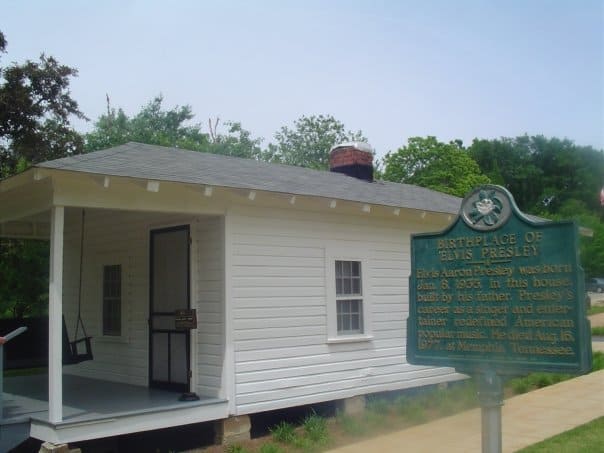
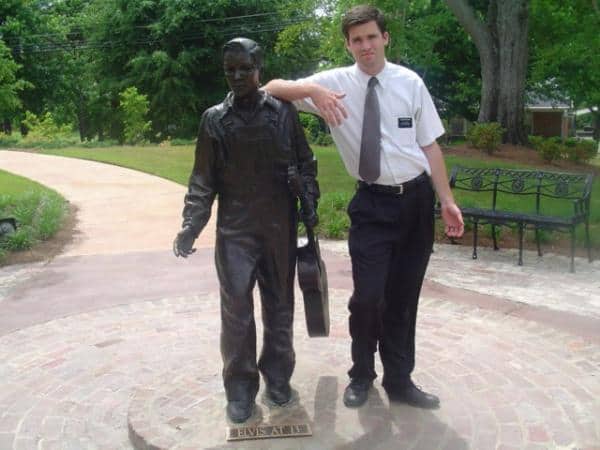
The Elvis Presley Birthplace is a historic museum site in Tupelo, Mississippi dedicated to the preservation of the birthplace of American musician Elvis Presley, as well as listed on the Mississippi Blues Trail.
The museum site includes the birthplace home of Elvis Presley, a museum, a chapel, and the Assembly of God Church building where the Presley family worshiped. Financially, times were hard on Vernon and Gladys, and they had to move out of the shotgun house when he was only a few years old for lack of payment. Vernon and Gladys worked various jobs while in Tupelo and moved several different times during the thirteen years they resided in Mississippi.


25 Sunday Sep 2016
Posted in Uncategorized
Tags
Bells, Box Elder County, Chapels, Corinne, historic, Historic Churches, Methodist, museums, Protestant, utah

Methodist Episcopal Church
Peak Enrollment 127 in 1915
1870 – 1957
This is the oldest extant Protestant church building in Utah. It was dedicated by Chaplain C. C. McCabe and Reverend G. M. Peirce on September 20, 1870.
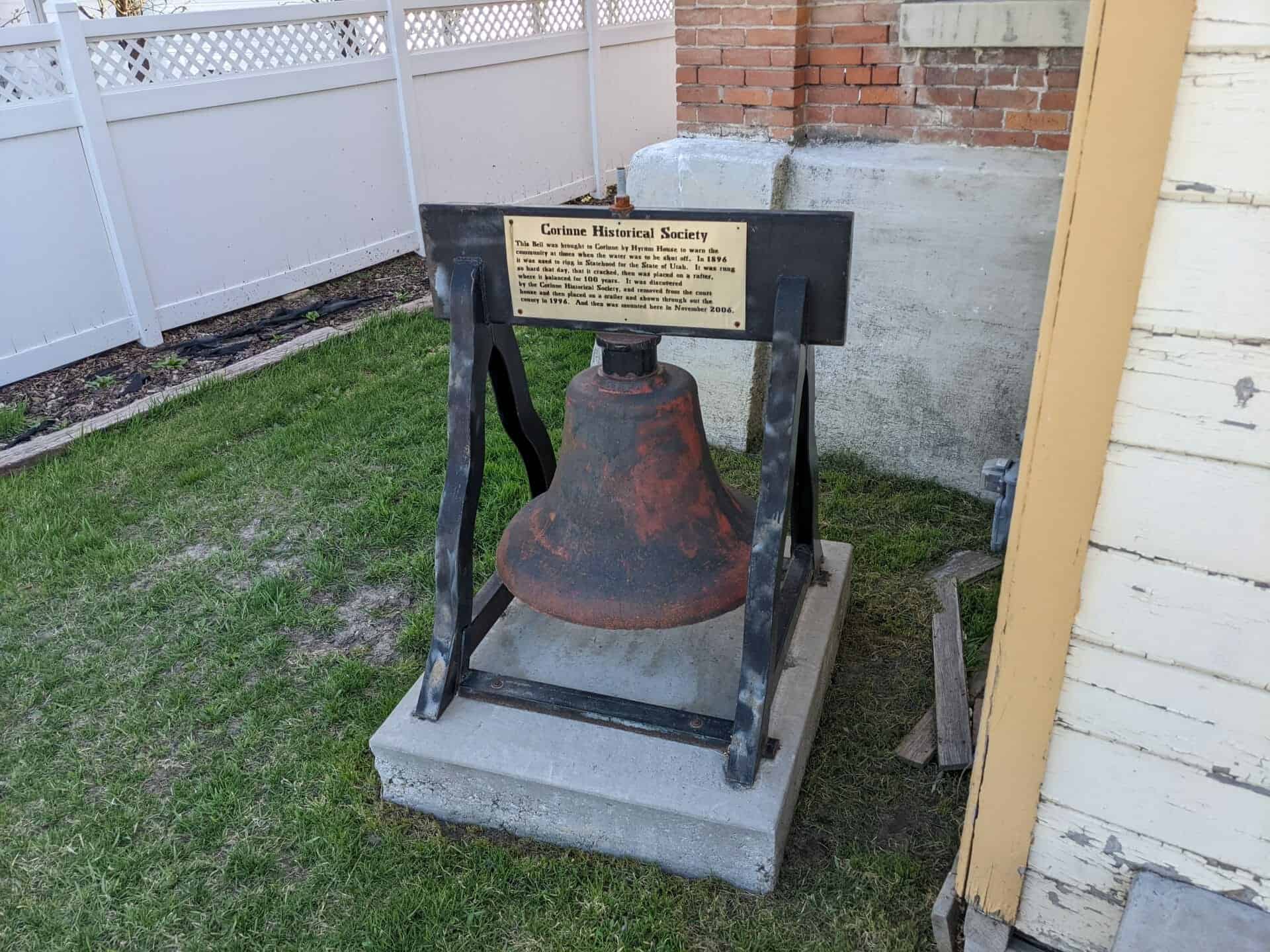
Corinne Historical Society
This bell was brought to Corinne by Hyrum House to warn the community at times when the water was to be shut off. In 1896 it was used to ring in the Statehood for the State of Utah. It was rung so hard that day, that it cracked, then was placed on a rafter, where it balanced for 100 years. It was discovered by the Corinne Historical Society, and removed from the court house and then placed on a trailer and shown through out the county in 1996. And then was mounted here in November 2006.
Located at 3995 West 2300 North in Corinne, Utah


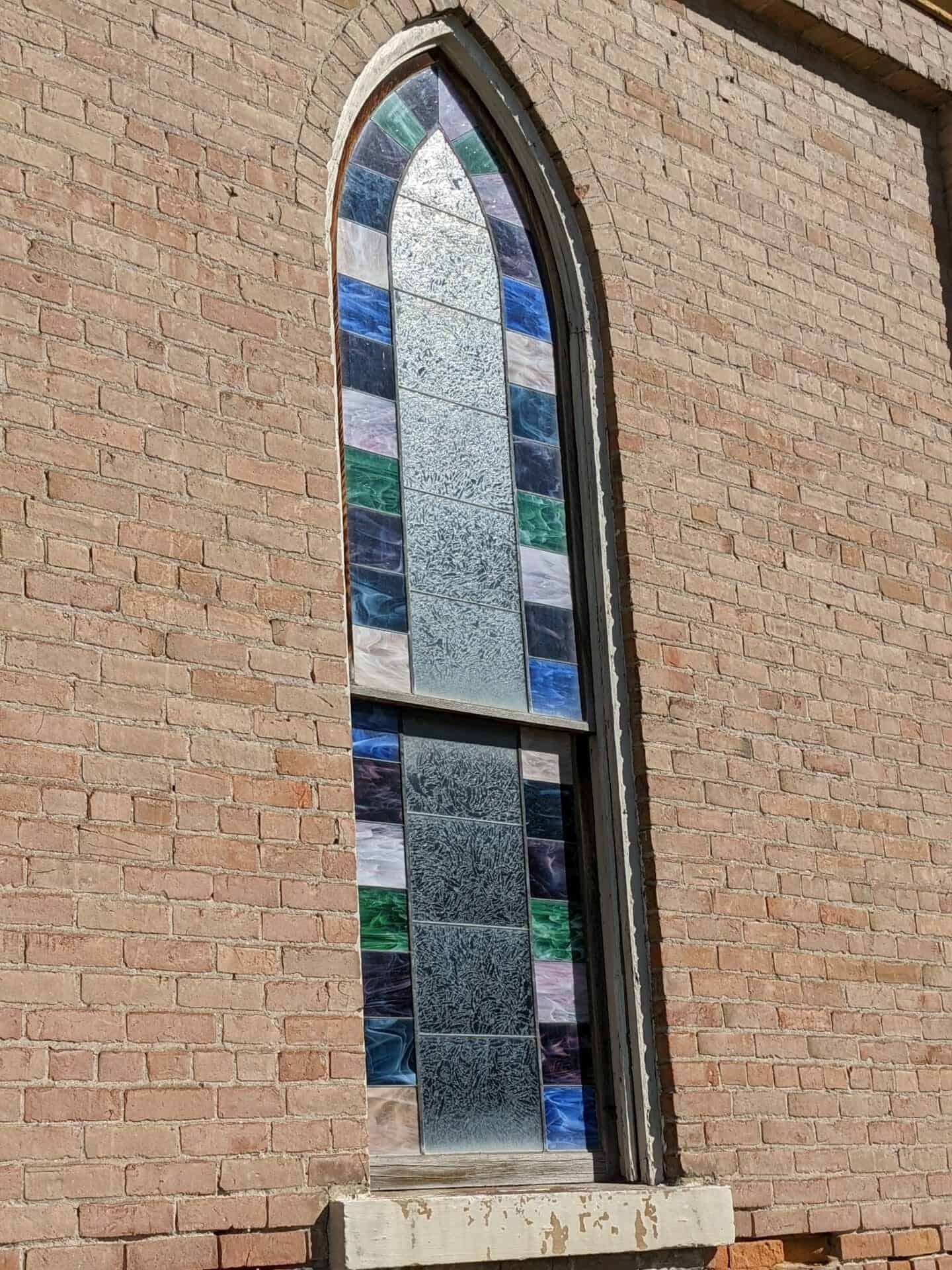


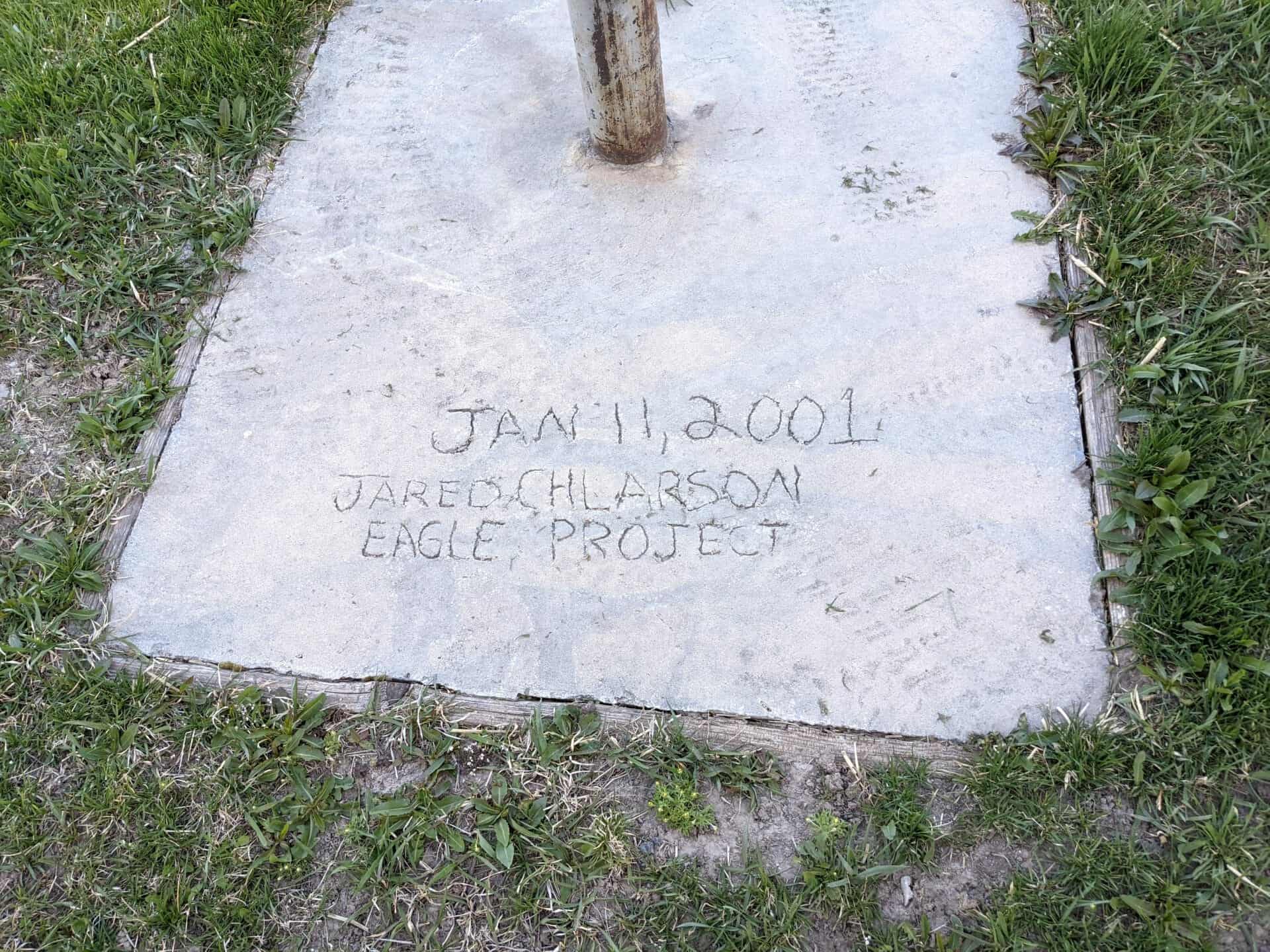


The Corinne Methodist Episcopal Church, located at 3995 West 2300 North in Corinne, Utah was added to the National Register of Historic Places (#71000842) on May 14, 1971. The text below is from the nomination form from when it was added to the register.
Corinne, Utah lays claim to several distinctive features. It was Utah’s First “Gentile” City, having been dreamed of in 1868, but born and built during March and April, 1869, when the Union Pacific Railroad tracks reached there, It was the last U.P.R.R. track town on the transcontinental line, having 1500 inhabitants within a month and 3,000 by the end of April, It was laid out by J. E. Hause, chief engineer for the Union Pacific Railroad. Its name came either from Corinne Williamson, daughter of General J. A. Williamson, and the first white child born in the new town or from the actress who performed there on several occasions, Corinne LaVaunt.
By February, 1870, Corinne had been incorporated. Within another year an all gentile “school,” taught by Mr. A. B. Glockner, reported to have been Utah’s first “free public education” system, was organized. In addition, being a non-Mormon community of size and promise, Corinne is claimed as the birthplace of Utah’s American Liberal Party. The town asked to be made Utah’s capital and later to be annexed to Idaho.
Corinne is distinctive in Utah, because it was settled rapidly by non-Mormons. Within two years three protestant and one Catholic church had been organized. The first church in this “City of the Un-Godly,” probably was the Corinne Methodist Church; Reverend G. M. Pierce delivered his first sermon June 15, 1870, in the opera house, sought donations, and soon raised $4,000 for construction of the church. It was dedicated September 20, 1870.
Corinne retained a prominence as the northern-most point of the transcontinental railroad. However, in time, Ogden became the junction for the Utah Northern Railroad, which replaced the lucrative freighting enterprise centered at Corinne. Later, when Lucin Cutoff crossed the Great Salt Lake south of Promontory, the traffic through Corinne was further reduced.
The town held on and at times has been revived somewhat by mining and irrigated farming booms. Today it is the center of a small farming community.
Corinne was unusual. It represents the first Gentile inroad into Utah. Here the protestants first undertook to “convert” the Mormons. The old church today remains as the only tangible reminder of that role and that era.
19 Monday Sep 2016
Posted in Uncategorized

The Utah Museum of Contemporary Art has been an award-winning aesthetic force and community leader since it was established in 1931. Located in the heart of downtown Salt Lake City, UMOCA encourages exploration into what it means to exist in today’s world through art that inspires imagination, stimulates thought, and transforms society. The Museum connects people around the contemporary art practice of Utah and beyond to shape an engaged and thoughtful global citizenry. UMOCA strives to be a place where all points of view, experiences, and ages feel welcome to explore the pressing issues of our time through socially relevant art exhibitions and programming.
UMOCA is a five-time recipient of funding from the Andy Warhol Foundation and a 2015 and 2016 recipient of the Art Works Grant awarded by the National Endowment for the Arts .

15 Thursday Sep 2016
Posted in Uncategorized
Tags
Art, historic, Historic Buildings, museums, Springville, utah, utah county
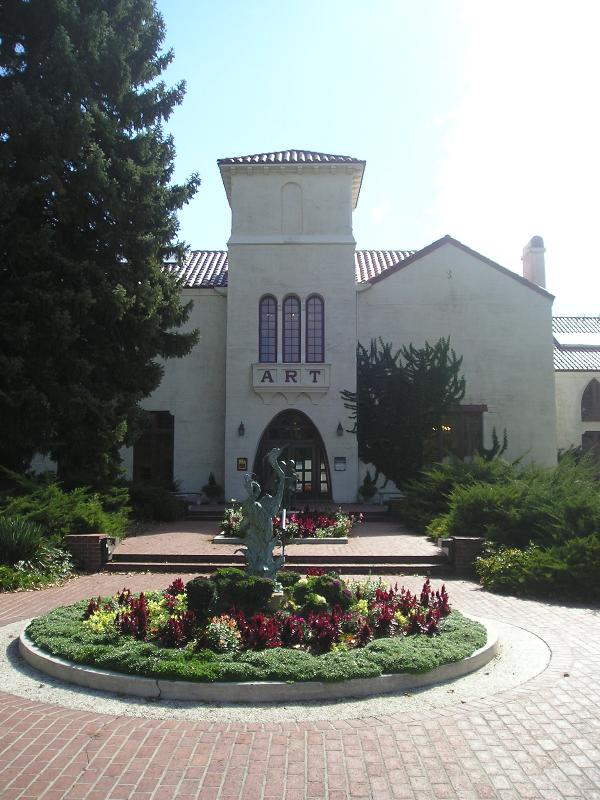
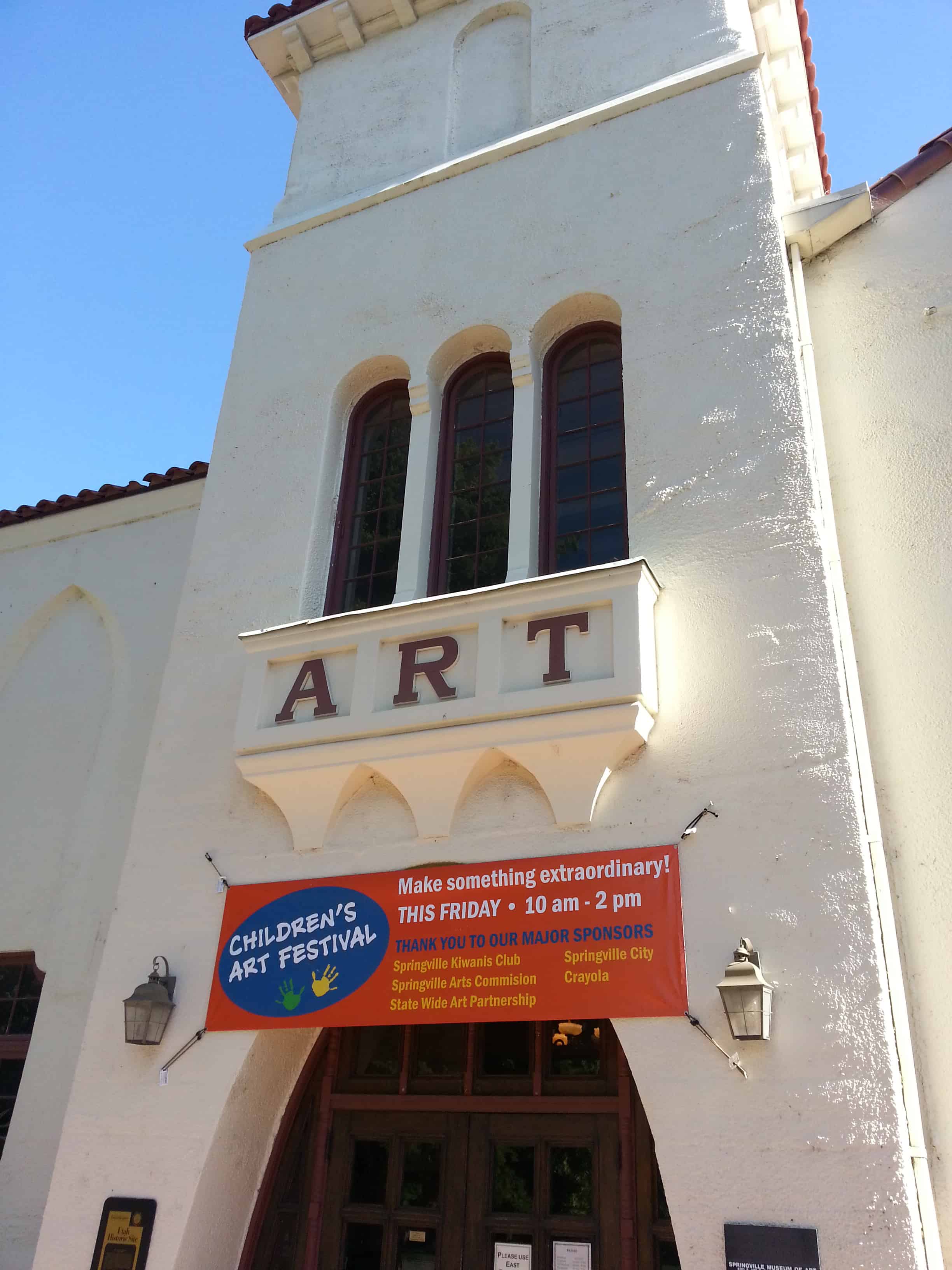
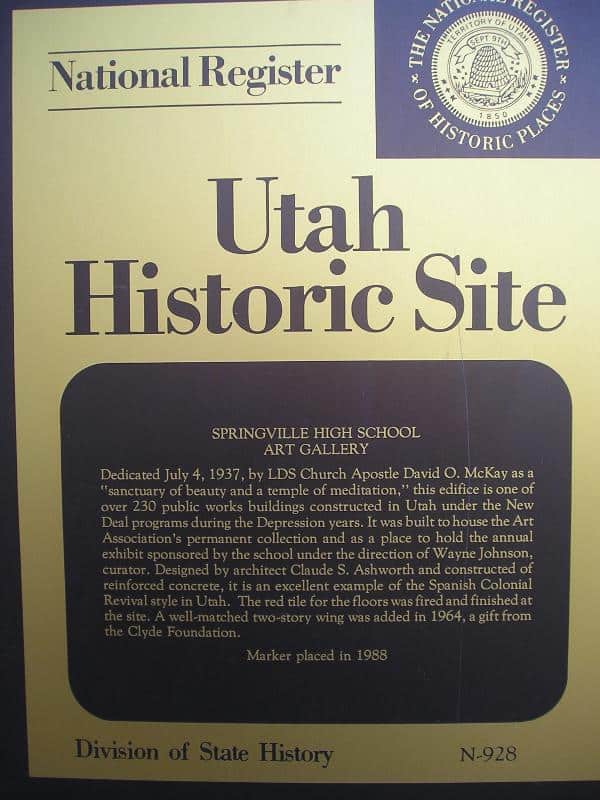
The Springville Museum of Art, on the U.S. National Register of Historic Places as the Springville High School Art Gallery.
The Springville Museum of Art was built in 1937 as a WPA project during the Great Depression. It was designed by Claud S. Ashworth in the Spanish Colonial Revival style of architecture. It is a municipal art museum (Springville, UT has given itself the nickname “Art City,” and the museum is featured prominently in its seal)and free and open to the public, although they do accept donations. It has over 1500 works of art in its permanent collection. It features fine works by Utah artists, as well as a significant collection of twentieth century American realism and Soviet Socialist Realism from the 1930’s to the 1970’s.
Related Posts:
47th Annual Utah All-State High School Art Show