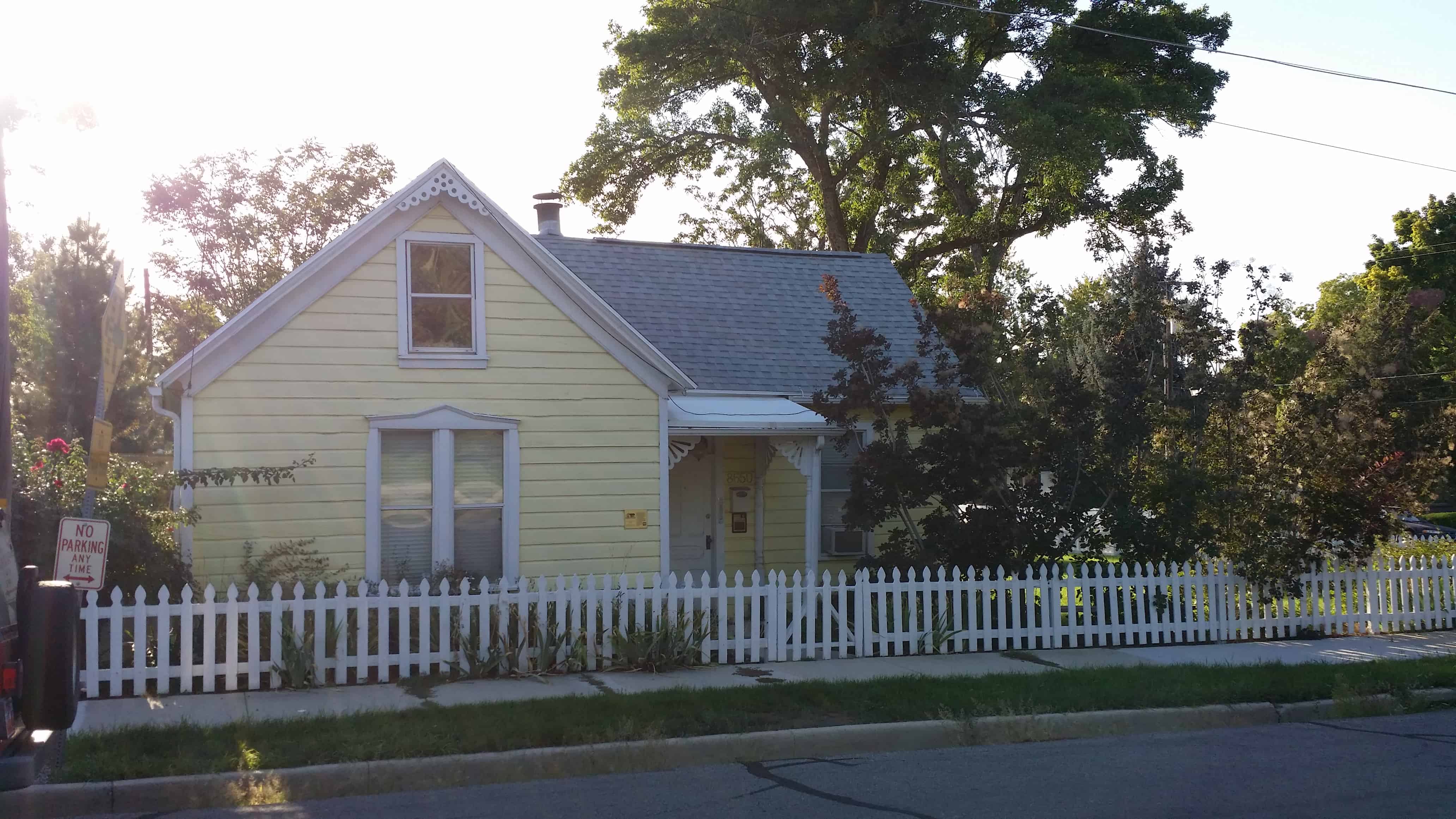
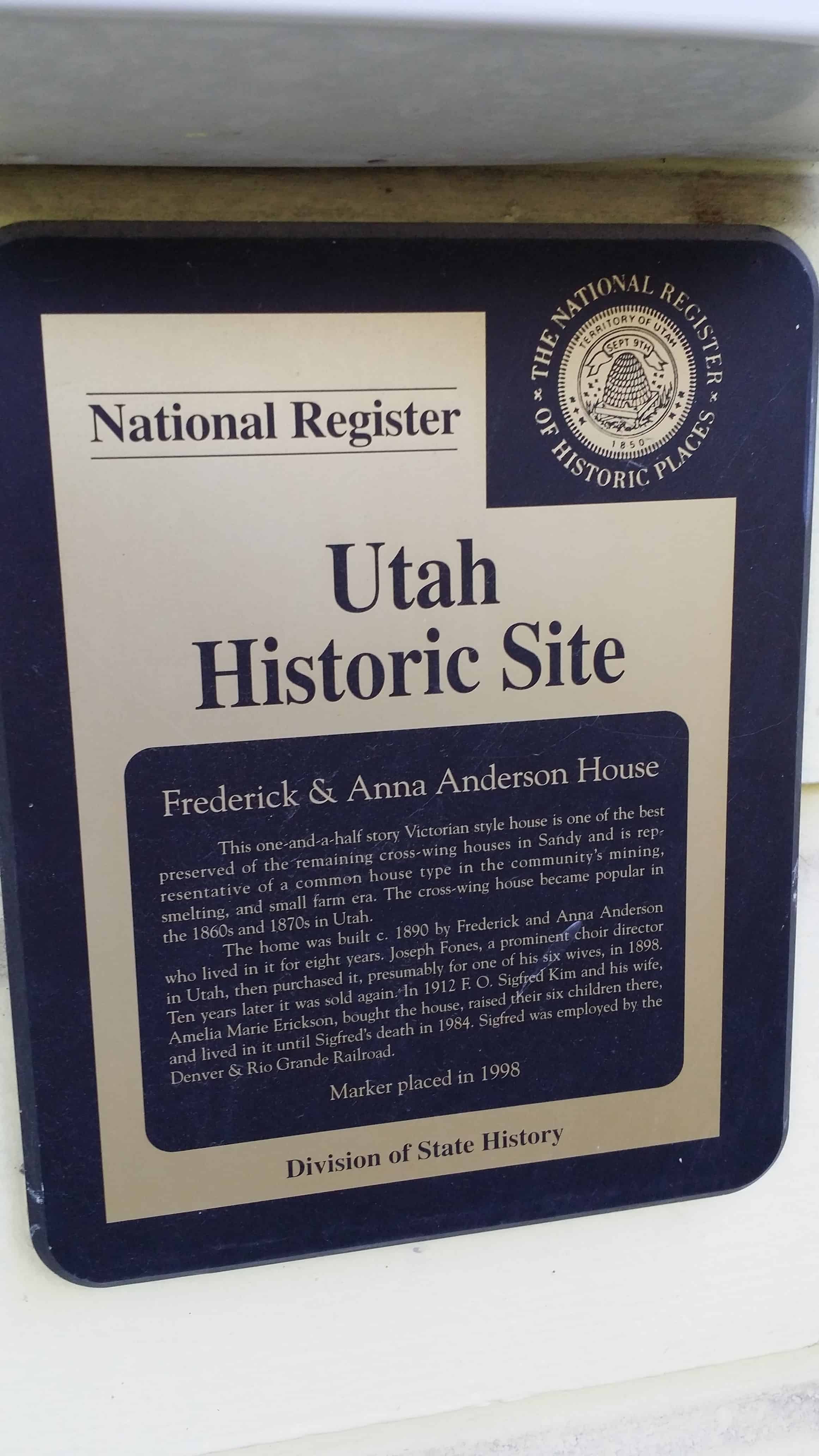
This one-and-a-half story Victorian style house is one of the best preserved of the remaining cross-wing houses in Sandy and is representative of a common house type in the community’s mining, smelting, and small farm era. The cross-wing house became popular in the 1860s and 1870s in Utah.
The home was built c. 1890 by Frederick and Anna Anderson who lived in it for eight years. Joseph Fones, a prominent choir director in Utah, then purchased it, presumably for one of his six wives, in 1898. Ten years later it was sold again. In 1912 F.O. Sigfred Kim and his wife, Amelia Marie Erickson, bought the house, raised their six children there, and lived in it until Sigfred’s death in 1984. Sigfred was employed by the Denver & Rio Grande Railroad.
The above text is from the plaque on the home, placed in 1998. The home is located at 8650 South Center Street in the historic sandy area of Sandy, Utah
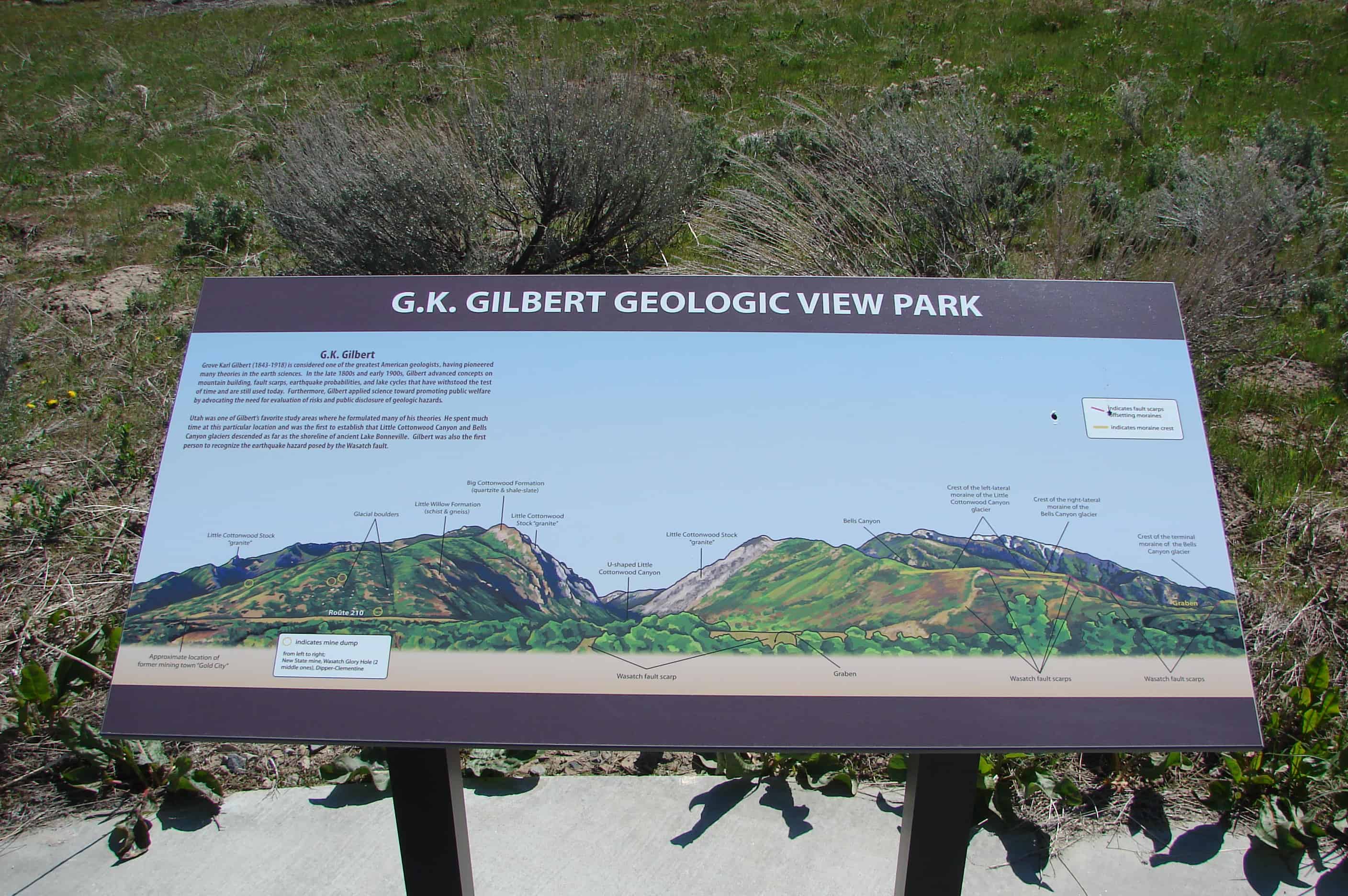
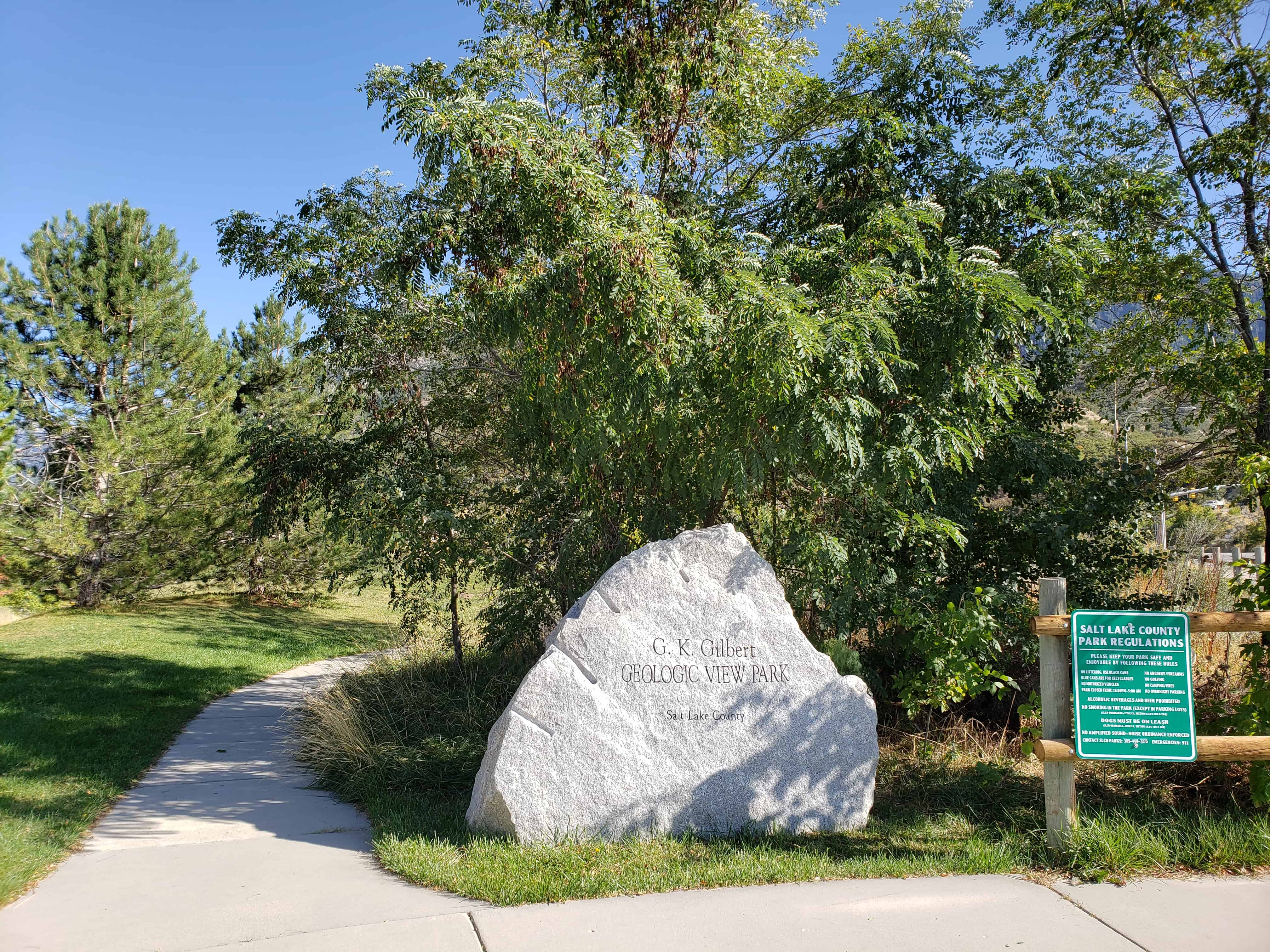
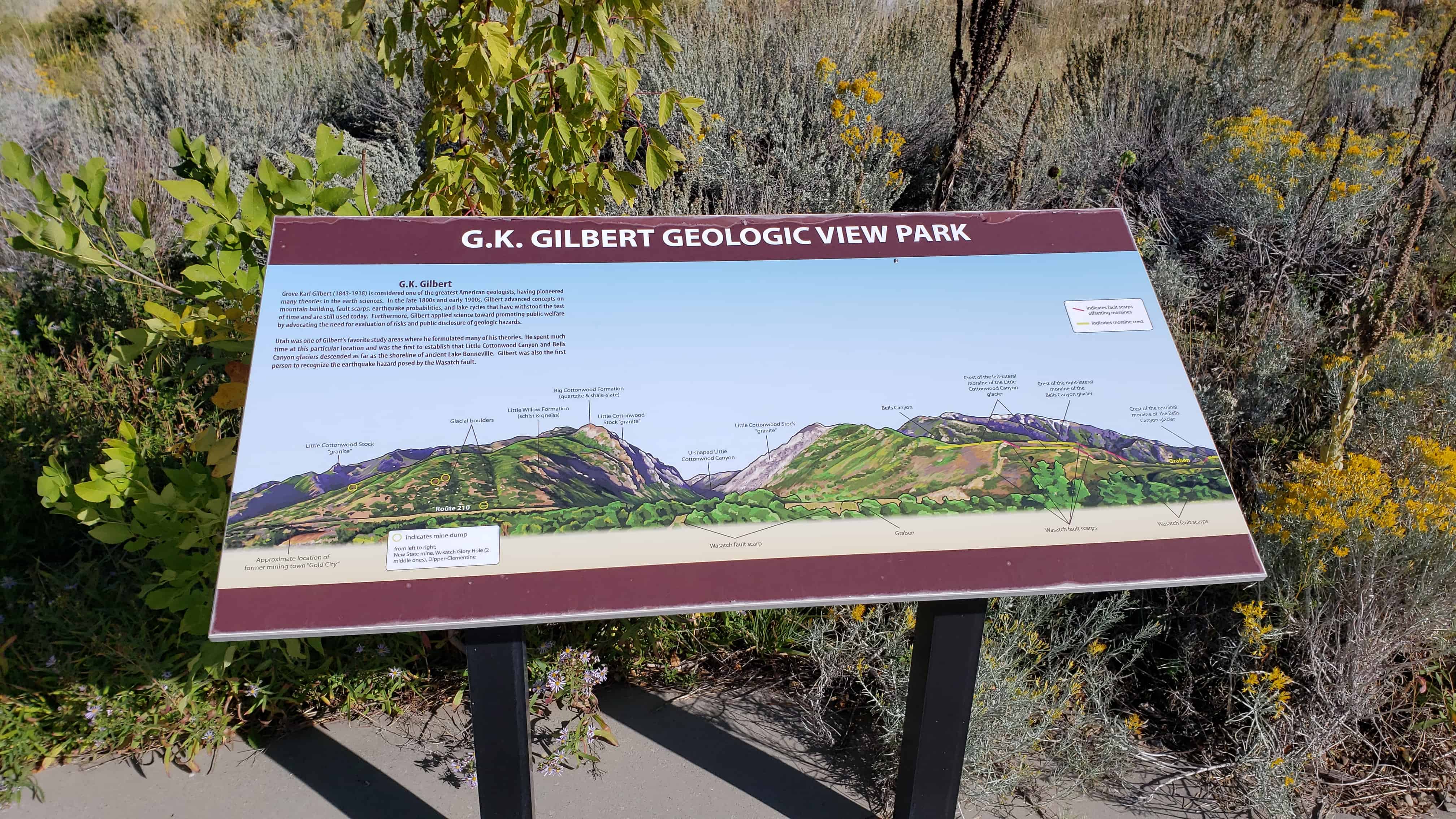
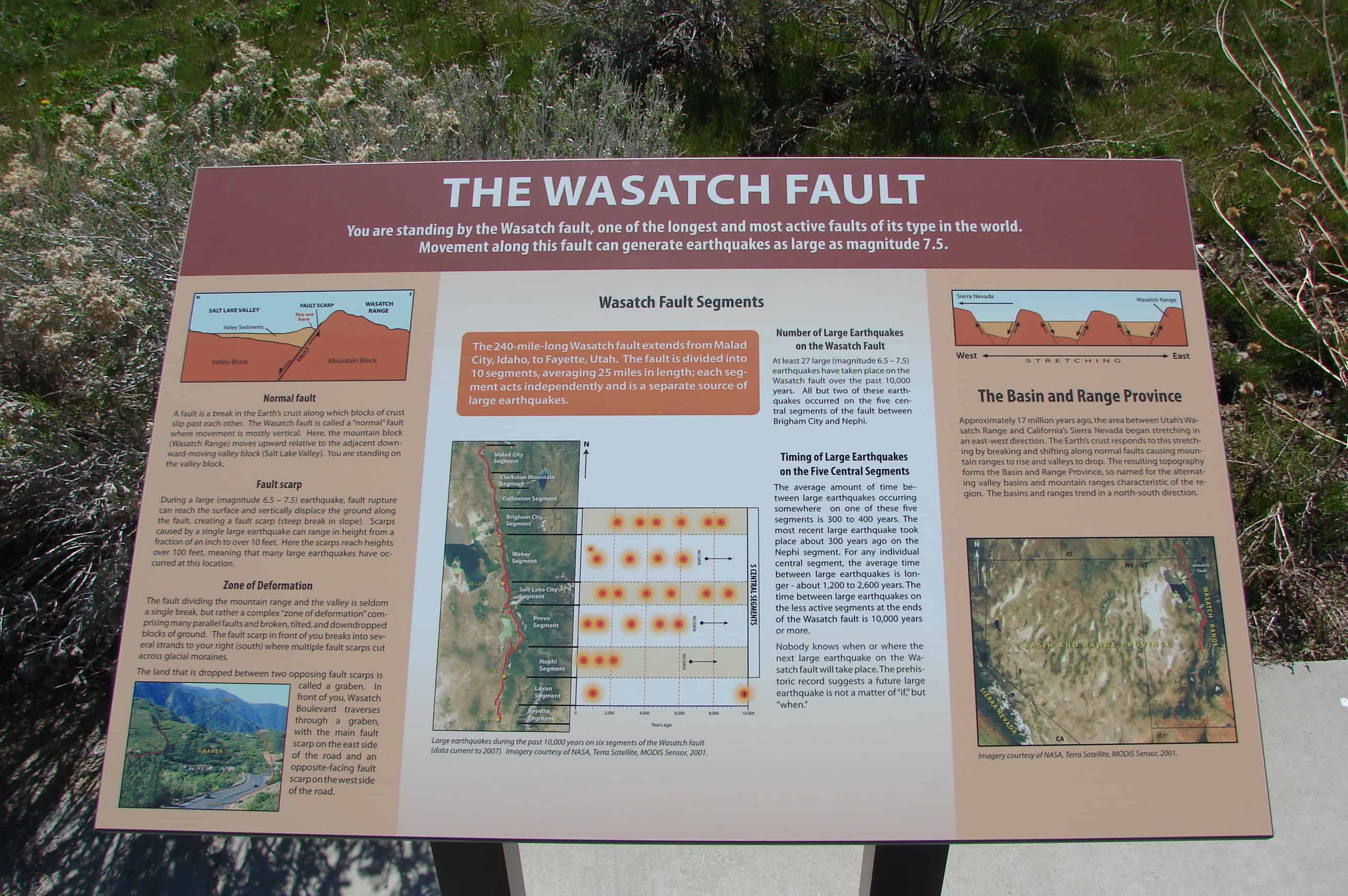
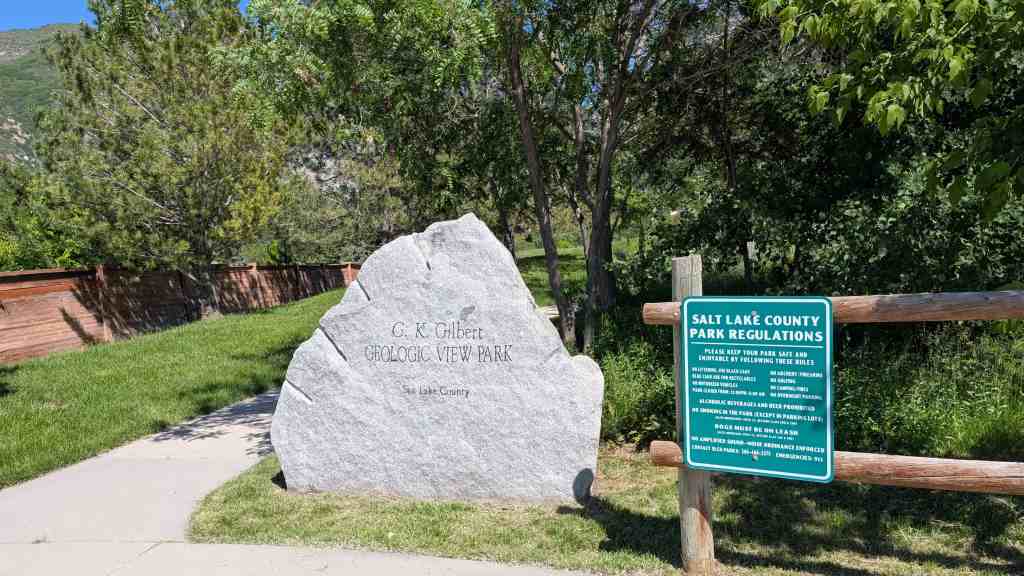
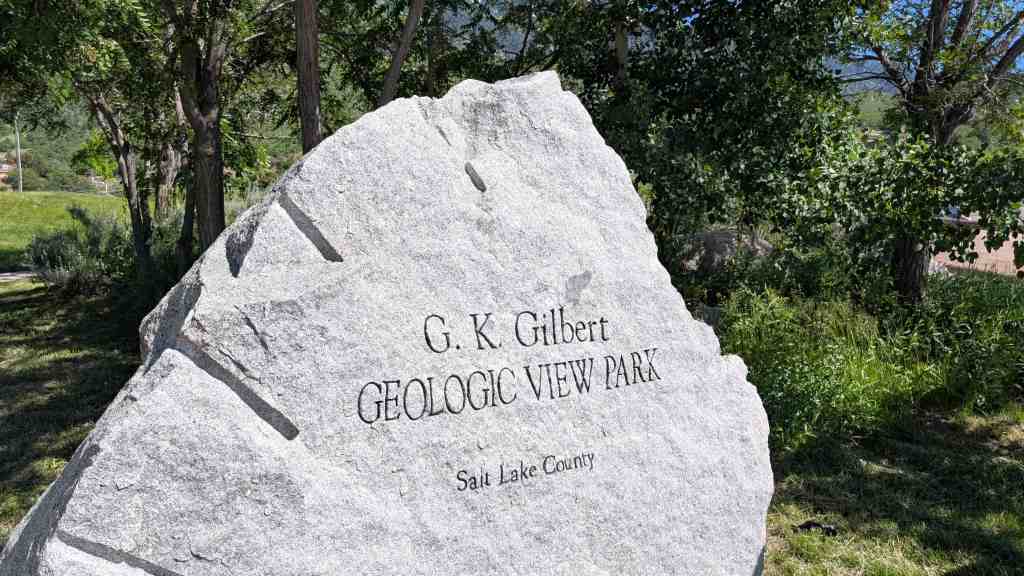
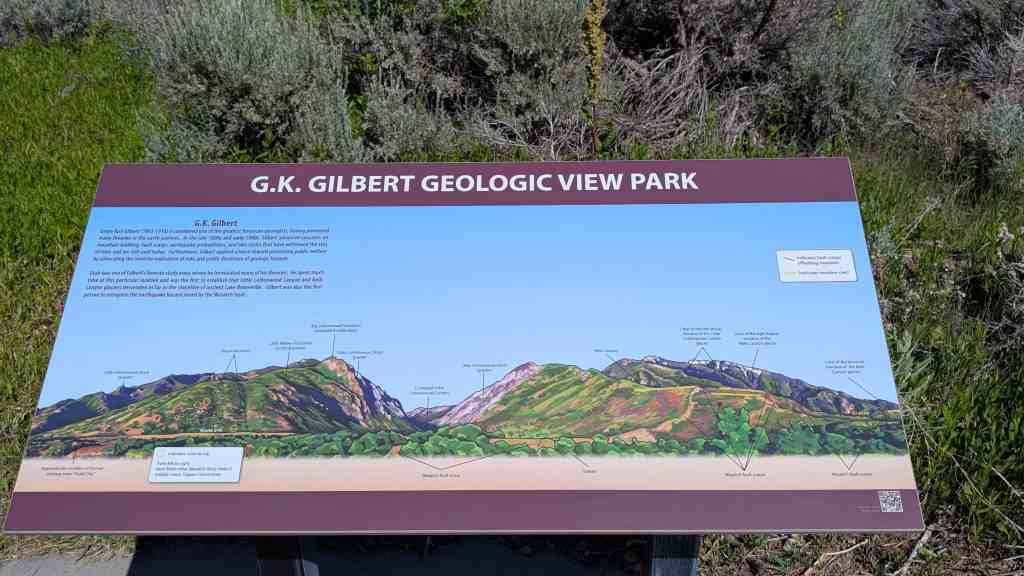
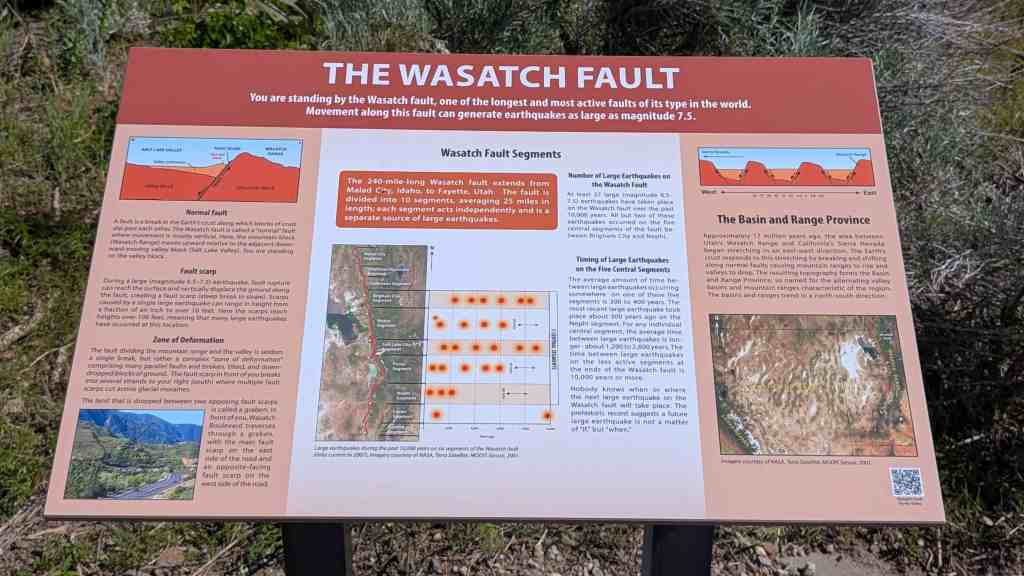
Grove Karl Gilbert (1843-1918) is considered one of the greatest American geologists, having pioneered many theories in the earth sciences. In the late 1800s and early 1900s, Gilbert advanced concepts of mountain building, fault scarps, earthquake probabilities, and lake cycles that have withstood the test of time and are still used today. Furthermore, Gilbert applied science toward promoting public welfare by advocating the need for evaluation of risks and public disclosure of geologic hazards.
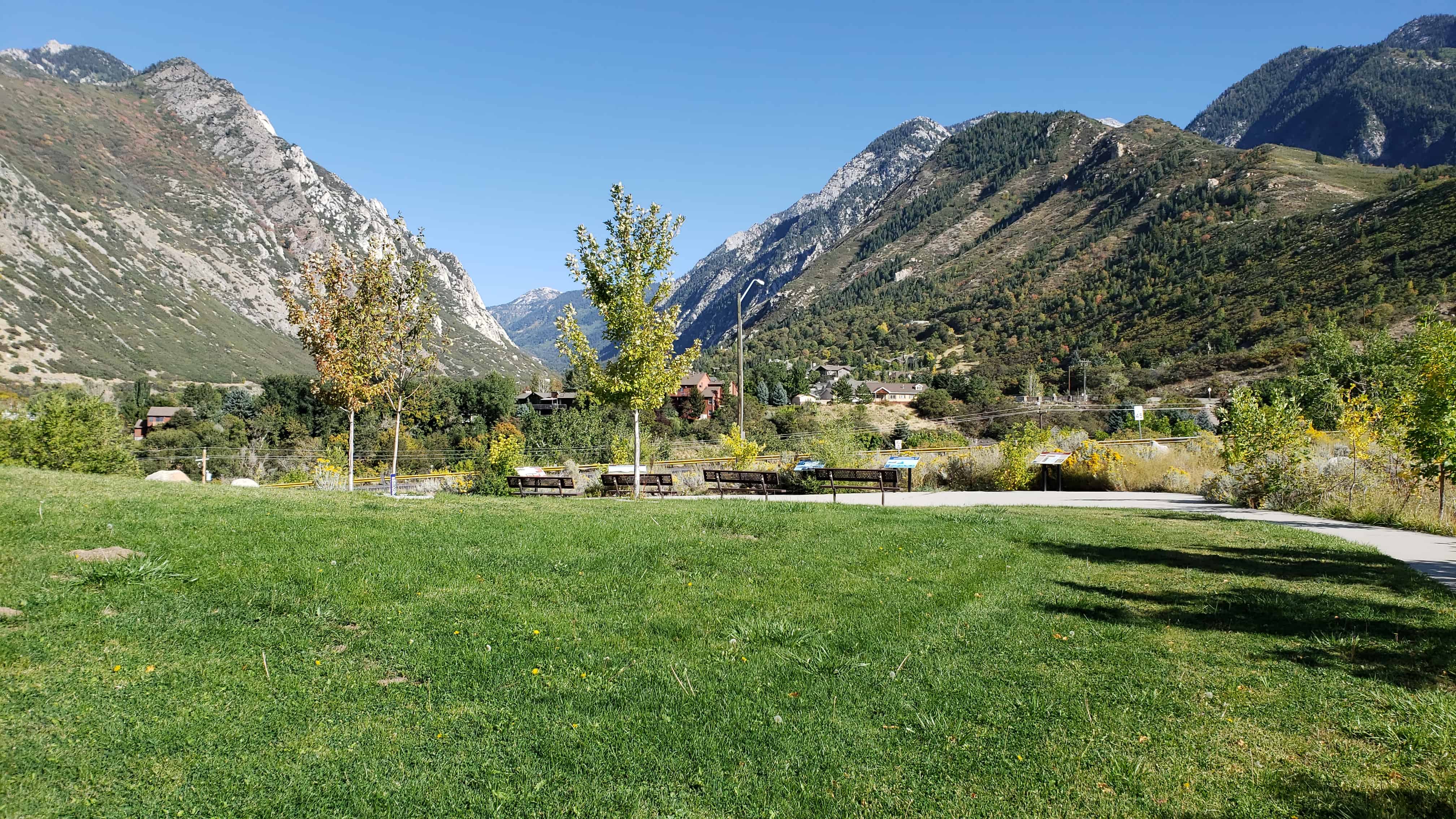
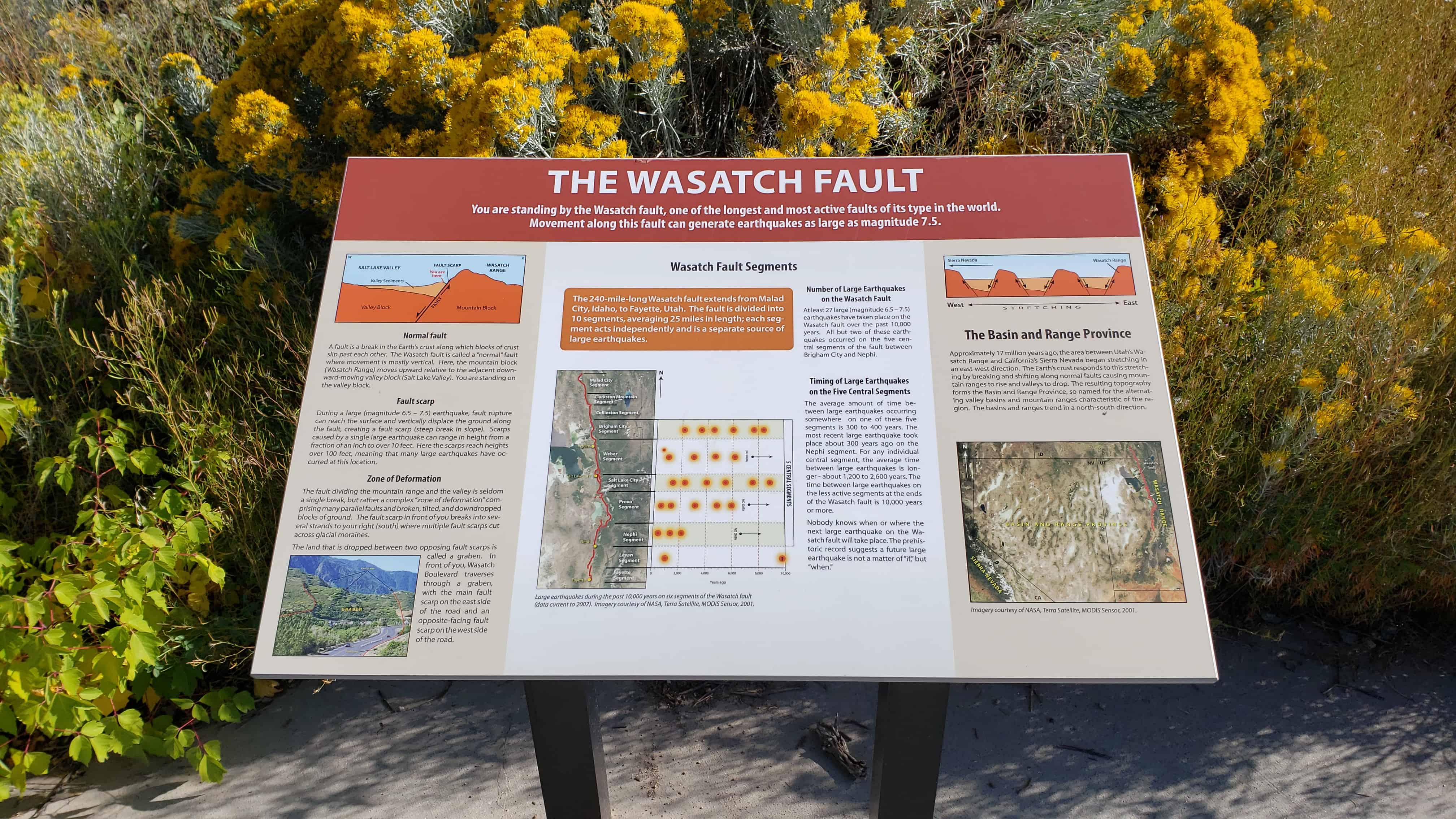
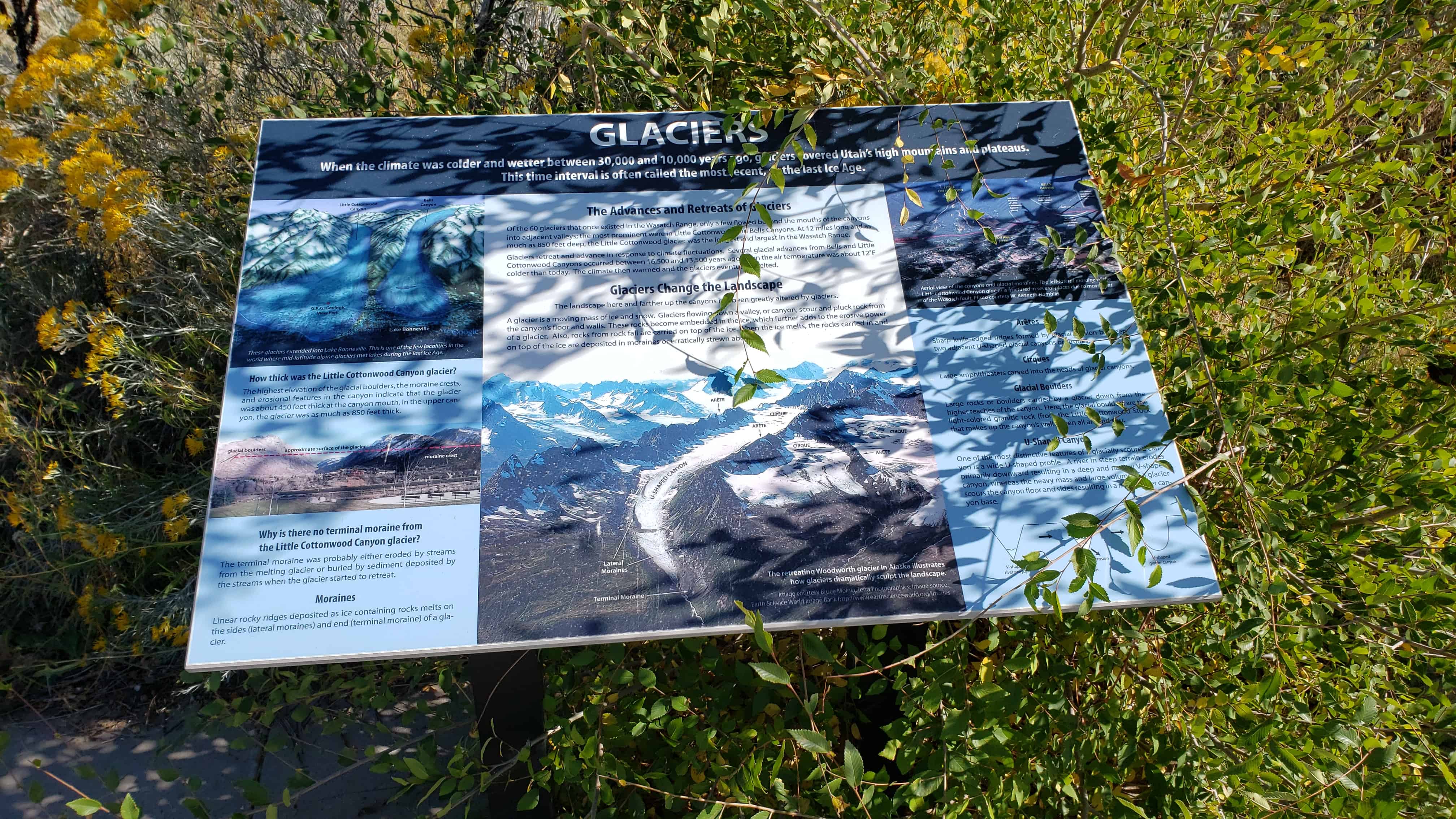
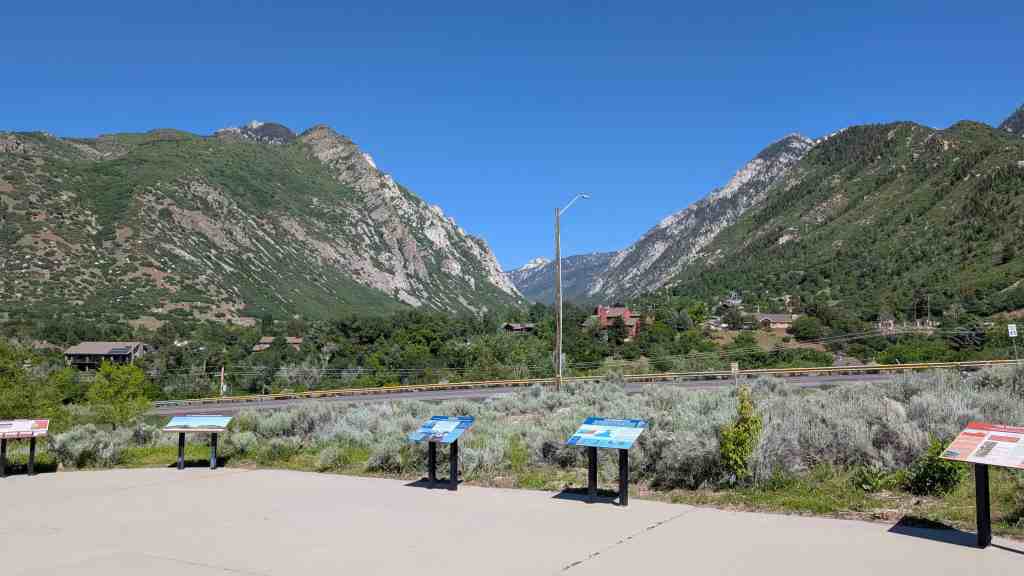
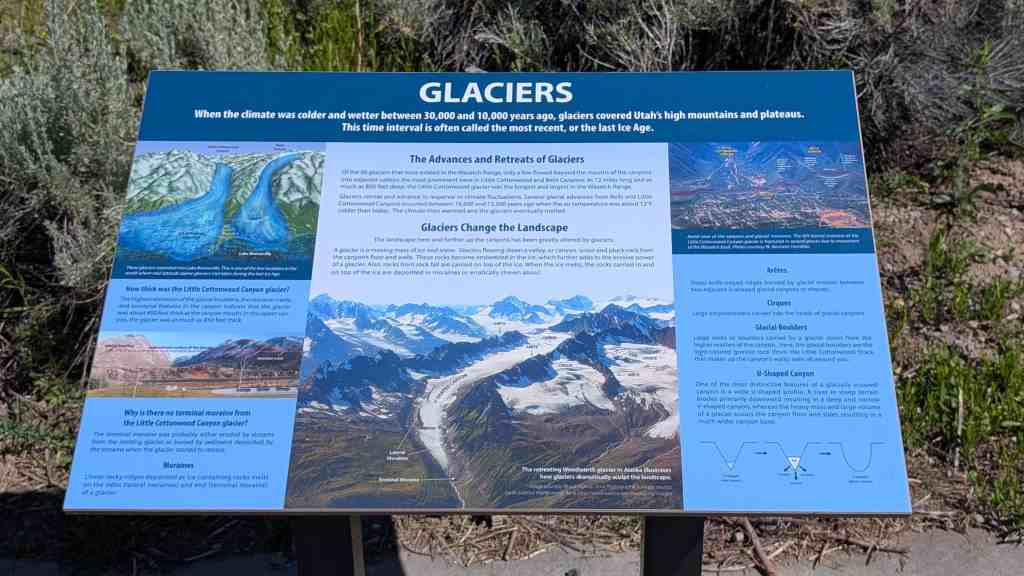
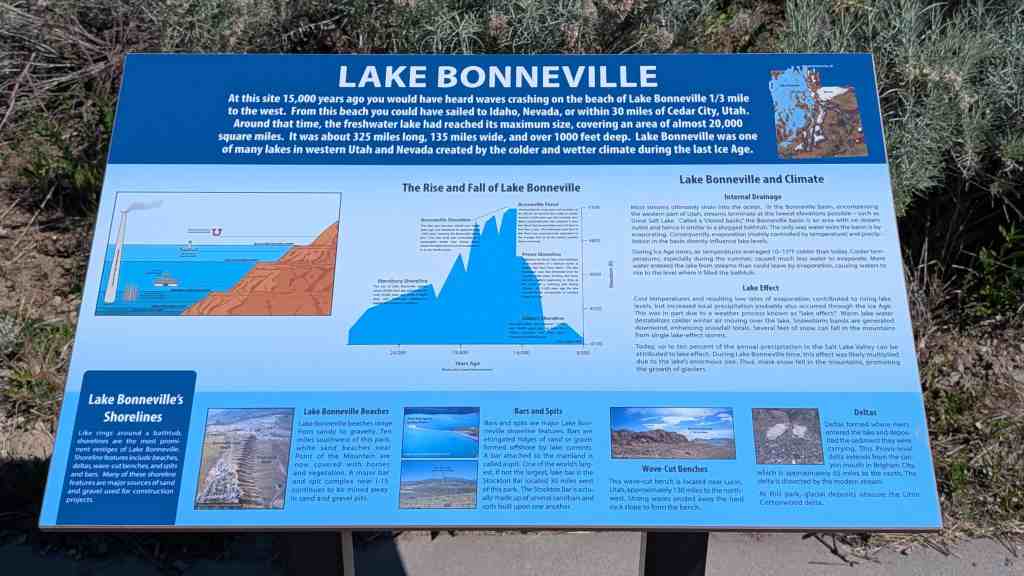
Utah was one of Gilbert’s favorite study areas where he formulated many of his theories. He spent much time at this particular location and was the first to establish that Little Cottonwood Canyon and Bells Canyon glaciers descended as far as the shoreline of ancient Lake Bonneville. Gilbert was also the first person to recognize the earthquake hazard posed by the Wasatch fault.
Built in 1890 in a Victorian Eclectic style, this house was substantially remodeled in 1910 with features more typical of early twentieth-century architecture. This remodeling included the addition of the front porch and a new roof. The house was built for William D. Kuhre, who was born in 1863 in Ephraim to Danish immigrants. Two years later his parents were killed there by a band of Indians under Chief Black Hawk. Kuhre was adopted by John and Ellen Dobbie, who subsequently moved to Salt Lake City. In 1881 Kuhre gained work as a bookkeeper at the Pioneer Ore Sampling Mill in Sandy. He later became a partner in Jensen & Kuhre Lumber & Hardware Company, one of the most long-lived businesses in Sandy. Kuhre was elected mayor in 1901 and served on the school board for many years. He moved during the 1930’s, but the house remained in possession of the family until the early 1960s.
The above text is from the plaque on the home, placed in 1991. The home is located at 8586 South Center Street in the historic sandy area of Sandy, Utah
Built in 1874, this mill was the largest and longest one in operation. Extracted ore from the mines was run through a series of rollers and crushers and assayed for metal content before being taken by rail to ports on the west coast. Once loaded onto barges, this ore was shipped to northeast Europe. Because the ore was of such a high grade it was very profitable, earning more than one hundred dollars per ton. The mill was constructed from wood with sheet metal sides. An early feature was electric lighting. Heat for the facility was provided by coal.
In 1887, the mill was destroyed by fire and rebuilt within a month. Every year, the Pioneer Sampling Mill was cleaned out and decorated for one of the social highlights of the year: The Annual Masked Ball. During the day, Richard Macintosh ran the plant until Arthur Cushing arrived to take over on the night shift. James Smith was the engineer and William D. Kuhre was the bookkeeper. Sharing a fate similar to the other Sandy sampling mills, the mill was closed in 1907. In 1914, it was finally torn down and the lumber sold.
The above text is from the plaque at the site. Located at 8587 South Center Street in the historic sandy area of Sandy, Utah
This two-story, one-part commercial block building was constructed in 1889. The second story brick addition dates from c. 1890. Both were built during Sandy’s first major period of development known as the “Mining, Smelting, and Small Farm Era, 1871-c1910”. The “Sandy Co-op” sign panel was located below the corbelled brick cornice was alternating rows of dog tooth coursing. The relatively simple design and bilateral symmetry of the building is expressive of the aesthetics employed on commercial structures in Sandy. It is important as the only two-story commercial block building remaining from the City’s original commercial district.
The Sandy Co-op Mercantile and Manufacturing Co. occupied the building until 1908 when it changed hands several times before being purchased and used by the Knights of Pythias between 1912-1943. The main floor was reportedly used for the sale of general merchandise and the upper floor as a meeting and dance hall. The building was converted to serve as Sandy City’s fire station between 1949-1984. In 1988, it was restored to house the Sandy City Museum.
The text on this page is from the plaques on the building. The building is located at 8744 South Center Street in the historic sandy area of Sandy, Utah
The land was originally owned by La Grande Young and sold to Wells Clark in 1886. Sandy Co-op purchased it in 1888. The building was constructed in 1890 with a co-op merchantile store on the bottom floor and a social hall on the top floor. Dances and other social events were held weekly as the main social gatherings. The bottom level was used by a variety of occupants including Jenkins Funeral Parlor from 1908 until 1912. During this time period a huge advertisement for “Bull Durham” was painted on the outside south wall. Located across the street was a Utah Southern Railroad Station. The old building survived the vibration of a great many trains during Sandy’s coming of age. In 1912, Mingo Lodge No. 6 Knights of Pythias purchased the building to be used as a lodge hall and rental for other social functions. It was referred to as the “K.P. Lodge” during this time period. In 1939 Sandy City purchased the building as an interim fire station until a new facility was built in 1984 at another location. The building’s architecture dates from 1890 and is of a non-reinforced masonry construction “low fired brick on a quartzite-granite foundation”.
.
ZCMI Co-op Building 1890-1908 Official outlet of ZCMI (Zion’s Co-operative Mercantile Institution), “America’s First Department Store”. This building housed the “Sandy Co-op” which was part of the ZCMI co-operative system servicing more than 150 communities in the intermountain area with retail commodities and services beginning in 1868.
Bicentennial Park in Sandy is one of the City’s full service parks, it contain 3 tennis courts, 2 softball fields, a playground, 11 picnic tables and a lighted indoor/outdoor pavilion. The park covers over 6.5 acres and is adjacent to the City’s Parks & Recreation headquarters at (440 East 8680 South).
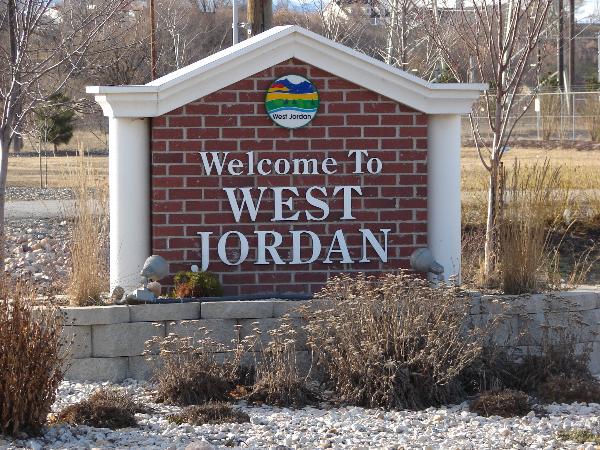
On July 22, 1847, an advanced party of the first Mormon pioneers entered the valley and immediately began to irrigate land and explore the area with a view to establishing new settlements. Alexander Beckstead, a blacksmith from Ontario, Canada, moved his family to the West Jordan area in 1849, and became the first of his trade in the south Salt Lake Valley. He helped dig the first ditch to divert water from the Jordan River, powering Archibald Gardner‘s flour mill. In 1859, Beckstead became the first settler of South Jordan by moving his family along the Jordan River where they lived in a dugout cut into the west bluffs above the river. The flood plain of the Jordan was level, and could be cleared for farming if a ditch was constructed to divert river water along the base of the west bluff. Beckstead and others created the 2.5-mile “Beckstead Ditch”, parts of which are still in use as of 2010.
West Jordan received its name from Mormon settlers who entered the Salt Lake Valley in 1847 under the leadership of their prophet, Brigham Young. These first European-Americans thought of the area to be their Zion, or Holy Land, and thus named the river flowing west of their first settlement, Salt Lake City, the Western Jordan, a reference to the River Jordan in Israel. The name was later simplified to “Jordan River”. Like its Middle Eastern namesake, the Jordan River flows from a fresh water lake (Utah Lake) to an inland salt sea (Great Salt Lake). West Jordan was founded around 1849 on the western banks of the Jordan River.
One of the first sawmills in the area was built in 1850 in the city by Archibald Gardner. Gardner was a devout Mormon whose legacy can still be seen in modern West Jordan. His collection of mills and houses, now historic, have been renovated into a specialty shopping district known as Gardner Village.
Early West Jordan relied primarily on agriculture, mills, and mining activity to form the base of its economy. The first leather tannery west of the Mississippi River was constructed in the city in 1851.
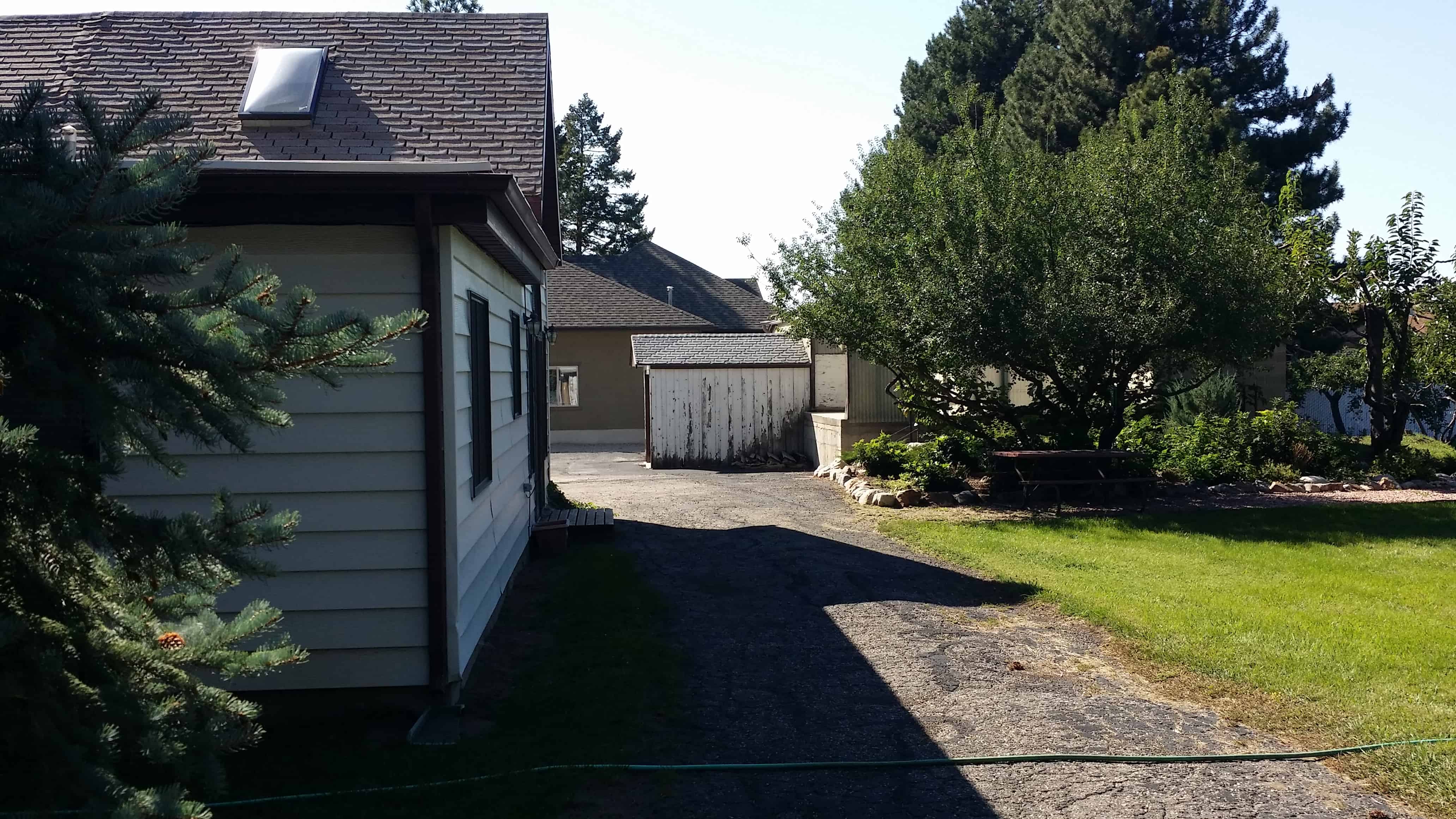
Peggy Allphin Ogborn was telling me some of the history of this house, I stopped to get photos and will need to get the stories written up and added here.













 .
.