• About JacobBarlow.com
  • Cemeteries in Utah
  • D.U.P. Markers
  • Doors
  • Exploring Utah Email List
  • Geocaching
  • Historic Marker Map
  • Links
  • Movie/TV Show Filming Locations
  • Oldest in Utah
  • Other Travels
  • Photos Then and Now
  • S.U.P. Markers
  • U.P.T.L.A. Markers
  • Utah Cities and Places.
  • Utah Homes for Sale
  • Utah Treasure Hunt

JacobBarlow.com

~ Exploring with Jacob Barlow

JacobBarlow.com

Tag Archives: Lindon

Walker’s Service Station

12 Friday Dec 2014

Posted by Jacob Barlow in Uncategorized

≈ 1 Comment

Tags

Lindon, Orem, Pleasant Grove, utah, utah county

Walker’s Service Station
370 North State Street in Lindon

The first service station in Lindon was built by Bill Cobbley. In 1930 he sold it to Richard L. Walker, who remodeled the building, added a retail location for groceries and hardware, and renamed the business “Walker’s Service.” Richard’s son Ivan became heavily involved in the family business in the early 1950s and has guided the company’s growth ever since. Beginning in the early 1970s, Ivan began adding additional service station locations. As time passed, carwash bays and convenience stores became an integral part of the business. Recently,
the development of fast-food franchises in conjunction with the stores has been highly successful. At the present time there are 20 Walker’s locations in 17 communities throughout Utah. The Walker’s mission is to provide quality gasoline at competitive prices, fast friendly services, and a good future for its employees.

In 2007 the Walker’s franchise was sold to Tetco, and a few years later it was bought by 7-Eleven.

2013-07-04 14.55.33

2013-07-04 14.55.38

2013-07-04 14.55.41

2013-07-04 14.55.46

001

The Amusement Hall

10 Wednesday Dec 2014

Posted by Jacob Barlow in Uncategorized

≈ 1 Comment

Tags

historic, Historic Buildings, Lindon, Orem, Pleasant Grove, utah, utah county

The Amusement Hall
150 North State Street in Lindon

The Lindon Amusement Hall once occupied this site. Constructed in 1900, it was built in a shape resembling a “T,” with overall dimensions of 70 feet by 30 feet. The exterior walls were made of rustic lumber, and the interior was lined with ceiling lumber.

On the east end, a stage was situated about three feet above the hall floor. The curtain was canvas, handpainted with an outdoor scene of a girl sitting beside a standing boy playing a violin. The curtain would roll up on a large roller and lights would rise up through holes in the floor, giving the effect of floodlights. The hall was the setting for three-act plays, one produced each month of the winter. Silent films were shown on Thursdays, and often three dances were held per week.
Even though the hall was not elaborate, it was a place for people from all over Utah County to gather and have good time.

Around 1940, the hall was converted into a cannery. Many different types of produce were canned, tomatoes being the most common.

Related Posts:

  • Utah Social Halls, Opera Houses, and Amusement Halls
2013-07-04 14.47.25
2013-07-04 14.47.32

Lindon Elementary School

07 Sunday Dec 2014

Posted by Jacob Barlow in Uncategorized

≈ 1 Comment

Tags

historic, Historic Buildings, Lindon, Schools, utah, utah county

Lindon Elementary School – Main Street and Center Street

  • 2013-07-04 14.42.27
  • 2013-07-04 14.42.32
  • 2013-07-04 14.45.33

In 1900 the settlers of Lindon voted to erect a new school on the corner of what is now Main and Center, and a four-room school and well were built, at a combined cost of $5,200. There was not any indoor plumbing; the students had access to outdoor privies. Wilford W. Warnick was the first principal of the school.

During the years between 1911 and 1935 an addition was built onto the school which included four more classrooms, a furnace room, and indoor restrooms. The children and teachers alike appreciated the new modern facilities.

In 1943 when Geneva Steel was established, the school population soared; hallways were converted into classrooms and some teachers had as many as 58 pupils.

On Christmas night in 1948, a fire began in the furnace room of the school and caused considerable damage. The destroyed areas were rebuilt in September 1949, with the addition of lavatories, a kitchen, and a lunch room.

In the summer of 1966 the old school was torn down, including the additions, and a new school was built to accomodate the growing population of Lindon. The new school cost $510,000 and was dedicated November 6, 1967.

Lindon Elementary School and its grounds have truly been an asset to the community, serving our young people well over the years and helping them to make valuable contributions to our society.

Harris Home

10 Friday Oct 2014

Posted by Jacob Barlow in Uncategorized

≈ 3 Comments

Tags

historic, Historic Homes, Lindon, utah, utah county

Harris Home
310 North State Street
This is one of the original “Stringtown” homes built along State Street around 1865. The builder and original owners are unknown. The house was owned by Harriet and Joseph Harris during the first half of this century and this small home was often the site of dances and other social events. At one time the house was slated for demolition. The bulldozers were on the site. Pam Dain, a Lindon resident with an interest in historic architecture and antiques, was driving her school bus (with no children aboard) when she saw the demolition crew at the home. She pulled the bus between the house and bulldozers and asked the operators to wait until she could make a few phone calls. Pam single-handedly saved one of Lindon’s few remaining examples of architecture of the earliest period of Lindon’s history.
The home was eventually dismantled and the stones were used to construct the pioneer home that sits in Pioneer Park at 150 South 500 East.

The old Harris Home

The old Harris Home

2014-08-22 18.13.38

2014-08-22 18.13.42

2014-08-22 18.13.46

Alfred Harper House

05 Sunday Oct 2014

Posted by Jacob Barlow in Uncategorized

≈ Leave a comment

Tags

historic, Historic Homes, Lindon, Soft-rock constructed, utah, utah county

Alfred Harper built this house in 1876 of honeycombed limestone quarried from  nearby American Fork Canyon. It is said that he traded his homegrown vegetables and flowers for the rock. Before the building was completed, Harper had to leave his family and home to serve a three-year mission in New Zealand for the LDS church. On his return he finished the house and planted vines he’d brought from New Zealand. The vines eventually grew to surround the building.
Locals called it “The Big House,” and it became a gathering place for community and church activities.

One of the most notable features of the property was a well, complete with bucket  and dipper, that passers-by were welcome to use to quench their thirst. Church-goers, children, and even the occasional tramp made good use of the clear, cold water.

In 1987, the Harper House was listed on the National Register of Historic Places, the nation’s official list of cultural resources worthy of preservation. The register recognizes the accomplishments of all peoples who have contributed to the history and heritage of the United States.

2014-08-22 18.10.02 2014-08-22 18.10.04 2014-08-22 18.10.09 2014-08-22 18.10.13

Main Street Chapel

03 Friday Oct 2014

Posted by Jacob Barlow in Uncategorized

≈ 2 Comments

Tags

historic, Historic Buildings, Lindon, utah, utah county

2014-08-22 17.54.49 2014-08-22 17.54.54

The first Lindon church building was completed in 1891 on land donated by Joseph W. Ash.  In the fall of 1941, the original building was condemned and was torn down.  On May 31, 1947 a building lot was purchased where a new and larger church could be constructed.  It was located immediately west of what is now the Lindon Elementary School.

The ground breaking ceremony was held on April 6, 1949.  Ward members sacrificed their time and money to help build this new church.  Through the continued efforts of ward members and the stake building committee, work was completed on the chapel and it was dedicated on March 23, 1952.

Over the years, as Lindon grew and the needs of new wards put more demand on the Main Street chapel, renovations were made and additions were added.

In 2010, the LDS Church constructed a new chapel on 500 North in Lindon and relocated the wards that were meeting in the Main Street chapel to the new chapel.  The LDS church intended to demolish the Main Street chapel as it was too small to be used for the large Lindon wards and had limited capacity for the parking demands of multiple wards.

Lindon City became aware of the plans to demolish the building, and adter some negotiations, purchased the property from The Church of Jesus Christ of Latter-day Saints in July of 2010.  Upon condition of the sale, the old steeple and church signs were removed from the chapel.  After some minor remodeling of the building, the City reopened it to the public in June 2011 as the new Lindon City Community Center and the Lindon Senior Center.  The building now houses the Lindon City Parks & Recreation Department, as well as the Lindon City Historical Society.  It also provides a place for community gatherings and events.

Vineyard, Utah

13 Wednesday Nov 2013

Posted by Jacob Barlow in Uncategorized

≈ 1 Comment

Tags

Geneva, Lakeview, Lindon, Orem, Provo, utah, utah county, Vineyard

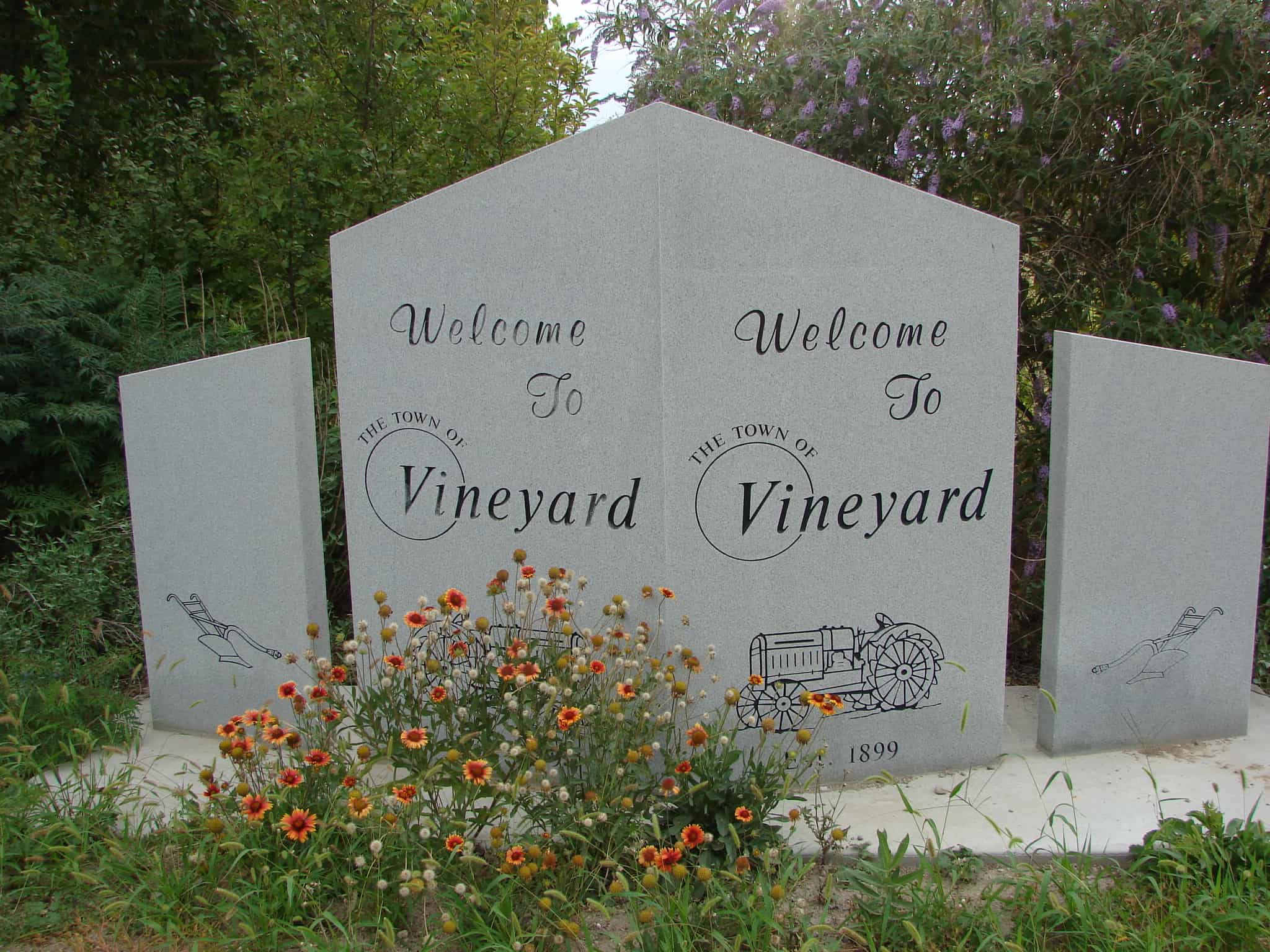
picture7sep07-071

Vineyard is a town in Utah County often thought to be part of western Orem.
Vineyard first became a distinct place in 1899.

Vineyard is an outgrowth of Lakeview and Provo on the east shore of Utah Lake. John Gillies planted the first grapevines in the area and is credited with naming the community.
– John W. Van Cott

  • Harold Murdoch Home
  • Vineyard posts sorted by address

Cullimore Mercantile

07 Thursday Nov 2013

Posted by Jacob Barlow in Uncategorized

≈ 4 Comments

Tags

Historic Buildings, Lindon, utah, utah county

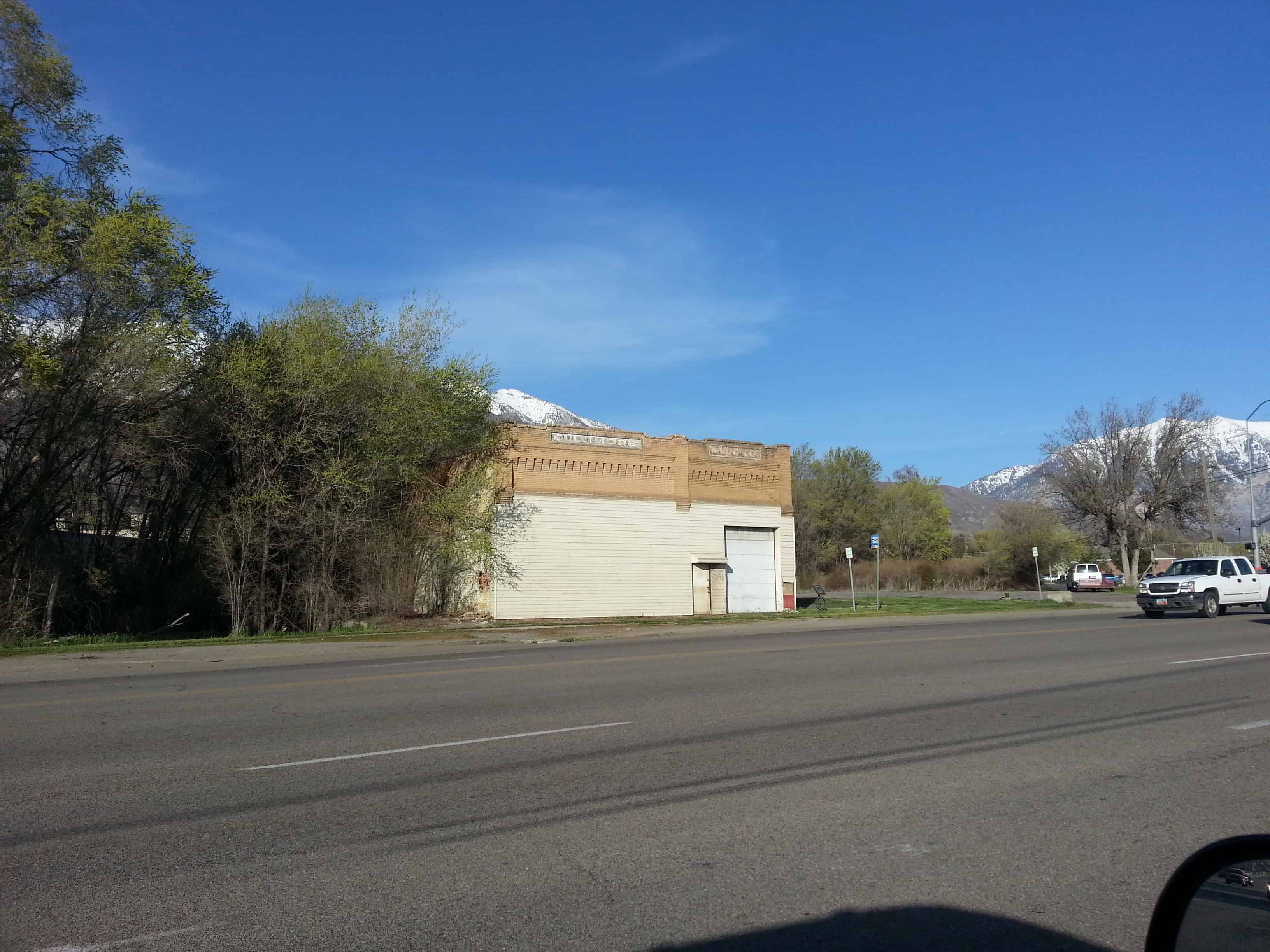
Image

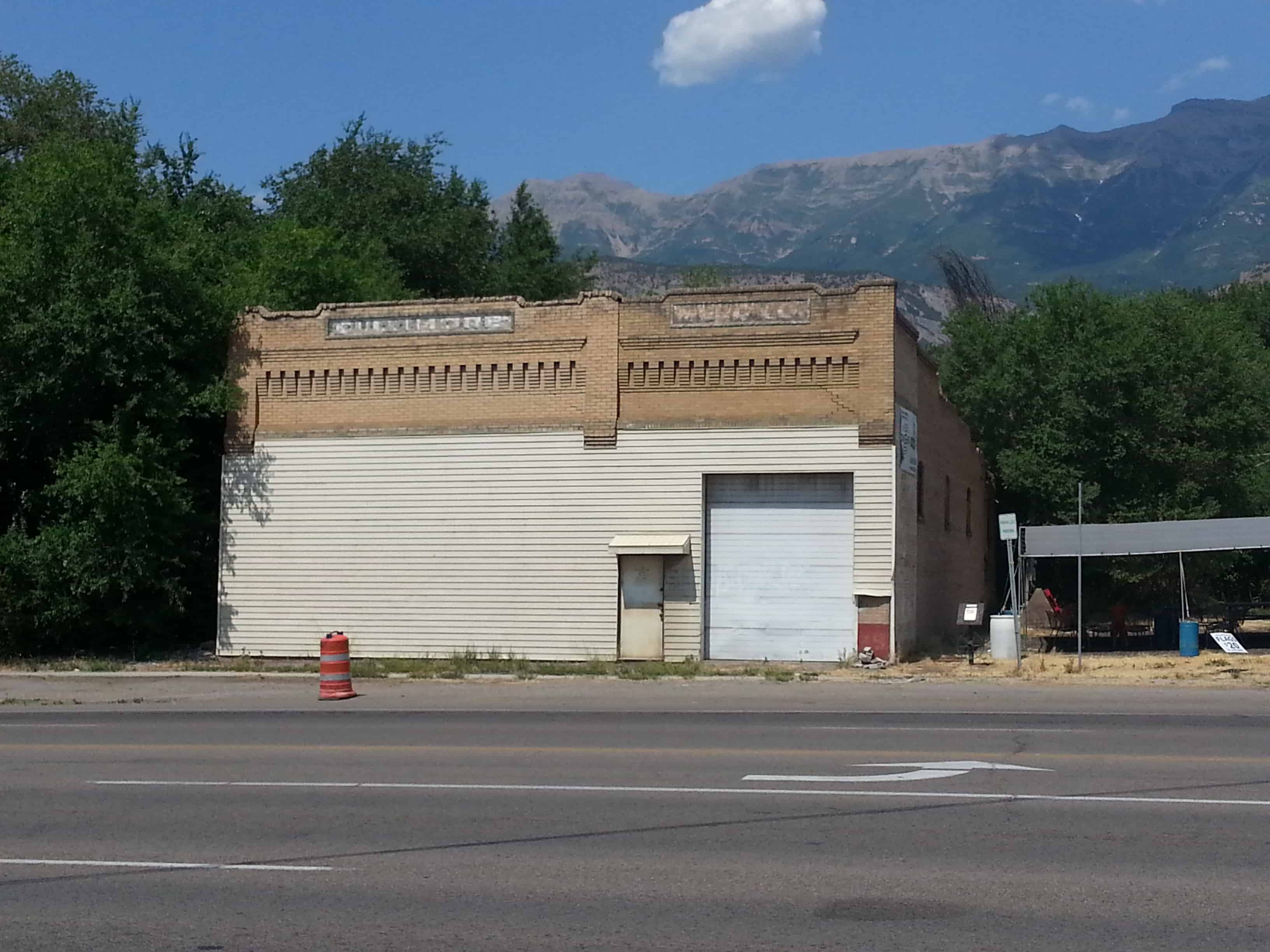
Cullimore Mercantile
(398 North State Street)

Image

Cullimore Mercantile

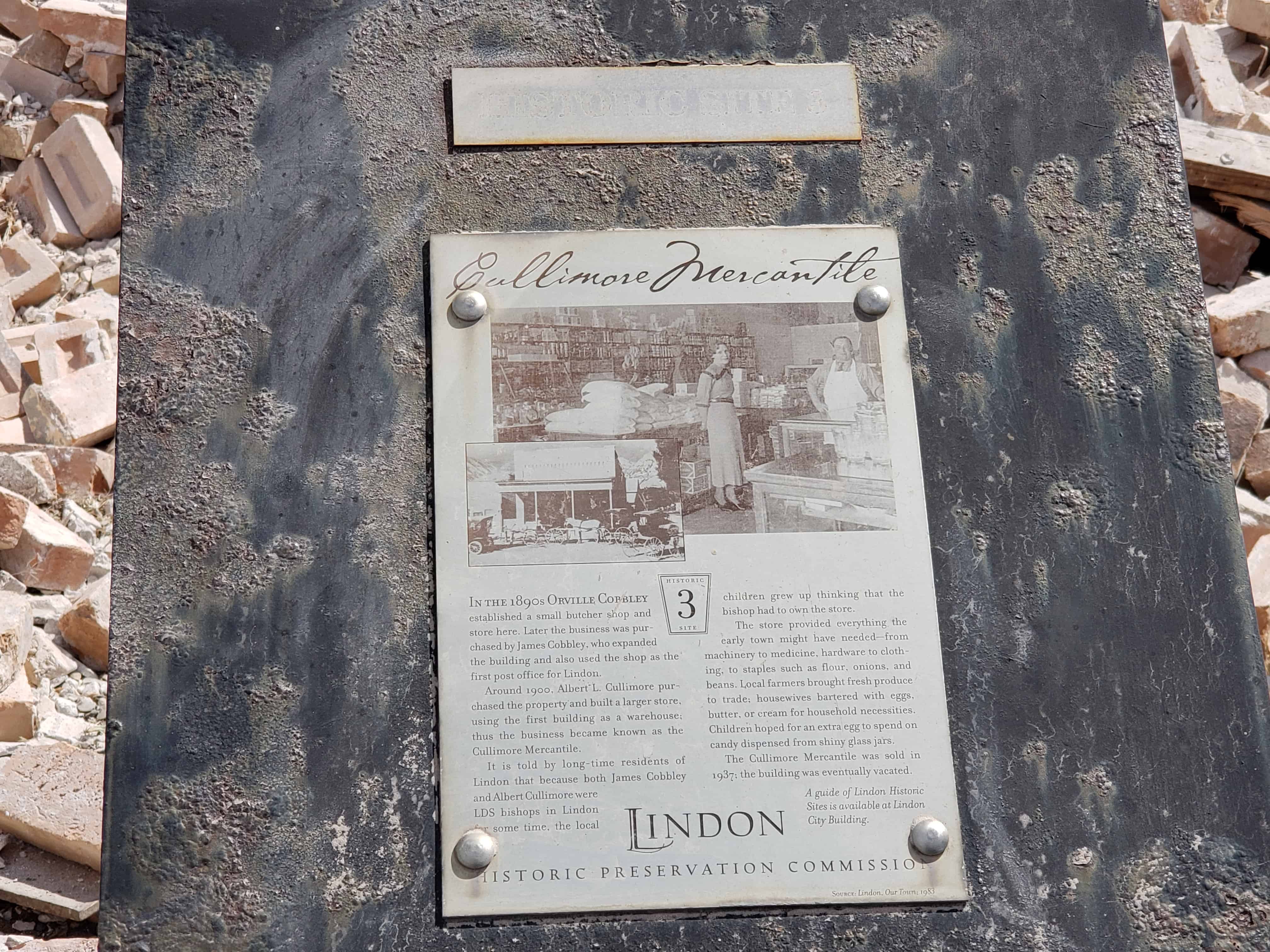
In the 1890s Orville Cobbley established a small butcher shop and store here. Later the business was purchased by James Cobbley, who expanded the building and also used the shop as the first post office for Lindon.

Around 1900, Albert L. Cullimore purchased the property and built a larger store, using the first building as a warehouse; thus the business became known as the Cullimore Mercantile. It is told by long-time residents of Lindon that because both James Cobbley and Albert Cullimore were LDS bishops in Lindon for some time, the local children grew up thinking that the bishop had to own the store.

The store provided everything the early town might have needed—from machinery to medicine, hardware to clothing, to staples such as flour, onions, and beans. Local farmers brought fresh produce to trade; housewives bartered with eggs, butter, or cream for household necessities. Children hoped for an extra egg to spend on candy dispensed from shiny glass jars.

The Cullimore Mercantile was sold in 1937; the building was eventually vacated.

Image
Image
Image
Image
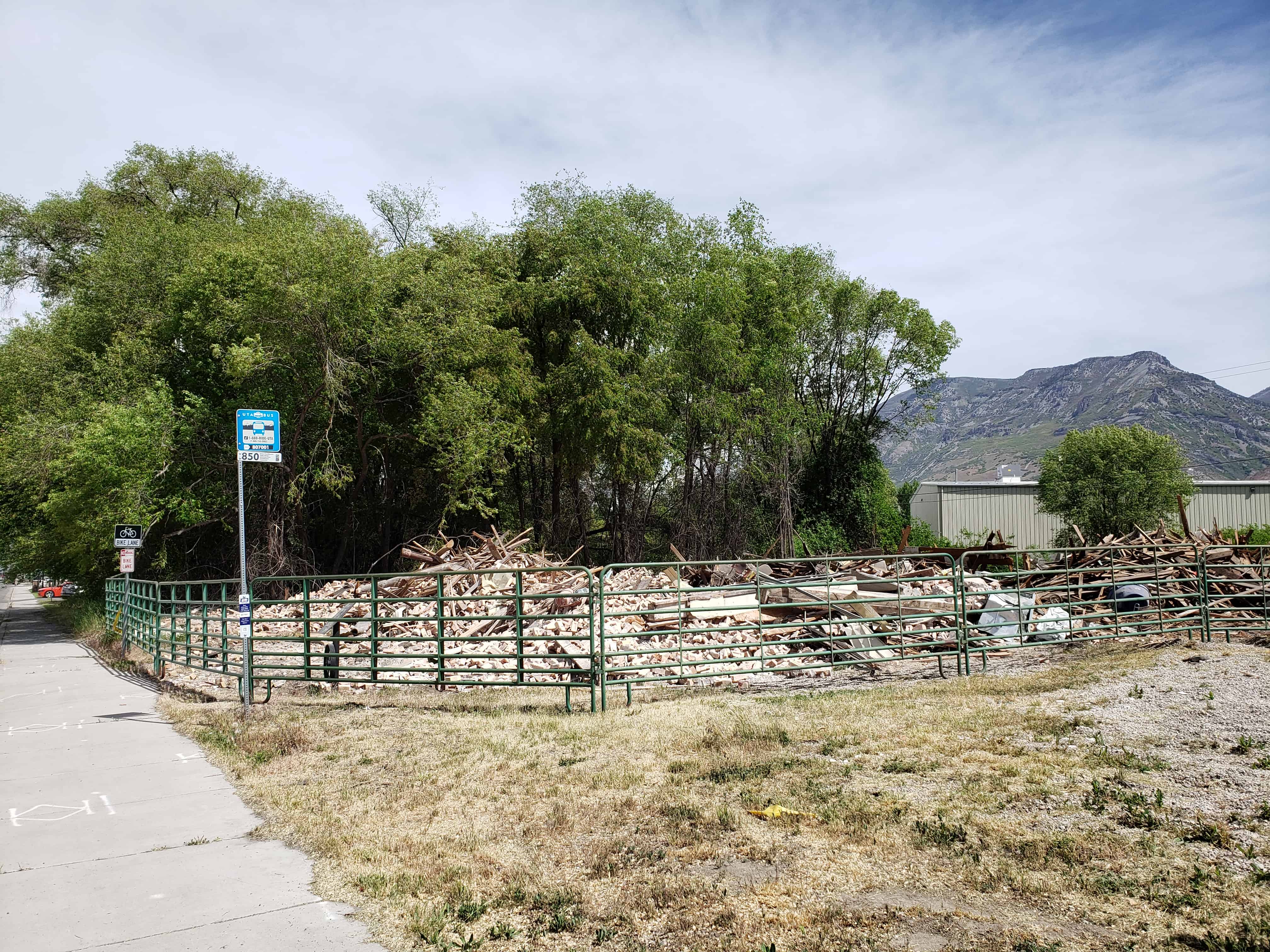
2013-07-04 15.27.48

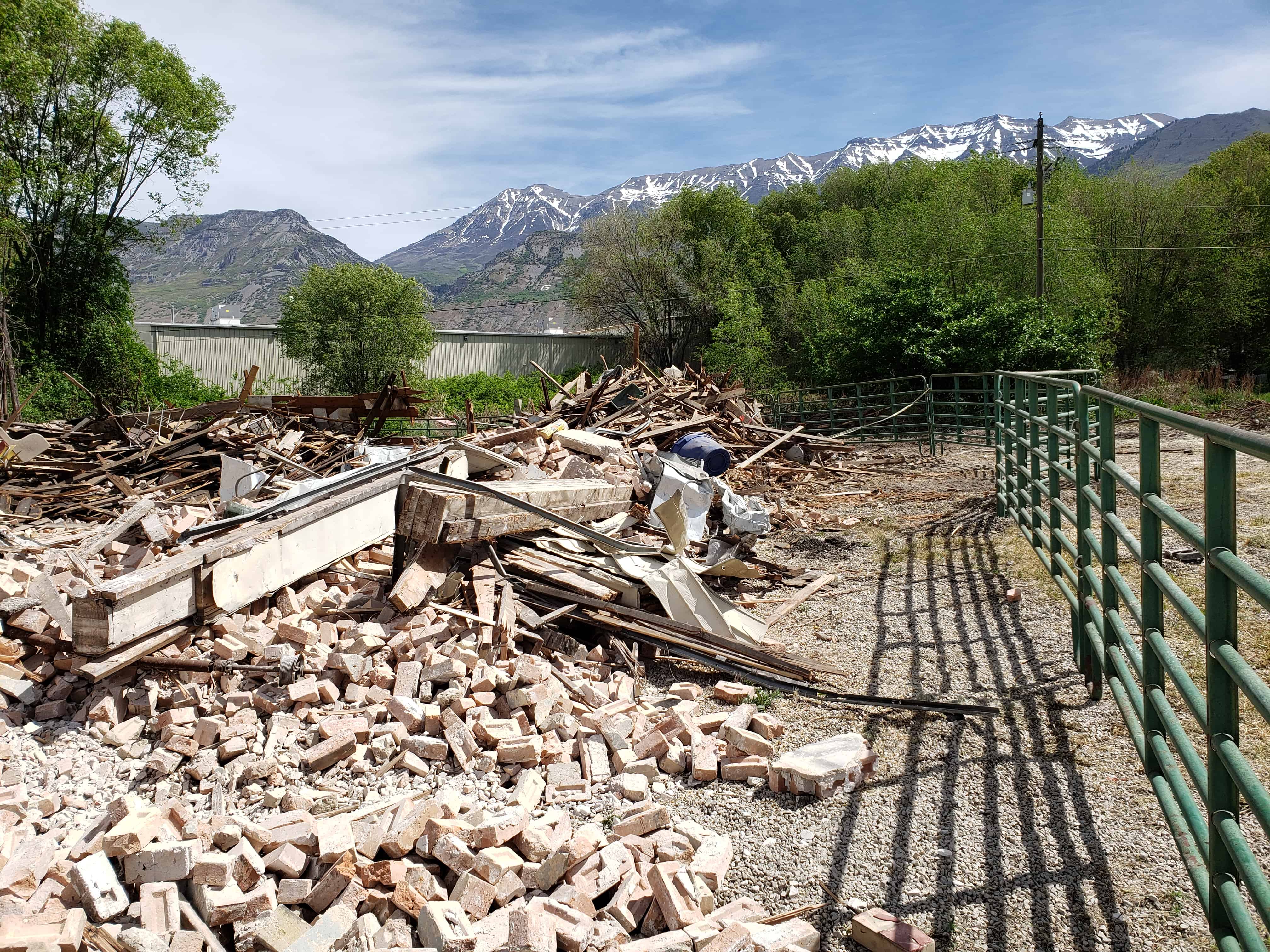
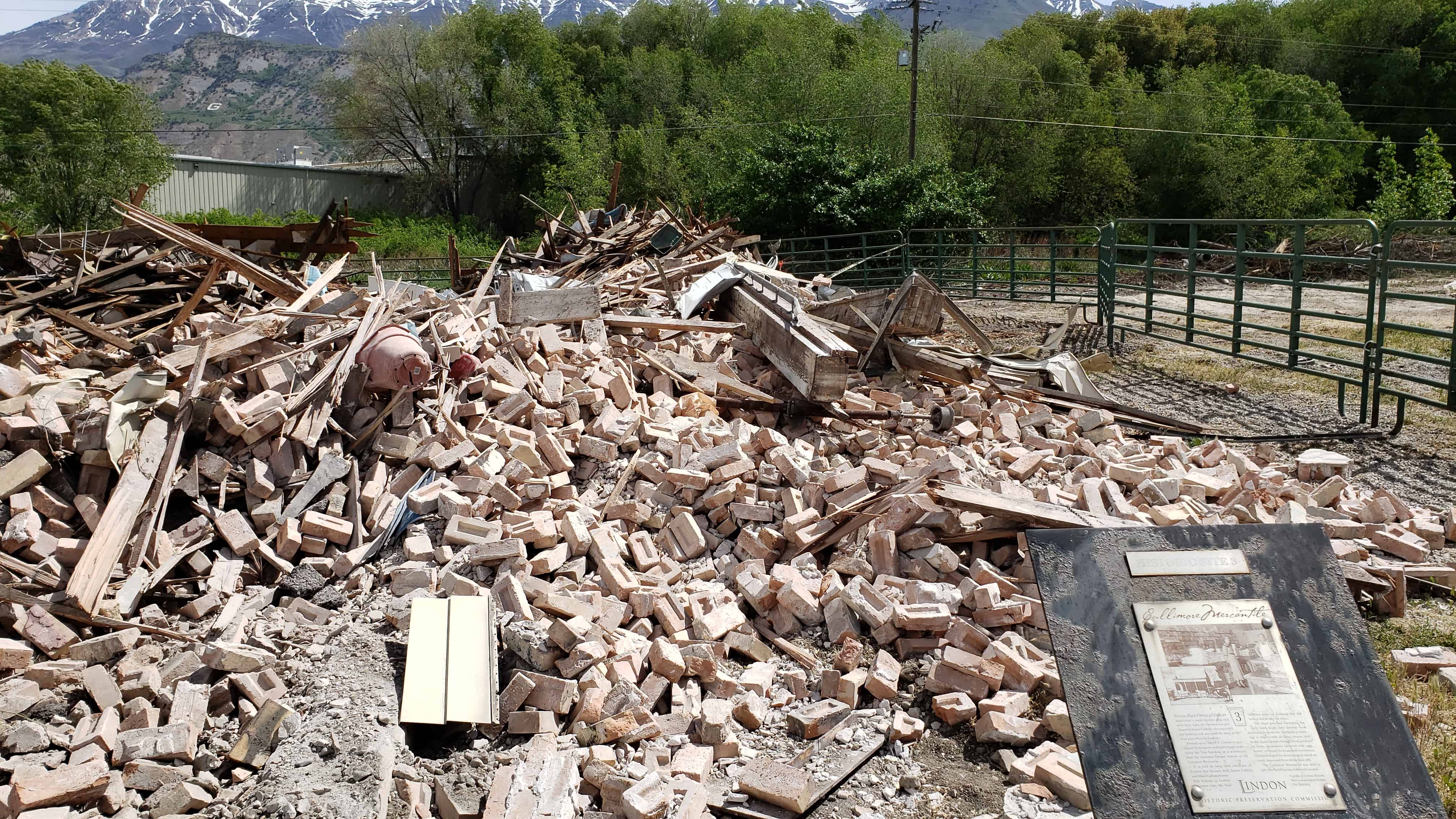
In May of 2020 I was driving by and saw that it had just been demolished.

Lindon, Utah

07 Thursday Nov 2013

Posted by Jacob Barlow in Uncategorized

≈ 3 Comments

Tags

Lindon, Orem, utah, utah county

Lindon, Utah is between Orem and Pleasant Grove, in Utah County.

Image

Lindon, Utah

Lindon Posts:

  • Alfred Harper House
  • The Amusement Hall
  • Bishop’s Storehouse and Tithing Barn
  • Castle Park
  • Cemetery
  • Cullimore Mercantile
  • Dittmore Home
  • Fage Home
  • Fryer Park
  • Geneva Resort
  • Gillman Farm
  • Hardy, Utah
  • Harris Home
  • The Joseph Wadley Farm
  • Lindon Elementary School
  • Lindon Utah Temple
  • Lindon Ward Chapel
  • Main Street Chapel
  • Officer Memorials
  • Railroad Depot
  • The Robison Home
  • Rodeback Home
  • Walker’s Service Station
  • William Kirk Home
  • Wright Home
  • Lindon posts sorted by address

Originally settled in 1861, Lindon began as pioneers moved into what was then the Lindon grazing land. The town was originally named “String Town” because of the way the houses were strung up and down the street. An old linden tree (Tilia) growing in town in 1901 inspired the present (misspelled) name.(*)

Over the past century Lindon has seen organized development, but it has tried to remain true to its motto: Lindon: a little bit of country.

Newer posts →

Follow Jacob

Follow Jacob

Come wander with me on Youtube.

Blog Stats

  • 2,092,812 hits

Social and Other Links

BarlowLinks.com

Recent Posts

  • Provo High School Seminary Building
  • 821 E 100 S
  • 820 E 100 S
  • 817-819 E 100 S
  • 814 E 100 S

Archives

Loading Comments...