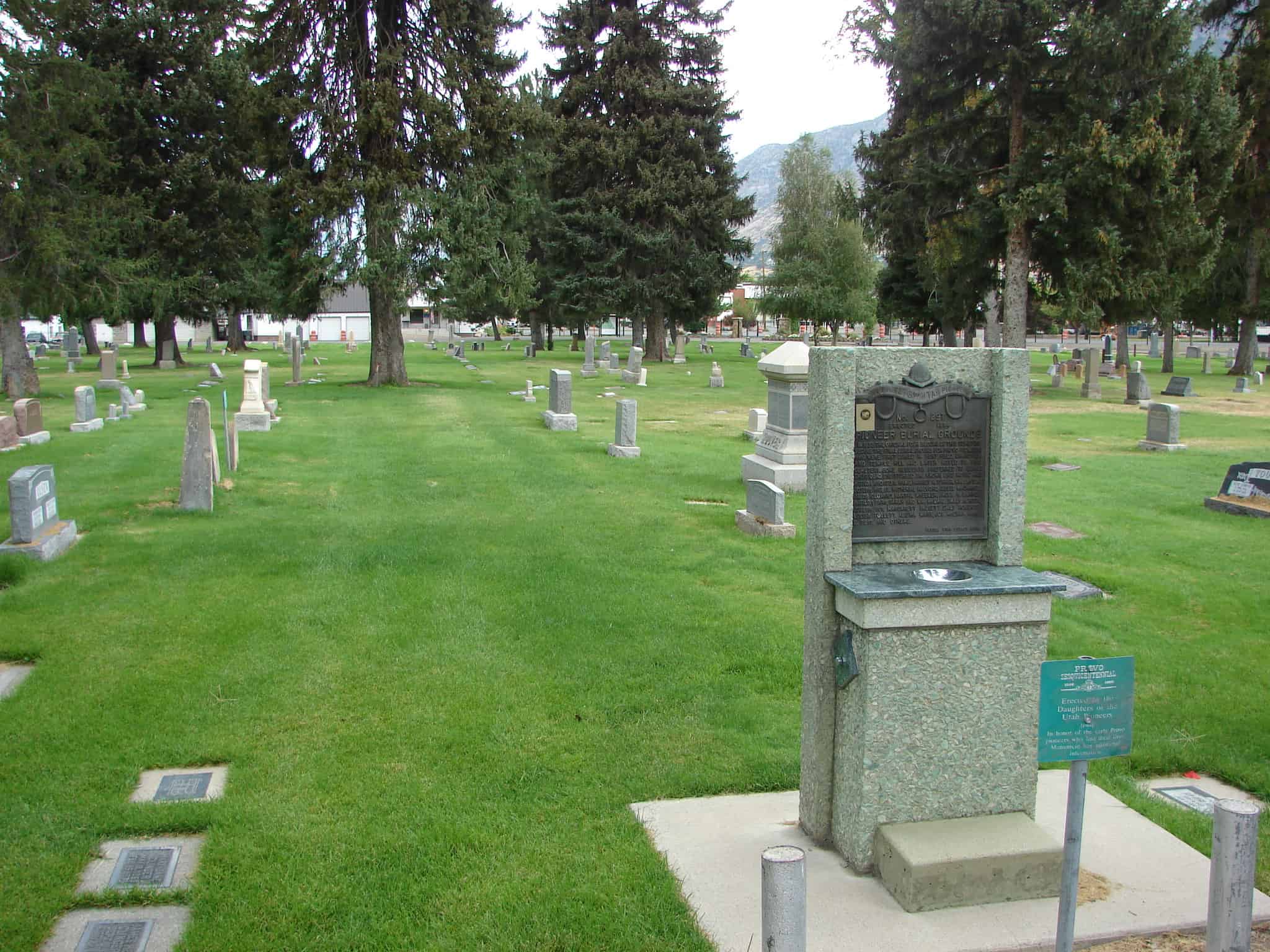
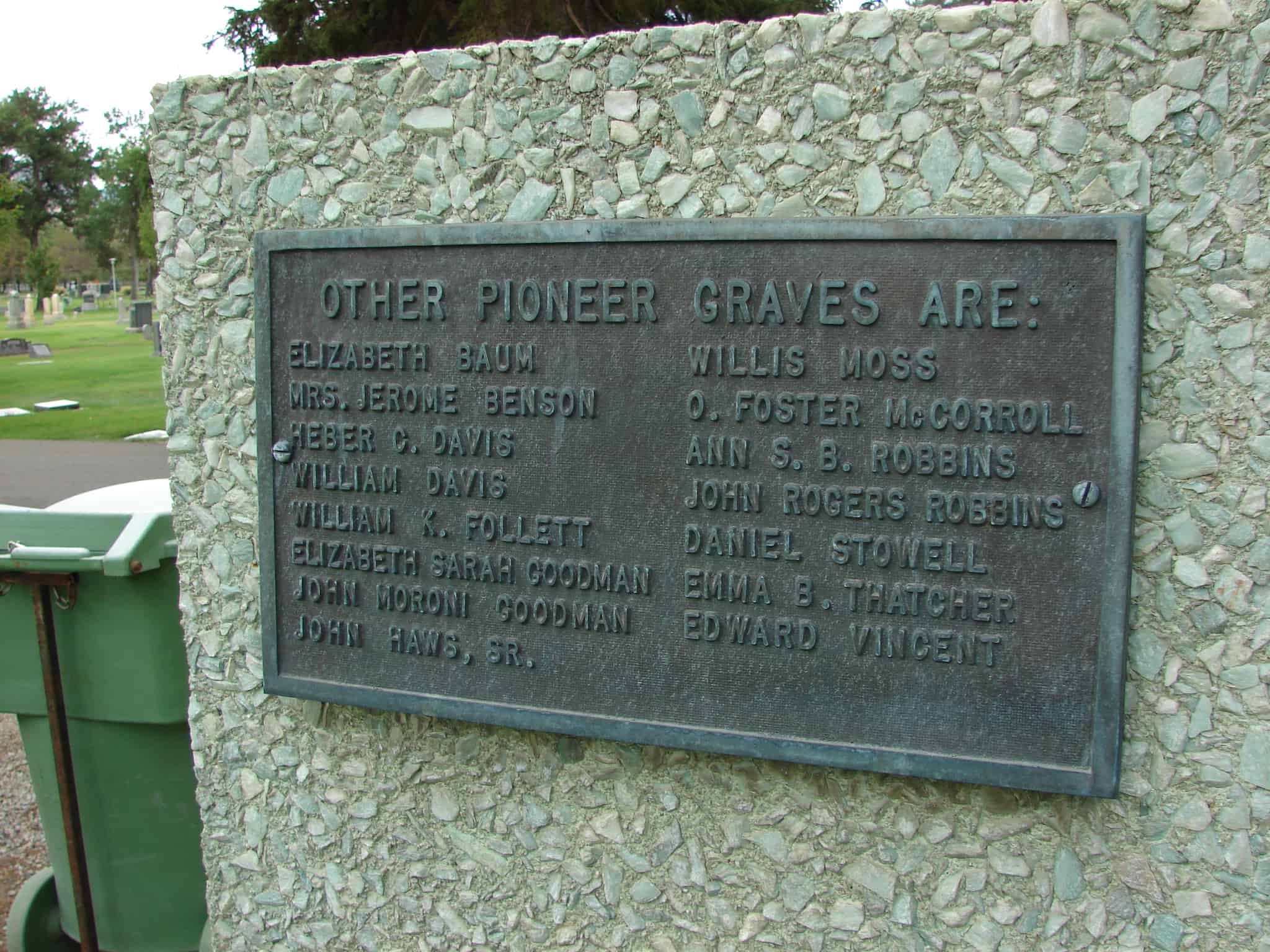
Provo Burial Grounds (Plaque A: South side) PIONEER BURIAL GROUNDS In 1853, the original four blocks of this cemetery became the final burial ground for Provo Pioneers who were first buried in Fort Field, Grandview and Temple Hill and later moved to this cemetery. Some residents preferred to leave their dead undisturbed. The known ones were moved here: Matilda and Geo. W. Haws, Harriet M. Turner, Wm. Dayton, Joseph Higbee, Katherine Radford, Jessee McCarred, Jacob Cloward, Martha Wheeler, Jacob H. Barney, Matilda Park, Sarah and Wm. McLane, Sally Norton, Joseph Ivy, Margarett Fausett, Emily Roberts, Louisa Follett, Abisha Ware, Jos. McEwan, Mary E. Peay, and others. (Plaque B: North side) Other pioneer graves are: Elizabeth Baum, Mrs. Jerome Benson, Heber C. Davis, William Davis, William K. Follett, Elizabeth Sara Goodman, Joseph Moroni Goodman, John Haws, Sr., Willis Moss, O. Foster McCorroll, Ann S. D. Robbins, John Rogers Robbins, Daniel Stowell, Emma B. Thatcher, Edward Vincent.
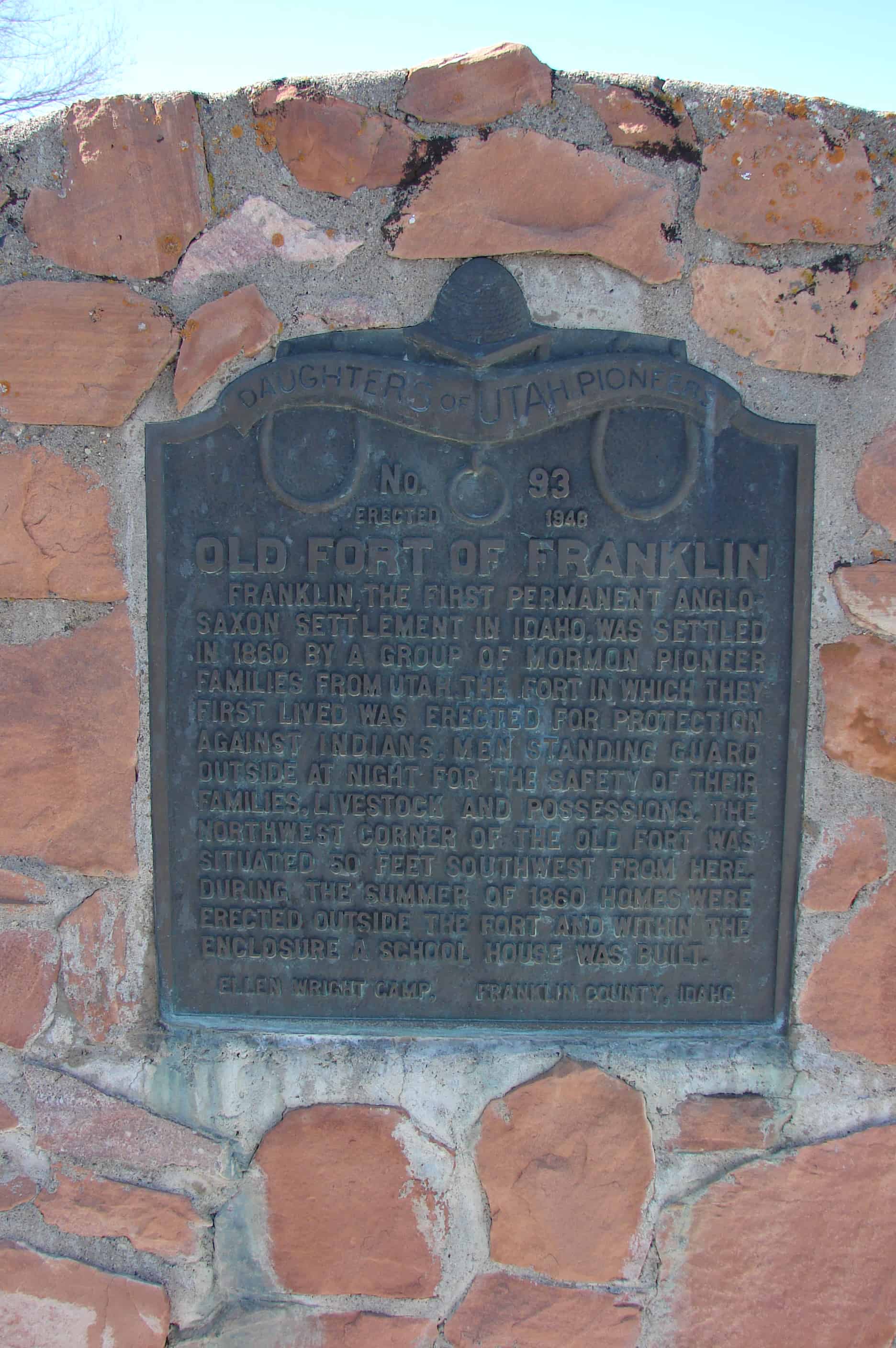
Franklin, the first permanent Anglo-Saxon settlement in Idaho was settled in 1860 by a group of Mormon pioneer families from Utah. The Fort in which they first lived was erected for protection against Indians, Men standing guard outside at night for the safety of their families, livestock, and possessions, the Northwest corner of the old fort was situated 50 feet southwest from here. During the summer of 1860 homes were erected outside the fort and within the enclosure a school house was built.
Other markers placed by the Daughters of Utah Pioneers are listed at JacobBarlow.com/dup
The city is home to Brigham Young University, one of the largest private higher education institutions in the United States, which is operated by The Church of Jesus Christ of Latter-day Saints (LDS Church). Provo is also home to the largest Missionary Training Center for the LDS Church. The city is a key operational center for Novell and has been a focus area for technology development in Utah. The city is also home to the Peaks Ice Arena, which served as a venue for the Salt Lake City Winter Olympics in 2002. Sundance Resort is located 13 miles northeast at Provo Canyon.
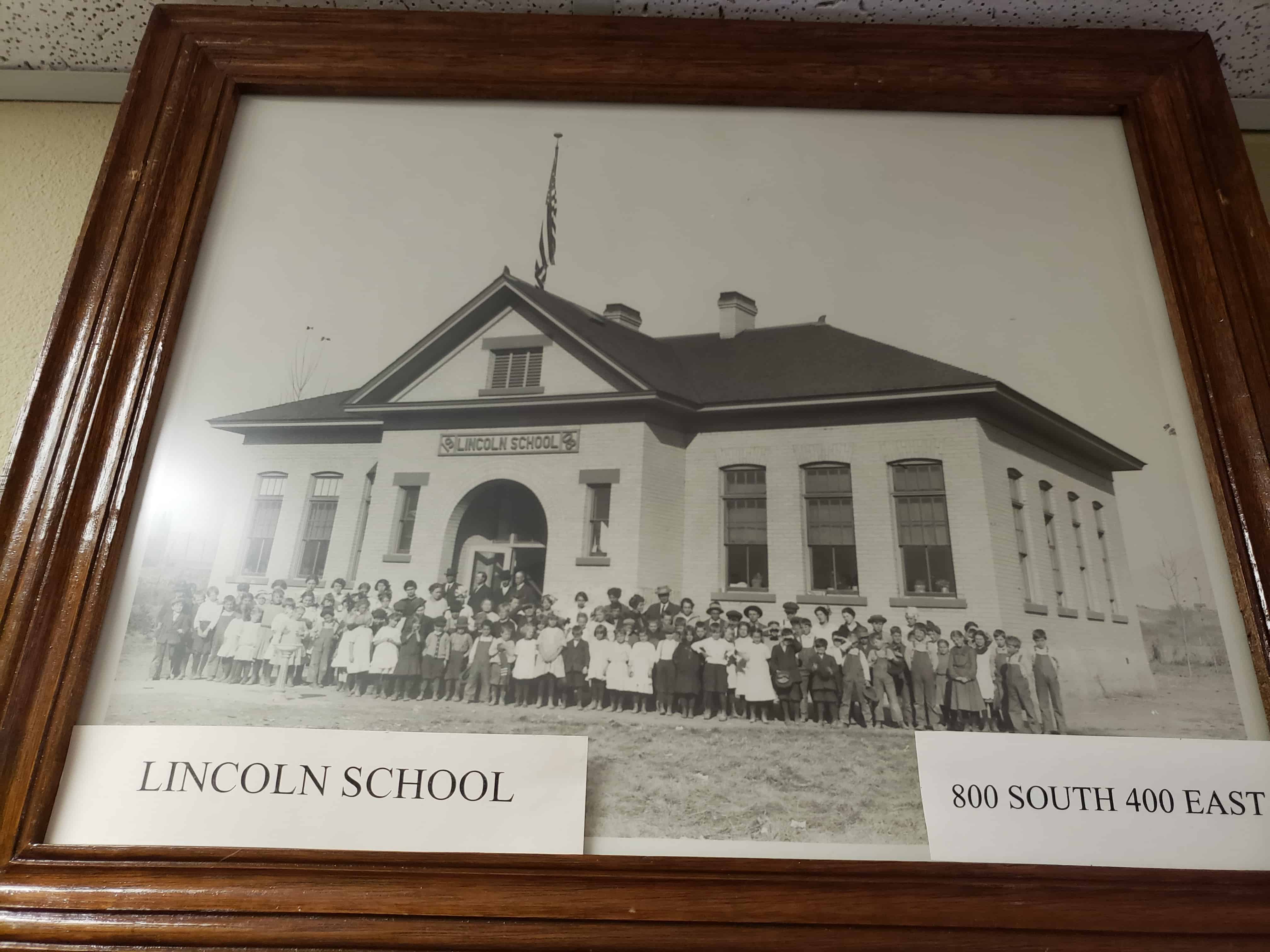
Site of Former Lincoln School (311 East 800 South)
Old Lincoln School
Site of Former Lincoln School
Until 1912, only grades one through eight were being taught in schools in Orem. If further education was desired, students had to travel to Pleasant Grove or Provo. Many children were denied schooling because family finances would not allow for the added expense.
In 1913, one hundred thirty-eight citizens, taxpayers and parents of Lincoln School District wrote a letter to the Alpine School board requesting that the future needs of the young and growing community be addressed. Three years later, the Alpine School Board authorized the teaching of ninth and tenth grade classes in the two rear rooms of the Spencer School located at 811 South State Street.
In 1921 a new school was completed across the street from the Spencer School. Ora Cunningham was named as principal of the combined high school and junior high school facility which took the name “Lincoln High School.”
Grades nine through twelve were taught there. Because some students had been attending eleventh grade at other schools the previous year, there were eight students in Lincoln’s first graduating class in 1922.
Over the years, there were several additions to the original building including an east wing, a music room, an activity and physical education room, and Industrial Arts annex and finally the lunch room and additional classrooms, which were built on the east side.
When Orem High School was completed in 1956, Lincoln High School transitioned back to a junior high. In 1962-63, when Orem Junior High School was built, half the students went there. In 1975-76 Lincoln Junior High School was vacated. The building had been condemned a fire hazard. Lincoln was closed and demolished with the exception of the Industrial Arts annex, which is still standing.
Site of Former Lincoln School
In 1921, the Lincoln High School building was completed across the street from the Spencer School. Grades nine through twelve were taught there. Because some students had been attending eleventh grade at other schools the previous year, there were eight students in Lincoln’s first graduating class in 1922.
Over the years, there were several additions to the original building including an east wing, a music room, an activity and physical education room, an industrial arts annex and finally the lunch room and additional classrooms were built on the east side.
In 1956, Lincoln Junior and Senior High School became Lincoln Junior High School upon the completion of Orem High School. In 1962-63, when Orem Junior High School was half the students went there.
Then in 1975-76, Lincoln Junior High School was vacated. The building had been condemned as a fire hazard. Lincoln was closed and demolished with the exception of the industrial arts annex which is still standing.
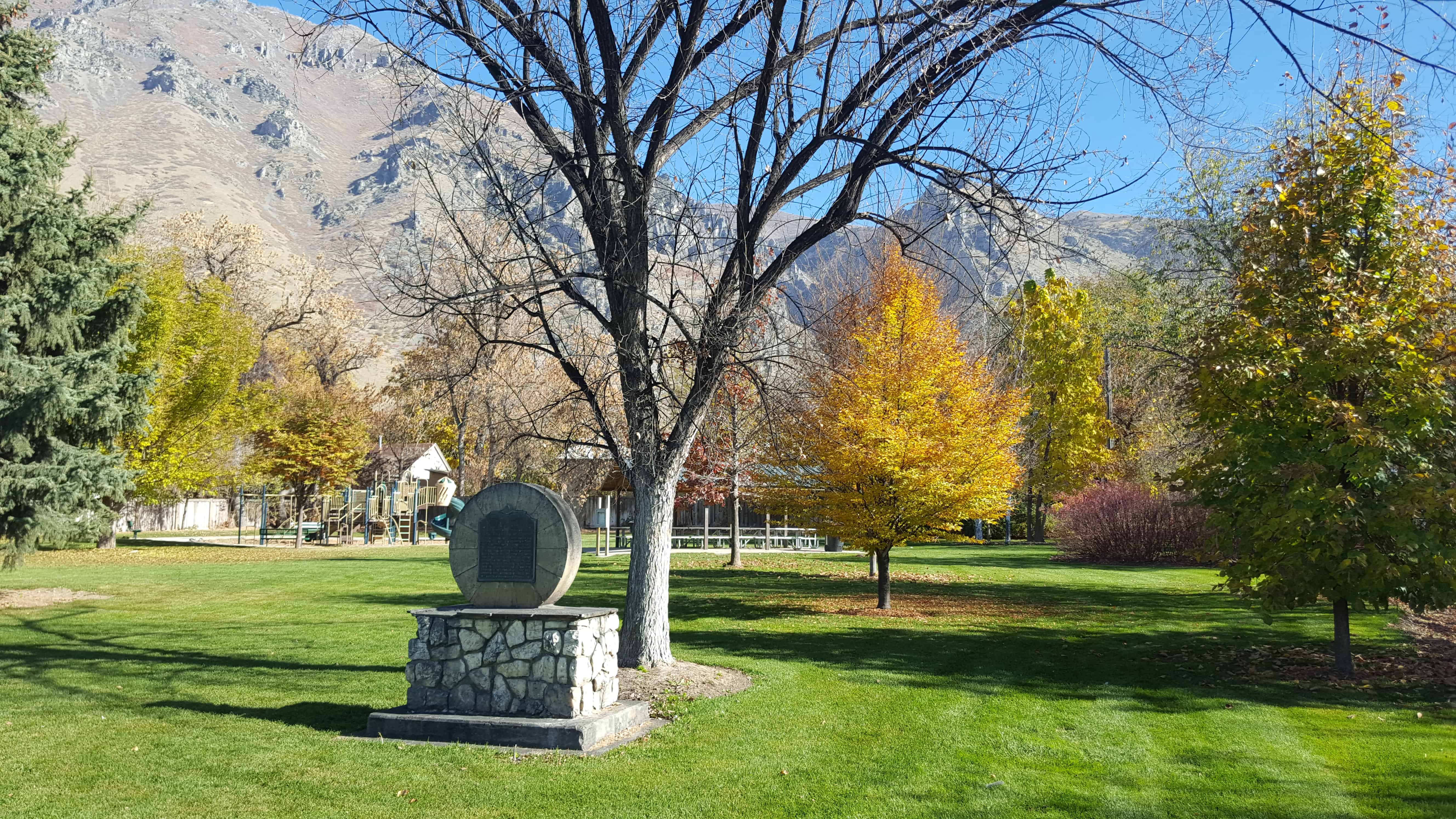
First Mills in Utah County (present day Springville in Heritage Park) Jacob Houtz, James Porter and Edward Hall built and operated a flour mill near here (1851). Norton Jacobs, the first miller, made and installed the machinery. In 1860 Jacob Houtz and William Bringhurst built a woolen mill one third mile northwest. In 1863, with the aid of William Jackson Stewart, cotton looms were installed. Cotton from Dixie was used. The mill was sold to James Whitehead in 1880, who changed it to a woolen mill and operated until destroyed by fire in 1914.
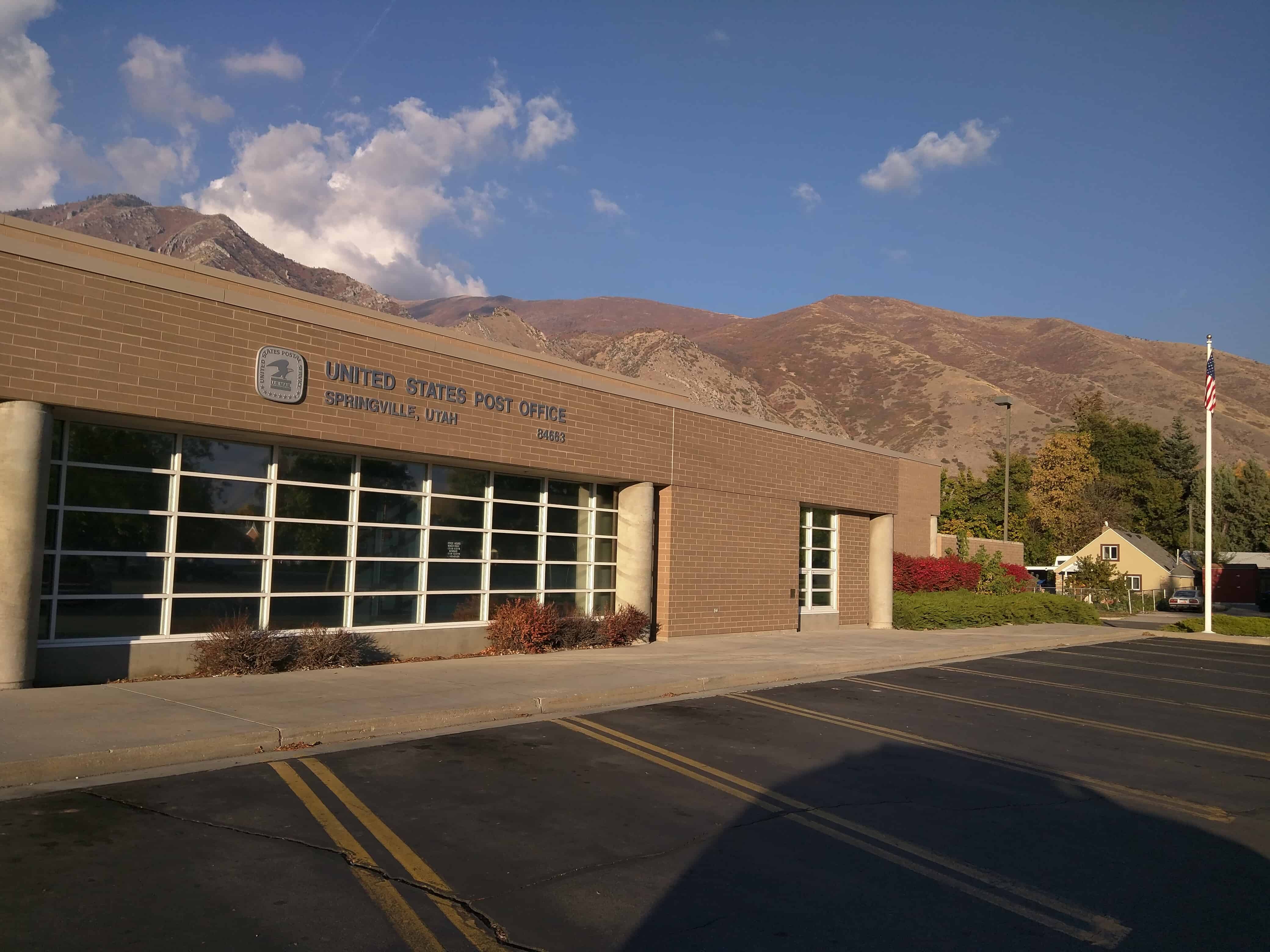
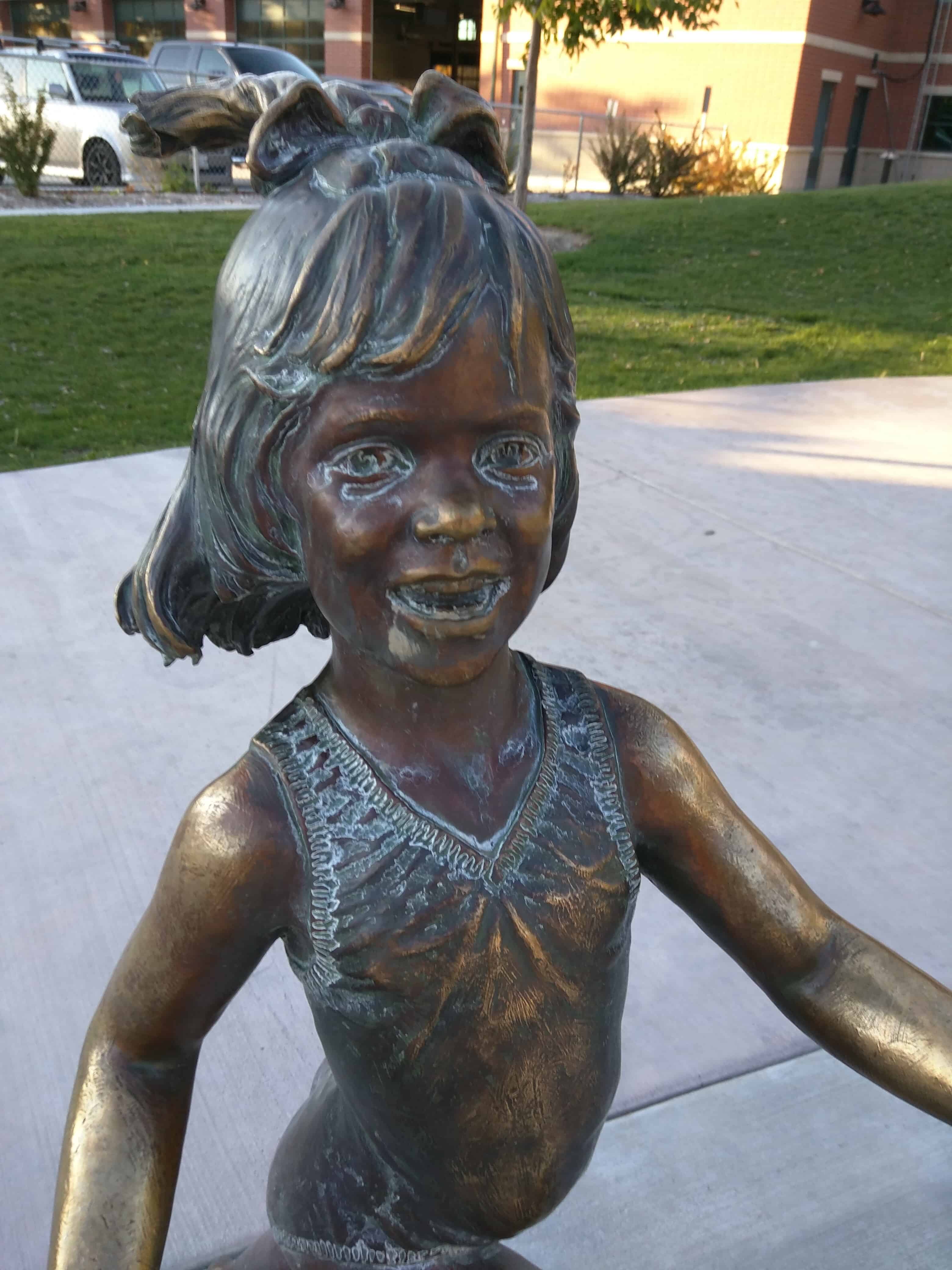
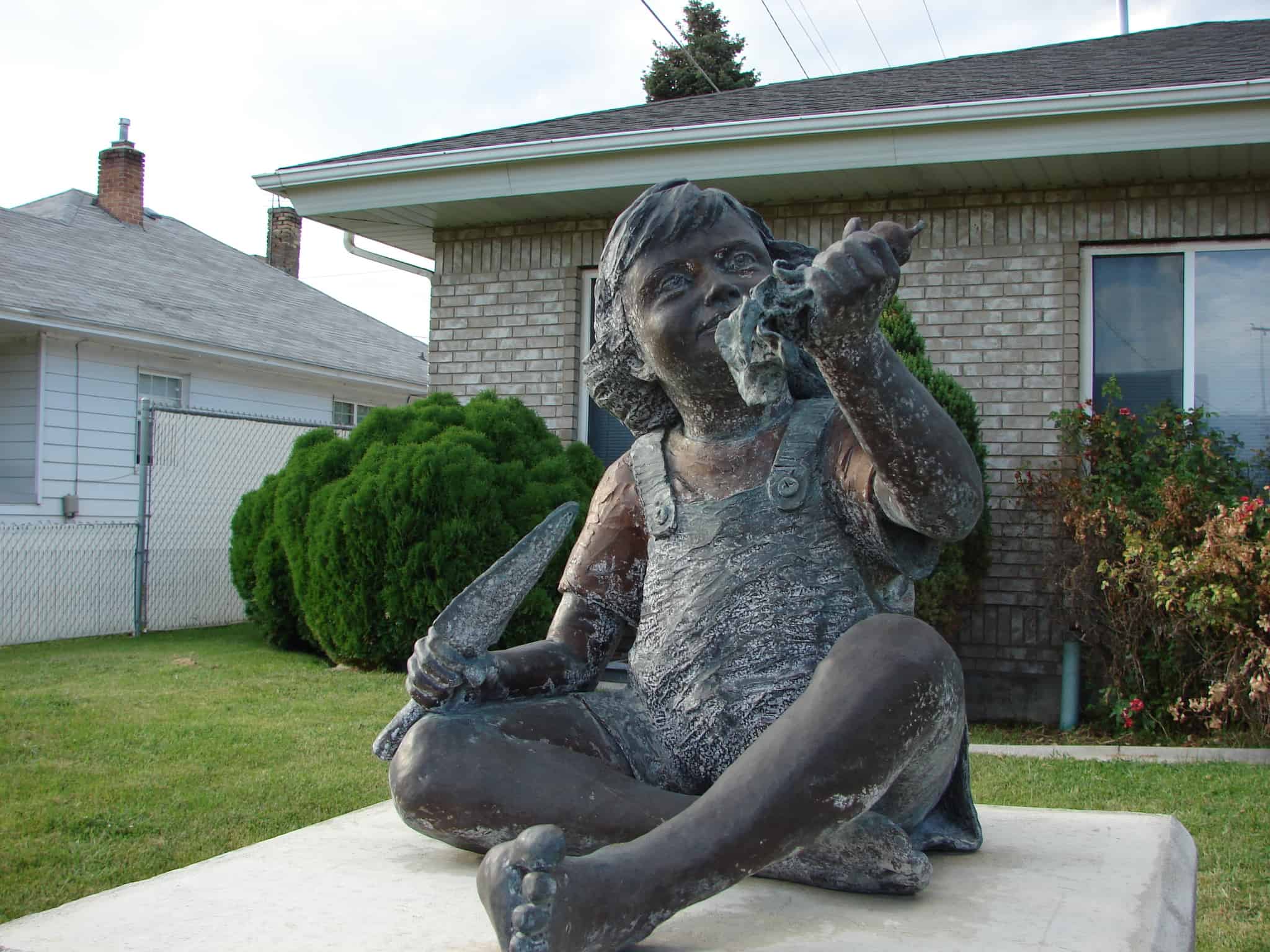
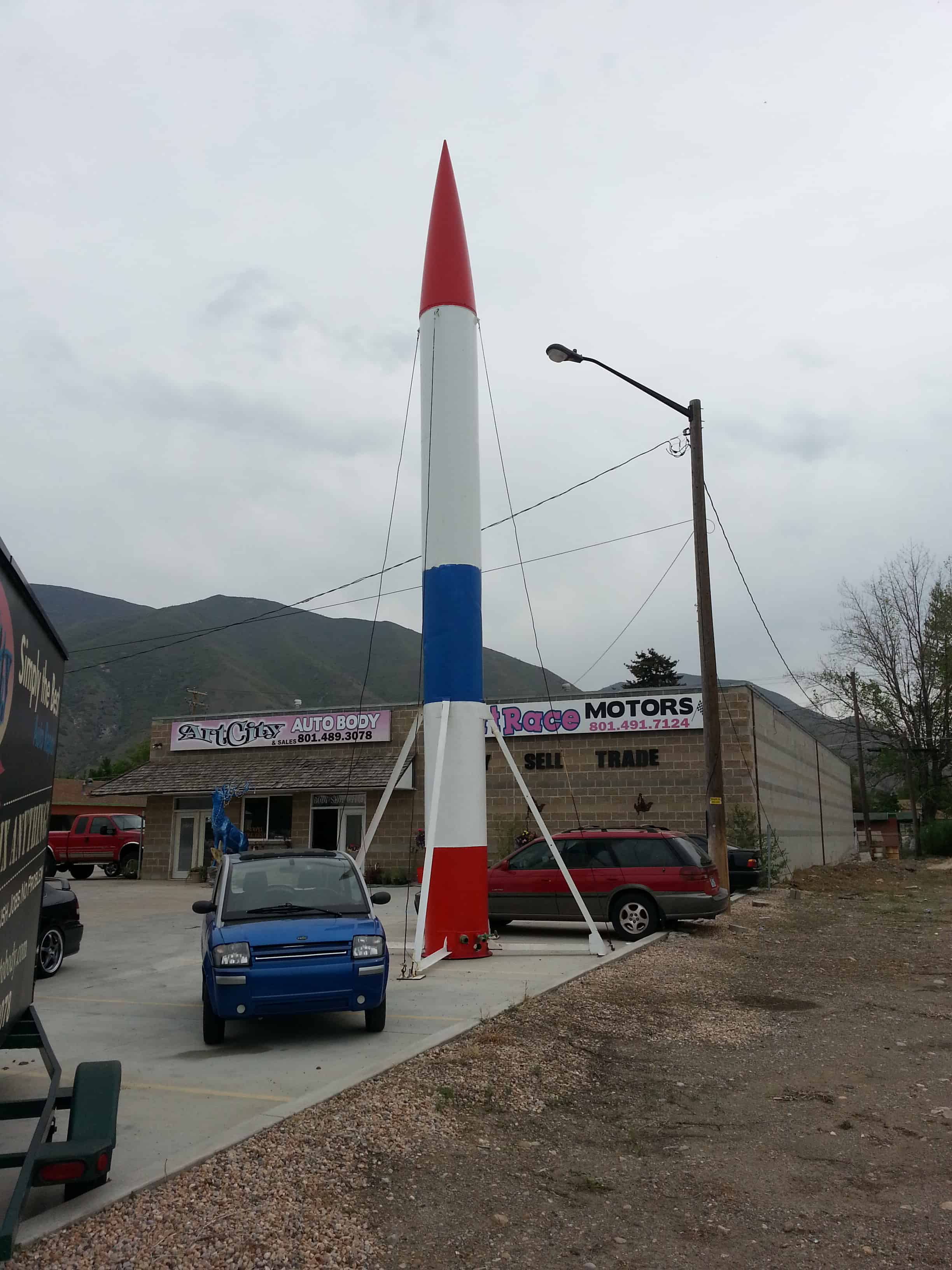
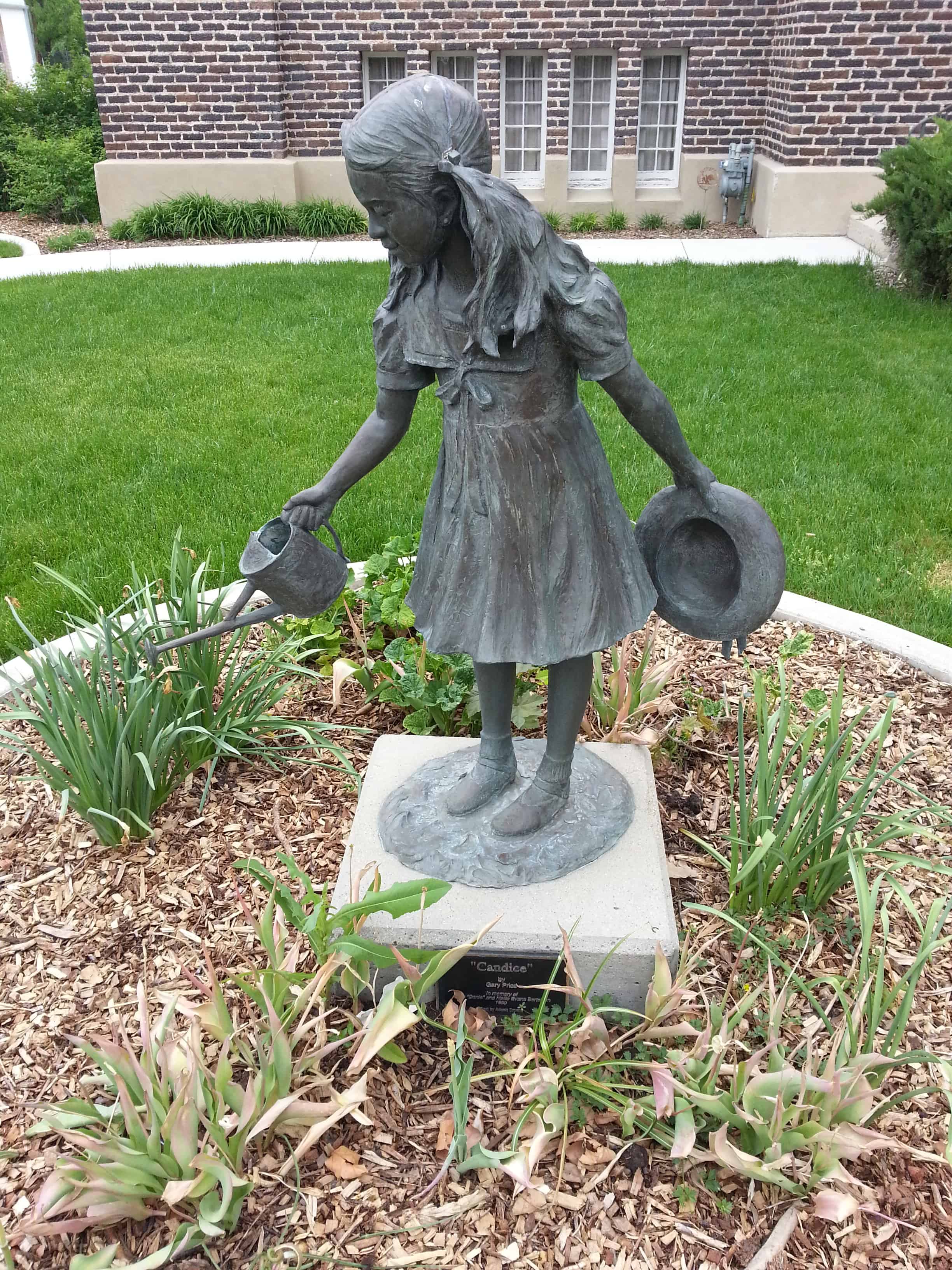
Springville is a city in Utah County, between Mapleton, Spanish Fork and Provo. Springville is known as “Art City” for it’s art museum and the sculptures that can be found all over town, especially on Main Street.
Springville was originally called Hobble Creek and later changed to Springville, named after Fort Springville which was named for the many springs in the area.
Springville is home to me and I have many stories to tell that I’ll be adding.
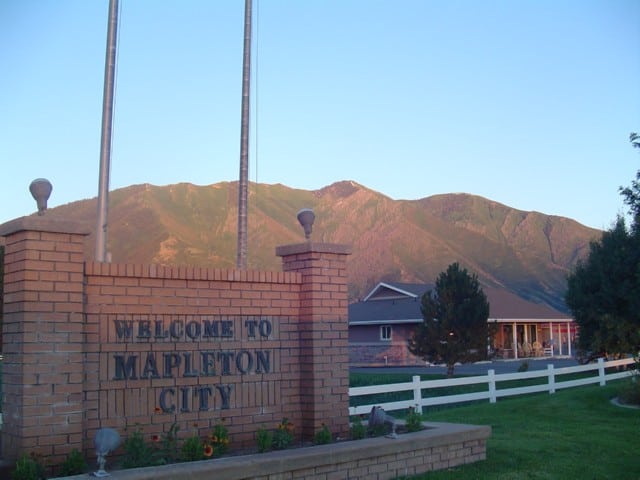
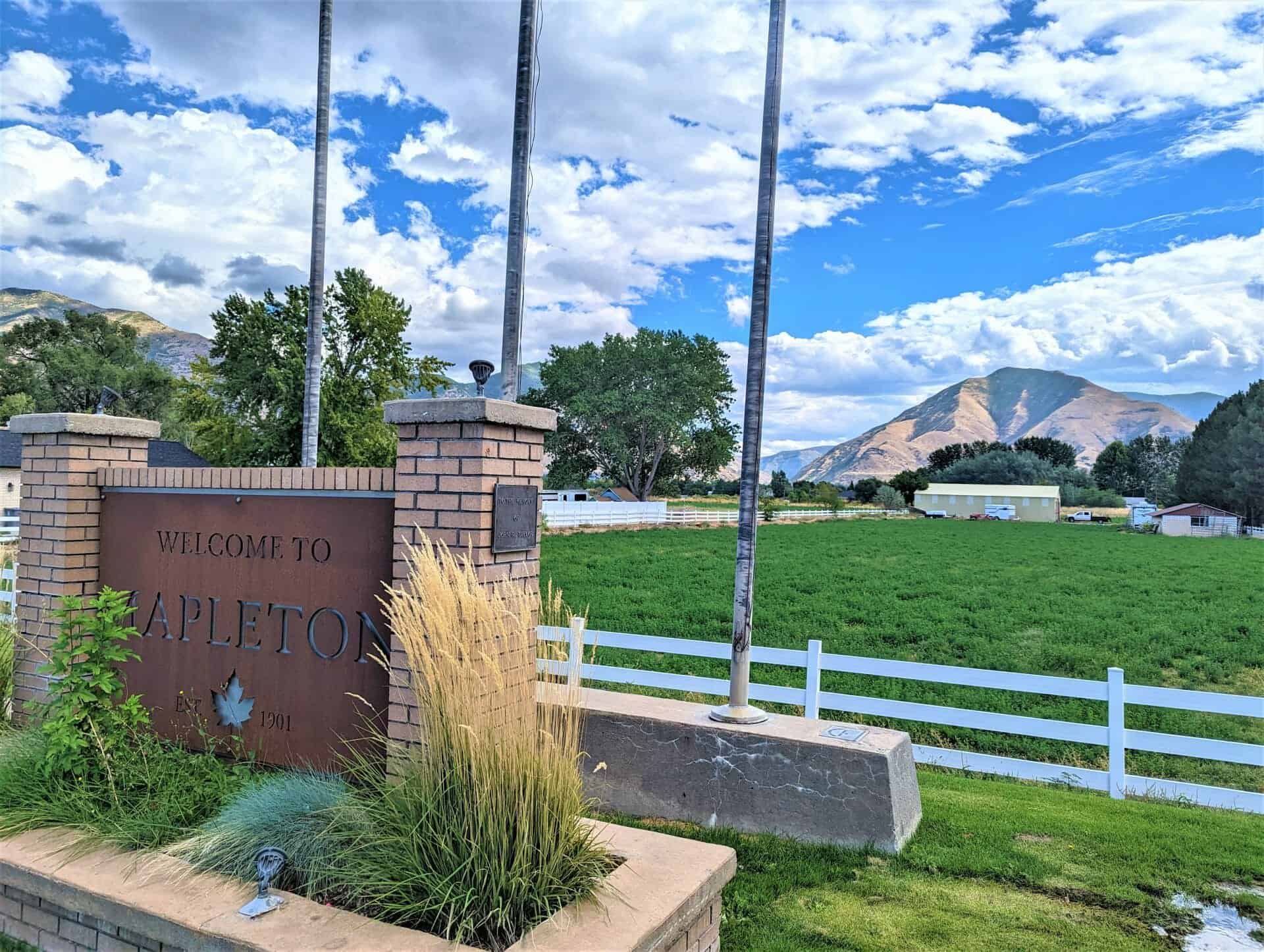
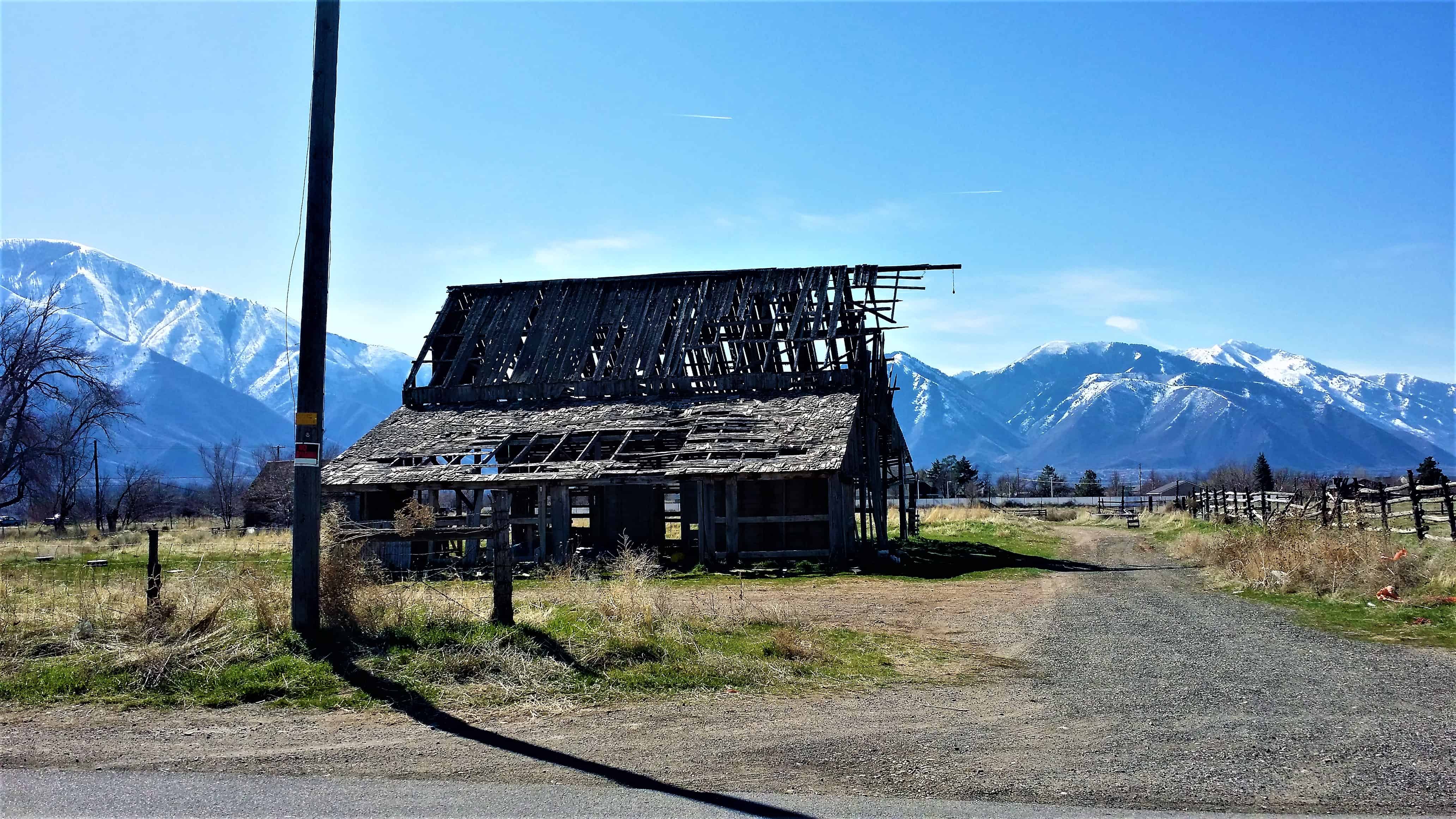
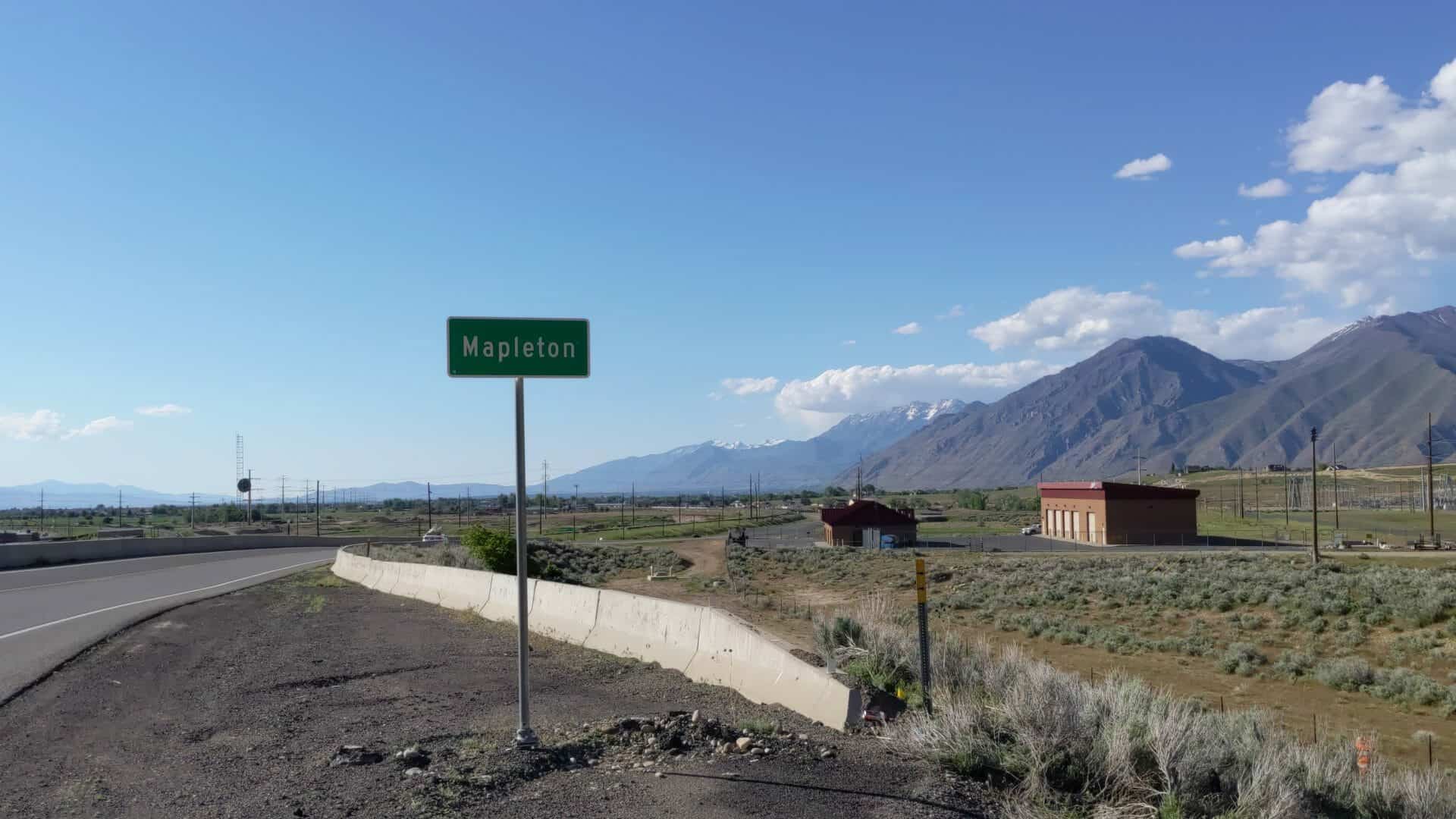
Mapleton, Utah is actually my hometown and means a lot to me. It was originally called Union Bench back in 1850 when first settled, and not officially incorporated until 1948.
I’ve seen a lot of change over the years, when I was a kid in the 1990s it was probably half open fields, now it’s mostly residential. I can remember “bragging” that I came from a town with no stop-light, that changed in 2012.
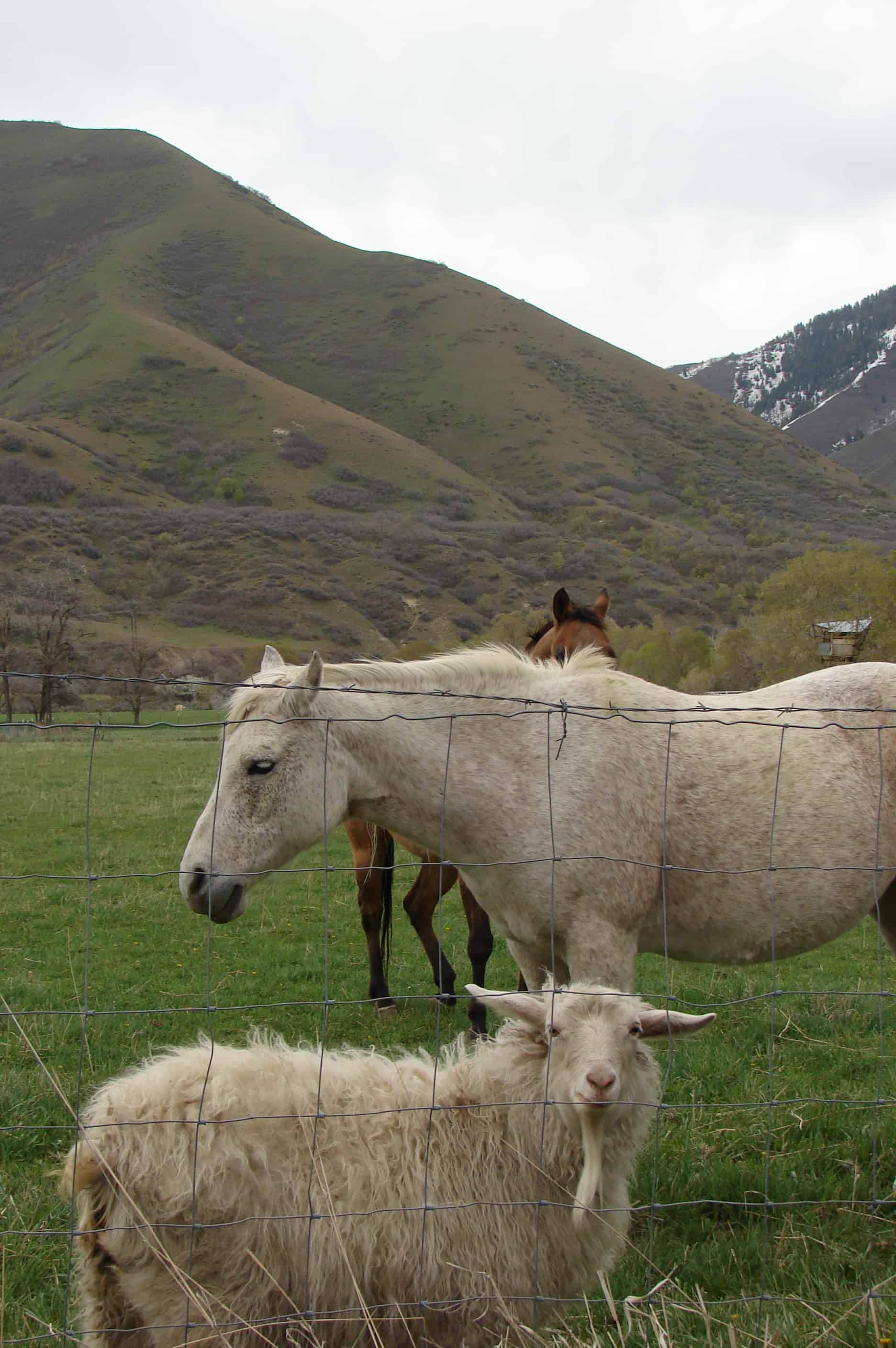
Mapleton is at the base of a couple of fun to explore mountains, Ether Peak and Spanish Fork Peak(Maple Mountain) overlook the town.
Welcome to Mapleton
urpyflrcby;.prurgpuck.urgp.cidyaberb..n.k.blrcbyo.k.bydp..y,rbcb.ocq (solve the line above to know where to get the west coordinates, add 3007 to the code you already have for the north coordinates)
Former Sharon L.D.S Seminary
(777 South State Street)
Former Sharon L.D.S Seminary
Shortly after the Lincoln High School was built in 1921, the Church of Jesus Christ of Latter-day Saints established an LDS seminary program for the high school students in the nearby Timpanogos LDS meetinghouse. Young members of the Church and many of their friends attended the seminary classes there for a number of years.
In 1929 or 1930, due to the growing popularity of the seminary program, the decision was made to construct a new seminary building on a plot just west of Lincoln High School. The building was also to provide offices for the Sharon LDS Stake Presidency.
The Sharon Stake seminary building was completed less than two years later and dedicated by Elder David O. McKay of the Quorum of the Twelve Apostles of the LDS Church on May 20, 1931. The facility was used as a seminary for the next 25 years. In 1956 the new Orem High School was completed, but the Sharon Seminary continued to be used by Lincoln Junior High School students for several more years.
Today, the former Sharon State Seminary Building is owned and occupied by the Orem Commission for Economic Development, and is meeting an important need in the community, financially mentoring new businesses.
Former Labor and Prisoner of War Camp
(600 East 950 North, Canyon View Junior High School Campus and Orchard Elementary)
Former Labor and Prisoner of War Camp
One of the most unique chapters in the history of Orem relates to its agricultural economy. With a number of Orem’s young men joining the Armed Forces in 1942 and 1943 the supply of labor in the community had dropped to where labor had to be imported to work the fields and for the harvest. As a result, the Utah Farm Labor Association in cooperation with the State of Utah built a labor camp at 1000 North 800 East on a five-acre site owned by James G. Stratton.
The first major occupants of the camp were displaced Japanese-Americans from the Topaz Relocation Camp. Some 200 or more of those people occupied the barracks and tent-top cabins which comprised the Orem camp. Many of them were employed by Orem and other Utah County farmers.
In the autumn of 1944 a number of Italian prisoners of war were brought to the camp to build a high wire fence and watchtowers, as the Japanese-Americans were relocated. The Italians were also employed in local farm work. With World War II winding down in Europe, the Italians were relocated and the camp became home to 340 German prisoners of war. They also found employment with local farmers, and some were able to establish lasting relationships with those farmers.
At the end of the war the German POWs were repatriated. As the need for farm laborers increased, Mexican nationals found their way to Utah, many of them being housed at the former prisoner-of-war camp. For the next 25 years they occupied the Orem Labor Camp until it was dismantled in 1970.
Related Posts:
More photos, videos and information can be seen at the Orem Museum (check out my page for that.)